
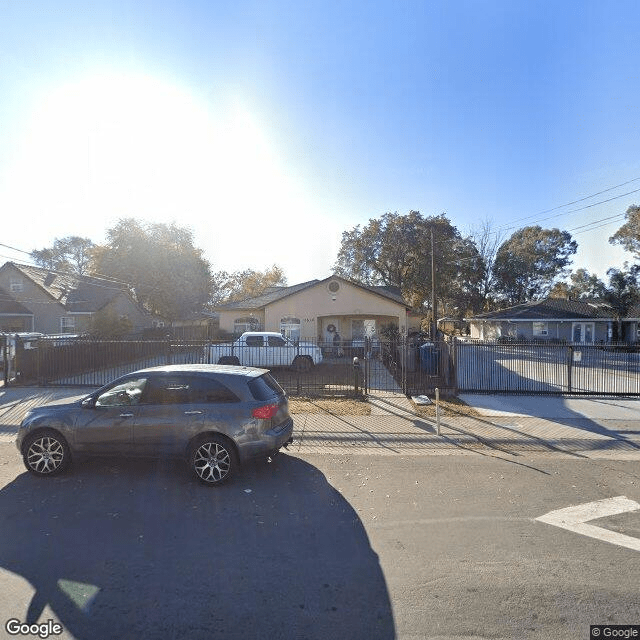
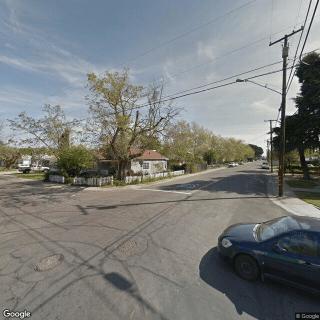
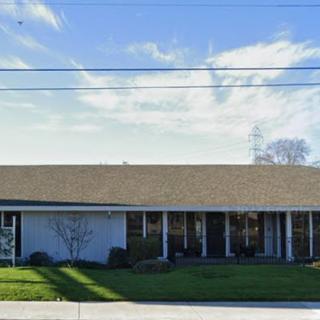
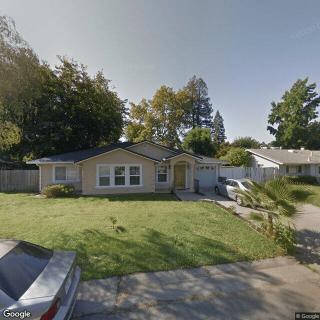
1620 Rosalind St, Sacramento, CA 95838
To contact a resident: (916) 567-0757
For more information about senior living options: (866) 208-4318
J & A Carehome Costs & Pricing
J & A Carehome offers competitive pricing for its residents, particularly when compared to the broader market in Sacramento County and across California. For a semi-private room, residents at J & A Carehome pay $2,000 per month, significantly lower than the county average of $3,106 and the state average of $3,333. Similarly, those opting for a private room at J & A Carehome will find their monthly cost of $2,500 to be quite reasonable compared to Sacramento County's average of $3,686 and California's average of $3,939. This thoughtful pricing strategy not only provides excellent value but also reflects J & A Carehome's commitment to making quality care accessible while maintaining high standards for comfort and service.
| Floor plans | J & A Carehome | Sacramento County | California |
|---|---|---|---|
| Semi-Private | $2,000 | $3,106 | $3,333 |
| Private | $2,500 | $3,686 | $3,939 |
Senior living communities with a similar price nearby
-
About the same
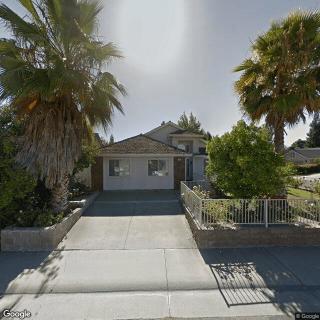
Antelope Hills Home Care
$2,000 to $2,500 / month7.0 miles away -
from -$100 / mo
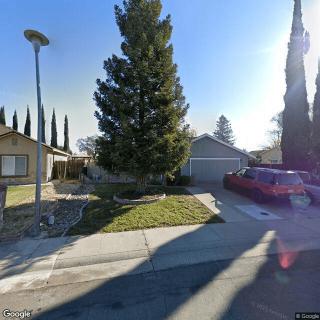
Bloomfield Hills Assisted Living
$1,900 to $2,400 / month9.3 miles away -
from +$370 / mo
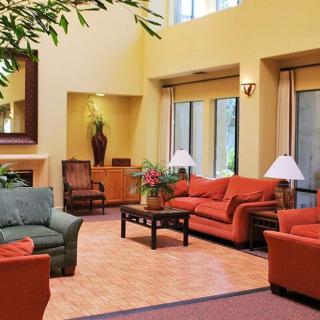
Winding Commons Senior Living
$2,370 to $3,870 / month5.9 miles away -
from -$200 / mo
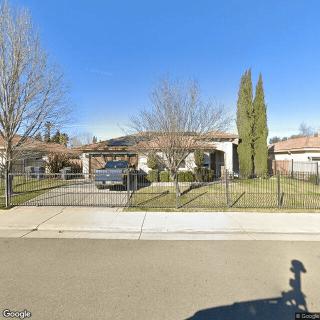
Ciric Care Home
$1,800 to $2,800 / month3.5 miles away -
from +$200 / mo
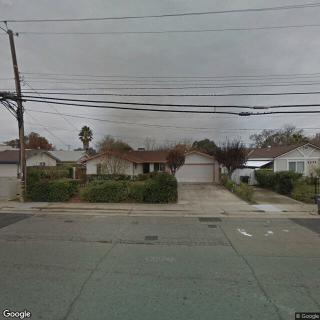
Afable Home Care II
$2,200 to $3,000 / month4.2 miles away
Overall Review of J & A Carehome
Pros
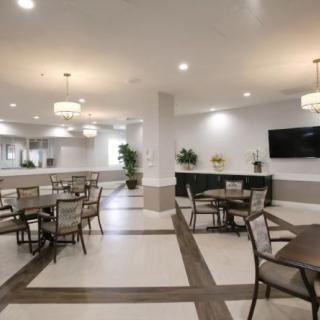
 The environment is clean, relaxing, and conducive to recovery.
- Jada is described as very sweet and kind.
- The care is life-saving and delivered with grace, dignity, and true humanity.
- The staff, instructors, and therapists are dedicated and caring, including Dr. Jackson for his compassionate treatment.
- The premises are gated with 24-hour staff, creating a safe atmosphere.
- The program connects participants to aftercare services to support ongoing recovery.
- The daily routine and group sessions are structured and educational, helping attendees learn coping skills.
Cons
 The facility is a joke.
- There is no actual counseling taking place there.
- The relapse rate is very high.
- They charge insurance upwards of 12k for a two-week stay.
- The clinic director is never there.
- The supervisor was not supportive.
Review
J & A Carehome in Sacramento is best suited for adults who want a quiet, low-volume, short-term recovery or support-focused option where personal attention from staff is a core strength. The setting appeals to those who value a clean, calming environment and a small client pool (roughly 10 to 16 residents), which translates into more hands-on care and fewer chaotic days. The program is clearly designed for a brief entry, two weeks, with the option to extend to a month, making it an attractive option for ramping up coping skills quickly and then transitioning to aftercare. For families seeking a bridge-to-ongoing support rather than a long-haul treatment commitment, this facility fits the bill.
The strongest positives center on staff accessibility and practical structure. Residents report a welcoming, well-maintained space where caregivers, examples highlighted include specific staff like Jada, treat people with warmth and respect. A tangible benefit is the emphasis on connecting aftercare services, so discharge isn’t a cliff but a continuation of support. The two-week program, plus the option to extend, is paired with a daytime rhythm that keeps residents engaged, and the ability to have phones accessible is a meaningful perk for maintaining external supports and accountability. In short, the environment supports stabilization, simple accountability, and a smoother handoff to ongoing care.
However, potential adopters must weigh the limits of a short stay. The two-week ceiling makes it difficult to address deep-seated or long-standing issues, meaning gains can be fragile without a robust, reliable aftercare plan. While praise for staff and structure is recurrent, the reviews in this space also emphasize variability in outcomes when the clinical direction isn’t clearly defined or when the program isn’t followed by a strong continuity plan. For families, the key risk is leaving with improved coping skills but without a clear guarantee of lasting change, unless the aftercare network is solid and well executed.
Those weighing alternatives should consider who may need more than a short-term placement. Individuals with complex psychiatric needs, persistent trauma requiring deeper in-house therapy, or a requirement for longer-term, tightly managed treatment may be better served by facilities offering extended stays, stronger on-site clinical oversight, and transparent pricing models. It’s prudent to compare J & A with providers that publish measurable recovery milestones, have consistent leadership presence, and demonstrate a track record of sustained improvement. In Sacramento, such options exist; use them to contrast long-term value against the immediate, practical advantages J & A provides.
The trade-off between strengths and limitations is real but manageable for the right candidate. The intimate setting and active staff engagement help stabilize daily life quickly, and the aftercare linkage reduces the risk of abrupt relapse when exiting a short program. For families prioritizing affordability, flexibility, and a warm, supportive milieu over a years-long therapy plan, J & A Carehome offers a credible, practical pathway. The decisive question is whether the person’s recovery goals align with a compact stay and a credible post-discharge plan, or demand a longer, more formalized commitment to therapy and medication management.
Action-oriented guidance follows. Begin by confirming the exact structure you’re committing to: the typical length, what the aftercare plan entails, and who will supervise ongoing treatment after discharge. Request recent outcomes data, clarifications on pricing, and a clear transition roadmap that ties into community supports, outpatient care, and any required medications. If the goal is durable, long-term improvement with consistent, intensive therapy, consider alternatives that provide extended stays and transparent metrics. If the objective is short-term stabilization with credible aftercare, J & A Carehome is a viable option in Sacramento, provided expectations are aligned with the program’s scope and the strength of the planned aftercare network.
 Board and Care Home
 Private
 Sacramento International (10 miles away)
 Diabetic care

 A Comprehensive Exploration of Common Misunderstandings about Powers of Attorney
 Senior Move Management: Understanding the Role, Value, and Associated Costs
 Weight Training for Seniors: Building Strength and Vitality