
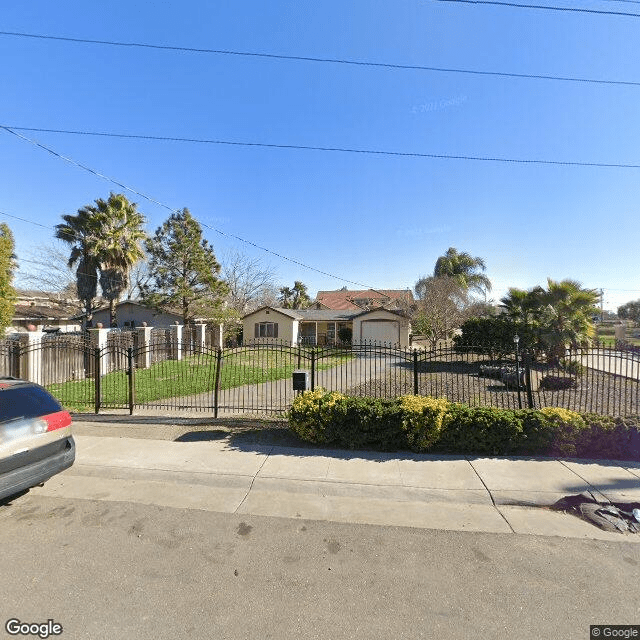
1440 Hood Road, Sacramento, CA 95825
For more information about senior living options: (866) 208-4318
Holy Family Home Costs & Pricing
Holy Family Home offers competitive pricing for private rooms at $2,800 per month, which is notably lower than the average costs in Sacramento County and the broader California market. In Sacramento County, the average monthly cost for a private room is approximately $3,686, while across the state of California, this figure rises to around $3,939. This cost advantage positions Holy Family Home as an attractive option for families seeking quality care without compromising on affordability. The home's pricing reflects a commitment to providing accessible services while maintaining high standards of care in a supportive environment.
| Floor plans | Holy Family Home | Sacramento County | California |
|---|---|---|---|
| Private | $2,800 | $3,686 | $3,939 |
Assisted Living communities with a similar price nearby
-
from -$300 / mo
Sunrise Senior Care
$2,500 to $3,500 / month10.1 miles away -
from +$200 / mo
Afable Care Home
$3,000 to $3,500 / month9.5 miles away -
from -$300 / mo
Gina's Home Care
$2,500 / month6.6 miles away -
from +$200 / mo
Love & Care for Elder
$3,000 to $4,500 / month9.3 miles away -
from +$205 / mo

Hear Seniors
$3,005 to $3,870 / month3.9 miles away
Overall Review of Holy Family Home
Pros
 The home is beautifully kept with thoughtful and caring staff.
- Caregivers from the Philippines, like the owner, are bilingual and proficient in both English and Filipino.
- Staff treat residents as honored elders, provide delicious homemade meals, offer Catholic worship, and cater to individual preferences.
- Caregivers are personally attentive, communicative, and knowledgeable about medications and aging-related conditions.
- The experience at this home is wonderful and a vast improvement over the “institutional” approach of previous larger centers.
- The home is one of very few in the Arden Area, and the reviewer feels lucky to have found it.
Cons
 The reviewer could not tour the facility due to language difficulties.
- There was language difficulty during the scheduling process.
- The tour coordinator never called back to arrange the visit.
Review
Holy Family Home in Sacramento is best suited for families seeking a small, intimate, home-like setting where a senior requiring round-the-clock care will feel treated as an honored elder. The community shines when residents and families value personalized attention, homemade meals, and a light spiritual life, Catholic worship is offered, paired with caregivers who speak English and Filipino, and an owner who shares that bilingual, bicultural approach. The Arden-area location keeps visits convenient, and the beautifully kept house reinforces a welcoming, domestic atmosphere rather than a sterile institution. In short, this is the right fit for families prioritizing continuity of care, clear communication, and a daily lived experience that feels like a nurturing home.
For families that may want alternatives, this community is less ideal for those needing non-Catholic religious options, a more diverse cultural staff, or a larger, more facility-like environment. The care model is built around Filipino-led, bilingual staffing, which is a strength, but could feel limiting for households seeking an English-dominant or non-Christian spiritual context. Prospective visitors should note that one reviewer faced language-related barriers during the initial tour and did not receive a callback to reschedule, signaling potential gaps in outreach. If ease of scheduling, broader tour availability, or a non-religious, non-Filipino setting are priorities, exploring other options with more expansive admissions processes and a wider staff mix would be prudent.
The core strengths, exceptional cleanliness, attentive caregivers, and a genuine sense of individualized care, are the factors that most offset the limited tour experience. Families repeatedly praise staff who are knowledgeable about medications and aging, who communicate clearly, and who tailor meals and daily activities to residents’ preferences. Homemade meals and an elder-centered atmosphere stand in strong relief to more institutional centers, offering a sense of domestic normalcy. The inclusion of Catholic worship and steady director involvement reinforce a sense of family oversight rather than corporate management. Taken together, the daily lived experience tends to be warm, dignified, and consistent, which matters deeply when evaluating whether a home truly feels like a supportive extension of family care.
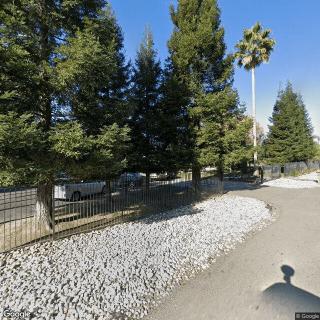
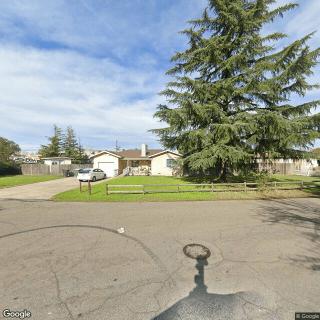
The setting itself is a tangible asset. The exterior is gorgeous and well-maintained, set back from the roadway to promote a calmer living space. The staff’s Filipino background, shared by the owner, translates into a culture of respectful communication and attentiveness to medications and health conditions common in aging. Meals are described as delicious and homemade, enhancing the sense of comfort and normalcy inside the home. Residency here signals a preference for small-house living, quiet, private, with a focus on routine and personal preferences, over the bustle of larger facilities. For families prioritizing continuity, predictability, and a personal touch, this is a compelling match.
When evaluating options, use a practical checklist: confirm the staff language mix and whether translation is needed, verify the availability of Catholic worship or other services, review how medication management is handled, and observe how staff communicate changes in health status. Request to meet the director and to tour with a clear plan, ideally with a follow-up touchpoint to overcome initial language barriers. Discuss meal plans, daily schedules, and how preferences are recorded and honored. Ask how respite care, 24/7 admissions, and potential escalation of needs are managed. These steps help ensure the warmth promised translates into reliable, day-to-day support rather than intermittently experienced care.
Overall, Holy Family Home presents a persuasive choice for families seeking a warm, home-like sanctuary in Sacramento’s Arden area. The blend of bilingual, Filipino-led caregiving, homemade meals, respectful, elder-centered care, and available spiritual life creates a strong value proposition for residents who want personalized attention and a dignified daily rhythm. The occasional tour scheduling hiccup should be viewed as a manageable hurdle rather than a deal-breaker; the true measure is care quality, staff accessibility, and the day-to-day experience. Alternatives may be reasonable to explore for those desiring a non-Catholic or more culturally diverse staff or a more formal facility environment. When core preferences align, this community stands out as a practical, trusted option.
 6 resident community capacity
 Assisted Living
 Board and Care Home
 Respite Care
 Cable or satellite TV
 Dining room
 Fully furnished
 Garden
 Housekeeping services
 Move-in coordination
 Outdoor space
 Private
 Telephone
 Wi-Fi/high-speed internet available
 Sacramento International (12 miles away)
 24-hour supervision
 Activities of daily living assistance
 Assistance with bathing
 Assistance with dressing
 Assistance with transfers
 Diabetes diet
 Incontinence care
 Meal preparation and service
 Medication management
 Special dietary restrictions
 Transportation arrangement (medical)
 Transportation to doctors appointments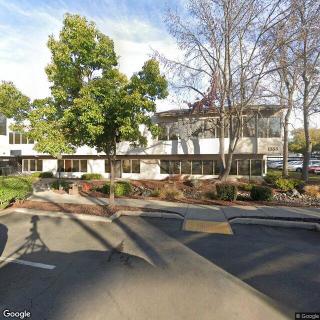

 Understanding the Distinctions: Assisted Living and Memory Care Explained
 Guiding Elderly Parents Who Refuse Assisted Living: 6 Practical Steps
 Your Comprehensive Guide to Luxury Assisted Living: Elevated Facilities, Amenities, and Costs