
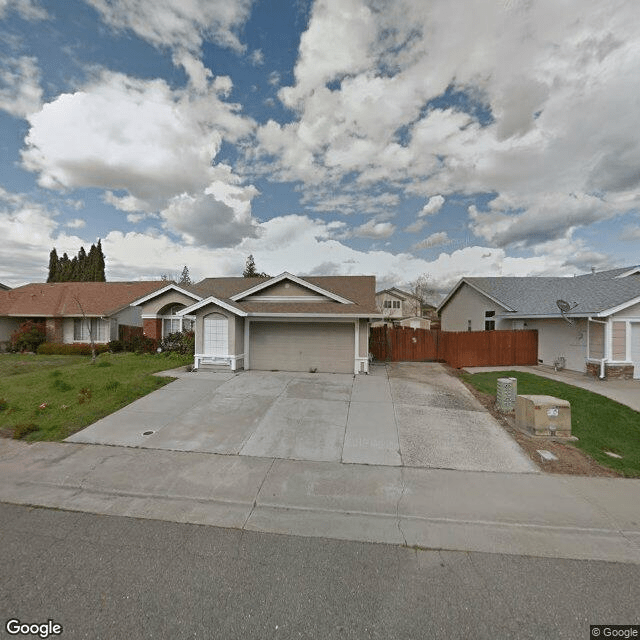
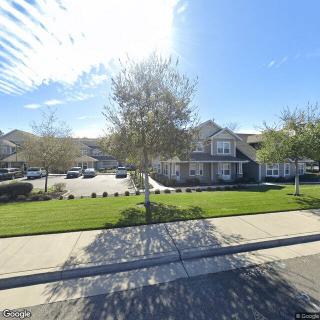
8765 Inisheer Way, Sacramento, CA 95828
For more information about senior living options: (866) 208-4318
Comfort Living Elder Care Costs & Pricing
At Comfort Living Elder Care, the monthly cost for a private room is set at $4,500, which reflects a commitment to providing high-quality care and personalized services. This figure is noticeably higher than the average costs in Sacramento County, where private room rates stand at approximately $3,686, and even more so compared to the broader state average of $3,939. While the pricing at Comfort Living may exceed local and state norms, it is essential to consider the enhanced amenities, individualized support, and specialized programs that contribute to an enriching living experience for residents. Ultimately, this investment aims to ensure comfort and well-being in a nurturing environment tailored to meet each resident's unique needs.
| Floor plans | Comfort Living Elder Care | Sacramento County | California |
|---|---|---|---|
| Private | $4,500 | $3,686 | $3,939 |
Assisted Living communities with a similar price nearby
-
About the same
Montclair Villa
$4,500 / month24.3 miles away -
from +$500 / mo
Bethesda Senior Care
$5,000 / month17.0 miles away -
from +$500 / mo
Friendly Care Home II
$5,000 / month17.8 miles away -
About the same
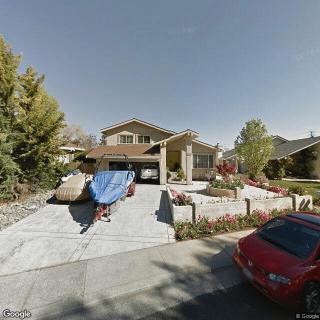
Sunriver Senior Care
$4,500 / month13.3 miles away -
from +$500 / mo
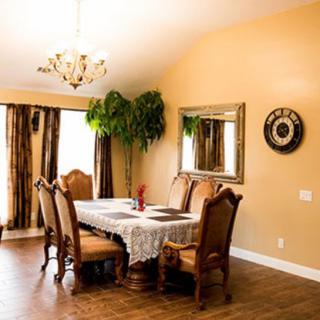
The Oaks at Garfield
$5,000 / month12.1 miles away
Overall Review of Comfort Living Elder Care
Pros
 The facility is described as enjoyable, loving, supportive, and caring.
- The staff are professional, caring, and top notch.
- Families experience easy communication and trusted relatives are welcome to visit daily.
- Residents feel at home and are well cared for, with excellent food.
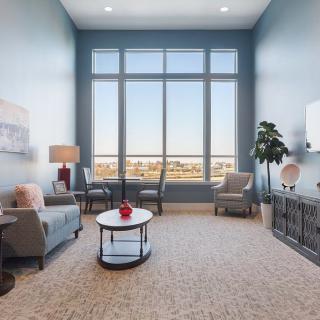
- The environment is clean, well maintained, and comfortable.
- The community offers a wide range of activities and amenities.
- Transitions for loved ones are smooth thanks to patient and supportive staff.
- Families highly recommend the facility and praise its caregivers.
- The care team provides frequent updates to families, ensuring peace of mind.
Review
Comfort Living Elder Care in Sacramento is best suited for families seeking a warm, home-like senior living option where residents receive consistently attentive, relationship-first care and where family involvement is welcomed and facilitated. The reviews portray a setting that feels less institutional and more like a close-knit, supportive home, with staff who prioritize daily comfort, meals they take pride in, and meaningful social activities. This community is especially appealing for seniors who value steady, compassionate engagement, frequent personal interactions, and a transparent line of communication with caregivers and family members. It suits older adults who benefit from a calm, structured environment that emphasizes safety, routine, and genuine warmth.
Those weighing alternatives should consider the degree of medical oversight and memory-care specialization required. For loved ones needing heavy on-site nursing, 24/7 licensed medical supervision, or highly tailored memory-care programs, other facilities with dedicated memory-care wings or larger campuses may be a better match. While the family experiences indicate strong caregiving and smooth transitions, the reviews do not describe a formalized memory-care unit with specialized protocols. Prospective buyers with complex medical needs or advanced dementia care demands should compare nursing ratios, on-site physicians or nurse practitioners, and the availability of skilled interventions before deciding.
On the upside, the most compelling strengths are the staff’s professionalism, compassion, and consistency. Multiple families highlight that caregivers are “top notch,” patient, and genuinely invested in residents’ well-being. The environment conveys a sincere, family-oriented atmosphere, where daily updates to families are routine and welcomed. Food quality earns high marks, and dining appears to be a focus of care, not an afterthought. Cleanliness and general maintenance are repeatedly noted, reinforcing confidence that residents live in a well-kept, orderly setting. The array of activities and the emphasis on social connection help residents stay engaged, reducing isolation and promoting a sense of belonging.
While the reviews are overwhelmingly positive, the explicit absence of a stated, formal medical care framework could be seen as a potential drawback for families prioritizing clinical intensity. The dementia narrative is reassuring, with at least one resident’s transition described as smooth and another resident “settling in,” but there is no detailed account of specialized memory-care programming, staff training in dementia-specific interventions, or on-site continuous clinical oversight. These gaps are not necessarily deal-breakers for all, but they are the kind of information that matters to families juggling clinical needs with quality of daily life. In short, Comfort Living excels in daily care and environment; it may not be the first choice for those seeking advanced medical customization.
The positive attributes substantially offset these potential gaps. A home-like culture, transparent family communication, and a proven track record of attentive, loving care create a compelling value proposition for many seniors and their families. The staff’s willingness to accommodate family visits, share updates, and maintain daily routines translates into reduced relocation stress and greater peace of mind. The combination of a clean, well-maintained campus, an appealing menu, and a robust calendar of activities helps residents feel valued and engaged, which in turn supports overall well-being and satisfaction. For most families, these factors weigh heavily in favor of choosing Comfort Living.
In the end, Comfort Living Elder Care stands out as a practical, experienced choice for Sacramento-area seniors who want a nurturing, home-like environment with highly committed caregivers and active family participation. It is an especially strong fit for families prioritizing warmth, continuity, and clear, frequent communication over clinical showpieces. Those with modest to moderate medical needs who seek a community that treats residents like family will find substantial alignment here. For households where robust on-site medical oversight or highly specialized memory-care programming is non-negotiable, it is prudent to compare alternatives that foreground nursing availability and dementia-focused protocols before making a final commitment. A visit to observe staff interactions, meal service, and activity dynamics will illuminate fit, pace, and the true day-to-day experience.
 6 resident community capacity
 Assisted Living
 Board and Care Home
 Activities off-site
 Bath tubs
 Beautician on-site
 Cable or satellite TV
 Devotional services off-site
 Dining room
 Fully furnished
 Garden
 Housekeeping services
 Indoor common areas
 Move-in coordination
 Outdoor common areas
 Private
 Private bathrooms
 Respite or short term stays offered
 Telephone
 Wheelchair accessible showers
 Wi-Fi/high-speed internet available
 Sacramento International (20 miles away)
 24-hour supervision
 Ambulatory care
 Assistance with bathing
 Assistance with dressing
 Assistance with transfers
 Diabetes diet
 Diabetic care
 Incontinence care
 Meal preparation and service
 Medication management
 Special dietary restrictions
 Transportation arrangement (medical)
 Transportation to doctors appointments

 8 Key Indicators That Suggest It May Be Time to Transition from Assisted Living to Skilled Nursing Care
 Vibrant Senior Living: A Comprehensive Guide for Active Older Adults
 When to Transition from Assisted Living to Memory Care: Key Indicators, Steps, and Finding the Right Community