
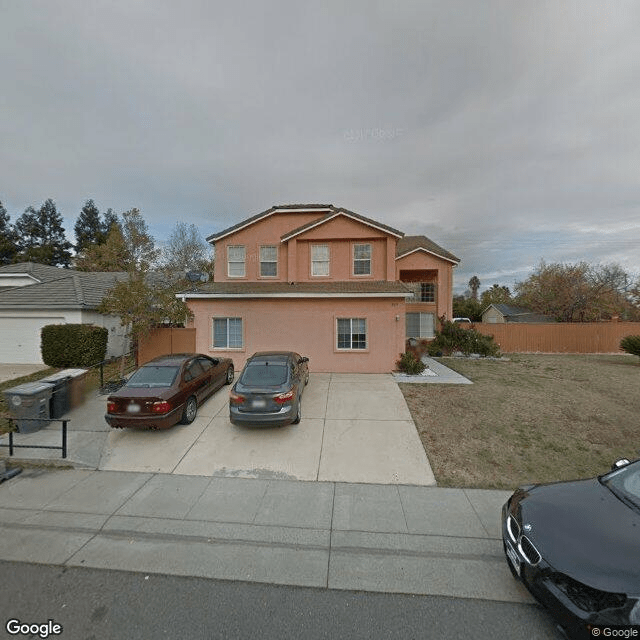
8551 Narcissus Ct, Elk Grove, CA 95624
To contact a resident: (916) 396-6769
For more information about senior living options: (866) 208-4318
Mary's Elderly Care Home Costs & Pricing
At Mary's Elderly Care Home, the monthly cost for a private room is set at $3,000, which positions it significantly below the average rates observed in both Sacramento County and the broader California landscape. In comparison, Sacramento County reports an average cost of $3,686 for similar accommodations, while statewide figures reach up to $3,939. This competitive pricing not only reflects Mary's commitment to providing quality care but also offers an appealing option for families seeking affordable yet comfortable living arrangements for their elderly loved ones.
| Floor plans | Mary's Elderly Care Home | Sacramento County | California |
|---|---|---|---|
| Private | $3,000 | $3,686 | $3,939 |
Senior living communities with a similar price nearby
-
from -$500 / mo
Sunrise Senior Care
$2,500 to $3,500 / month17.5 miles away -
About the same
Afable Care Home
$3,000 to $3,500 / month18.9 miles away -
from -$500 / mo

Gina's Home Care
$2,500 / month13.3 miles away -
from -$500 / mo
Lucian Home
$2,500 / month19.6 miles away -
from -$348 / mo
All Care Home Health Svc
$2,652 / month12.1 miles away
Overall Review of Mary's Elderly Care Home
Pros
 The staff at Comforts of Home consistently deliver the best care for their residents.
- The facility is clean and neat, with staff ready to remedy any problems that arise.
- The care and attention to detail given to each client is amazing.
- They provide timely, helpful recommendations and keep families informed about options with the doctor.
- They ensure hydration for residents who cannot hold a cup.
- They respect residents' faith and pray with them at night, which is appreciated.
- The staff are caring and smart, helping maintain a high quality of life through the end.
- The place feels like extended family, caring for residents for many years.
- They offer a variety of activities and healthy meals, with fresh fruits and vegetables on hand.
Cons
 The reviewer was required to find another care arrangement for their mom within 24 hours, leaving them scrambling.
- They were not sure if the facility still offered the activities program.
- There was no vacancy at Mary's Home Care, limiting options for care.
Review
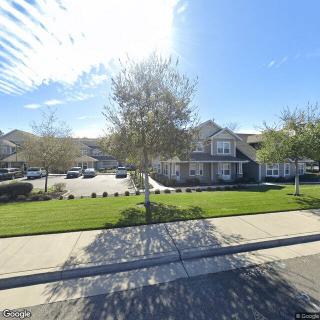
Mary’s Elderly Care Home in Elk Grove is best suited for families that want a small, intimate, home-like setting where seniors receive exceptionally personal attention, especially if dementia care or escalating care needs are involved. This community excels when care priorities include consistent relationships with a devoted caregiving team, reliable daily routines, and a strong emphasis on comfort, hydration, and gentle, individualized support. It suits residents who value a warm, family-like atmosphere, proactive problem-solving, and faith-informed moments that can bring meaningful solace. For families seeking end-of-life care that emphasizes dignity and quiet, steady presence, this setting delivers a level of attentiveness that larger campuses often struggle to match.
Those weighing alternatives should consider whether a resident’s needs would be better served by a larger campus with broader medical staffing, more formal memory-care programs, or a wider array of activities and amenities. If ongoing, on-site medical oversight, access to diverse therapies, or a bustling social calendar are non-negotiables, a bigger facility may offer greater comfort. Residents requiring frequent physician involvement, sophisticated rehabilitation services, or round-the-clock clinical attention could find the intimate scale limiting. In short, the question is whether the resident benefits more from a tight-knit, highly personalized environment or from expansive, resource-rich programming.
The strongest pros here are consistently demonstrated in the caregiving relationship: Maria and David, along with their team, are repeatedly described as caring, capable, and deeply attuned to each resident’s needs. The six-bed footprint enables meticulous attention to detail, fast problem resolution, and a cadence of care that feels both predictable and secure. Families report transparent communication, thoughtful guidance on medical questions they hadn’t even considered, and a willingness to intervene early for comfort. Hydration support, assistance with activities of daily living such as cup-holding for those who struggle, and anticipatory care, when a resident’s condition shifts, sit at the core of the experience. The home-like setting also shines in its nourishment and social touches: regular, healthy meals, fresh fruit and vegetables, and occasional activities led by staff or visiting partners, with some residents enjoying prayers or spiritual connections that align with their preferences.
Yet the intimate scale does carry limitations that require attention. Vacancy can be scarce, reflecting steady demand and the community’s strong reputation; this reality means turnover and wait times can affect planning. The menu of activities and on-site programming may be more modest than in larger facilities, which can feel constraining for residents who crave a wider range of enrichment options. Some families will want to confirm the availability of 24-hour on-site staff, transportation for medical appointments, and the community’s capacity to accommodate evolving medical instructions as needs change. While the care team’s closeness is a clear strength, it also means the resident’s care is tightly bound to a smaller pool of caregivers, which can matter if staff absences occur.
All of these considerations are effectively balanced by the undeniable value of trust, consistency, and peace of mind. The caregivers’ hands-on approach translates into reliable hydration, careful attention to dementia-related needs, and timely family updates that reduce anxiety during uncertain days. The sense of extended-family care, where staff know residents well enough to anticipate preferences, creates a calming, dignified daily life that residents often prefer over the impersonal feel of larger communities. The homelike environment, dietary attentiveness, and faith-friendly elements contribute to a quality of life that families repeatedly describe as high and meaningful, even as complex needs rise.
Decision-makers should regard Mary’s Elderly Care Home as a strong fit for those prioritizing intimacy, low staff-to-resident ratios, and deeply personalized care in a consonant, faith-supportive setting. It is a compelling choice when the goal is to achieve comfort, consistent caregiving, and clear, compassionate communication from a team that treats residents as family. For residents who require extensive medical infrastructure, rapid access to a wide range of therapies, or a bustling, club-like schedule, exploring larger alternatives is prudent. Prospective families should verify current vacancy status, confirm the staff-to-resident ratio, inquire about medical oversight and care plan adaptability, and discuss how the home would manage future shifts in dementia progression. With careful alignment of needs and expectations, this community can deliver a rare blend of personal attention and everyday dignity.
 Board and Care Home
 Private
 Sacramento International (20 miles away)
 Diabetic care

 Exploring the World of Home Health Nurses: Qualifications, Roles, and Hiring Tips
 Navigating Medicare Coverage for In-Home Care Services
 In-Home Care Costs in 2025: A Detailed State-by-State Exploration