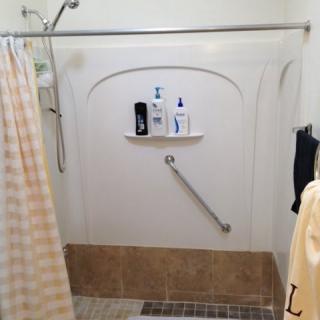
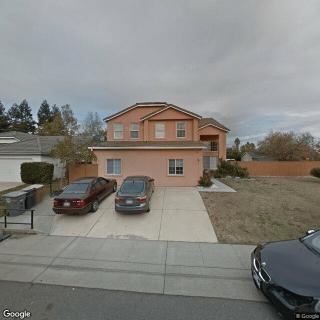
8475 Mainstay Court, Elk Grove, CA 95624
To contact a resident: (916) 475-5669
For more information about senior living options: (866) 208-4318
MR Homecare, Incorporated Costs & Pricing
At MR Homecare, Incorporated, we offer competitive pricing for our services that distinguishes us from both Sacramento County and the broader California market. For our semi-private rooms, we charge $2,500 per month, which is significantly lower than the county's average of $3,106 and the state average of $3,333. Similarly, our private rooms are priced at $3,500, again more affordable than Sacramento County's rate of $3,686 and California's statewide average of $3,939. These cost-effective options allow us to provide quality care while ensuring that financial considerations do not become a barrier for those seeking essential home care services.
| Floor plans | MR Homecare, Incorporated | Sacramento County | California |
|---|---|---|---|
| Semi-Private | $2,500 | $3,106 | $3,333 |
| Private | $3,500 | $3,686 | $3,939 |
Memory care communities with a similar price nearby
-
About the same

Eastern Manor
$2,500 to $3,000 / month11.7 miles away -
About the same
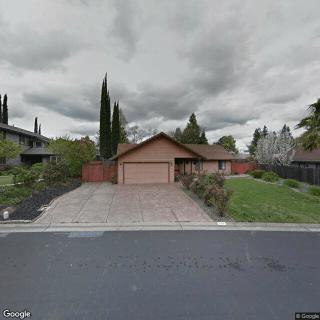
A.R.C. Manor of Folsom
$2,500 to $3,500 / month20.1 miles away -
from +$300 / mo

American River Care Home
$2,800 to $3,000 / month12.0 miles away -
from +$300 / mo
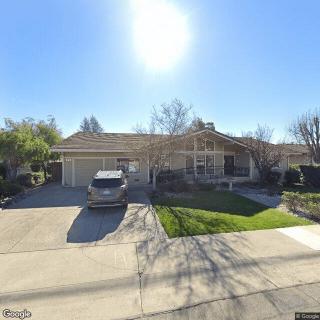
Golden Girls
$2,800 to $3,000 / month8.4 miles away -
About the same
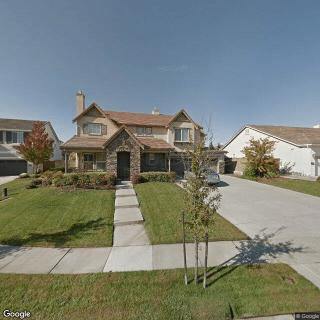
Doyle Ranch Care Home
$2,500 to $3,500 / month20.3 miles away
Overall Review of MR Homecare, Incorporated
Pros
 Home Instead and Elizabeth Rock are a blessing to work with.
- Their caregivers go above and beyond, providing compassion, dignity, and peace of mind to hospice patients and their families.
- Elizabeth is incredibly responsive and fast-acting, ensuring needs are handled right away with care and professionalism.
- In an industry where quality can vary, Home Instead shines by treating every client like family.
- Their professionalism, reliability, and genuine kindness set them apart as an A+ company.
- They are among the very best in home health and hospice.
Cons
 The staff did not provide supervision or help moving.
- The level of care was not good at all.
- They would not help with bathing.
- They would not even turn on the TV for her, despite it being what she wanted to watch.
- Overall, it was a bad experience.
Review
MR Homecare, Incorporated in Elk Grove is best suited for families seeking affordable, flexible in-home support where daily supervision and intensive personal care are not non-negotiable requirements. The limited reviews available suggest a lowest-to-moderate level of service rather than consistent, hands-on care. For households that can tolerate variability in staffing and want to keep costs down while arranging their own oversight, MR Homecare may appear as a workable option. However, the data points to the need for caution: this agency does not appear to deliver the reliable, daily assistance that many seniors rely on for mobility, bathing, and safety.
Those evaluating options should actively consider alternatives. The strongest, real-world signal from the reviews points toward providers like Home Instead as a higher-performing benchmark, one where caregivers are described as compassionate, reliable, and deeply engaged with clients. In practice, that standard matters: when a family depends on consistent supervision, timely problem-solving, and dignified, personalized care, a provider with proven responsiveness becomes the decisive factor. In this context, MR Homecare’s appealing price or scheduling flexibility are not enough to overcome questions about daily hands-on support.
The positives in the broader in-home-care landscape, staff who treat clients like family, quick escalation of needs, and steady caregiver assignment, are the exact capabilities families should demand. The available reviews imply that such strengths exist with other agencies; they also imply MR Homecare has not demonstrated a comparable track record in the same way. When a caregiver is expected to assist with moving, bathing, or daily routines, consistency and attentiveness are non-negotiable. Until MR Homecare shows evidence of delivering those core capabilities, its advantages may not offset the risk of gaps in essential care.
The main cons echoed in the reviews are clear and troubling. A caregiver service that cannot provide supervision for a 93-year-old, or that declines basic tasks like bathing assistance, creates safety and dignity concerns. Reports of not turning on the TV because it’s “depressing”, even when it aligns with a resident’s preference, underscore a rigidity that undermines comfort and personalization. In caregiving terms, these gaps translate to higher stress for families and augmented risk for the senior, especially when age or mobility limitations require proactive, hands-on support rather than passive oversight.
To navigate this decision, families should demand a concrete care plan before any commitment. Ask for a detailed scope of tasks that will be performed daily, the minimum caregiver-to-resident ratio, and the process for supervision and escalation. Request references and verified outcomes from similar cases, and insist on a trial period with clear milestones and a cancellation clause if expectations aren’t met. Confirm back-up caregivers, continuity of staffing, and a point person such as a care manager who oversees day-to-day quality. Require written policies on bathing assistance, mobility support, and safe transfers, with regular progress updates.
Ultimately, the rating reality matters: a 2.3 from three reviews signals meaningful risk in daily care reliability and responsiveness. For families prioritizing consistent supervision, dignity-based care, and the ability to handle personal tasks without hesitation, MR Homecare is not the safest bet. The prudent path is to pursue providers with documented strengths in hands-on daily support and caregiver stability, benchmark the choice against Home Instead’s demonstrated capabilities, and treat MR Homecare as a backup option only after rigorous vetting, a tightly defined service scope, and a formal trial period.
 Board and Care Home
 Memory Care
 Activities off-site
 Bath tubs
 Beautician on-site
 Devotional services off-site
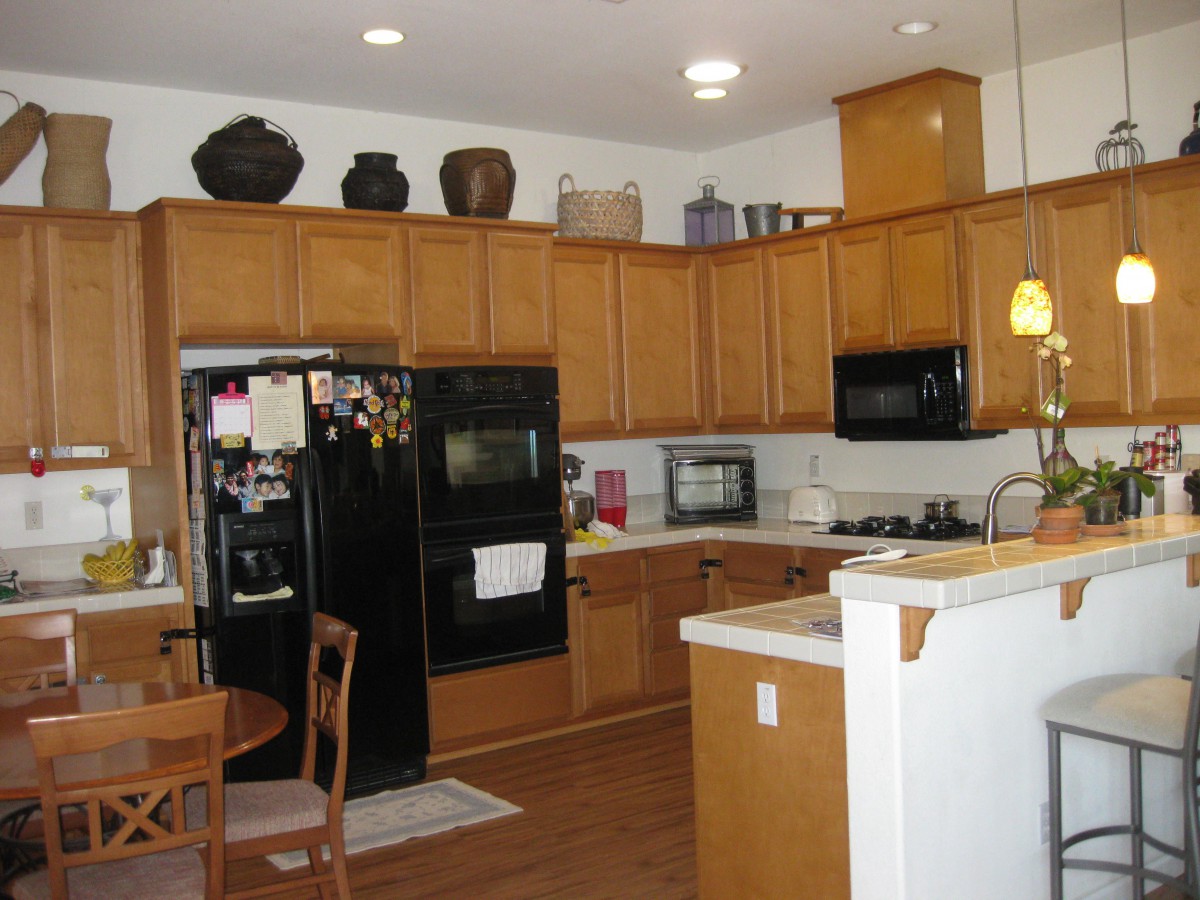
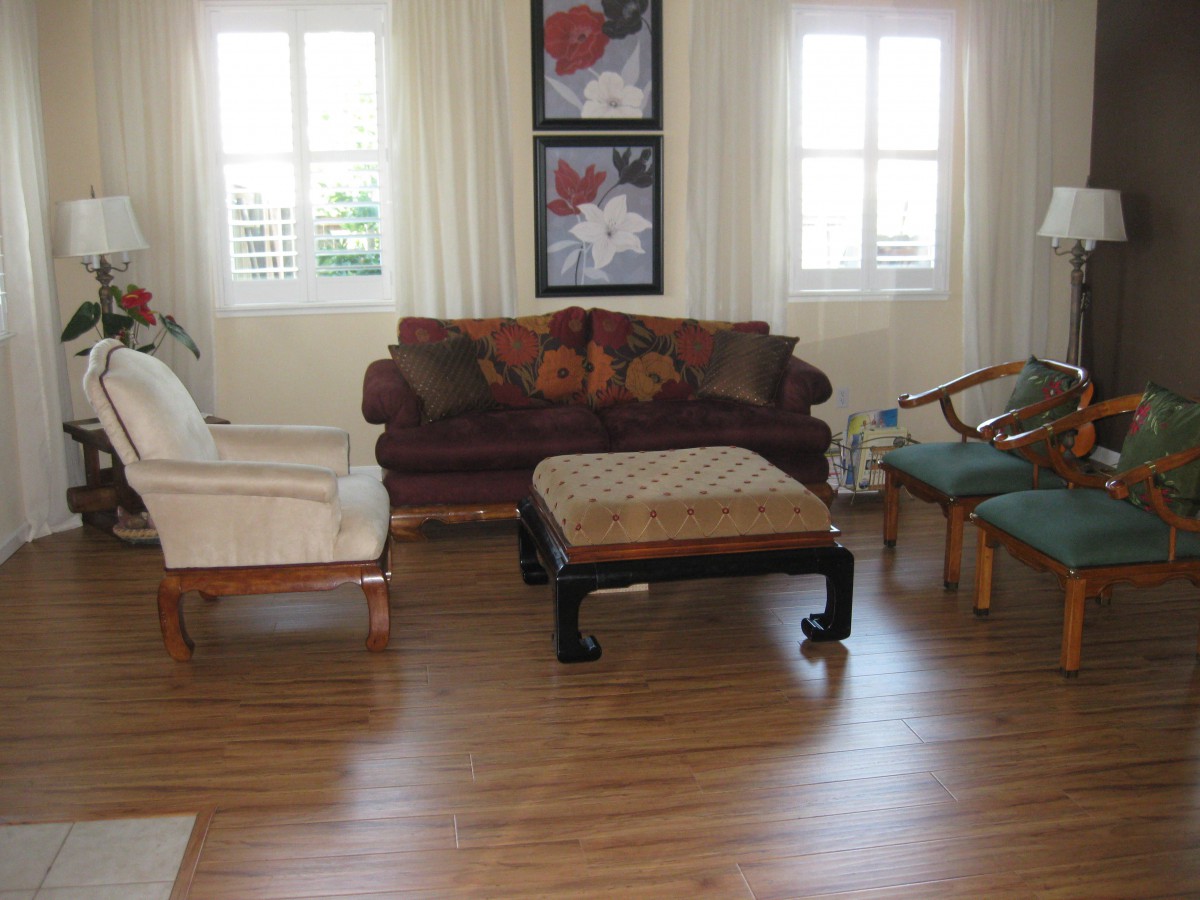
 Indoor common areas
 Outdoor common areas
 Private
 Private bathrooms
 Respite or short term stays offered
 Swimming pool / hot tub
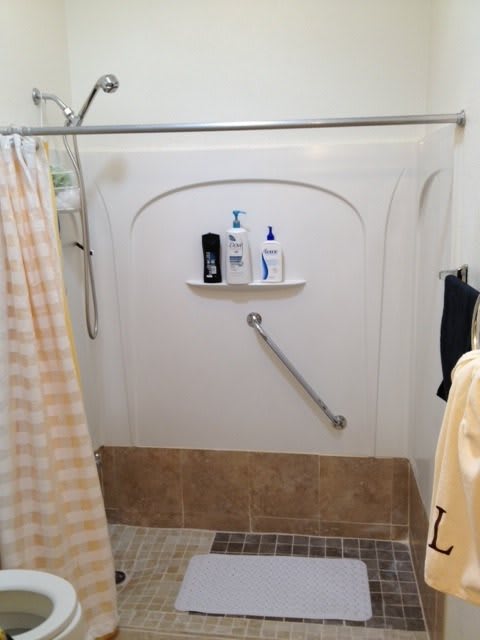
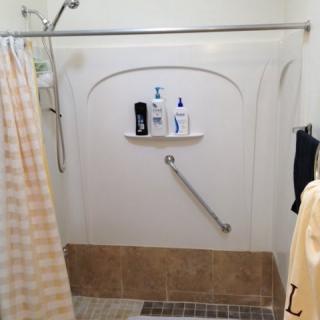
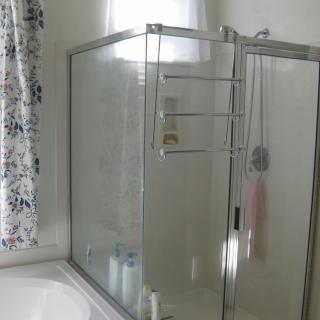
 Wheelchair accessible showers
 Sacramento International (20 miles away)
 Ambulatory care
 High acuity care
 Incontinence care
 Medication management
 Meals provided




 Delirium and Dementia: Unraveling the Key Differences
 Are Dementia and Alzheimer's Disease Lethal? A Comprehensive Exploration
 Exploring the Power of Reminiscence Therapy for Individuals With Dementia