
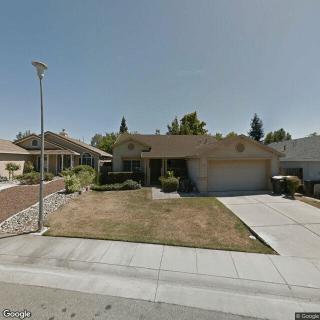
8410 Terracotta Circle, Sacramento, CA 95624
For more information about senior living options: (866) 208-4318
Overall Review of Grove Home Care
Pros
 The management is very responsive and communicative.
- They care for the well-being of the residents.
- The caregivers are well trained.
Review
Grove Home Care in Sacramento is best suited for families prioritizing a tightly run, resident-centered environment where leadership is quick to respond and caregiving is delivered by staff who are well trained. The community’s appeal rests on a management team that communicates clearly and places the residents’ well-being at the forefront, paired with caregivers who demonstrate solid competence in daily care tasks. This combination tends to yield a predictable day-to-day experience: reliable caregiving, proactive problem-solving, and a sense that someone is watching over the whole well-being picture. For seniors who prefer a smaller-community feel with direct access to administration and a focus on steady, attentive care, Grove offers a pragmatic, no-frills alignment between oversight and bedside service. In Sacramento’s crowded landscape, that direct line from office to bedside matters when families navigate transitions.
Those weighing Grove should acknowledge that this community may not be the best fit for everyone, particularly for families requiring extensive medical oversight or a broad, highly active program slate. There is no indication of continuous on-site nursing coverage, and the single positive review provides limited detail on daily medical support. For residents who need memory-care specialization, extensive activity calendars, transportation to appointments, or a vibrant social scene, alternatives with broader programming could prove more suitable. The absence of transparent pricing or documented service levels also leaves open questions about value. If care needs are likely to escalate or require integrated medical partnerships, larger facilities or communities with specialized wings may offer greater peace of mind.
The strongest positives center on leadership and staff quality. A responsive, communicative management team reduces family anxiety and helps align care with evolving needs, while well-trained caregivers translate into safer routines, accurate medication handling, and reliable responses during emergencies. When leadership and frontline staff operate in sync, the risk of back-and-forth miscommunication diminishes, and residents experience steadier days and fewer disruptions. This combination can deliver meaningful consistency across shifts, which often translates into better safety and a calmer home-like atmosphere. If maintained, these elements can offset the absence of broader programmatic extras and render core care predictable, trustworthy, and genuinely comforting for residents and families alike.
Still, the data set supporting Grove’s performance is sparse, and that sparse footprint invites careful scrutiny. Without a wider array of resident experiences, questions remain about activity depth, meal quality, and overall resident satisfaction beyond the single review. Details about staff-to-resident ratios, shift coverage, and the presence of licensed nurses on site are missing, making it hard to gauge readiness for higher-acuity needs. Financial terms, contract flexibility, and what happens as health declines are not spelled out. Practical questions about transportation, outside-provider flexibility, weekend communication, and escalation paths warrant direct inquiry. Prospective residents should request a live shift observation, a sample care plan, and transparent pricing to establish a solid baseline before committing.
To decide effectively, families should pursue structured visits and perform apples-to-apples comparisons with viable contenders. In conversations, demand specifics on staff qualifications, ongoing training programs, emergency protocols, and the exact services offered (rehab, wound care, memory support, medication management). Verify licensing status, accreditation where applicable, and request resident references or validated tour notes. Probe the administrator’s communication cadence and how concerns are escalated, especially during weekends. When weighing Grove against alternatives, weigh the leadership responsiveness and caregiver competence against the value of broader medical oversight, richer amenities, or a larger community footprint. Location, hospital proximity, transportation options, monthly costs, and any long-term commitment requirements should all factor into the decision.
Overall, Grove Home Care presents a grounded, practical option for families prioritizing dependable daily care and open leadership. The signals point to a compassionate environment where capable caregivers operate under a management team that keeps lines of communication open. For seniors with steady, lower-acuity needs and families seeking predictable interactions and responsive problem-solving, this arrangement can deliver solid day-to-day quality. However, the lack of breadth in publicly available data means one should not assume a perfect fit for higher medical needs or extensive programming without verification. If the priority is immediate responsiveness and caregiver competence, Grove is worth pursuing with earnest questions and a structured trial period. If higher medical support, more elaborate programming, or a larger community footprint are non-negotiable, broaden the search and compare carefully.
 6 resident community capacity
 Assisted Living
 Cable or satellite TV
 Dining room
 Fully furnished
 Garden
 Housekeeping services
 Move-in coordination
 Outdoor space
 Telephone
 Wi-Fi/high-speed internet available
 Sacramento International (21 miles away)
 24-hour supervision
 Activities of daily living assistance
 Assistance with bathing
 Assistance with dressing
 Assistance with transfers
 Diabetes diet
 Meal preparation and service
 Medication management
 Special dietary restrictions
 Transportation arrangement (medical)
 Transportation to doctors appointments



 Assisted Living and Memory Care: Understanding Their Core Differences
 Beyond the Bingo Hall: 50+ Enriching Activities for Seniors in Assisted Living
 Understanding the Distinctions: Assisted Living and Memory Care Explained