

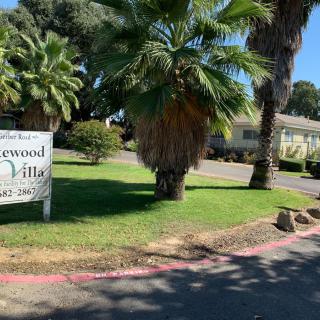
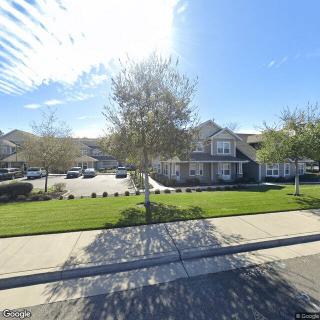
9173 Lucchesi Drive, Sacramento, CA 95829
To contact a resident: (916) 682-0501
For more information about senior living options: (866) 208-4318
Smile House Costs & Pricing
Smile House offers a compelling value for both semi-private and private room accommodations, especially when compared to the costs in Sacramento County and across California. With monthly rates of $1,800 for semi-private rooms and $2,000 for private rooms, Smile House significantly undercuts the average expenses in Sacramento County - $3,106 for semi-private and $3,686 for private - and even more so against the state averages of $3,333 and $3,939 respectively. This pricing not only reflects Smile House's commitment to providing affordable care but also highlights its competitive position within the region and state, ensuring that residents can access quality housing without overstretching their budgets.
| Floor plans | Smile House | Sacramento County | California |
|---|---|---|---|
| Semi-Private | $1,800 | $3,106 | $3,333 |
| Private | $2,000 | $3,686 | $3,939 |
Senior living communities with a similar price nearby
-
from +$200 / mo
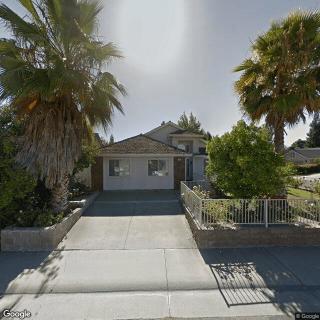
Antelope Hills Home Care
$2,000 to $2,500 / month17.3 miles away -
from +$100 / mo

Bloomfield Hills Assisted Living
$1,900 to $2,400 / month18.4 miles away -
from -$300 / mo

Flora Care Home
$1,500 to $2,000 / month13.5 miles away -
About the same

Ciric Care Home
$1,800 to $2,800 / month12.8 miles away -
from -$300 / mo

Optimum Senior Care Home
$1,500 to $2,500 / month22.5 miles away
Overall Review of Smile House
Pros
 It is a good place to buy goods.
- The younger guy who works there is very nice.
- It is a great place to get Korean ergonomic pillows.
- They have baby pillows and socks.
- Kerasys conditioner and shampoo work great.
Cons
 The reviewer found the staff rude, especially a Korean woman working there.
- The Korean woman followed customers, sneaked glances at them, and told them to put things down because they might break.
- She leaned in close and asked what the customers were looking for, with a tone implying, “What are you doing here?”
- The reviewer walked out, and she didn’t say anything in response.
- They would rather go to Oto’s Jap store.
- The store only had basic Korean items.
Review
Smile House in Sacramento is best suited for seniors who value easy access to a concentrated selection of Korean daily essentials and comfort goods within a compact, home-like setting. For residents who prize practicality over pampering, the on-site shopping vibe, covering items from ergonomic pillows to red ginseng, green tea, and kimchi refrigeration, can simplify daily routines and support comfort-oriented living. The overall score is solid, anchored by a strong majority of five-star notes, signaling that for many residents the shopping-and-living fusion meets real needs without demanding a broad, resort-like amenity slate.
Nevertheless, this community is not for everyone. Families prioritizing robust, medicalized assisted living, extensive social programming, or a wide-ranging health-services footprint should consider alternatives. The available evidence points to a focus on goods and everyday conveniences rather than comprehensive care offerings. One notable caveat from the feedback is a single, negative interpersonal experience with a staff member, described as brusque and intrusive. While it may not define the entire culture, it signals that staff interactions can swing from helpful to vaguely off-putting, depending on the moment and the person at the counter.
The strongest positives lie in the practical perks that directly support daily living. A well-curated assortment of Korean items, ranging from ergonomic pillows and baby accessories to cosmetics and blankets, gives residents a sense of familiarity and comfort without needing to travel elsewhere. The presence of niche appliances like a kimchi refrigerator and a selection of familiar groceries, alongside wellness-oriented goods like red ginseng and electric blankets, means daily routines can be sustained with less friction. A notably helpful younger staff member adds a small but meaningful edge in creating a smooth, user-friendly experience for first-time visitors and regulars alike.
These strengths, however, do not fully neutralize the main trade-off: the environment appears to function more as a practical shopping-and-living hub than as a full-service assisted living community. Families should weigh the appeal of a limited, culturally focused inventory against the desire for broader caregiving services, stronger medical oversight, and more active programming. The mixed-notes on staff behavior underscore the risk that one-on-one interactions may vary, potentially impacting daily comfort if care expectations rise or if frequent guidance is needed. In short, the store-forward model works well for steady, low-to-moderate support needs but not as a stand-in for a comprehensive care plan.
For families making a decision, a visit is essential to calibrate fit. Observe how staff respond to routine inquiries, how residents move through the space, and whether the vibe feels orderly and respectful across hours and shifts. Ask specifically about any medical or daily-care services associated with Smile House, how care coordination would work if needs escalate, and what options exist if a resident’s shopping and comfort needs grow beyond the current product mix. Also inquire about consistency in staffing and whether there are avenues to address negative experiences promptly and constructively.
Bottom line: Smile House stands out for seniors who want practical, culturally familiar daily goods integrated into a living environment, with the convenience of a focused product lineup and approachable staff. It earns its solid rating by delivering tangible perks that support routine, comfort, and a sense of belonging. However, for families prioritizing comprehensive care, medical reliability, and a broad array of programming, alternatives are worth exploring. A candid site visit paired with direct conversations about care expectations will reveal whether Smile House is the right fit or if a higher-service option better aligns with the family’s long-term care goals.
 Board and Care Home
 Private
 Sacramento International (21 miles away)

 Caring for Those Who Care: Recognizing, Understanding, and Overcoming Caregiver Burnout
 Caregiver Exhaustion: Recognizing the Signs and Restoring Your Well-Being
 Understanding Hospice Care at Home: Comprehensive Services, Key Benefits, and Eligibility