

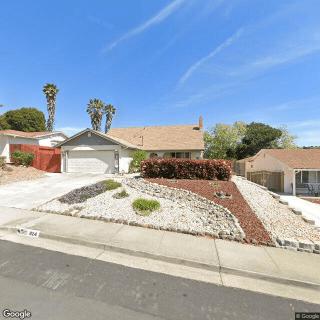
985 Coral Ridge Circle, Rodeo, CA 94572
For more information about senior living options: (866) 208-4318
Priority Care Home I Costs & Pricing
Priority Care Home I offers competitive pricing for its residential care options, particularly when compared to the broader market in Contra Costa County and the state of California. For a semi-private room, Priority Care Home I charges $2,000 per month, significantly lower than the county average of $3,471 and the state average of $3,333. The studio accommodations are available at $3,000, again proving to be more economical than both the county's rate of $4,358 and California's rate of $4,145. Similarly, private rooms at Priority Care Home I are priced at $3,000 each month; this is still more affordable than the county's average of $4,088 and slightly below the statewide figure of $3,939. Overall, Priority Care Home I provides a cost-effective alternative within a landscape where care expenses can be quite high.
| Floor plans | Priority Care Home I | Contra Costa County | California |
|---|---|---|---|
| Semi-Private | $2,000 | $3,471 | $3,333 |
| Studio | $3,000 | $4,358 | $4,145 |
| Private | $3,000 | $4,088 | $3,939 |
Memory care communities with a similar price nearby
-
from -$225 / mo
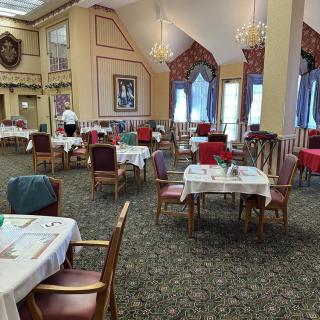
El Cerrito Royale
$1,775 to $3,775 / month7.6 miles away -
from -$100 / mo
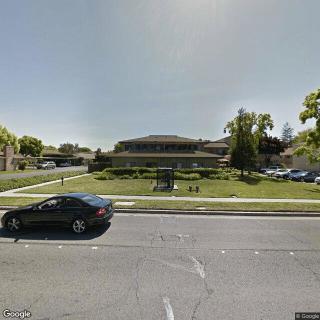
Concord Royale
$1,900 to $4,900 / month15.0 miles away -
from +$200 / mo
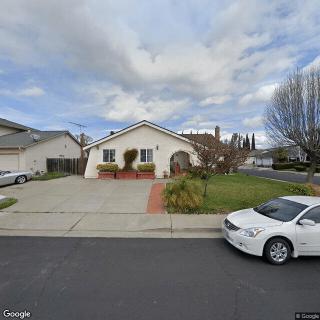
Dover Valley Residential Care Home
$2,200 to $3,000 / month22.2 miles away -
from -$200 / mo

R & N Middleton Residential Care Home #3
$1,800 / month14.5 miles away -
from +$200 / mo
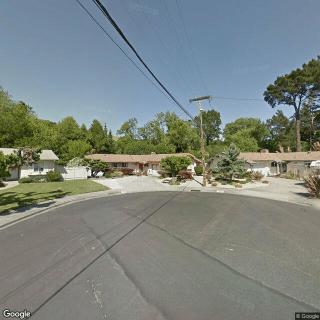
Granada Care Home No 1
$2,200 to $3,500 / month2.6 miles away
Overall Review of Priority Care Home I
Pros
 The facility was very nice and the staff did very well when their loved one was there.
- They really liked the facility.
- The facility had been recommended to them by A Place for Mom after a phone call.
- They were glad they talked to A Place for Mom because they found Priority Care Home.
- They were very pleased with the level of care their loved one was receiving while there.
Review
Priority Care Home I in Rodeo, California is best suited for families seeking a small, home-like setting where personalized attention and hands-on care are the top priority. The review highlights a warm environment and a level of care that feels direct and attentive, which tends to appeal to families who want their loved ones treated with a calm, individualized approach rather than a large, impersonal campus. This community is likely to resonate with relatives who value easy access to staff, frequent check-ins, and a homier atmosphere that can make transitions into care less daunting and more reassuring.
However, families weighing alternatives will want to consider whether a larger, more structured facility might better meet their relative’s needs. Those requiring intensive medical oversight, complex clinical management, or a robust, campus-wide activities program may prefer options with broader in-house services or more defined memory-care capabilities. For budget-driven decisions, larger campuses sometimes offer different pricing tiers or longer-term care packages that could alter total cost of care. In short, this is not a one-size-fits-all choice; the decision hinges on the specific health needs and lifestyle expectations of the resident.
The strongest pull of Priority Care Home I, based on the available account, is a clear emphasis on quality care delivered in a welcoming setting. The reviewer describes the care as “very good” and repeatedly notes satisfaction with how the loved one was looked after, which implies attentive staffing, consistent routines, and a focus on individual well-being. In a smaller home-like operation, this level of care often translates into higher staff-to-resident interaction, more personalized meal planning, and better responsiveness to concerns. When these elements align with a family’s expectations, the advantages can materially offset potential gaps that sometimes appear in larger facilities, such as less frequent personal updates or standardized routines that feel impersonal.
Another key strength is the referral and intake experience. The reviewer credits a helpful recommendation from a respected referral partner and a guided process that clarified next steps. This points to a smooth transition from contemplation to placement, reducing common family stress around choosing care. A Place for Mom’s involvement in the search process can be a meaningful signal to families: if a reputable intermediary has already vetted and recommended the home, it often indicates a certain baseline of reliability and customer alignment. This is valuable in practice, as a guided start can significantly shorten the uncertainty that families face when entering senior care for the first time.
With no major drawbacks surfaced in the review, prospective residents should still verify practical details during visits. Key questions to prioritize include staff hours and ratios, the structure of daily activities, medication management, and the availability of medical support or on-call nursing. Families should observe interaction quality firsthand, assess how care plans are developed and updated, and confirm what happens if a resident’s needs increase. If memory care, fall prevention, or transportation services are essential, these elements must be explicitly demonstrated in the tour. In other words, perform a direct comparison against other homes to ensure the experience matches the promise.
Overall, Priority Care Home I emerges as a compelling option for families seeking a compassionate, home-like environment with demonstrable care quality and a straightforward onboarding process. The favorable impression from a trusted referral source combined with reported strong resident care suggests this community can deliver a reassuring, dignified living arrangement for many seniors. The caveat for decision-makers remains: align the choice with the resident’s exact care needs, activity preferences, and budget, and actively compare against alternatives that offer broader medical capabilities or different living scales. For the right match, this community can provide relief, continuity, and a trusted routine during a pivotal transition.
 6 resident community capacity
 Assisted Living
 Board and Care Home
 Memory Care
 Respite Care
 Activities off-site
 Cable or satellite TV
 Devotional services off-site
 Dining room
 Fully furnished
 Garden
 Housekeeping services
 Indoor common areas
 Move-in coordination
 Outdoor common areas
 Private
 Private bathrooms
 Telephone
 Wi-Fi/high-speed internet available
 Metropolitan Oakland International (21 miles away)
 24-hour supervision
 Assistance with bathing
 Assistance with dressing
 Assistance with transfers
 Diabetes diet
 High acuity care
 Incontinence care
 Meal preparation and service
 Medication management
 Special dietary restrictions
 Transportation arrangement (medical)
 Transportation to doctors appointments




 Dementia Behaviors: In-Depth Understanding and Effective Coping Strategies
 5 Early Indicators of Dementia and What You Can Do
 8 Important Indicators That Memory Care May Be Necessary