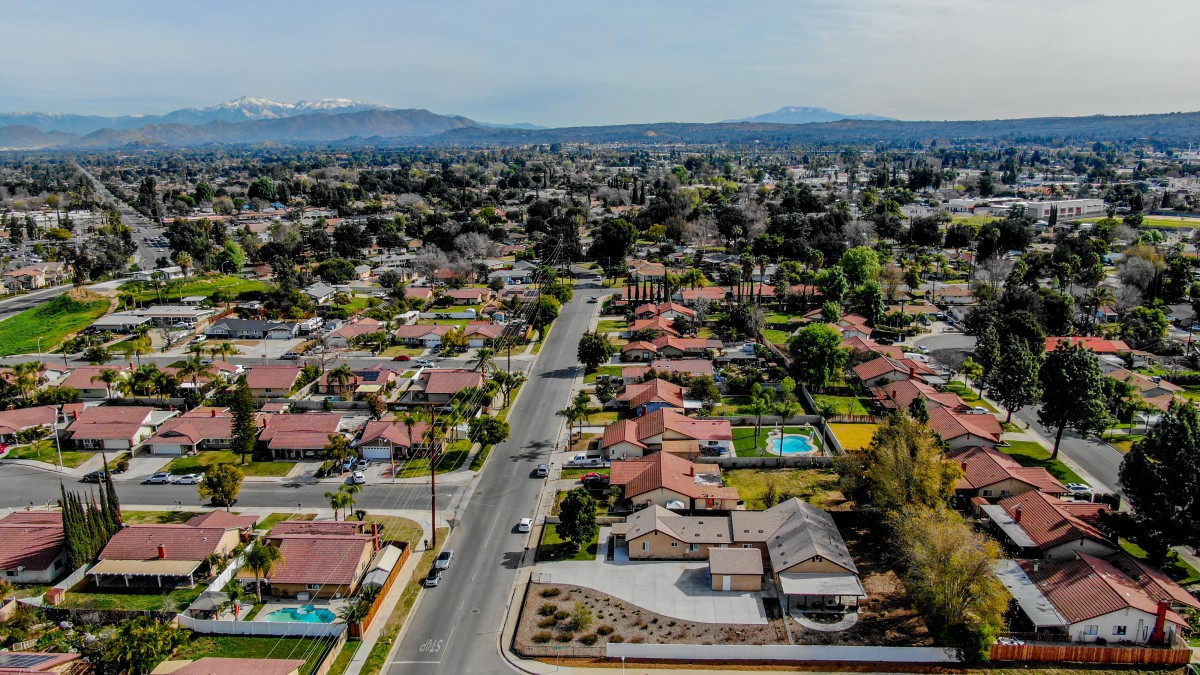
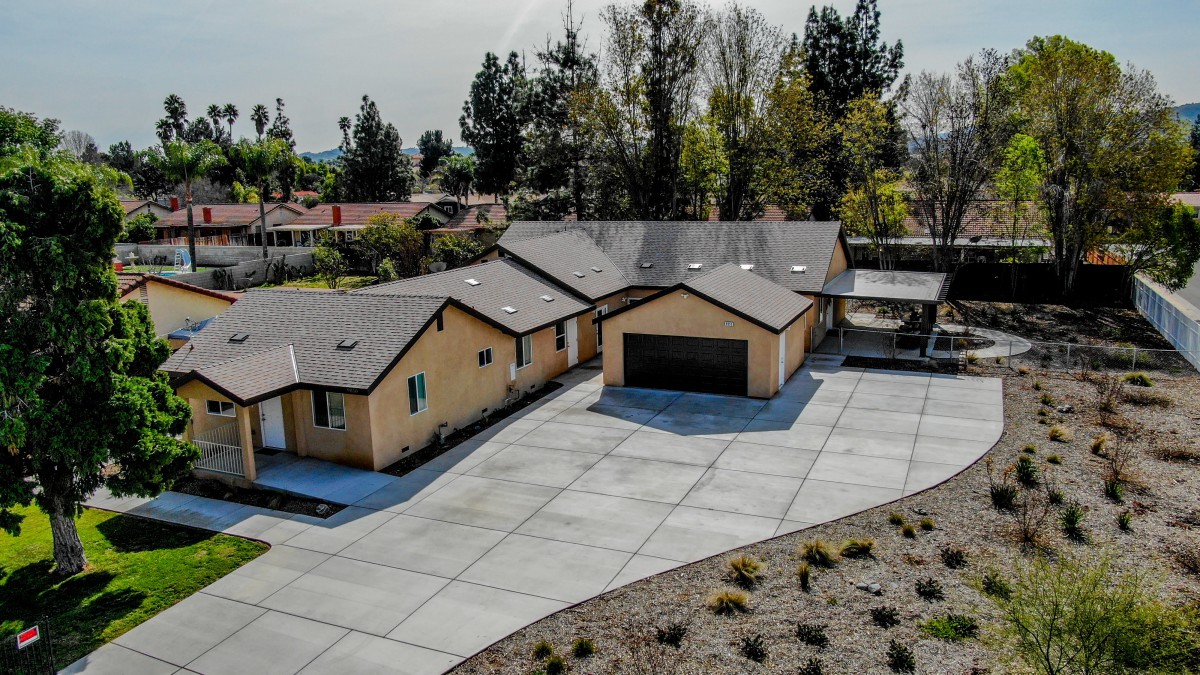
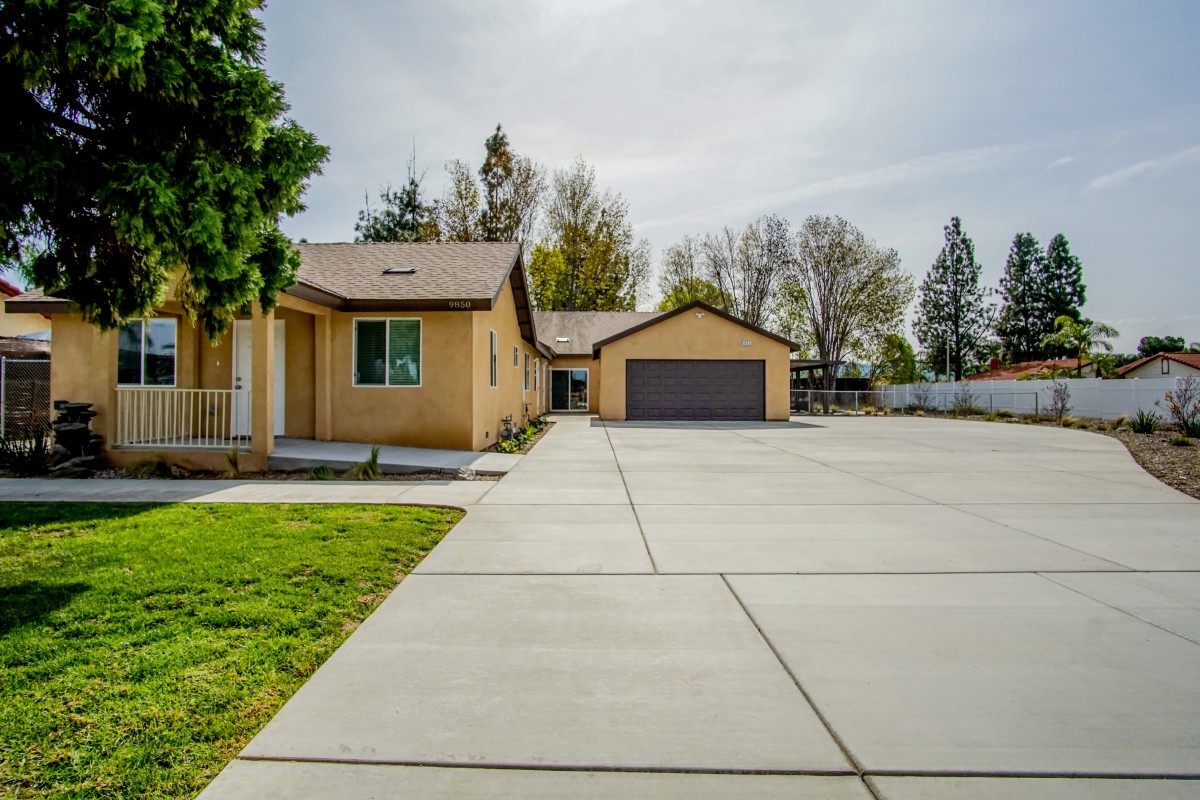
9850 Bolton Ave., Riverside, CA 92503
To contact a resident: (951) 300-2048
For more information about senior living options: (866) 208-4318
Serenity Springs Costs & Pricing
At Serenity Springs, we pride ourselves on providing competitive pricing for our residents while maintaining the highest standards of care. Our monthly costs are structured to offer value and comfort, with semi-private rooms available at $2,500 and private rooms at $3,500. When compared to Riverside County, where similar semi-private accommodations average $2,844 and private rooms are priced at $3,474, Serenity Springs stands out as an economical choice without compromising quality. Furthermore, in the broader context of California's market - where semi-private spaces average around $3,333 and private rooms can reach up to $3,939 - our rates reflect a commitment to affordability that resonates with the needs of families seeking exceptional care for their loved ones.
| Floor plans | Serenity Springs | Riverside County | California |
|---|---|---|---|
| Semi-Private | $2,500 | $2,844 | $3,333 |
| Private | $3,500 | $3,474 | $3,939 |
Senior living communities with a similar price nearby
-
from +$125 / mo

Berryman Health Inc
$2,625 to $3,050 / month22.9 miles away -
About the same
Valley Spring Elderly Care
$2,500 to $3,000 / month12.7 miles away -
from +$300 / mo
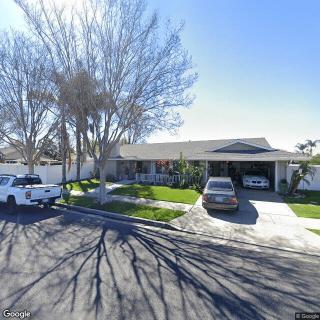
Candlewood Care Home III
$2,800 to $3,400 / month23.6 miles away -
About the same
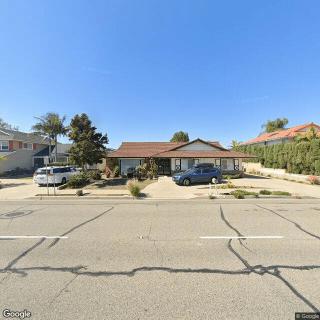
Madison Home Care 2
$2,500 to $2,800 / month23.6 miles away -
from +$300 / mo
Bianca's Home Care
$2,800 to $3,400 / month4.4 miles away
Overall Review of Serenity Springs
Pros
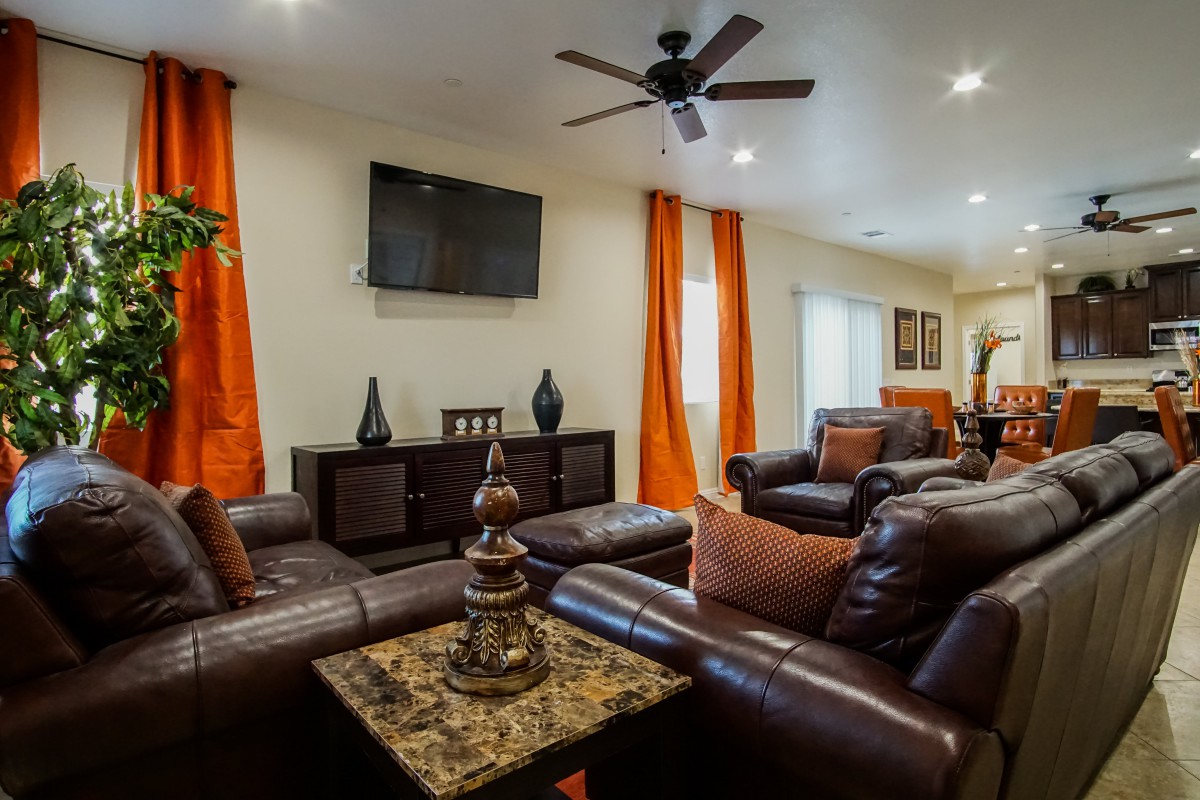
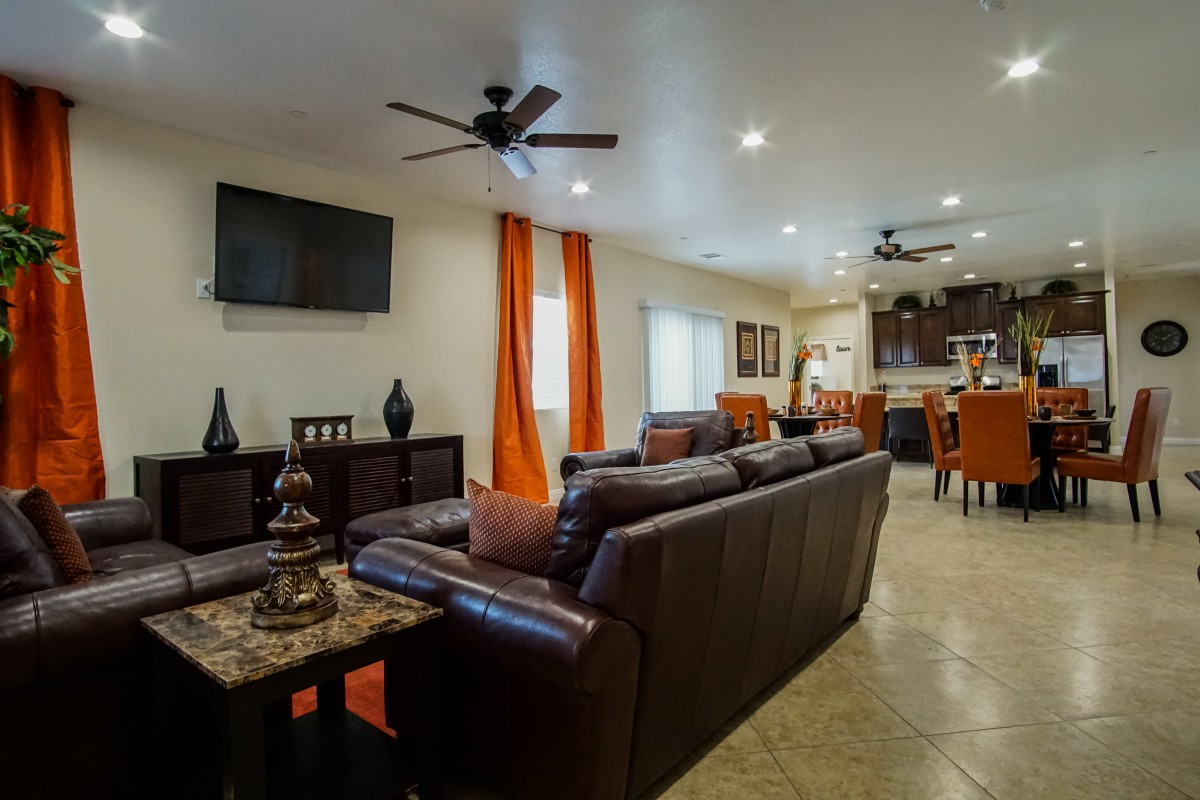
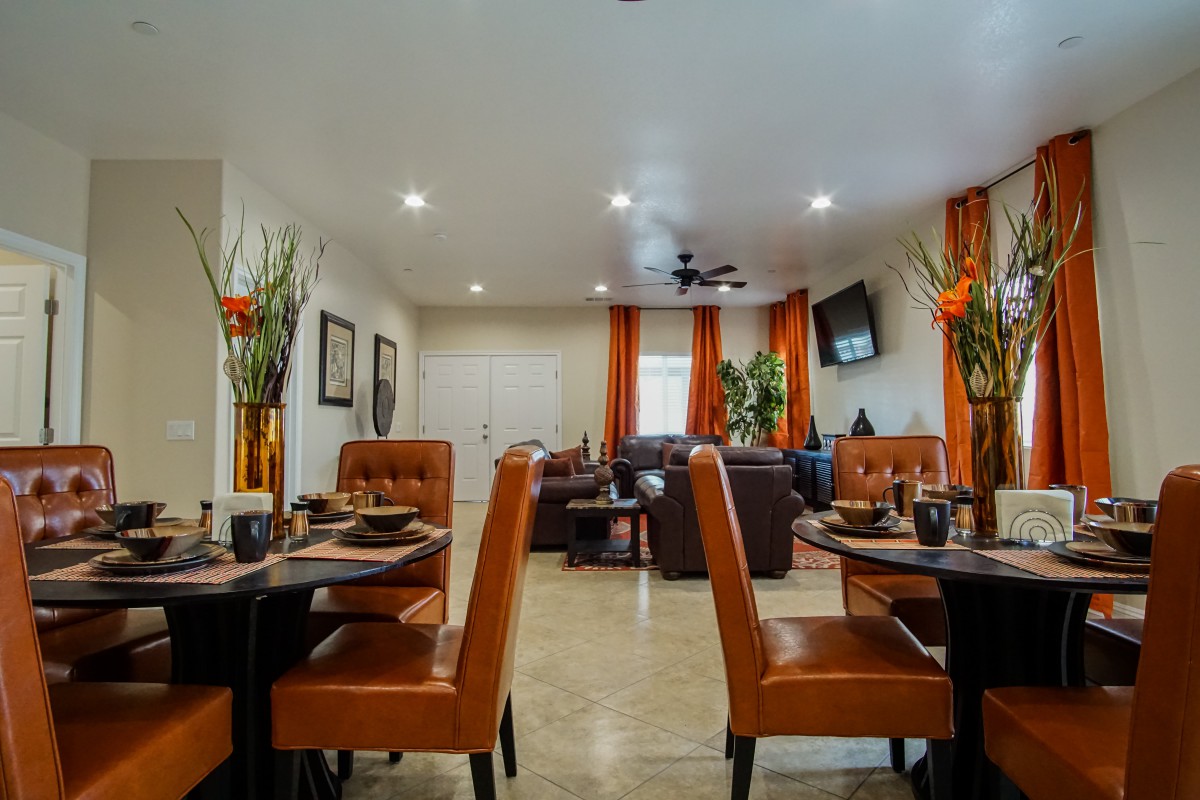
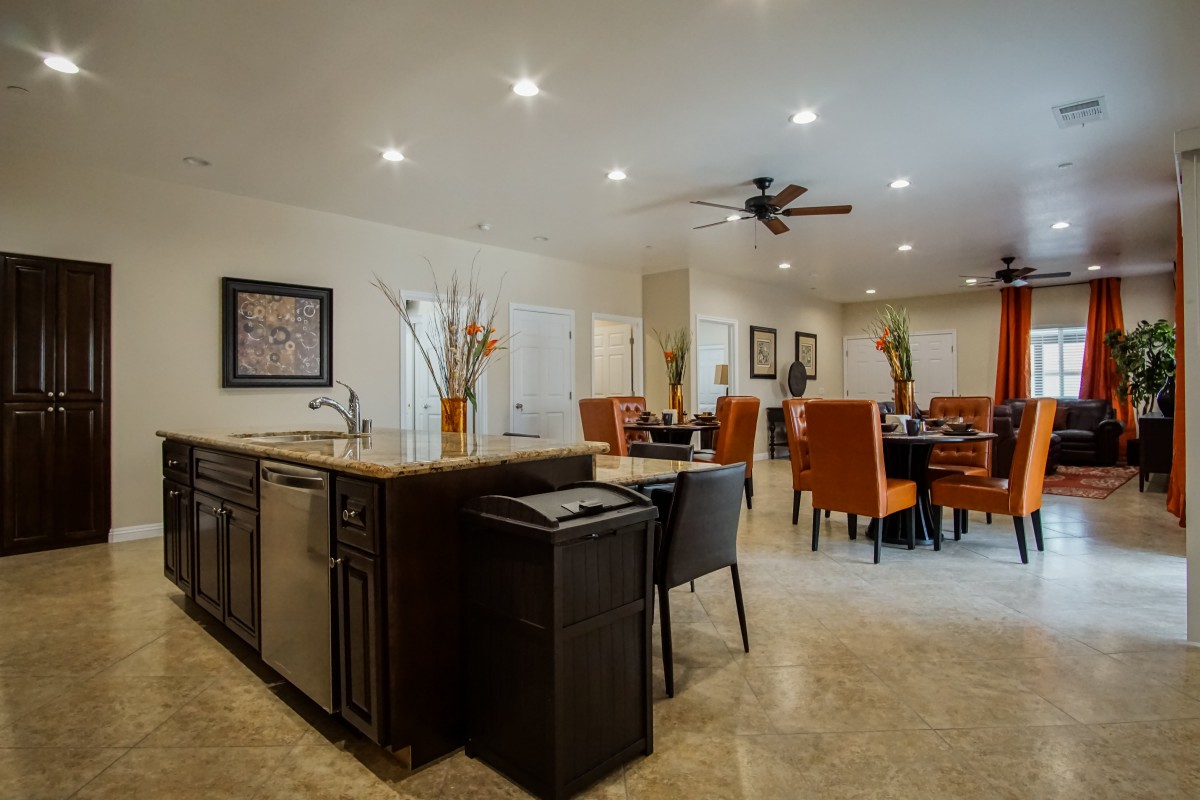
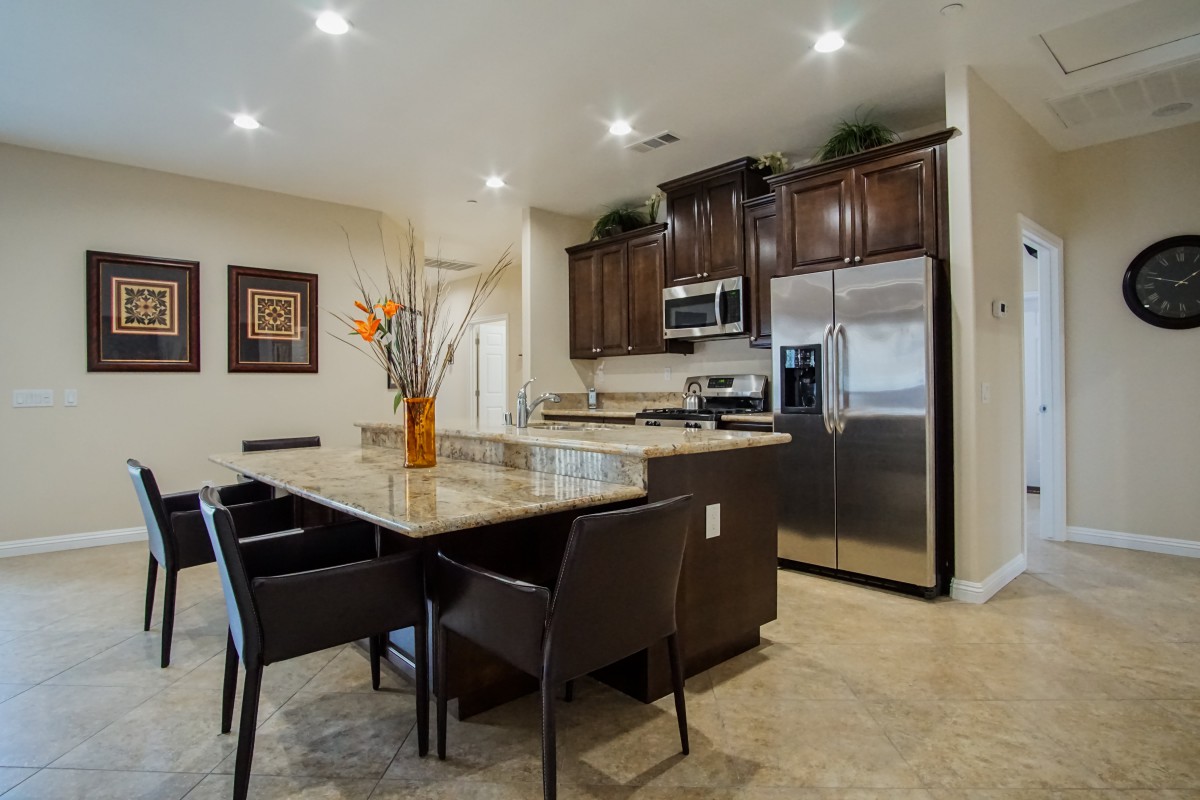
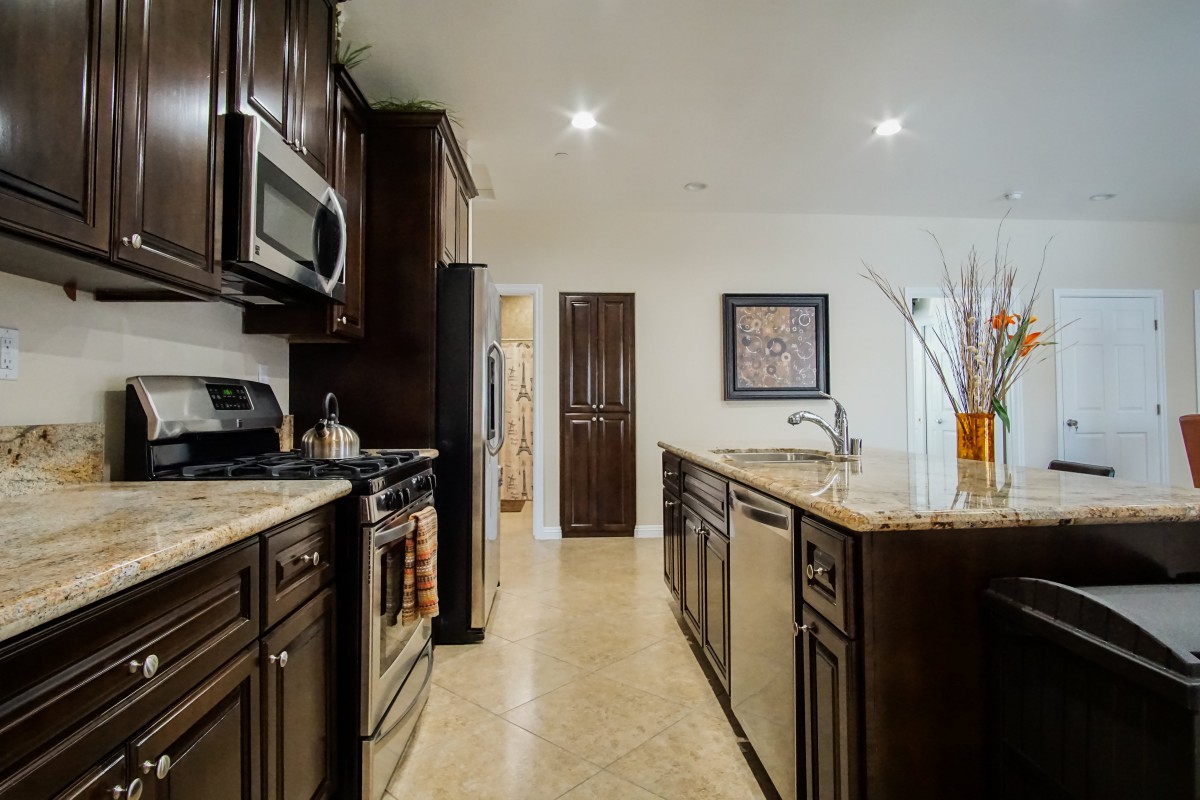
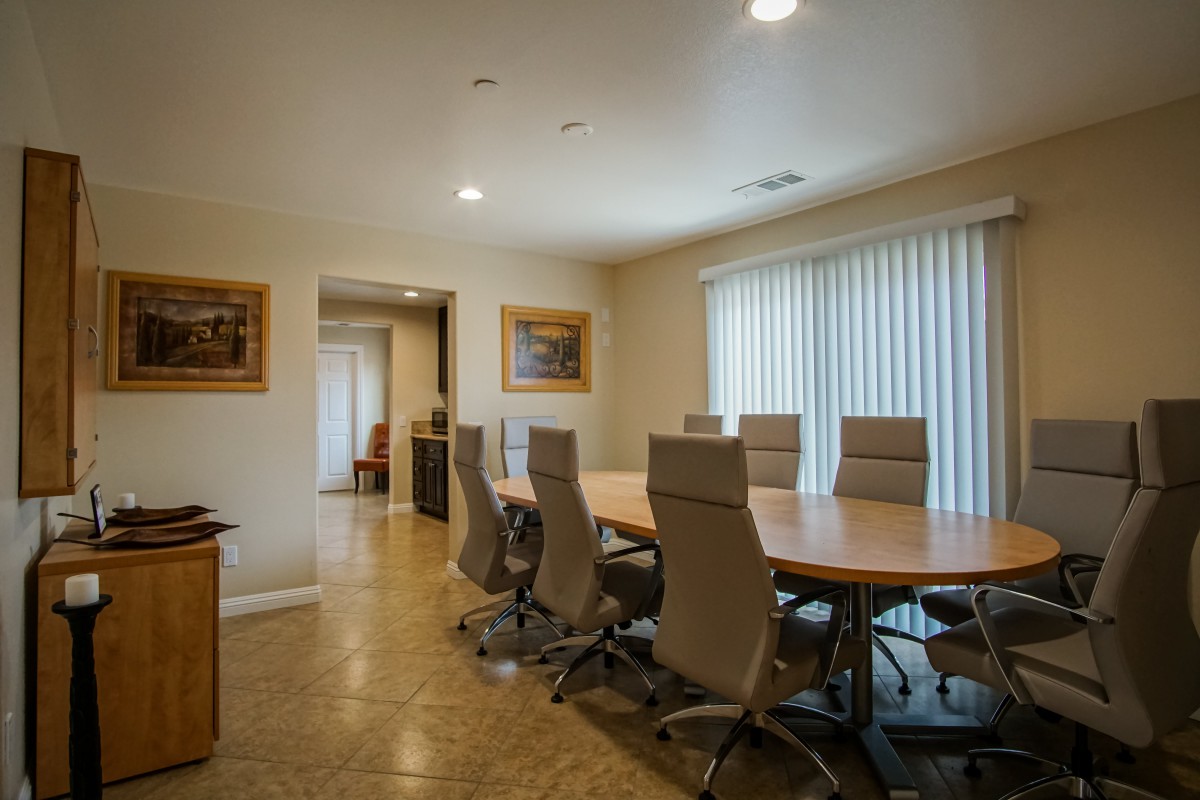
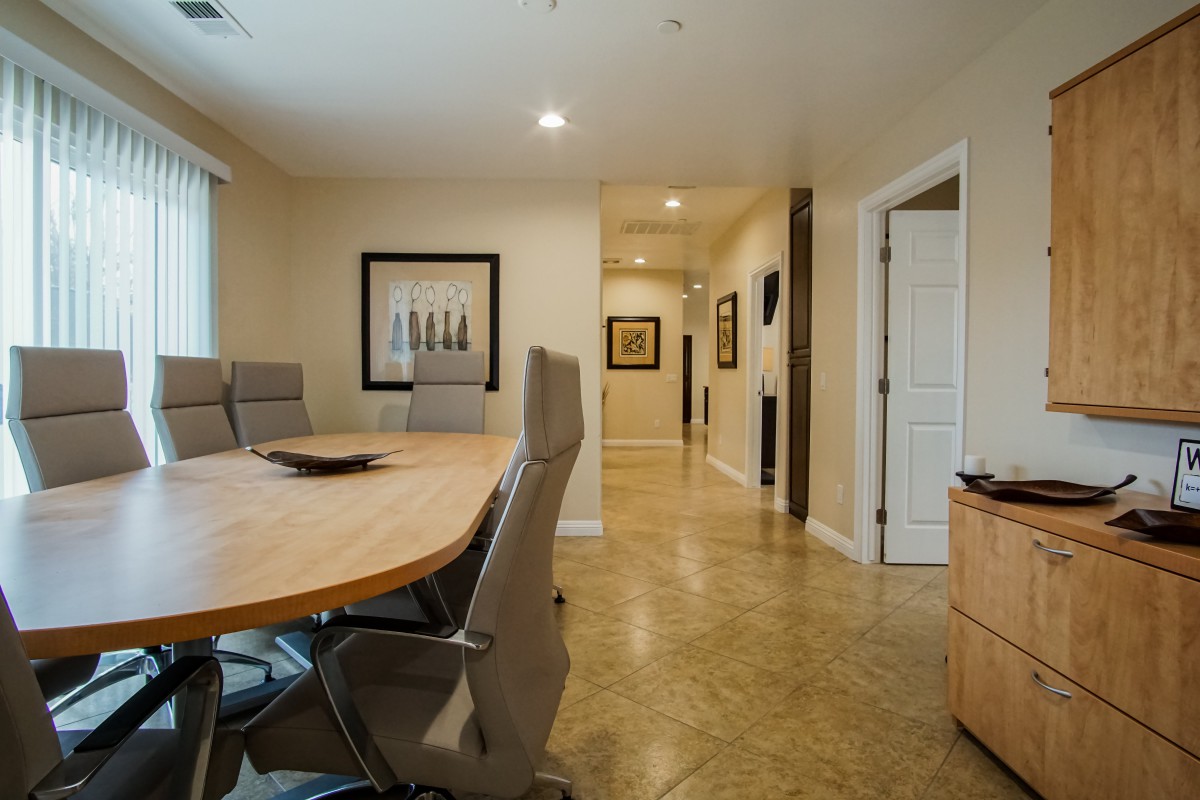
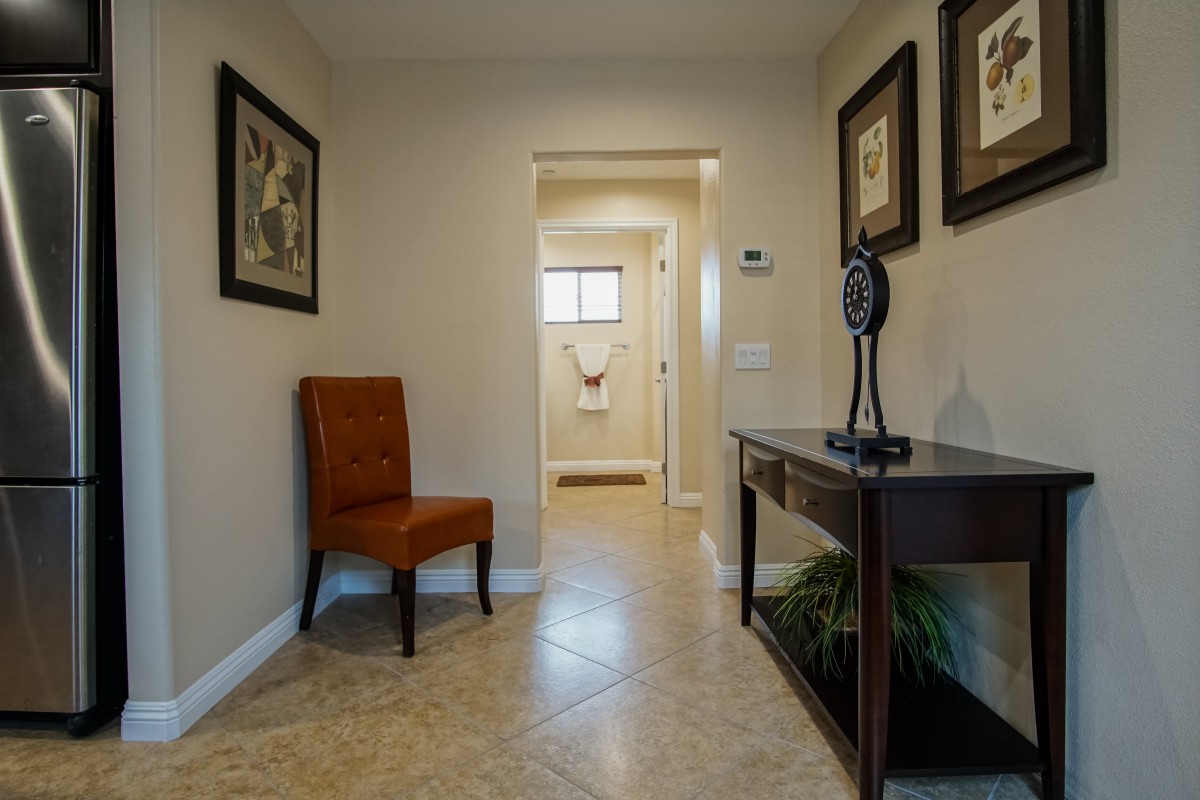
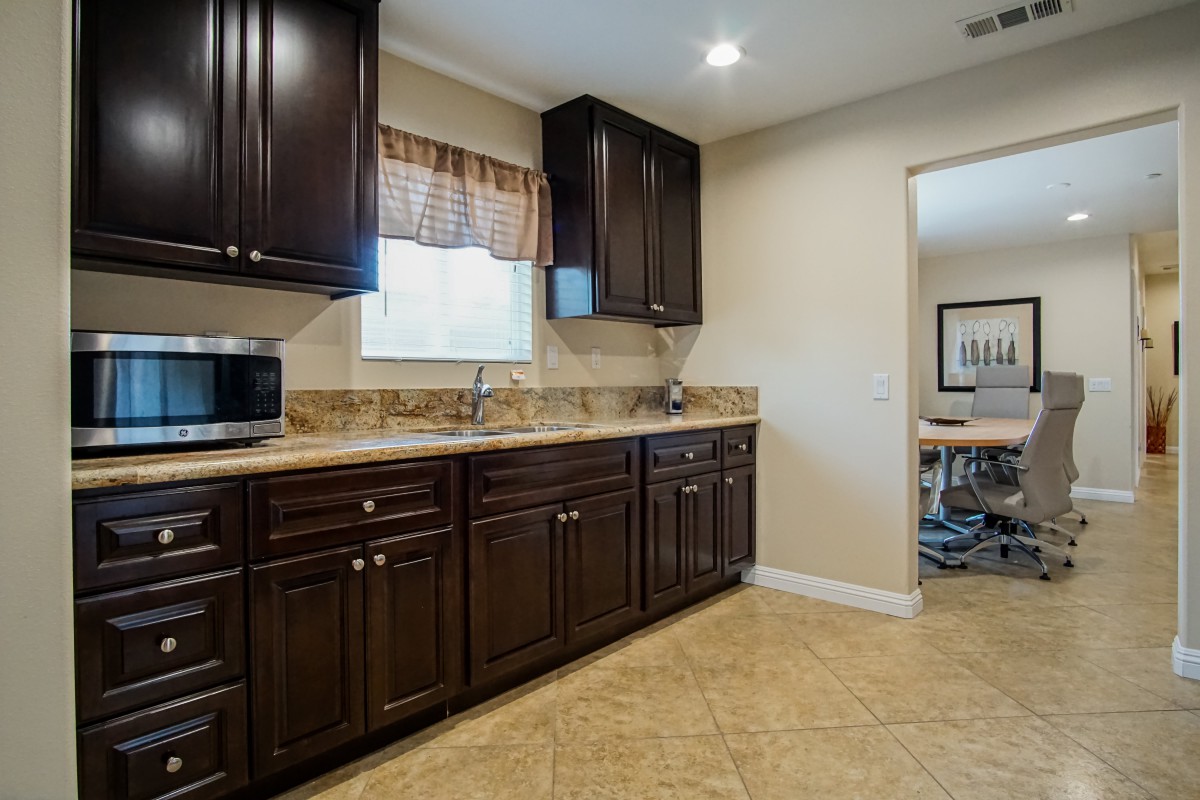
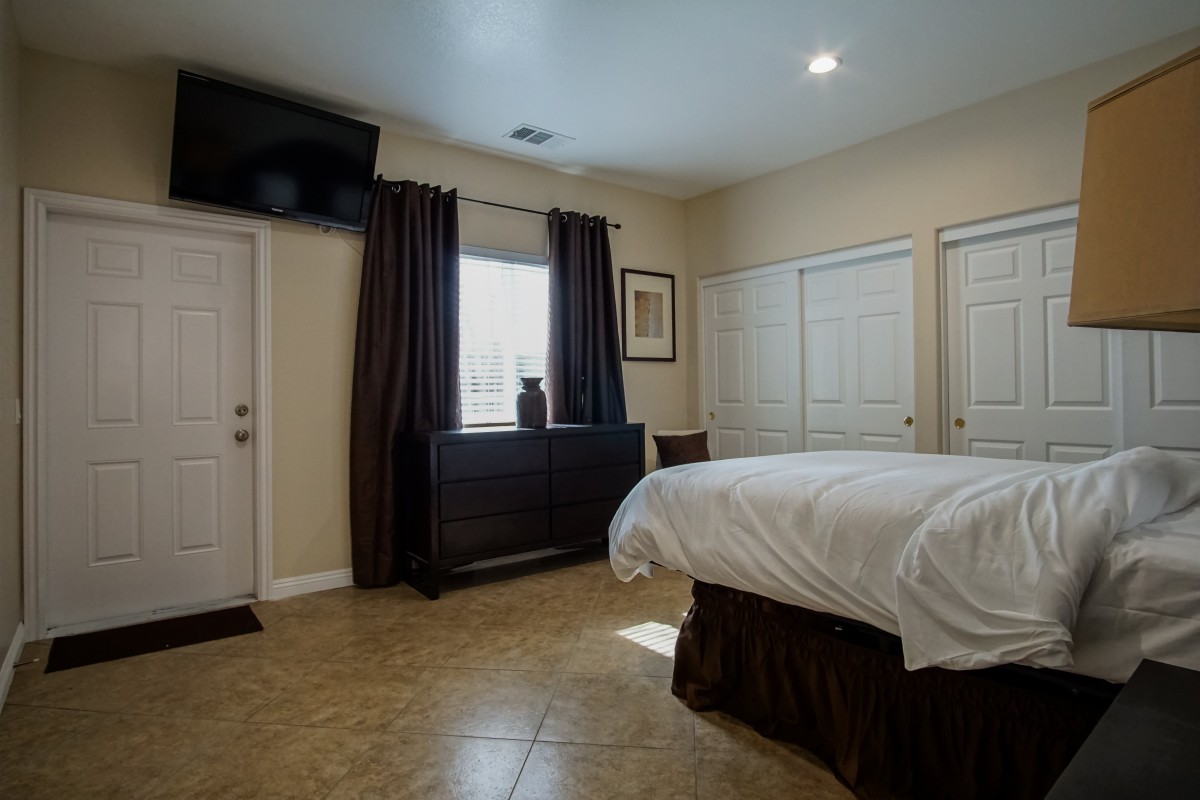
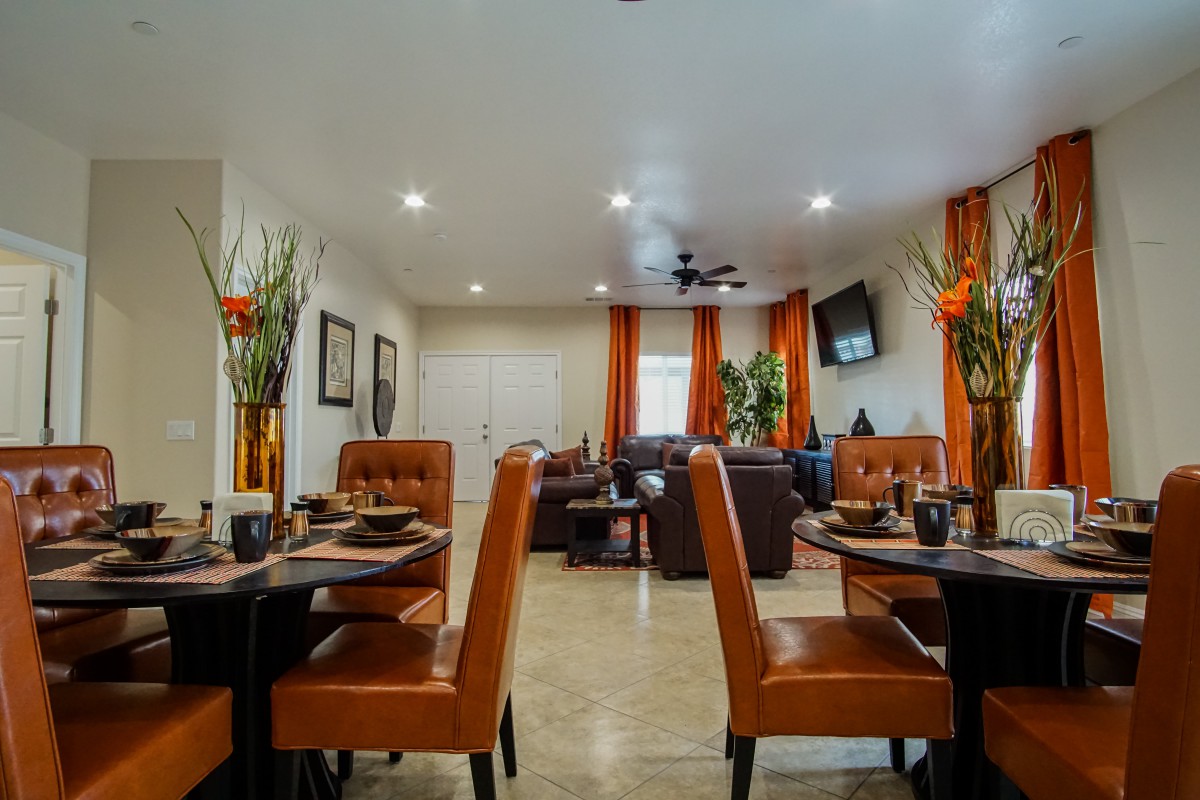
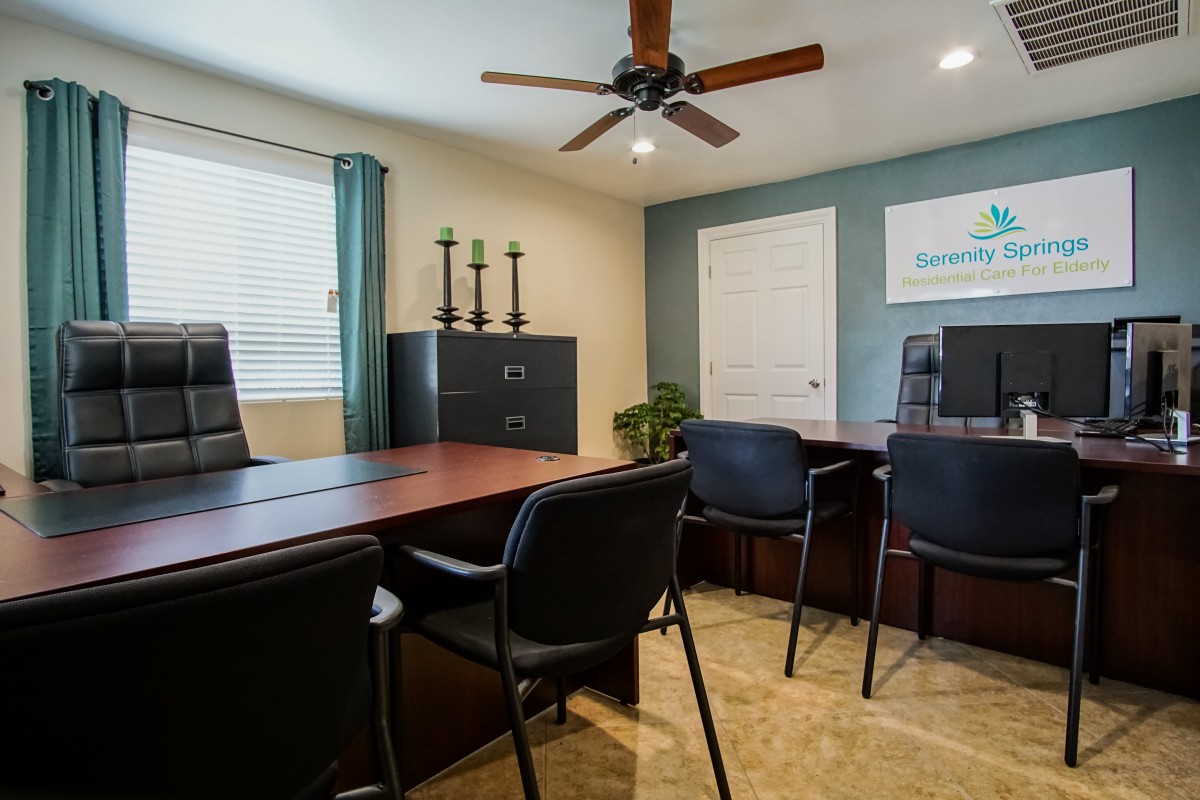
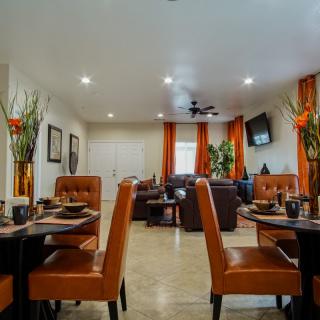
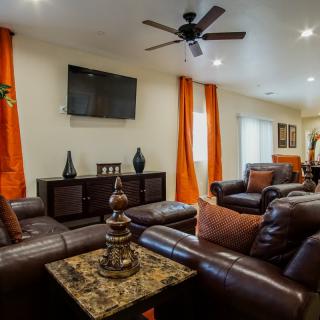
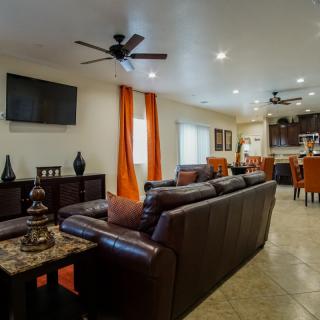
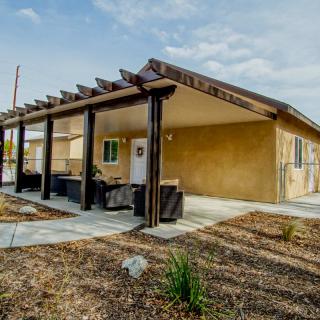
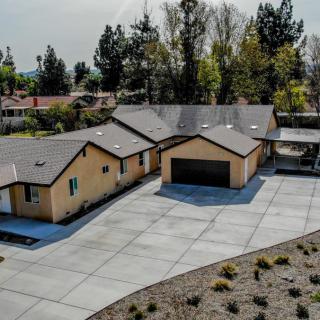
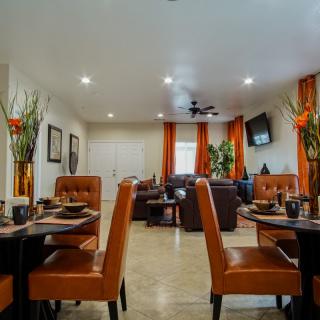
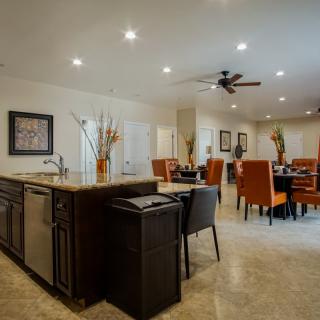
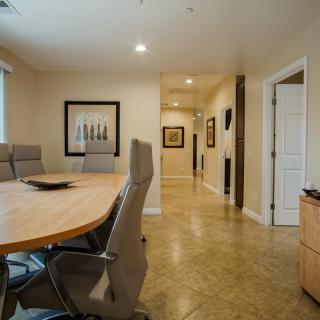
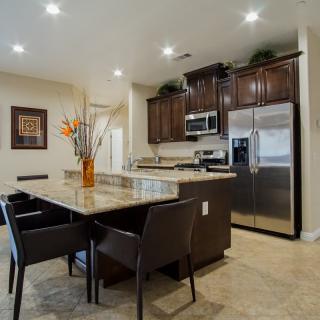
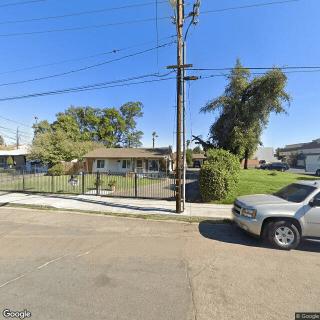
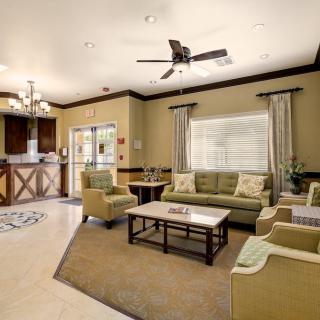
 The home is beautiful.
- The home feels luxurious.
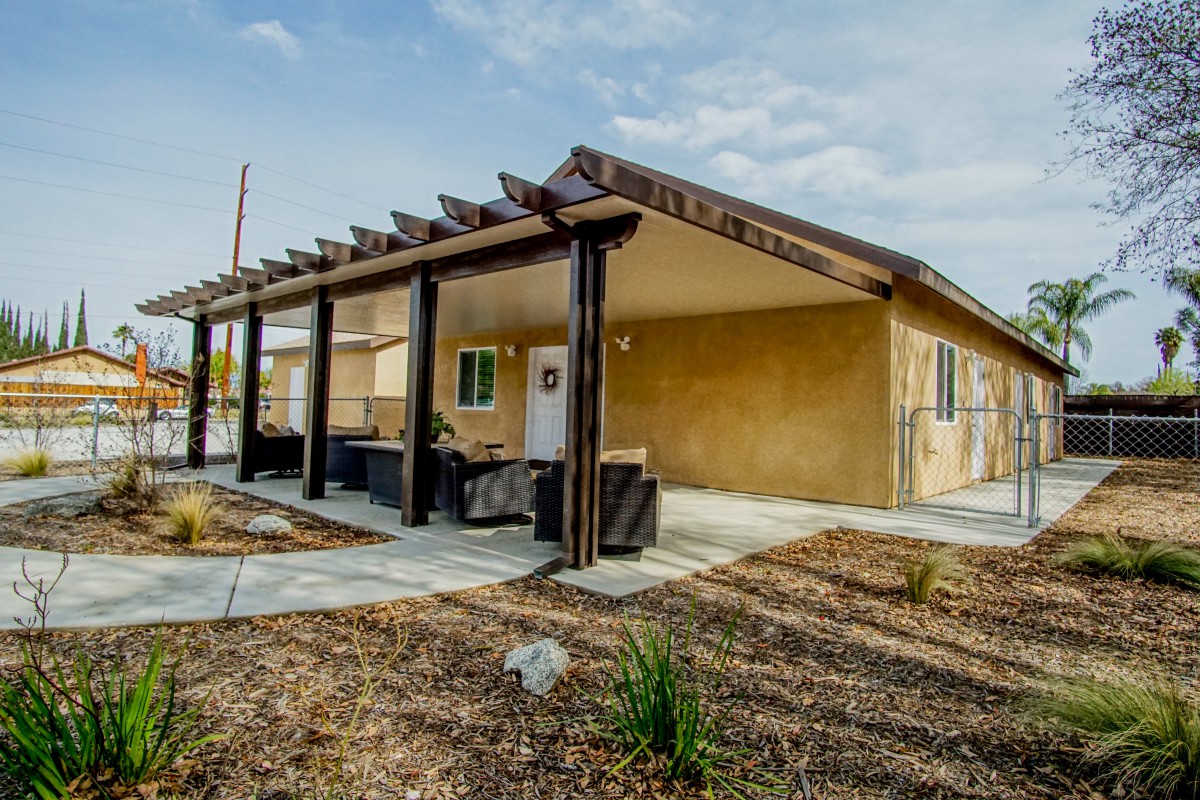
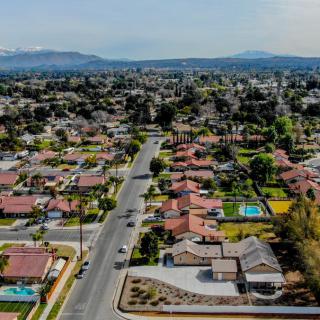
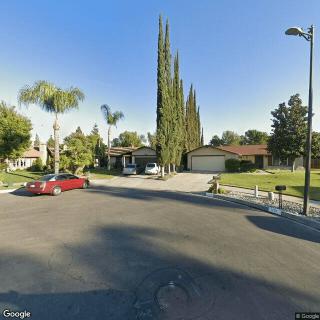
- The house is the nicest on the street.
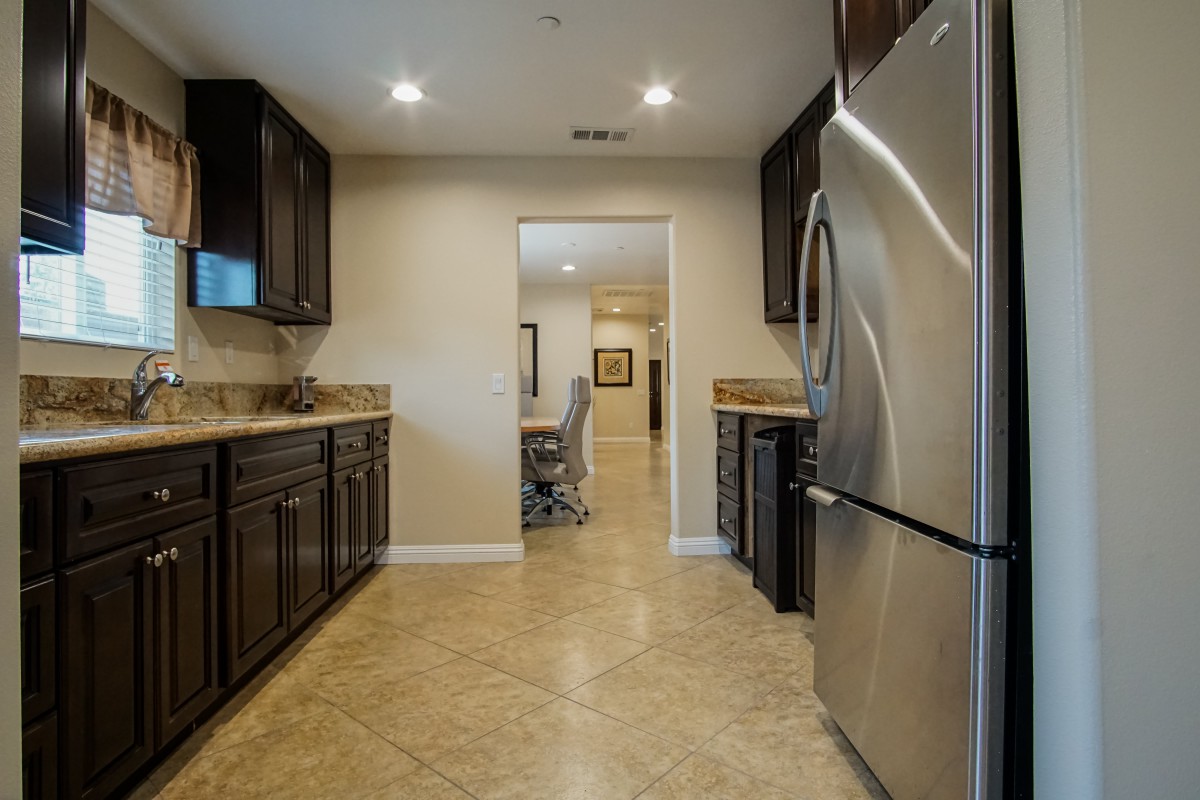
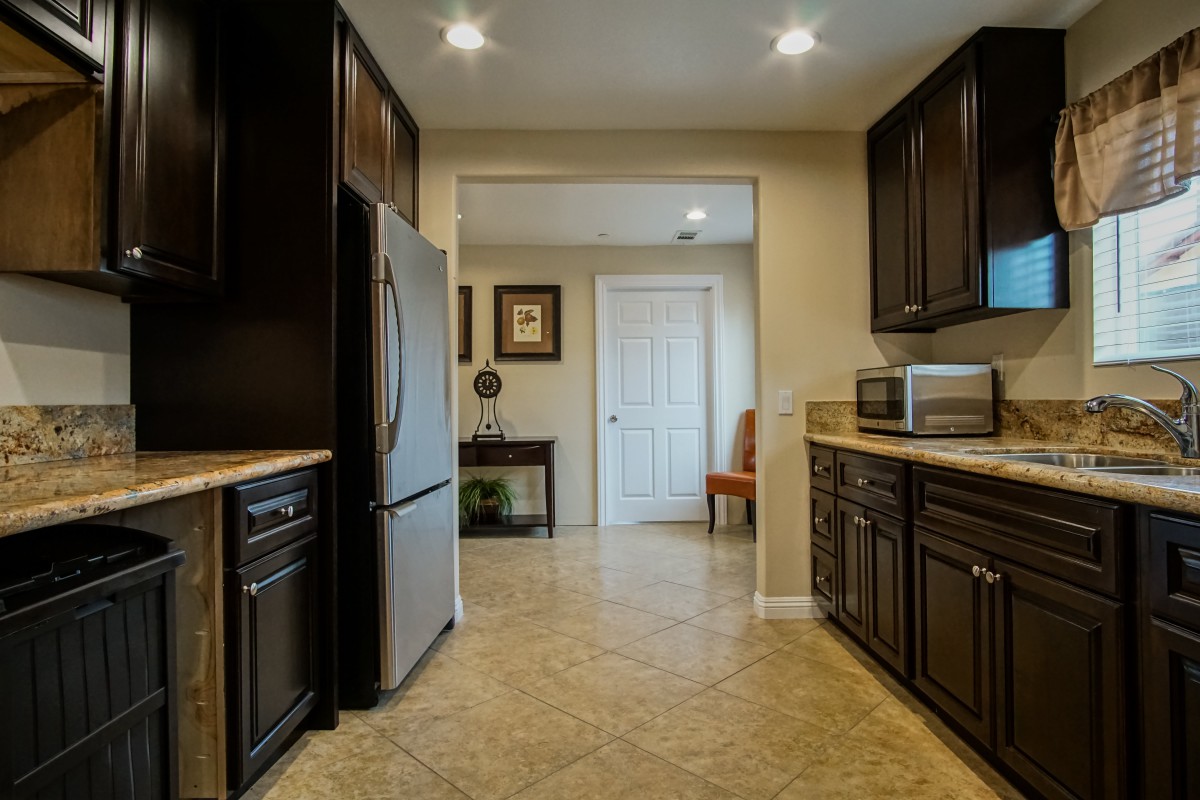
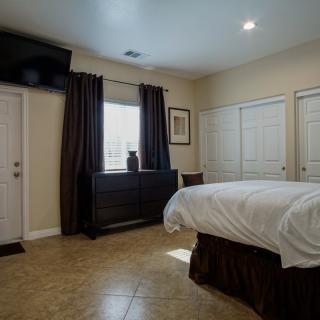
- The home has everything needed to be comfortable.
- The home has nice TVs with cable.
- The home features a beautiful patio.
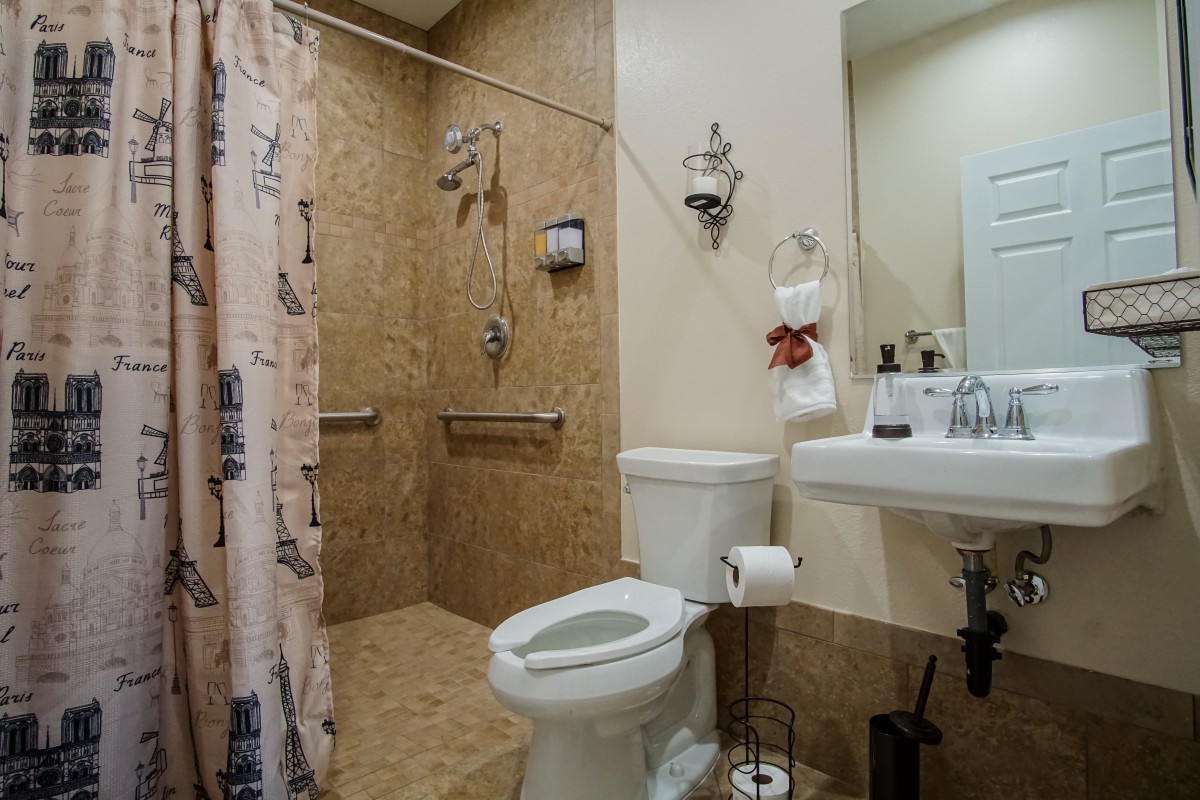
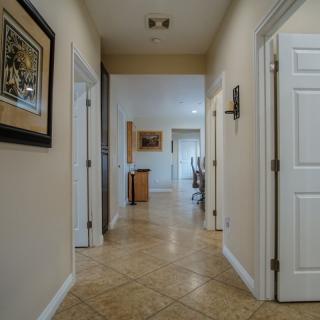
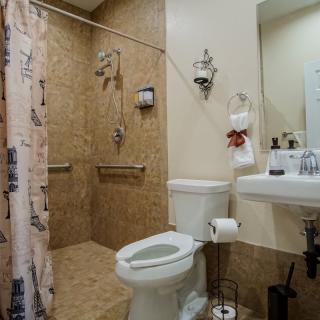
- The showers and toilets are handicap accessible.
- The home comes highly recommended.
Cons
 None of the statements are negative in the third person.
Review
Serenity Springs in Riverside, California is clearly best suited for seniors who want a luxurious, home-like living environment that prioritizes comfort and accessibility. The property presents as a high-end residence, with a design that feels inviting rather than institutional. The emphasis on a private-feeling home, complemented by features like televisions with cable, a pleasant patio, and fully accessible showers and toilets, makes it attractive for residents who value dignity, ease of daily routines, and a sense of personal space. For families seeking a place that looks and feels upscale while reducing everyday barriers, Serenity Springs checks those boxes with notable immediacy.
That said, there are clear reasons some families may want to consider alternatives. The available information centers on aesthetics and accessibility rather than a defined care program, staffing model, or medical services offered on-site. For residents who require ongoing skilled nursing, memory-care specialization, or highly structured clinical supervision, Serenity Springs may fall short of expectations unless further details reveal a robust care framework beyond accessible design. Budget considerations also loom in the background, as a luxury-leaning presentation often signals higher monthly costs than more utilitarian options.
The strongest positives are tangible and directly impact daily living. The home-like vibe reduces the clinical feel that many seniors associate with care settings, helping residents maintain independence and personal dignity. Accessibility is not peripheral but central, handicap-accessible showers and toilets reduce risk and simplify routine care, while the patio invites outdoor interaction and gentle socialization without demanding travel or time-consuming arrangements. The combination of comfort, privacy, and practical accessibility delivers meaningful value for residents who prioritize ease of movement, safety, and a serene living atmosphere.
However, the profile leaves several practical gaps that families should probe before committing. There is no detailed description of the on-site care services, staff availability, or care planning processes. Information about meal programs, transportation to appointments, activity calendars, or emergency response protocols is absent from the available review. The single positive perspective, while compelling, represents only one data point and does not illuminate how Serenity Springs handles fluctuating care needs, overnight supervision, or memory-care challenges. This lack of breadth requires careful verification through a direct tour and independent questions.
Despite these gaps, the facility’s pros can offset many potential drawbacks for the right resident profile. For someone who seeks a stylish, low-stress living environment with strong accessibility features, Serenity Springs offers undeniable appeal. The home atmosphere and private spaces support autonomy, while accessible design minimizes daily friction and safety concerns. The social potential implied by a pleasant patio and family-friendly amenities can translate into a relaxed, comfortable routine that reduces caregiver burden and preserves independence, at least for residents who do not require intensive medical intervention on a daily basis.
Decision guidance follows a practical, move-forward approach. Serenity Springs should be on a short list for families prioritizing a luxurious, homelike setting with clear, access-focused design. Prospective residents in need of heavy medical care, continuous skilled nursing, or memory-care programming should seek explicit confirmation of on-site capabilities and staffing models before selecting this community. A targeted tour is essential: request a clear outline of services, staff-to-resident ratios, emergency procedures, sample menus, daily activity calendars, transportation options, and transparent pricing. If these elements align with care needs and budget, Serenity Springs stands as a compelling, well-suited option; if not, alternatives with more defined clinical support will likely serve more appropriately.
 Board and Care Home
 Activities off-site
 Air-conditioning
 Bath tubs
 Cable or satellite TV
 Devotional services off-site
 Full kitchen
 Indoor common areas
 Outdoor common areas
 Private
 Wheelchair accessible showers
 Wi-Fi/high-speed internet available
 Ontario International (12 miles away)
 Incontinence care
 Medication management
 Anytime dining
 BBQs or picnics
 Birthday parties
 Skilled Nursing Facilities vs. Nursing Homes: Making Sense of the Differences
 A Detailed Examination of Nursing Home Costs Across the U.S.
 Exploring Nonmedical Home Care: Understanding Services, Costs, and Financial Approaches