
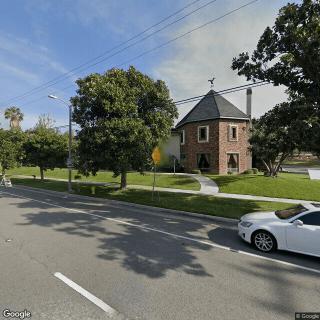
855 Frontier Avenue, Redlands, CA 92374
For more information about senior living options: (866) 208-4318
Tuparan Residential Care Facility Costs & Pricing
Tuparan Residential Care Facility offers competitive pricing for its accommodations compared to the broader market in San Bernardino County and across California. For semi-private rooms, Tuparan's rate of $2,800 is not only lower than the county average of $2,958 but also significantly more affordable than the state average of $3,333. Similarly, their private room option at $3,500 remains below both the county's average of $3,561 and California's overall average of $3,939. In addition, while Tuparan's one-bedroom units are priced at $4,000 - a figure slightly above San Bernardino County's average of $3,548 - they remain less costly than California's state average of $4,340. Overall, Tuparan Residential Care Facility presents a favorable financial choice for prospective residents seeking quality care in a cost-effective setting.
| Floor plans | Tuparan Residential Care Facility | San Bernardino County | California |
|---|---|---|---|
| Semi-Private | $2,800 | $2,958 | $3,333 |
| Private | $3,500 | $3,561 | $3,939 |
| 1 Bedroom | $4,000 | $3,548 | $4,340 |
Memory care communities with a similar price nearby
-
from -$300 / mo
Valley Spring Elderly Care
$2,500 to $3,000 / month7.3 miles away -
About the same

Bianca's Home Care
$2,800 to $3,400 / month21.8 miles away -
from +$200 / mo
Villa Anne
$3,000 to $4,500 / month16.0 miles away -
from -$300 / mo
Golden Horizon Home I
$2,500 to $2,800 / month18.5 miles away -
from +$400 / mo
Live In Comfort Care
$3,200 to $3,500 / month19.5 miles away
Overall Review of Tuparan Residential Care Facility
Pros
 The staff at Tuparan Residential Care Facility are kind from the owner through all the rest of the team.
- The care for residents with advanced dementia is delivered in a courteous and loving environment.
- The facility is small, offering near one-to-one care.
- The place is clean, tidy, and beautiful, with a Registered Nurse on staff.
- The love, caring, and attention provided to residents are described as excellent.
- The meals are amazing, and the food is loved by residents.
- The staff are compassionate, attentive, and accommodating, encouraging visits and providing peace of mind.
- Lori is first rate and accommodating.
- The facility is praised as clean, attentive, and trustworthy, and is considered a wonderful place for loved ones.
Cons
 A reviewer stated: “Do not place a loved one here,” alleging the nurse was not compassionate, a liar and controlling, who would leave residents to suffer, turn off the air and power, and deny basic care like sponge baths and brushing teeth, with the owner described as in it for the money.
- A reviewer described the facility as dark and dirty, with a staff member not very knowledgeable about operations, and said they would not be comfortable leaving their mother there.
- A reviewer would not leave a pet there, calling the facility unprofessional.
- A family could not recommend the facility due to deceit about fees, the owner’s refusal to place their grandfather in a geri-chair, and not calling the family until after his death.
- A reviewer claimed there were lies after paying ahead for six weeks of care.
Review
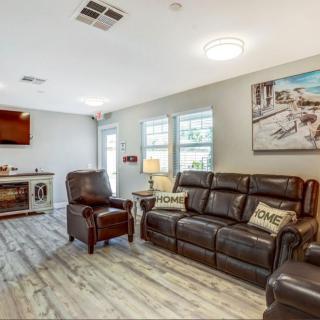
Tuparan Residential Care Facility in Redlands is best suited for families prioritizing an exceptionally small, home-like environment where residents receive highly personalized attention. It stands out for memory-care-adjacent needs and early-to-mid stages of dementia care, where five residents create a setting that feels almost one-to-one. This is a place where meals, routine, and gentle, consistent care can translate into noticeable stabilization and comfort for a loved one who benefits from constant human presence. The most compelling cases are those emphasizing reduced reactivity to stress, improved mobility with hands-on guidance, and genuine warmth from a tightly knit team led by a locally connected administrator. For families who want a tranquil, intimate footprint over a large, clinical campus, this facility is a natural fit.
Alternatives become worth considering for families with different priorities. If absolute consistency across all shifts, relentless transparency, and a strictly broader medical footprint are nonnegotiables, larger RCFE communities or traditional assisted-living campuses may be preferable. For residents who require more robust, round-the-clock medical oversight, or who insist on a facility with a long track record of handling complex behaviors or aggressive medical needs, the small-house model may feel undersized. Some reviewers point to questions about staffing dynamics, administrative communication, and possible financial ambiguity; those concerns warrant exploring other options with more formalized governance, clearer fee structures, and more visible safeguarding practices.
On the upside, the chief advantages of Tuparan offset many common anxieties about memory-care transitions. The five-resident model fosters genuine connection; family members repeatedly note how staff engagement translates into meaningful daily progress and emotional calm for their loved ones. The presence of a Registered Nurse on site provides a baseline level of clinical oversight rare in the smallest RCFE environments, and the care teams routinely demonstrate attentiveness, flexibility, and responsiveness to individual routines and preferences. Cleanliness and a comforting, well-kept atmosphere consistently appear in reviews, along with strong caregiver empathy, patient, frequent updates to families, and a willingness to accommodate visits and outings that fit family schedules. When care plans align with the resident’s personality and pace, the setting can deliver not only safety but a sense of dignity and peace.
Still, the negative experiences cited by a minority of reviewers cannot be dismissed. A few accounts describe unprofessional behavior by a staff member and concerns about compassion and boundaries, with one case alleging withholding comfort and basic hygiene. Other entries recount a less inviting initial impression, darkness, odor, or a lack of clarity about how things operate during tours, and a belief that the owner’s focus is more financial than familial. Notably, a disturbing hospice-related incident raised questions about timely communication with families. A handful of comments mention inconsistencies in care expectations and in the handling of funding disclosures. Taken together, these red flags imply that the operation may hinge on who is in charge on any given day, and they underscore the importance of direct, in-depth due diligence before placement.
When weighing the pros against the cons, Tuparan’s strongest pull is its ability to deliver an unusually intimate level of care in a small, serene setting. For families whose priority is comfort, predictable routines, and visible caregiver attention, the positives can vastly outweigh the negatives, provided one conducts thorough verification of current staffing, care planning, and integrity of communications. The less certain side rests on staff consistency, transparency about costs, and the facility’s responsiveness to distressing situations. The prudent path is to verify RN coverage, request to meet the administrator in a private setting, and seek current family references alongside a clear outline of fees and hospice practices before committing.
In the final assessment, Tuparan is a compelling option for those who want a warm, neighborly atmosphere with individualized attention for a loved one facing dementia or memory-related challenges. It is less suitable for families needing a large, highly medicalized operation or for those whose tolerance for potential communication gaps and occasionally uneven staffing is limited. Prospective residents should approach with a concrete due-diligence plan: arrange multiple visits, discuss the resident’s specific care plan with the RN and administrator, review how activities are integrated beyond walking programs, confirm cleanliness and safety standards, and obtain a transparent, written outline of all charges and services. When these steps are taken, Tuparan can deliver the peace of mind that a tightly run, small-community setting promises.
 6 resident community capacity
 Assisted Living
 Board and Care Home
 Memory Care
 Activities off-site
 Bath tubs
 Cable or satellite TV
 Devotional services off-site
 Dining room
 Fully furnished
 Garden
 Housekeeping services
 Indoor common areas
 Move-in coordination
 Outdoor common areas
 Private
 Private bathrooms
 Respite or short term stays offered
 Telephone
 Wheelchair accessible showers
 Wi-Fi/high-speed internet available
 Ontario International (25 miles away)
 24-hour supervision
 Ambulatory care
 Assistance with bathing
 Assistance with dressing
 Assistance with transfers
 Diabetes diet
 Diabetic care
 High acuity care
 Incontinence care
 Meal preparation and service
 Medication management
 Special dietary restrictions
 Transportation arrangement (medical)
 Transportation to doctors appointments
 Adventist services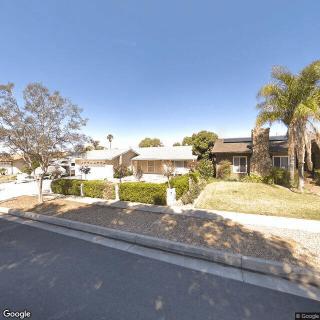
 When to Transition from Assisted Living to Memory Care: Key Indicators, Steps, and Finding the Right Community
 Understanding the Distinctions: Assisted Living and Memory Care Explained
 How to Communicate with a Loved One Living with Dementia: 10 Supportive Strategies