
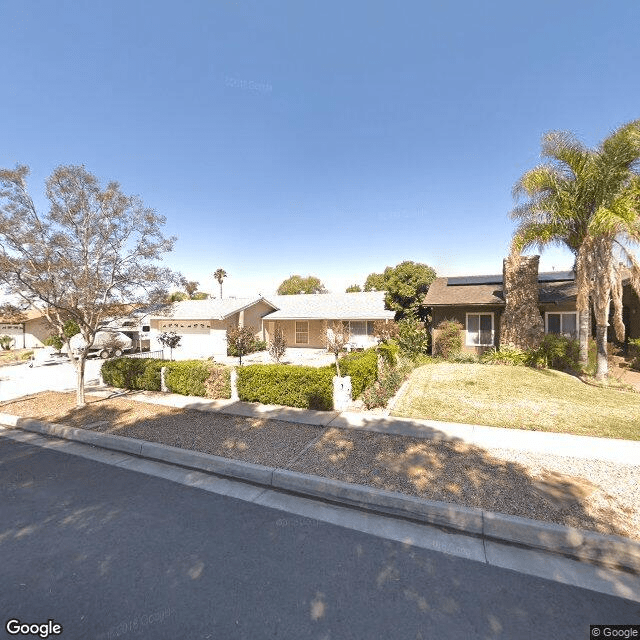
855 Frontier Ave, Redlands, CA 92374
To contact a resident: (909) 556-1419
For more information about senior living options: (866) 208-4318
Tuparan Residential Care Facility II Costs & Pricing
Tuparan Residential Care Facility II offers competitive pricing compared to both San Bernardino County and the broader California market. For those seeking a semi-private room, the facility's monthly cost of $2,500 is notably lower than the county average of $2,958 and significantly less than the state average of $3,333. Private rooms at Tuparan are priced at $3,200, which again falls below both the county's average of $3,561 and California's average of $3,939. Additionally, residents looking for studio accommodations will find that Tuparan's rate of $4,000 is more favorable than the state's average of $4,145, although it exceeds the county's average of $3,455. Overall, Tuparan Residential Care Facility II provides affordable options for quality residential care within its area.
| Floor plans | Tuparan Residential Care Facility II | San Bernardino County | California |
|---|---|---|---|
| Semi-Private | $2,500 | $2,958 | $3,333 |
| Private | $3,200 | $3,561 | $3,939 |
| Studio | $4,000 | $3,455 | $4,145 |
Memory care communities with a similar price nearby
-
About the same
Valley Spring Elderly Care
$2,500 to $3,000 / month7.3 miles away -
from +$300 / mo

Bianca's Home Care
$2,800 to $3,400 / month21.8 miles away -
About the same
Golden Horizon Home I
$2,500 to $2,800 / month18.5 miles away -
from +$300 / mo
Hillcrest Cottage
$2,800 to $3,200 / month9.8 miles away -
About the same
Center Plaza Senior Living
$2,500 to $4,600 / month10.8 miles away
Overall Review of Tuparan Residential Care Facility II
Pros
 The staff are deeply invested in his care, beyond what the family could have imagined.
- They are attentive to his needs and receptive to questions and concerns.
- They maintain open lines of communication and are willing to adapt to his needs.
- This responsiveness has the family overjoyed with their choice to trust them with his care.
- He has improved by leaps and bounds since taking up residence with them.
Review
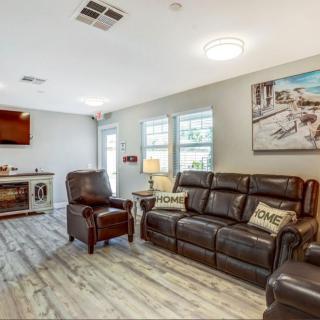
Tuparan Residential Care Facility II in Redlands, California is best suited for families seeking a small-to-mid‑sized, relationship‑driven care setting where staff demonstrate clear investment in a resident’s well‑being and maintain open lines of communication with relatives. The model evident in the feedback favors personalized attention, responsiveness to evolving needs, and a home‑like atmosphere that makes daily routines feel adaptable rather than rigid. For seniors whose caretaking needs flourish under consistent, hands‑on supervision and frequent, candid updates, this community offers a compelling alignment of culture and care practices that support not just safety but ongoing, observable improvement.
That said, potential residents or families who prize extensive medical oversight, specialized memory‑care programming, or a larger campus with broader clinical resources may want to evaluate alternatives. The appeal here rests on a deeply attentive care team and flexible care plans, but those seeking a highly structured medical regime, advanced on‑site therapies, or a more institutional setting may find other options more suitable to their requirements. This isn’t a knock on Tuparan II; it is a practical touchpoint for decision‑makers to compare what level of clinical infrastructure is truly needed.
The core strengths lie in the staff’s evident investment and attentiveness. The caregivers are described as receptive to questions and concerns, with open lines of communication that invite families to stay engaged rather than feel sidelined. That transparency matters, because it translates into trust and shared accountability for the elder’s daily experience. When caregivers demonstrate a willingness to adapt to shifting needs, care plans become living documents, not fixed scripts. In a real‑world sense, this approach reduces the anxiety families feel as medical or behavioral changes emerge, and it reinforces confidence that the team will respond with appropriate adjustments rather than a one‑size‑fits‑all response.
Those strengths also manifest in tangible outcomes for residents. The account of notable improvement, described as “leaps and bounds” since the loved one began residence, offers a powerful signal that the care approach is not merely comforting but effective. Such progress typically reflects consistent supervision, timely attention to emerging concerns, and activities or routines tailored to an individual’s capabilities and goals. When a facility can couple emotional support with observable gains in function or well‑being, families gain reassurance that the investment translates into meaningful quality of life rather than just a sterile level of care.
However, the single review leaves several practical questions unanswered, and those are worth investigating directly before choosing. Details about cost, exact staffing ratios, and the full scope of services (medication management, therapy options, and any specialized programs) are not disclosed here. Prospective residents should request a tour, observe interactions in common spaces, and seek demonstration of the care planning process in action. It’s prudent to ask how the team manages transitions if needs escalate, how frequently care plans are updated, and who is directly responsible for coordinating medical and therapeutic services on a day‑to‑day basis.
In the end, Tuparan II presents a compelling choice for families prioritizing a devoted, communicative team that can meaningfully adjust to a loved one’s evolving needs and deliver measurable improvements. The evidence here suggests a culture of care that prioritizes relationship‑based support and family involvement, backed by real progress in the resident’s condition. For decision‑makers ready to prioritize staff engagement, adaptability, and transparent dialogue, planning a visit, meeting the caregiving team, and reviewing care‑planning processes will reveal whether this community aligns with the elder’s preferences, medical requirements, and the family’s expectations for ongoing partnership.
 Board and Care Home
 Memory Care
 Activities off-site
 Bath tubs
 Devotional services off-site
 Indoor common areas
 Outdoor common areas
 Private
 Private bathrooms
 Respite or short term stays offered
 Wheelchair accessible showers
 Ontario International (25 miles away)
 Ambulatory care
 High acuity care
 Meals provided
 Delirium and Dementia: Unraveling the Key Differences
 Are Dementia and Alzheimer's Disease Lethal? A Comprehensive Exploration
 Exploring the Power of Reminiscence Therapy for Individuals With Dementia