
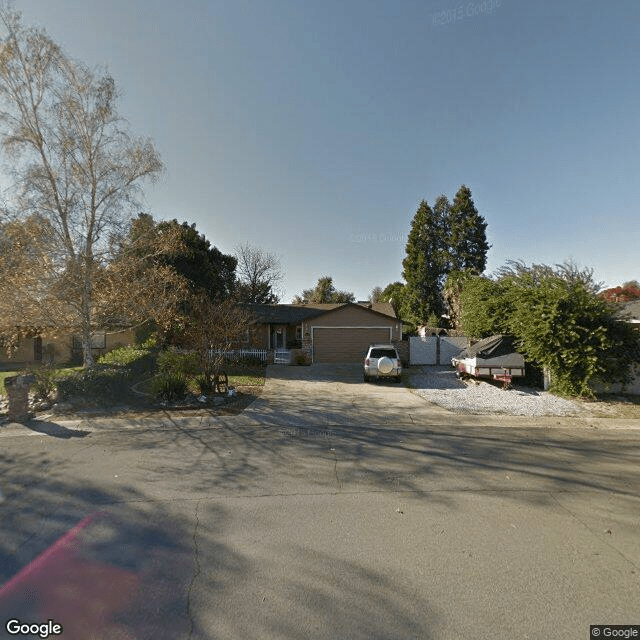
1111 Domimion Drive, Redding, CA 96002
To contact a resident: (503) 605-1844
For more information about senior living options: (866) 208-4318
Overall Review of Dominion Care
Pros
 They hosted a senior fitness instructor training event in the small dining room and had a great experience.
- They could fit about 25 people in the room with plenty of space to spread out.
- The staff were incredibly helpful and supportive.
- The staff coordinated meals from the dining room for attendees and assisted with room setup.
- They would definitely use this location again.
- The nutrition program provides great service to many North State communities and the seniors who depend on it.
- The place was nice and hosted an event with 300-plus people, and it was big enough.
Cons
 They report long lines with a three-hour wait and no bathrooms, and that the venue is too cold for elderly attendees.
- They describe the payee services as horrible and lacking transparency, with finances not clearly explained.
- They state that statements fail to show a beginning balance or ending balance, often start mid-month, end after 90 days, and require repeated requests.
- They accuse a particular payee of inconsistency and lying, and note retaliation when complaints are made.
- They contend there is no oversight and that the organization hides behind its good reputation, causing clients to be viewed differently by coordinators, landlords, social workers, and possibly the courts.
Review
Dominion Care in Redding is best suited for seniors who want a practical, community-centered setting that doubles as an event venue and prioritizes hands-on staff support. Families weighing options for living spaces where staff can organize meals for gatherings, help with room setup, and keep the dining area flexible will find Dominion Care aligned with those needs. The presence of a robust nutrition program and the capacity to host large groups signals that this site can anchor ongoing programming for residents and their families. In short, this is a workable home base for active, socially engaged seniors who value dependable staff connections and program access.
On the positive side, the most consistent praise centers on the staff. Reviews describe staff as incredibly helpful and supportive, able to coordinate meals from the dining room and assist with logistics for events. The small dining room accommodated a senior fitness instructor training with comfortable space for about 25 attendees, and the team handled setup and meals without hassle. The space's ability to host a sizable event, 300-plus attendees in another observation, speaks to mature, scalable operations and a willingness to support community needs. These operational strengths translate into real-world advantages for families planning activities or considering intake into the community.
Yet the feedback also surfaces meaningful drawbacks. Some reviewers report lengthy lines with multi-hour waits, scarce or unavailable bathrooms, and discomfort from a cold environment, all of which are consequential for seniors and visitors. More troubling is a separate critique of payee services: a claim of opacity, inconsistent practices, and even retaliatory responses after complaints. While this may reflect the payee provider rather than the residence itself, it raises an essential caution for families who will depend on financial management support as part of placement. The combination of logistical friction and financial-service concerns cannot be dismissed.
Those cons comparatively heavy up against the notable pros, though, still create a decisive calculus. For families prioritizing staff attentiveness, program flexibility, and the logistical capacity to run events or nutrition-related activities, the positives can offset some inconveniences. A responsive team and a capable dining operation usually translate into smoother daily life and more predictable programming, which matters when routines and outings are central to a loved one's happiness. However, the risk of long waits or an uncomfortable space, especially during critical family or medical-related visits, undermines confidence for residents who need reliability and warmth on a daily basis.
Decision-making should be disciplined. Prospective residents or caretakers should insist on a thorough tour focused on the dining and common areas, and test drive event spaces to confirm acoustics, temperature, and access to bathrooms. Ask who exactly handles payee services, request transparent, recent financial statements, and clarify the response times and escalation paths if issues arise. Verify the specific hours of operation for dining and communal spaces, and assess whether the staff's responsiveness in scheduling meals and coordinating events translates into the everyday comfort of residents. A clear plan for emergencies and ongoing support will separate the well-run aspects from the potential friction points.
In the end, Dominion Care is a practical choice for families who want a community with solid staff engagement, flexible programming, and a proven ability to host gatherings of modest to large size. It suits seniors who prize active involvement, nutrition-program access, and reliable event support. Those who require transparent, consistently managed payee services or who are especially sensitive to line waits, bathroom access, or chilly spaces should weigh alternatives that place a higher premium on financial governance and climate comfort. For the right profile, Dominion Care delivers dependable value; for others, a more tightly managed option may be a wiser long-term fit.
 Board and Care Home
 Redding Municipal (4 miles away)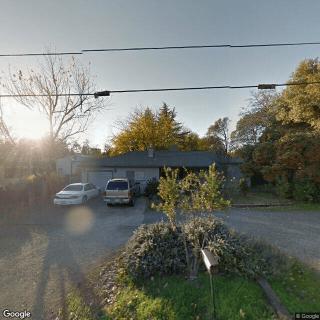



 8 Essential Assistive Devices for Older Adults
 Navigating the Financial Road to Nursing Home Care: In-Depth Guidance and Resources
 Supportive Employee Benefits That Help Caregivers Attain Better Work-Life Harmony