
10630 Town Center Drive, # 116, Rancho Cucamonga, CA 91730
To contact a resident: (909) 458-0578
For more information about senior living options: (866) 208-4318
Overall Review of Alaphia Care Home Health Services, Inc.
Pros
 The team demonstrates professionalism, compassion, and dedication that sets them apart.
- Every nurse and therapist is skilled, knowledgeable, kind, respectful, and genuinely caring.
- They listen, explain each step of care, and make patients and families feel supported and safe.
- The organization operates with heart, as a partner in recovery and wellness, not just a provider.
- The coordination among staff, office responsiveness, and quality of clinical care are outstanding.
- They combine medical excellence with humanity and dignity.
- Alaphia Care Home Health Services is highly recommended and puts the patient first.
Cons
 The reviewers describe the facility as the worst place ever.
- They say there are unlicensed nurses who cannot administer IV treatment.
- An unlicensed nurse repeatedly missed the vein while attempting IV therapy.
- The office manager is described as horrible and not accountable for the unlicensed nurse's wrongdoing.
- They warn readers not to hire this place.
- They claim staff perform unsterile wound care and that patients are treated poorly.
Review
Alaphia Care Home Health Services in Rancho Cucamonga is best suited for families seeking skilled, in-home clinical support delivered with genuine warmth and steady advocacy. The ideal client requires regular nursing visits, therapy, wound management, or IV therapy while preferring the familiarity and comfort of home. When the priority is a patient-first approach, clear explanations, and a coordinated team effort between field clinicians and office staff, this agency can deliver meaningful continuity of care and a reassuring sense of partnership in recovery.
Still, a significant subset of families should consider alternatives. The most serious caution comes from reports of unlicensed personnel, failed IV attempts, and unsterile wound care, accompanied by a perception of insufficient accountability from management. In scenarios where safety and strict credentialing are non-negotiable, such as complex medical regimens, fragile IV access, or high-risk wound care, these concerns become disqualifying factors. For households unwilling to compromise on licensure, supervision, and rigorous procedural standards, exploring other providers with verifiable credentials and robust quality assurance is prudent.
On balance, the pros present a compelling case when the service is executed well. The strongest recurring theme is the human touch: compassionate, knowledgeable nurses and therapists who listen, explain care, and treat patients with dignity. The coordination among staff and the responsiveness of the office team also stand out, suggesting a well-oiled operation when everything is aligned. Those advantages can translate into smoother care plans, fewer miscommunications, and a steadier recovery trajectory for home-based rehabilitation. Yet these positives only fully materialize if all clinical tasks are performed by licensed professionals under appropriate supervision; otherwise, strong interpersonal skills and organized scheduling cannot fully offset the risk of unsafe care.
For families moving forward, practical due diligence is essential. Verify the licensing status of every clinician and request a detailed, written care plan that names supervising physicians and outlines competency checks. Insist on a predictable staffing schedule to assess consistency, and seek references specifically addressing wound care quality, IV administration, and infection control. Inquire about the agency’s process for handling and documenting complaints, corrective actions, and follow-through on identified issues. If possible, arrange a short-term trial or direct observation of routine care to separate promises from daily practice. These steps convert impressions into verifiable safeguards.
Those who want to minimize potential risk should compare with providers that publish transparent credentialing, frequent clinician oversight, and rigorous QA processes. Consider alternatives that can demonstrate a track record of stable staffing, incident resolution, and measurable patient satisfaction across multiple cases. For patients with complicated wound care needs or sensitive IV protocols, prioritize agencies with explicit oversight mechanisms and consistently licensed personnel. A careful comparison of licensing, supervision practices, and quality control will reveal whether the favorable aspects can be reliably sustained.
The bottom line centers on a clear trade-off. Alaphia Care Health Services presents a compassionate, coordinated home care model that can meaningfully support recovery and daily living when staff are licensed, supervised, and accountable. The negative safety-related feedback cannot be ignored and, in many cases, tips the balance toward caution. If due diligence confirms robust licensing, strong supervisory structures, and transparent handling of issues, this agency can be a strong, patient-centered choice. If not, families should steer toward alternatives with demonstrated credentialing and tighter governance to avoid the risks echoed in the critical experiences.
 Ontario International (4 miles away)







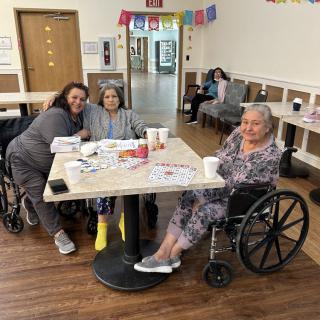
 Encouraging Participation in Adult Day Care: A Guide to Supporting a Hesitant Parent
 Comprehensive Exploration of Living Wills and Other Advance Directives
 A Detailed Exploration of Living Wills and Advance Directives