
Ramona Senior Lodge Assisted Living in Ramona, CA

Save

  • Interior

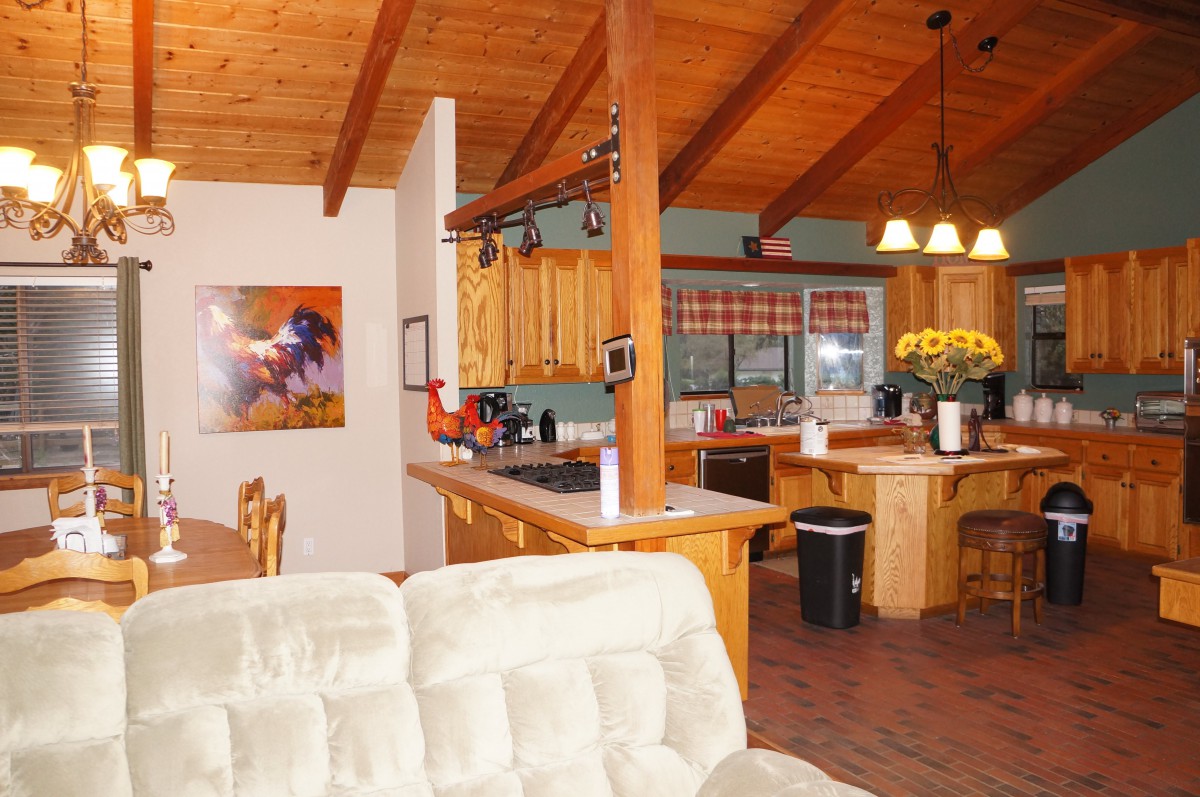
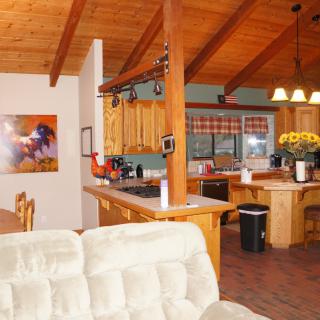
    A cozy open-plan kitchen and living area with a wooden ceiling and warm decor.
  • Outdoors

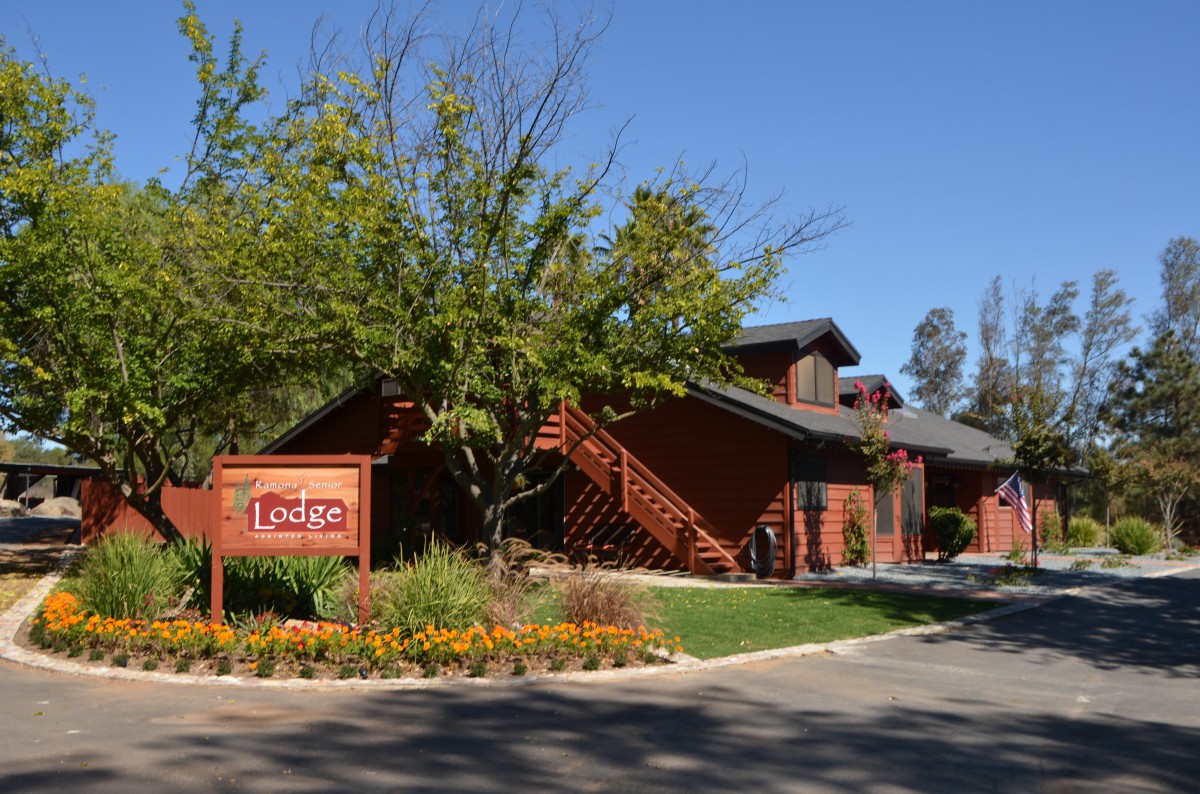
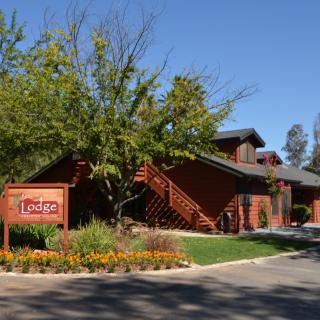
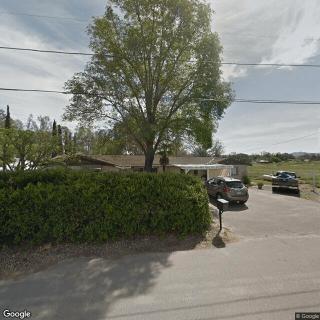
    A rustic lodge surrounded by greenery and flowers, with a welcoming sign at the entrance.
  • Bedroom

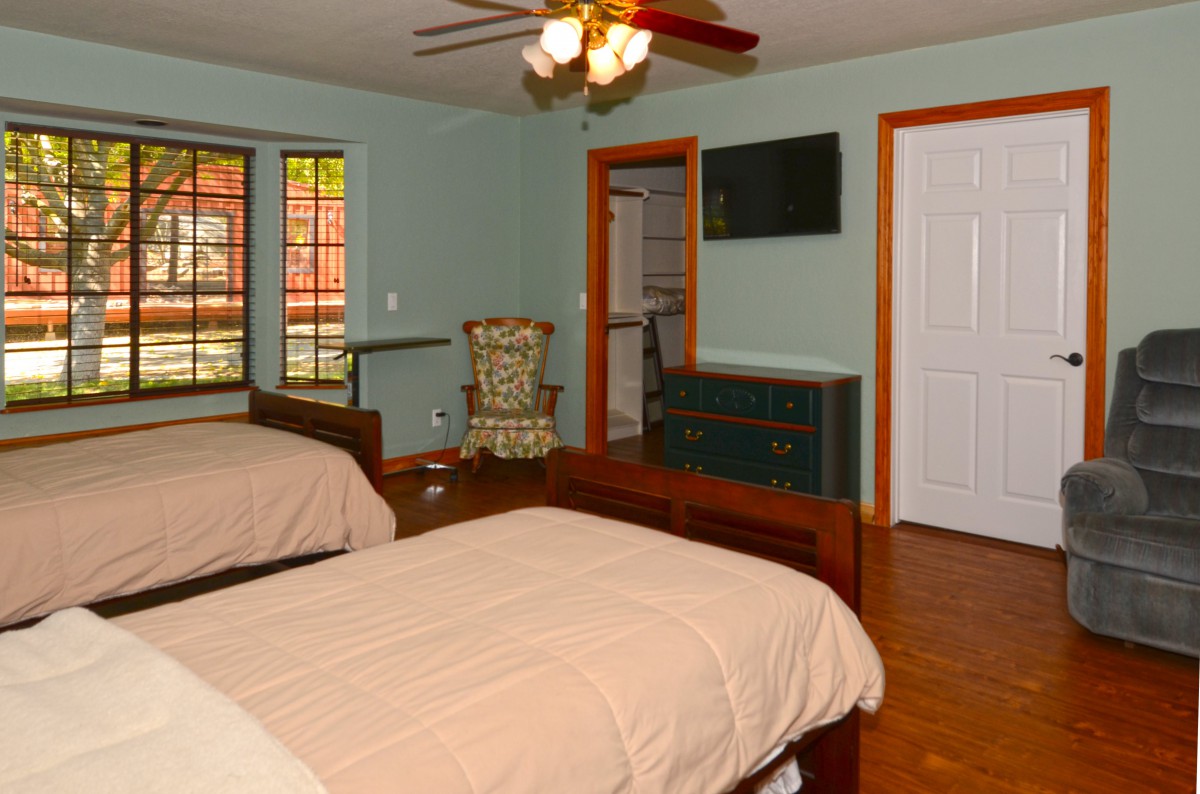
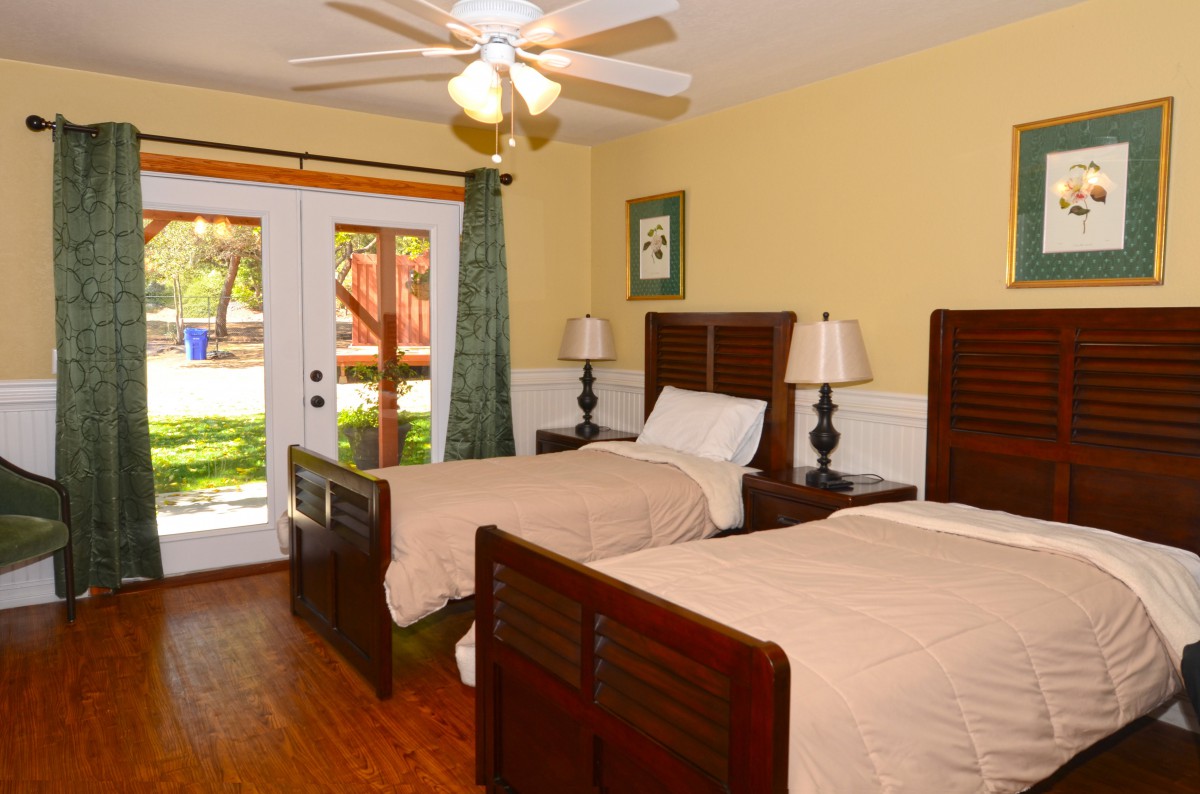
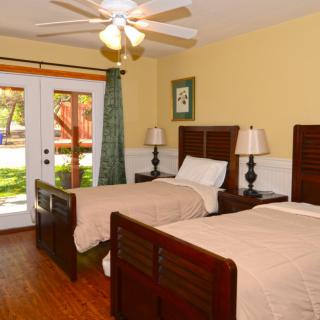
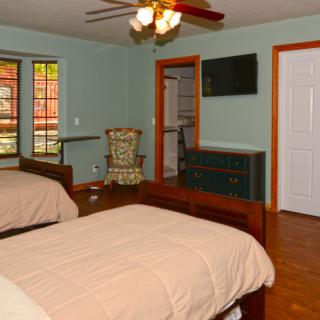
    A cozy bedroom with twin beds, a ceiling fan, and French doors leading outside.
  • Trees

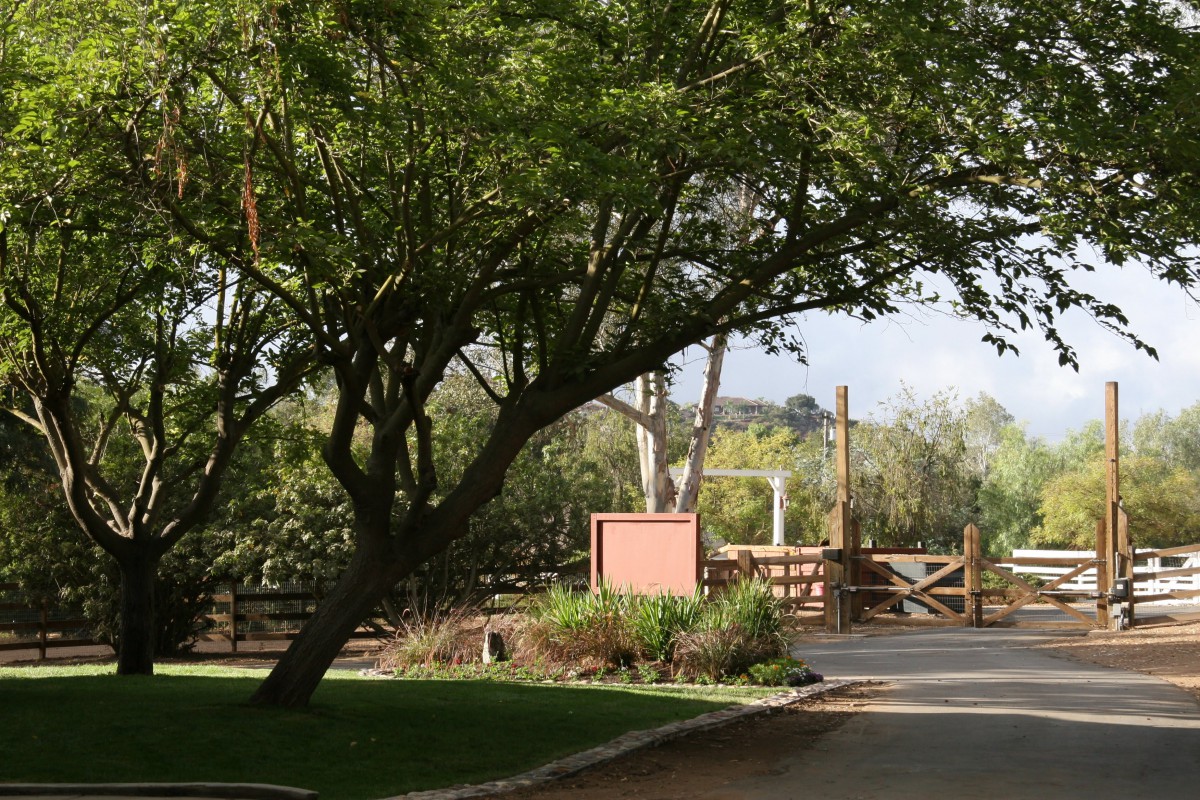
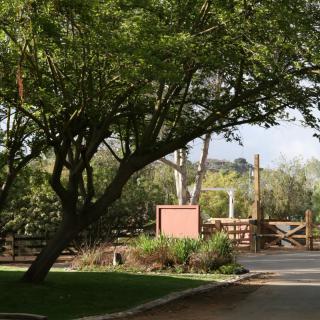
    A serene park scene with trees and a gate in the background.
  • Windows

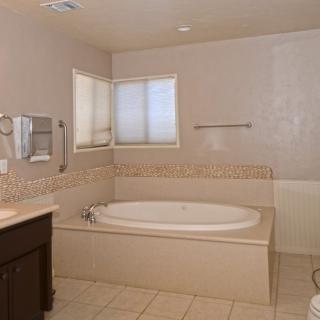
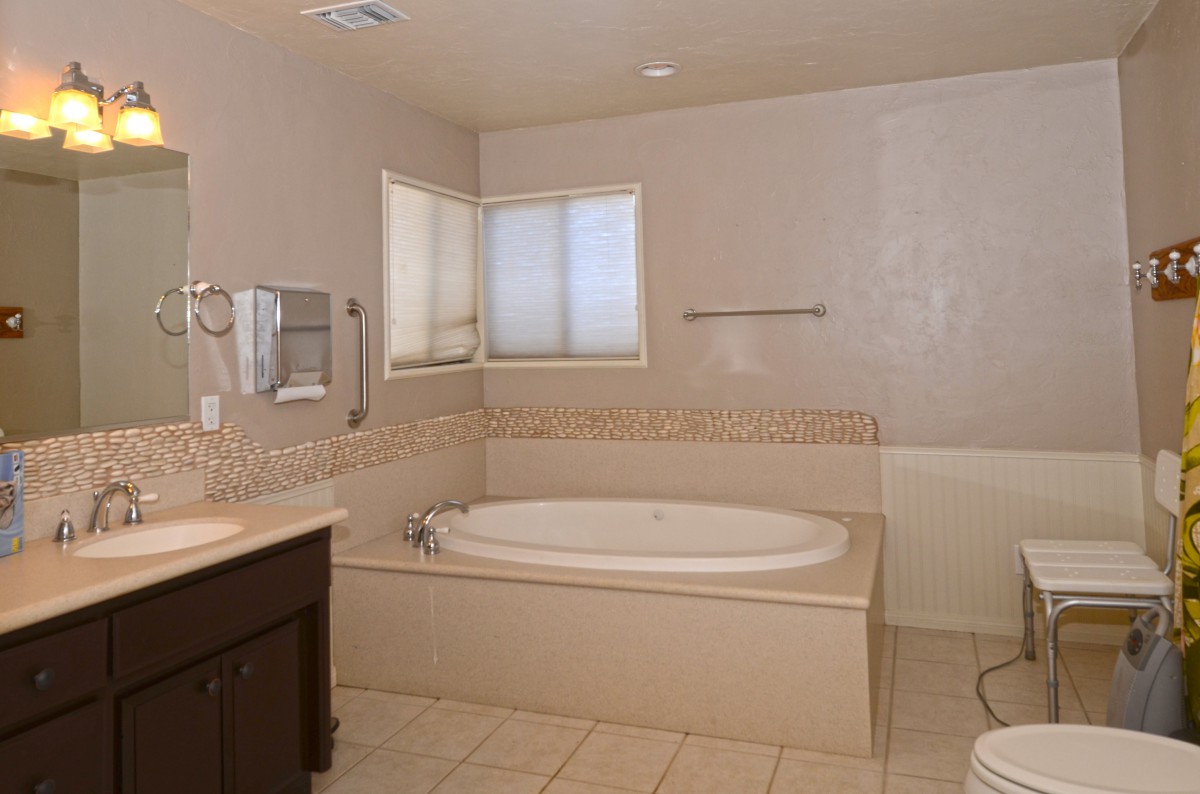
    A spacious bathroom featuring a large bathtub, a sink with a mirror, and tiled flooring.
  • Landscaping

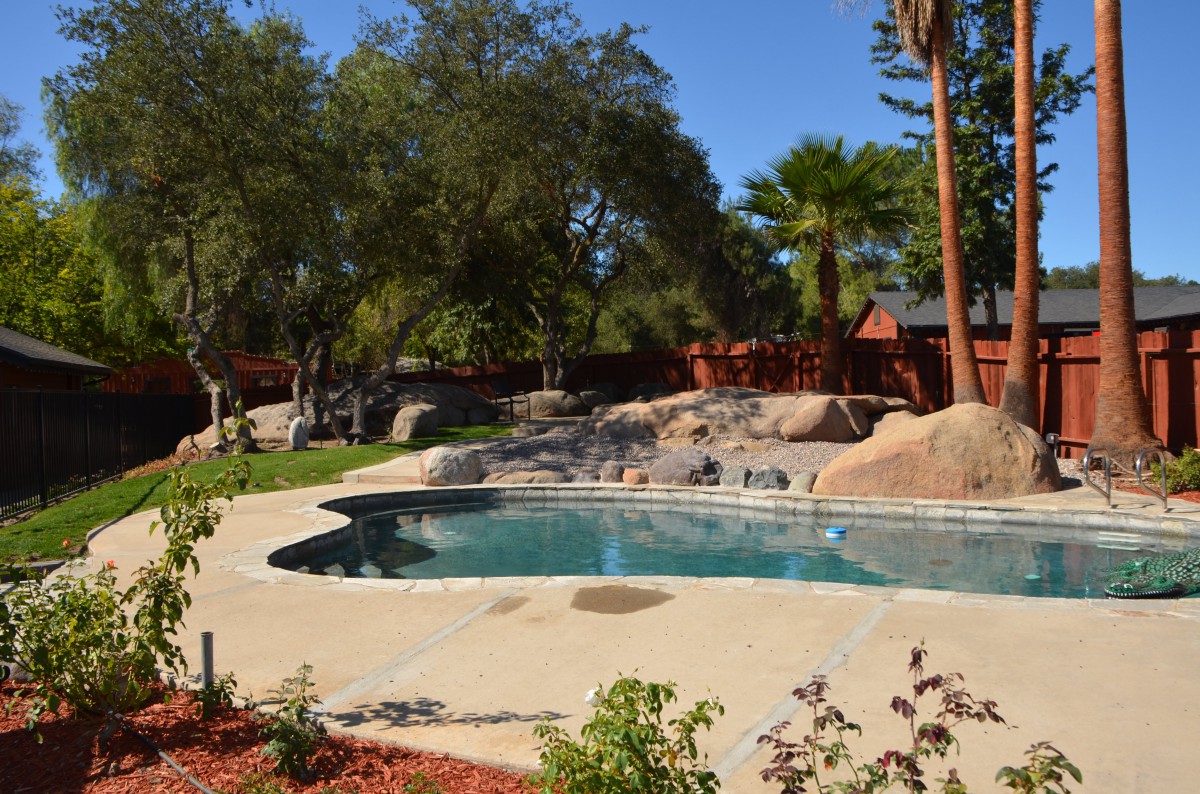
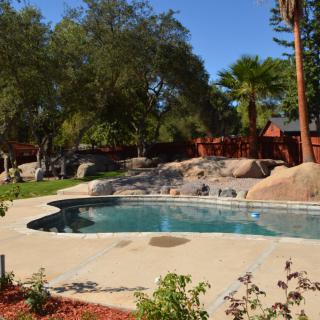
    A sunny backyard featuring a swimming pool surrounded by trees and landscaped rocks.
  • Garden

    Bell peppers ripening on the plant in a garden.
  • Outdoor

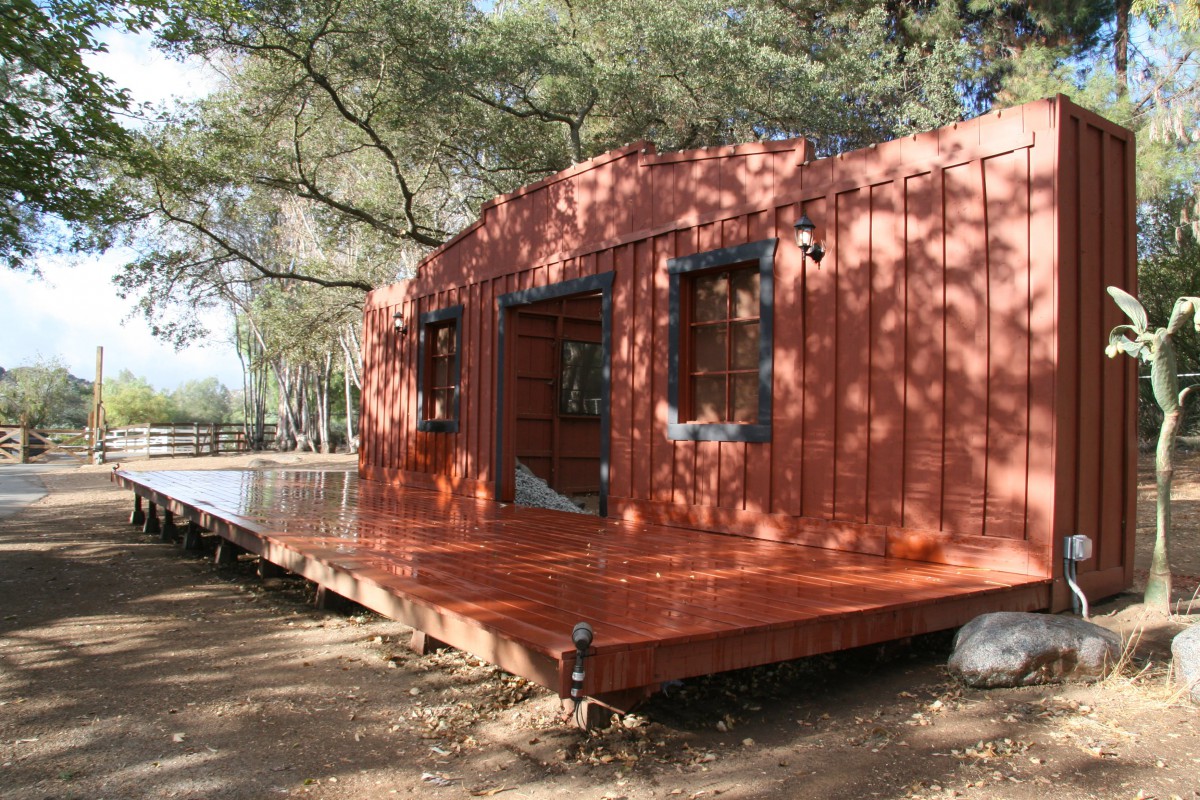
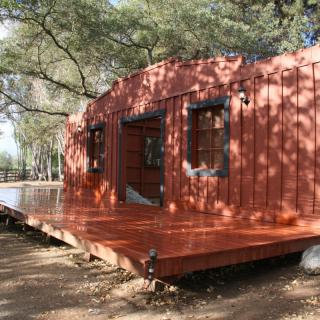
    A rustic wooden cabin surrounded by trees, with a spacious porch.
  • Patio

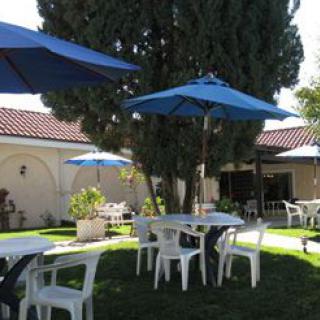
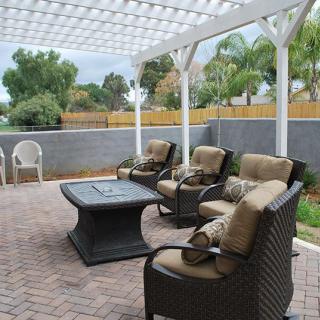
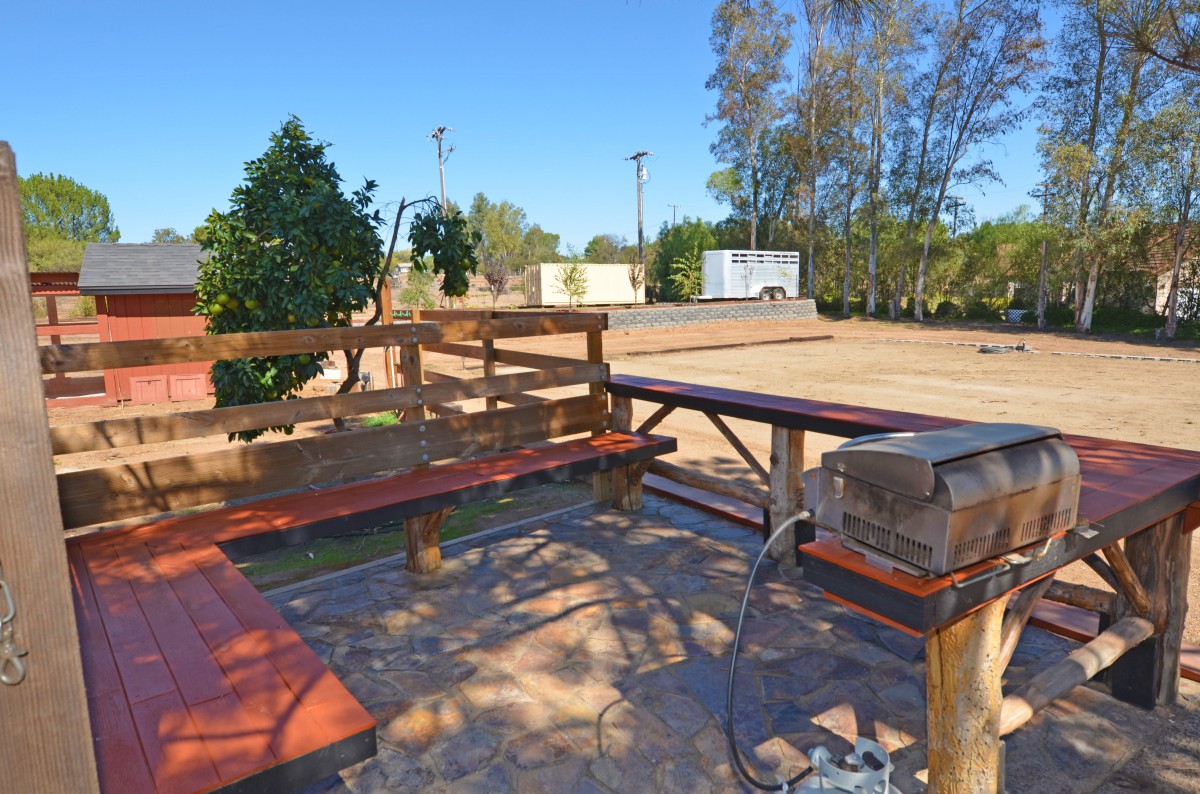
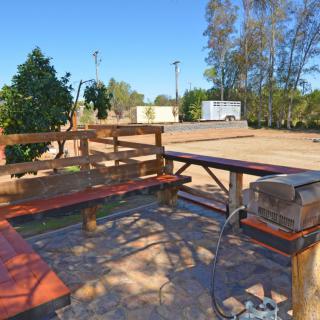
    A sunny outdoor patio area with wooden benches and a table, surrounded by trees.
  • Television

    A cozy bedroom with two twin beds, a ceiling fan, and a flat-screen TV.

Ramona Senior Lodge Assisted Living in Ramona, CA

15855 Marmac Drive, Ramona, CA 92065

For more information about senior living options: (844) 490-3973

5 from 13 reviews
5 stars
13
4 stars
0
3 stars
0
2 stars
0
1 stars
0

Assisted Living Board and Care Home Memory Care

Ramona Senior Lodge Assisted Living Costs & Pricing

Ramona Senior Lodge Assisted Living offers competitive pricing for its services, reflecting both the local and state averages for assisted living facilities. For a semi-private room, residents can expect to pay $3,500 per month, which is slightly below the San Diego County average of $3,518 and aligns closely with the broader California average of $3,333. Those seeking more privacy have the option of a private room at Ramona for $4,000 per month, a figure that matches San Diego County's private room rate but mirrors California's wider average. Additionally, for individuals desiring more space, the one-bedroom accommodations are available at $5,500 monthly - considerably above both county and state averages of approximately $4,315 and $4,340 respectively. Overall, Ramona Senior Lodge provides valuable options that cater to various preferences while remaining mindful of cost-effectiveness within the regional landscape.

Floor plansRamona Senior Lodge Assisted LivingSan Diego CountyCalifornia
Semi-Private$3,500$3,518$3,333
Private$4,000$3,939$3,939
1 Bedroom$5,500$4,315$4,340

Overall Review of Ramona Senior Lodge Assisted Living

Pros

  • pro The staff at Ramona Senior Lodge are amazing and create a welcoming, home-like environment.
  • pro The facility sits in a beautiful country setting with serene grounds and appealing outdoor spaces, including a pool.
  • pro The care provided is attentive, compassionate, and tailored to each resident, treating them like family.
  • pro Families feel confident and relieved knowing residents receive personalized care without being segregated.
  • pro The owners and leaders, Serena Nelson and Robin Ziegler, are thoughtful, professional, and genuinely care for residents.
  • pro Ramona Senior Lodge is described as one of the best care options in the region, with high ethics and a strong philosophy of care.
  • pro The lodge offers easy access to staff and doctors; residents are not treated as numbers.
  • pro The environment is pet-friendly and fosters a sense of community with engaging events.

Review

Ramona Senior Lodge Assisted Living is best suited for families seeking an intimate, home-like setting where a senior can receive highly personalized attention in a calm, country atmosphere. It appeals to residents who value a small, neighborly community with dedicated staff, open access to caregivers, and dementia care delivered within a house-like environment rather than a formal memory-care wing. The Ramona location - with mountain views, country grounds, and even horses on the property - supports a serene lifestyle that minimizes the clinical feel often found in larger campuses, making it an especially good fit for elders who thrive with predictability, routine, and close relationships with caregivers.

Those who may want to consider alternatives include families evaluating higher-acuity medical needs or a larger social ecosystem. If a loved one requires robust, around-the-clock nursing supervision, frequent on-site medical interventions, or a structured memory-care unit with a separate, clinical footprint, a larger facility could be a more suitable match. Similarly, for families prioritizing a wide array of on-site therapists, scheduled group activities, or proximity to an urban hospital and extensive ancillary services, bigger communities in or near metropolitan centers may deliver more comprehensive infrastructure. In short, this community excels in warmth and individualized care, but may not be the best fit for residents demanding high-intensity medical support or a bustling, campus-style environment.

The strongest advantages lie in the staff's genuine care, the sense of family, and the home-like framework that keeps residents connected to everyday life. Residents benefit from an atmosphere described as welcoming and attentive, with the administrator and director of operations personally involved and knowledgeable about each person. The open-door policy invites families to visit anytime, reinforcing trust and ongoing involvement. The grounds reinforce the appeal: clean, well-kept spaces, attractive views, a usable outdoor pool, and a pet-friendly policy that resonates with many seniors who want to keep a beloved companion. The small resident population ensures plenty of eyes on each member, enabling caregivers to tailor routines and respond quickly to changing needs, including dementia care integrated into the living space rather than sequestered in a separate unit.

These strengths offset several common concerns by delivering tangible, everyday benefits that large facilities often struggle to match. The ability to access staff and leadership without navigating a maze of desks and front-desk bottlenecks creates a reassuring sense of reliability. Dementia care is integrated in a way that avoids the stigmatizing separation of residents, allowing for continued family involvement and a more natural, homelike day-to-day rhythm. Doctor oversight is practical and personable, with house-call-like accessibility that reduces the friction families often face when arranging medical support. Coupled with a country setting that cultivates a tranquil daily pace, these elements collectively mitigate the emotional and logistical stress families experience when transitioning a loved one to care.

Yet some realities warrant consideration. The intimate scale, while a strength, also imposes limits on immediate resources and social programming compared with larger campuses. For families seeking a bustling activity calendar, a wide range of on-site therapies, or expansive transportation options for outings, opportunities may be more limited here. The Ramona locale, while idyllic, can pose practical challenges for emergency medical access, rapid hospital transport, or frequent specialist visits for complex conditions, depending on the care plan. And while the ethics and philosophy of care receive high praise, vacancies or staffing fluctuations - though not indicated as a current issue - can affect availability and scheduling in any small RCFE.

In the end, Ramona Senior Lodge stands out as a trusted, high-quality choice for families prioritizing intimate, compassionate care in a peaceful, country setting and for residents who thrive on personal attention and a home-away-from-home ethos. If the priority is dementia-capable, family-centered care within a small community that treats residents as relatives, this facility delivers in spades. For those whose needs lean toward higher medical acuity, larger-scale programming, or urban accessibility to services, exploring a larger RCFE or a different continuum of care may be prudent. A guided tour, focused questions about staffing ratios, dementia care protocols, and vacancy timelines will reveal how well this community aligns with specific care goals and the family's peace of mind.

Features

Housing

  • 6 resident community capacity 6 resident community capacity

Types of Care

  • Assisted Living Assisted LivingAssisted living facilities provide crucial support and care for seniors who may need help with daily tasks such as medication management, bathing, and meal preparation. These communities offer a safe and comfortable environment where seniors can maintain their independence while receiving the assistance they need to thrive in their golden years.
  • Board and Care Home Board and Care HomeBoard and care homes provide a smaller, more intimate setting for seniors who require assistance with daily tasks but do not need the level of care offered by a nursing home. They offer personalized care, meals, and social activities in a homelike environment, ensuring that seniors receive individualized attention and support in their golden years.
  • Memory Care Memory CareMemory care is crucial for seniors as it provides specialized support and services for individuals with dementia or Alzheimer's disease. These programs offer a safe and secure environment where residents receive personalized care, cognitive stimulation, and help with daily activities. Memory care helps seniors maintain their independence, quality of life, and dignity while also providing peace of mind for their families.

Pets

  • Cats allowed Cats allowed"Pet friendly" senior living communities are important for seniors because pets provide companionship, reduce feelings of loneliness and depression, promote physical activity and mental stimulation, and offer a sense of purpose and responsibility. Pets can improve overall well-being and quality of life for seniors in many ways.
  • Dogs allowed Dogs allowed"Pet friendly" senior living communities are important for seniors because pets provide companionship, reduce feelings of loneliness and depression, promote physical activity and mental stimulation, and offer a sense of purpose and responsibility. Pets can improve overall well-being and quality of life for seniors in many ways.

Amenities

  • Activities off-site Activities off-siteEngaging in off-site activities is crucial for seniors to maintain social connections, stay active, and stimulate their minds. It promotes overall well-being and helps combat feelings of isolation and loneliness.
  • Activities on-site Activities on-siteActivities on-site are important for seniors because they provide opportunities for socialization, mental stimulation, physical activity, and overall well-being. Engaging in activities can help seniors stay active, maintain their independence, and improve their quality of life.
  • Bath tubs Bath tubsBath tubs are important for seniors because they provide a safe and relaxing way to bathe, helping to prevent slips and falls while promoting independence and overall well-being.
  • Cable or satellite TV Cable or satellite TVCable or satellite TV is important for seniors because it provides entertainment, news, and companionship, helping to combat loneliness and boredom. It also offers a wide range of programming options tailored to different interests and preferences.
  • Devotional services off-site Devotional services off-siteDevotional services off-site are important for seniors as they provide spiritual nourishment, social engagement, and a sense of community outside of the senior living facility. This can enhance overall well-being and help combat feelings of isolation and loneliness often experienced by older adults.
  • Devotional services on-site Devotional services on-siteDevotional services on-site provide seniors with spiritual support and a sense of community, as well as an opportunity for reflection and guidance during their senior living experience. This can promote emotional well-being and connection to others, leading to a more fulfilling and enriching lifestyle in their later years.
  • Dining room Dining roomDining rooms are important for seniors as they provide a space for socialization, connection, and nutritious meals. They offer opportunities for residents to bond over shared meals, foster a sense of community, and promote healthy eating habits. Dining rooms also ensure that seniors have access to well-balanced meals tailored to their dietary needs and preferences.
  • Fully furnished Fully furnishedFully furnished senior living communities are important for seniors because they provide convenience, comfort, and a hassle-free moving experience. Seniors can easily settle into their new living space without the stress of having to buy and move furniture. This allows them to focus on enjoying their new home and community.
  • Garden GardenGardens are important for seniors as they provide a peaceful and therapeutic environment for relaxation, physical activity, and socialization. Being in nature has been shown to reduce stress, improve mood, and promote overall well-being. Gardens also offer opportunities for seniors to engage in gardening activities, which can improve mobility, flexibility, and cognitive function. Additionally, gardens create a sense of community and connection with others who share a passion for plants and outdoor spaces.
  • Housekeeping services Housekeeping servicesHousekeeping services are important for seniors because they help maintain a clean and safe living environment, promote independence, and reduce the risk of accidents or illnesses. Additionally, having assistance with household chores can alleviate physical strain and allow seniors to focus on other aspects of their well-being.
  • Indoor common areas Indoor common areasIndoor common areas are crucial for seniors as they provide a space for socialization, recreation, and community engagement, promoting overall well-being and reducing feelings of isolation and loneliness.
  • Move-in coordination Move-in coordinationMove-in coordination is important for seniors because it helps ease the transition into their new living environment. It ensures that all logistics, such as packing, organizing movers, and setting up utilities are taken care of, allowing seniors to focus on settling in and adjusting to their new home. Having a smooth move-in process can alleviate stress and anxiety, making the transition smoother and more enjoyable for seniors.
  • Outdoor common areas Outdoor common areasOutdoor common areas are important for seniors as they provide a space for socialization, physical activity, and relaxation. Being outside in nature can improve mood and overall well-being, while also encouraging movement and engagement with others. These spaces can help combat feelings of isolation and promote a sense of community among residents.
  • Outdoor space Outdoor spaceOutdoor spaces are important for seniors as they provide opportunities for physical activity, social interaction, exposure to natural light and fresh air, and a sense of connection to nature. Having access to outdoor spaces can improve overall well-being and quality of life for older adults living in senior communities.
  • Private PrivatePrivacy is important for seniors as it allows them to maintain their independence, dignity, and sense of control over their own lives. It also gives them the space and freedom to relax, reflect, and engage in activities that bring them joy and fulfillment. Creating private spaces within senior living facilities is crucial for promoting overall well-being and quality of life.
  • Private bathrooms Private bathroomsPrivate bathrooms are important for seniors in senior living communities because they provide independence, dignity, and comfort. Having a private bathroom allows seniors to maintain their personal hygiene routines without the need for assistance, promoting a sense of autonomy and privacy. Additionally, private bathrooms help prevent the spread of infections and provide a safe and clean environment for seniors to navigate safely.
  • Respite or short term stays offered Respite or short term stays offeredRespite or short term stays provide seniors with a temporary solution when their regular caregiver is unavailable, offering them the opportunity to receive additional care and support during times of need, while also giving caregivers a chance to rest and recharge.
  • Swimming pool / hot tub Swimming pool / hot tubSwimming pools and hot tubs are important for seniors as they provide a safe and enjoyable way to stay active, improve mobility, reduce joint pain, and promote relaxation. Regular use of these amenities can contribute to overall well-being and quality of life for older adults living in senior communities.
  • Telephone TelephoneTelephones are important for seniors as they provide a lifeline for communication with loved ones, emergency services, and healthcare providers. They offer a sense of security and independence, enabling seniors to stay connected and access assistance when needed.
  • Wheelchair accessible showers Wheelchair accessible showersWheelchair accessible showers are crucial for seniors as they provide a safe and independent bathing option for those with mobility challenges. These showers help prevent falls and allow seniors to maintain their dignity and autonomy while ensuring they can bathe comfortably.
  • Wi-Fi/high-speed internet available Wi-Fi/high-speed internet availableWi-Fi/high-speed internet is important for seniors to stay connected with loved ones, access online resources, and participate in virtual activities to combat feelings of loneliness and isolation. It also allows them to easily manage healthcare needs, access entertainment, and engage in lifelong learning opportunities.

Transportation

  • MC Clellan-Palomar Airport (22 miles away) MC Clellan-Palomar Airport (22 miles away)
  • San Diego International-Lindbergh (24 miles away) San Diego International-Lindbergh (24 miles away)

Care Services

  • 24-hour supervision 24-hour supervision24-hour supervision is important for seniors to ensure their safety, well-being, and access to immediate assistance in case of emergencies or health issues. This constant support provides peace of mind for both seniors and their loved ones, allowing them to age in place with dignity and security.
  • Activities of daily living assistance Activities of daily living assistanceActivities of daily living assistance are important for seniors because they provide essential support with tasks such as eating, bathing, dressing, and mobility. This assistance helps seniors maintain their independence, dignity, and overall quality of life as they age.
  • Ambulatory care Ambulatory care"Ambulatory care services provide essential medical support and treatment to seniors without requiring hospitalization, allowing them to maintain their independence and quality of life while managing chronic conditions or receiving routine medical care."
  • Assistance with bathing Assistance with bathingAssistance with bathing is crucial for seniors as it helps maintain personal hygiene, prevents infections, and ensures their overall well-being and comfort. It also provides a sense of dignity and independence for seniors who may struggle with this task on their own.
  • Assistance with dressing Assistance with dressingAssistance with dressing is important for seniors because it helps maintain their independence, promotes personal hygiene, prevents accidents and injuries, and improves overall quality of life. This service ensures that seniors can continue to dress comfortably and confidently, despite any physical limitations they may have.
  • Assistance with transfers Assistance with transfersAssistance with transfers is crucial for seniors as it helps prevent falls and injuries, maintains their independence, and ensures they can safely navigate their living environment. It also provides peace of mind for both seniors and their loved ones.
  • Coordination with health care providers Coordination with health care providersCoordination with health care providers is crucial for seniors to ensure proper medical care, medication management, and overall well-being. This collaboration helps prevent overlapping treatments, track progress more effectively, and provide comprehensive support tailored to individual needs.
  • Diabetes diet Diabetes dietA diabetes diet is crucial for seniors as it helps manage blood sugar levels, reduce risks of complications, and improve overall health and well-being. By following a balanced and nutritious diet tailored to their specific needs, seniors can better control their diabetes and enhance their quality of life.
  • Diabetic care Diabetic careDiabetic care is crucial for seniors as they are more susceptible to developing diabetes due to aging and other health conditions. Proper management of diabetes can help prevent complications such as heart disease, vision loss, and nerve damage, improving the overall quality of life for seniors in senior living communities.
  • High acuity care High acuity careHigh acuity care is important for seniors because it provides specialized medical attention and support for individuals with complex medical needs. This level of care ensures that seniors receive the appropriate treatment and assistance to maintain their health and quality of life as they age.
  • Incontinence care Incontinence careIncontinence care is essential for seniors to maintain their dignity, hygiene, and overall quality of life. By addressing incontinence issues promptly and effectively, seniors can enjoy a sense of independence and comfort in their daily activities.
  • Meal preparation and service Meal preparation and serviceMeal preparation and service are crucial for seniors as they may have limited mobility or energy to cook nutritious meals. Having access to healthy and convenient food options can ensure they are getting the proper nutrition needed to maintain their overall health and well-being.
  • Medication management Medication managementMedication management is crucial for seniors to ensure they are taking the right medications at the correct dosages and times. This helps prevent adverse drug interactions, reduces the risk of medication errors, and promotes overall health and well-being. Proactive management also allows for adjustments as needed based on changing health conditions or new prescriptions.
  • Special dietary restrictions Special dietary restrictionsSpecial dietary restrictions are important for seniors because age-related changes in metabolism and health conditions can make it difficult for their bodies to process certain foods. By following a diet tailored to their specific needs, seniors can maintain their overall health and well-being, manage chronic conditions, and reduce the risk of complications such as malnutrition or food interactions with medications.
  • Transportation arrangement (medical) Transportation arrangement (medical)Transportation arrangements for medical purposes are essential for seniors as they may have difficulty driving themselves to appointments or accessing public transportation. Having reliable and safe transportation options ensures that seniors can receive timely medical care and maintain their health and well-being.
  • Transportation to doctors appointments Transportation to doctors appointmentsTransportation to doctors' appointments is crucial for seniors as it ensures they have access to necessary medical care and support for their health needs. Without reliable transportation, seniors may struggle to attend important appointments, leading to potential delays in treatment and health complications. Providing transportation services helps seniors maintain their overall well-being and quality of life.
Dining

  • Diabetes diet Diabetes dietA diabetes diet is crucial for seniors as it helps manage blood sugar levels, reduce risks of complications, and improve overall health and well-being. By following a balanced and nutritious diet tailored to their specific needs, seniors can better control their diabetes and enhance their quality of life.
  • Kosher KosherKosher options are important for seniors because they adhere to dietary laws that are significant to many Jewish individuals, providing them with peace of mind and an opportunity to maintain their cultural traditions and beliefs while living in a senior living community.
  • Meals provided Meals provided"Meals provided" are crucial for seniors in assisted living communities as it ensures they have access to nutritious, balanced meals without the stress of meal planning and preparation. This can help promote overall health and well-being for seniors who may have limited mobility or cognitive abilities.
  • Special dietary restrictions Special dietary restrictionsSpecial dietary restrictions are important for seniors because age-related changes in metabolism and health conditions can make it difficult for their bodies to process certain foods. By following a diet tailored to their specific needs, seniors can maintain their overall health and well-being, manage chronic conditions, and reduce the risk of complications such as malnutrition or food interactions with medications.
  • Vegetarian VegetarianA vegetarian diet is important for seniors because it can help lower the risk of chronic diseases, maintain a healthy weight, and provide essential nutrients needed for aging bodies. Additionally, plant-based diets are often easier on digestive systems and can contribute to overall well-being in older adults.

Activities

  • Activities off-site Activities off-siteEngaging in off-site activities is crucial for seniors to maintain social connections, stay active, and stimulate their minds. It promotes overall well-being and helps combat feelings of isolation and loneliness.
  • Activities on-site Activities on-siteActivities on-site are important for seniors because they provide opportunities for socialization, mental stimulation, physical activity, and overall well-being. Engaging in activities can help seniors stay active, maintain their independence, and improve their quality of life.
  • Community-sponsored activities Community-sponsored activitiesCommunity-sponsored activities are important for seniors as they provide opportunities for social interaction, mental stimulation, and physical activity. These activities can help improve overall well-being, combat loneliness and isolation, and promote a sense of belonging and purpose among older adults.
  • Devotional activities offsite Devotional activities offsiteDevotional activities offsite are important for seniors because they provide social engagement, spiritual growth, and a sense of community outside of their living environment. This can improve overall well-being, mental health, and combat feelings of isolation or loneliness.
  • Devotional activities on-site Devotional activities on-siteDevotional activities on-site provide seniors with a sense of community, spiritual fulfillment, and emotional support, promoting overall well-being and a positive sense of purpose in their lives.
  • Scheduled daily activities Scheduled daily activitiesScheduled daily activities are important for seniors because they provide structure, socialization, mental stimulation, and physical activity. Engaging in regular activities can improve overall well-being and quality of life for seniors living in a community setting.

Description

Ramona Senior Lodge Assisted Living in Ramona, CA, is a warm and welcoming community that offers both Board and Care Home as well as Memory Care services. Our community is designed to provide support and care for seniors who may require assistance with their daily activities or have memory-related conditions.

At Ramona Senior Lodge, we prioritize the comfort and well-being of our residents. Our fully furnished accommodations include private rooms with private bathrooms, ensuring privacy and independence. The living spaces feature indoor common areas where residents can socialize and engage in various activities. We also have outdoor common areas and gardens that provide opportunities for relaxation and enjoyment of nature.

To promote an active lifestyle, we offer a range of amenities and activities. Residents can participate in on-site activities that are designed to encourage physical, mental, and social stimulation. We also organize community-sponsored events and devotional activities both on-site and off-site to cater to the spiritual needs of our residents.

As part of our commitment to excellent care, our dedicated staff provides assistance with Activities of Daily Living (ADLs) such as bathing, dressing, transfers, and ambulatory care. We ensure the coordination of healthcare services with providers to meet the specific medical needs of our residents. Medication management is provided along with specialized care for diabetics.

Nutrition is essential to overall health, which is why we offer a variety of dining options tailored to individual dietary preferences such as kosher, vegetarian, and special dietary restrictions. Meals are provided on-site with careful attention given to meal preparation and service.

Our convenient location ensures easy access to nearby parks for outdoor recreation as well as pharmacies for medication needs. Residents have access to quality healthcare with physicians located nearby. Additionally, there are several restaurants within close proximity for dining out options.

At Ramona Senior Lodge Assisted Living in Ramona, CA, we strive to create a nurturing environment where seniors can receive personalized care while enjoying an engaging lifestyle.

Nearby Places of Interest

This area of Ramona, California offers a variety of amenities and services that may be appealing for those considering senior living. With multiple pharmacies nearby, convenient access to healthcare is available. There are also several restaurants and cafes in the vicinity, providing options for dining out or grabbing a quick bite to eat. Additionally, there are parks and theaters for leisure activities, as well as transportation options at the Del Lago Station and Sabre Springs Parkway Transit Center. Places of worship are also within reach for those looking to maintain their spiritual practices. Overall, this part of Ramona provides a diverse range of resources and facilities that could enhance the quality of life for seniors looking to settle in the area.

Restaurants

  • Popeyes Louisiana Kitchen (3.2 miles)
  • The Hop Stop (7 miles)
  • Bernardo Winery (7.4 miles)
  • Chick-Fil-A (7.5 miles)
  • Thorntree Terrace (7.9 miles)
  • Orfila Vineyards (8.3 miles)
  • In-N-Out Burger (8.5 miles)

Pharmacies

  • CVS Pharmacy (3.2 miles)
  • Rite Aid (3.4 miles)
  • Walgreens (7.6 miles)
  • CVS Pharmacy (8.6 miles)
  • CVS Pharmacy (8.7 miles)
  • CVS Pharmacy (8.9 miles)
  • Rite Aid (9 miles)

Parks

  • Iron Mountain Trailhead (3.4 miles)
  • Old Poway Park (7 miles)
  • Lucido Park (8.2 miles)
  • Rancho Bernardo Community Park (9.2 miles)
  • Kit Carson Park (9.3 miles)
  • Rolling Hills Park (9.8 miles)
  • Semillon Boulevard. Mini Park (10.5 miles)

Physicians

  • Dr Susan Homesley's Office (3.5 miles)
  • David S Dassoff MD (3.7 miles)
  • Family Allergy & Immunology Medical Group (7.8 miles)
  • San Diego Advanced Orthopedic (7.8 miles)
  • Valle Verde Pediatrics (7.8 miles)
  • Psycare (7.8 miles)
  • Tara Brown, MD - North County Eye Center (7.8 miles)

Cafes

  • Okavango Outpost (7.5 miles)
  • Panera Bread (9 miles)
  • Angelika Film Center & Cafe - Carmel Mountain (9.3 miles)
  • Starbucks (9.4 miles)
  • Mostra Coffee 4S (10.9 miles)
  • Starbucks (11.4 miles)
  • Starbucks (11.7 miles)

Theaters

  • AMC DINE-IN Poway 1 (7.6 miles)

Hospitals

  • Pomerado Hospital (7.7 miles)
  • Scripps Clinic Rancho Bernardo (9 miles)

Transportation

  • MTS Del Lago Station (9.7 miles)
  • Sabre Springs Parkway Transit Center (10.1 miles)

Places of Worship

  • Our Lady Of Perpetual Help Cathollc Church (10.1 miles)
  • Saint Gregory The Great Catholic Church (10.4 miles)
  • Our Lady of Mount Carmel Church (10.8 miles)

Frequently Asked Questions

How much does it cost to live at Ramona Senior Lodge Assisted Living in Ramona, CA?
Where is Ramona Senior Lodge Assisted Living?
Does Ramona Senior Lodge Assisted Living provide care for residents with dementia or Alzheimer's disease?
Does Ramona Senior Lodge Assisted Living allow residents to have pets?
What photos are available for Ramona Senior Lodge Assisted Living in Ramona, California?

Nearby Communities

  • Sunny Meade Guest Home

    Sunny Meade Guest Home

    Ramona, CA

    4.5 from 100 reviews
     

    pro Supportive staff with regular activities and nearby pharmacies/physicians.

  • Rose Garden Senior Care

    Rose Garden Senior Care

    Ramona, CA

    3.2 from 35 reviews
     

    pro Small, personalized board-and-care with 24/7 supervision, meds, and meals.

  • Michael's House

    Michael's House

    Ramona, CA

    5 from 4 reviews
     

    pro Nearby pharmacies and physicians provide easy access to healthcare.

  • Ramona Senior Manor

    Ramona Senior Manor

    Ramona, CA

    4.9 from 34 reviews
     

    pro Clean, well-maintained facility with friendly staff and a welcoming, home-like vibe.

  • Garden of the Palms

    Garden of the Palms

    Ramona, CA

    5 from 1 review
    $3,200 to $3,500 / month

    pro Pristine, well-maintained facility with attentive staff and extra services.

  • Mountain Valley View

    Mountain Valley View

    Lakeside, CA

    5 from 82 reviews
     

    pro Intimate 6-bed community with personalized care and engaging activities.

  • Cadence At Poway Gardens - The Oaks

    Cadence At Poway Gardens - The Oaks

    Poway, CA

    4.4 from 8 reviews
    $6,500 / month

    pro Memory care and assisted living with 24-hour supervision, dementia programming, and comprehensive support; fully furnished units, housekeeping, transportation to appointments.

  • Villa Rancho Bernardo

    Villa Rancho Bernardo

    San Diego, CA

    3.6 from 141 reviews
     

    pro Well-maintained, clean facility with attentive staff and effective rehab services; bright, pleasant dining areas.

  • Villa Rancho Bernardo Care Center

    Villa Rancho Bernardo Care Center

    San Diego, CA

    3.5 from 110 reviews
     

    pro Strong staff communication and a clean, well-equipped rehab environment.

Related Resources

  • sundown syndromeComprehending Evening Confusion in Dementia: Causes, Manifestations, and Support

    Sundown syndrome, or sundowning, is a phenomenon in dementia patients characterized by increased confusion and agitation during late afternoon and evening, influenced by factors like disrupted circadian rhythms and fatigue. Effective caregiver strategies include establishing routines and managing environmental light while addressing caregiver stress through support services.

  • delirium vs dementiaDelirium and Dementia: Unraveling the Key Differences

    Delirium is a rapidly onset, reversible cognitive disturbance often caused by acute medical issues, while dementia is a gradual and irreversible decline due to chronic neurodegenerative diseases. Accurate differentiation between the two is essential for appropriate treatment and management in older adults.

  • can you die from dementiaAre Dementia and Alzheimer's Disease Lethal? A Comprehensive Exploration

    Dementia, including Alzheimer’s disease, is often mischaracterized in terms of lethality as it leads to complications that can be fatal rather than being a direct cause of death; it causes a progressive decline in cognitive and physical health, making patients vulnerable to infections and other health crises. Effective management of nutrition, hydration, and communication is crucial in patient care, with palliative care becoming vital in advanced stages to enhance comfort and quality of life while caregivers play a key role amidst the challenges posed by the disease.