
16148 Woodson Crest Rd, Ramona, CA 92065
To contact a resident: (760) 788-1664
For more information about senior living options: (866) 208-4318
Garden of the Palms Costs & Pricing
Garden of the Palms offers competitive pricing for its residents, especially when compared to the broader benchmarks of San Diego County and California as a whole. For semi-private rooms, Garden of the Palms charges $3,200 per month, notably lower than the county average of $3,518 and the state average of $3,333. In terms of private accommodations, their monthly rate stands at $3,500 - again more affordable than the county's $3,939 figure. These rates reflect a commitment to providing quality care and comfortable living environments while remaining mindful of affordability in an increasingly challenging housing market.
| Floor plans | Garden of the Palms | San Diego County | California |
|---|---|---|---|
| Semi-Private | $3,200 | $3,518 | $3,333 |
| Private | $3,500 | $3,939 | $3,939 |
Senior living communities with a similar price nearby
-
from -$350 / mo
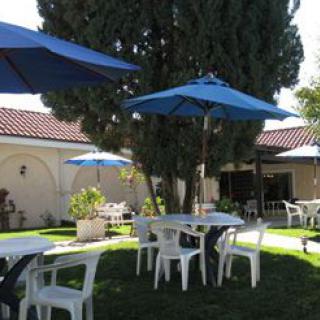
Alpine View Lodge
$2,850 to $3,550 / month16.8 miles away -
from +$300 / mo
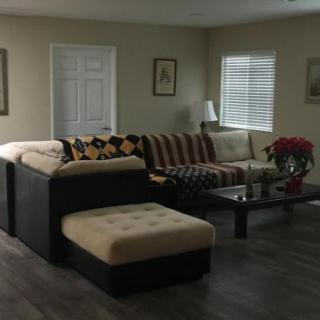
Gold Coast Senior Care
$3,500 to $4,500 / month10.8 miles away -
About the same
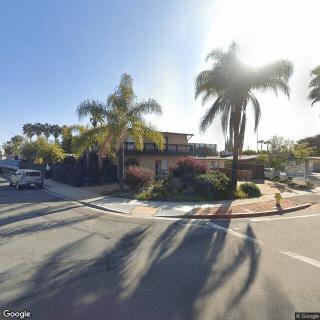
Wellspring Assisted Living
$3,200 to $4,000 / month15.3 miles away -
from +$300 / mo

Ramona Senior Lodge Assisted Living
$3,500 to $5,500 / month4.1 miles away -
from +$600 / mo
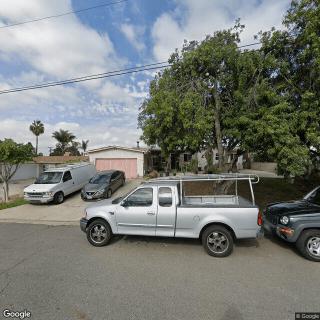
Casa Primavera
$3,800 to $4,800 / month20.7 miles away
Overall Review of Garden of the Palms
Pros
 The community is neat and clean.
- The staff is attentive to the residents.
- They offer services beyond the normal options.
- The food is great.
- There are activities for residents to enjoy.
- The reviewer would recommend this community to others.
Cons
 None found.
Review
Garden of the Palms in Ramona is best suited for seniors who value a neat, well-maintained environment where staff are attentive and residents can rely on a steady rhythm of activities and predictable daily life. The community appears ideal for individuals who want reassurance that cleanliness and personal care are handled with care, and who appreciate the ability to add on services beyond the baseline offerings. Potential residents who prefer fewer structured programs or who need highly specialized medical or memory-care support may not find this setting fully meeting those needs. For families seeking a practical blend of decent dining, social engagement, and reliable staffing, Garden of the Palms presents itself as a sound fit.
Those considering alternatives should weigh price sensitivity and the desire for more comprehensive care options. The single review provides no pricing details, no mention of memory-care specialization, and no discussion of hospital partnerships or clinical staffing levels. If a tighter bottom line or a broader spectrum of medical services is non-negotiable, other communities may deliver that mix more clearly. Prospective movers should also explore whether the on-site services can scale with escalating care needs, and how flexibility is handled as health conditions evolve.
On the positive side, the description of the community as neat and clean, with staff who are attentive to residents, matters a great deal for daily quality of life. Cleanliness and visible attentiveness reduce common irritants in care settings, uncertainty about who handles tasks, and worry about lapses in routine. The availability of additional services beyond the standard package signals a willingness to tailor support without forcing a move to a higher level of care prematurely. Great, well-balanced meals that are improving in preparation address a frequent complaint in senior living, helping residents not only eat better but feel more at home. The presence of organized activities further mitigates isolation and provides meaningful structure in the week.
However, the lack of concrete information on cost, contract terms, and the full spectrum of care offered creates natural friction in the decision process. Without pricing transparency, families must verify whether the value aligns with their budget and whether any add-on services come with predictable monthly fees or renegotiate during changes in health status. Likewise, the review does not address vacancy levels, staffing ratios by shift, or the availability of memory-care or higher-acuity options within the same campus. These unknowns could tilt the balance for residents who anticipate rapid changes in care needs or desire a seamless transition within the same community.
From a decision-making standpoint, Garden of the Palms offers compelling strengths that often translate into tangible daily benefits: dependable cleanliness, a responsive staff presence, and engaging programming that keeps residents socially engaged. The added services on top of the standard package are a practical signal that the community is oriented toward customization rather than a one-size-fits-all approach. This combination can offset the risk of feeling invisible in a larger facility, where care may feel impersonal. For families prioritizing a warm, resident-centered feel, these elements are a strong match.
The practical takeaway is clear: Garden of the Palms should be on the short list for seniors who want a pleasantly run environment with active engagement and the option to layer in services as needed. It is particularly well-suited for those who value meticulous upkeep, demonstrated attentiveness, and meals that are already resonating more positively with residents. Those weighing alternatives should insist on seeing a current menu, a sample activity calendar, and detailed, written information about pricing and care levels. A campus tour with a current resident or family can reveal how well the stated strengths translate into day-to-day life. In the end, Garden of the Palms stands as a prudent, capable choice for many Ramona-area families, provided due diligence confirms cost and care-fit align with expectations.
 Board and Care Home
 Bath tubs
 Beautician on-site
 Indoor common areas
 Private
 Private bathrooms
 MC Clellan-Palomar Airport (18 miles away)
 Diabetic care
 High acuity care
 Meals provided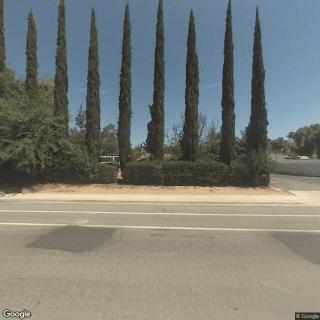

 Urinary Tract Infections in Older Adults: Comprehensive Insights on Symptoms, Treatment, and Prevention
 California's Form 602A: An In-Depth Examination of Senior Care Assessment
 Comprehensive Look at Senior Blood Pressure Charts: Normal and Elevated Levels by Age