

16031 Pomerado Road, Poway, CA 92064
For more information about senior living options: (866) 208-4318
Pomerado Manor Costs & Pricing
At Pomerado Manor, the monthly costs for accommodations are competitively priced, especially when compared to broader regional averages. For a semi-private room, residents can expect to pay $3,000 per month, which is notably lower than the San Diego County average of $3,518 and California's average of $3,333. Similarly, the cost for a private room at Pomerado Manor is set at $4,000, aligning with the county-average but significantly above California's statewide pricing of $3,939. Overall, Pomerado Manor offers an appealing financial option for those seeking quality care in a comfortable setting while remaining mindful of the economic landscape in both San Diego County and across California.
| Floor plans | Pomerado Manor | San Diego County | California |
|---|---|---|---|
| Semi-Private | $3,000 | $3,518 | $3,333 |
| Private | $4,000 | $3,939 | $3,939 |
Assisted Living communities with a similar price nearby
-
from -$150 / mo

Alpine View Lodge
$2,850 to $3,550 / month19.2 miles away -
from +$200 / mo

Wellspring Assisted Living
$3,200 to $4,000 / month14.9 miles away -
from +$500 / mo

Ramona Senior Lodge Assisted Living
$3,500 to $5,500 / month7.7 miles away -
from -$500 / mo

Golden Retreat - Senior Residential Care
$2,500 to $3,000 / month16.9 miles away -
from +$250 / mo

Mountain View Manor
$3,250 / month20.0 miles away
Overall Review of Pomerado Manor
Pros
 The staff are great and their hearts are in the right place.
- The facility is clean and quiet, with friendly staff.
- Pomerado Manor was wonderful, and the manager is very professional.
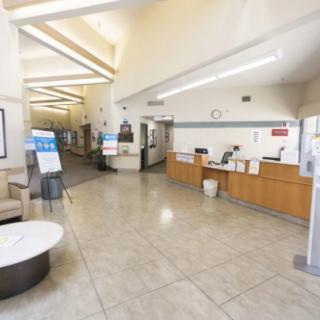
- The facility is clean, open, and expansive.
- The staff are nice, accommodating, and forthcoming.
- The owner invested in an electronic exterior fence monitored by a keypad.
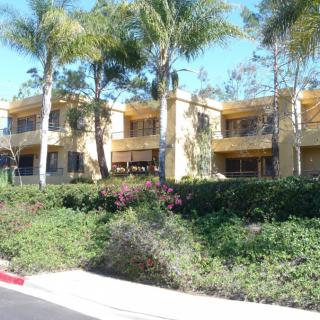
- The grounds are beautiful, with roses and greenery.
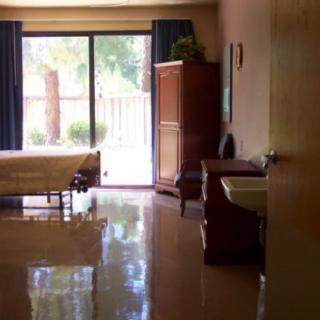
- The rooms are bright and welcoming, and the open floor plan is inviting.
- The staff are welcoming and provide a lot of information.
- Residents have made great progress and are enjoying activities.
- The facility is beautiful and pays great attention to individual needs.
- The owner is extremely caring and hands-on.
Cons
 The reviewer wouldn't really recommend them.
- The reviewer's loved one was generally stuck in her room.
- The reviewer never felt they were treated as a human being, especially an elder.
- The staff were often on their phones, leaving residents to sit in chairs too afraid to move around.
- The live-in caregiver model is flawed and doomed when the administration refuses to listen to constructive criticism.
- A negative noted was the limited English of some staff.
- Care services would not be provided unless a family member is on their way out.
Review
Pomerado Manor is best suited for families seeking a small, intimate living environment where personal attention, cleanliness, and homelike comfort trump large-scale programming. With only about 15 beds, the community feels quiet, personal, and manageable, and the grounds and interior spaces have a welcoming, open layout. Prospective residents who value professional oversight from a hands-on owner and a stable, long-tenured nursing presence will likely appreciate the consistent leadership they will encounter here. The setting near a hospital adds a practical edge for families weighing medical contingency planning, and the option to customize meal times and social spaces supports independent routines in a relaxed atmosphere.
On the positive side, several reviews emphasize genuine warmth from staff and a culture of accommodating resident preferences. Families highlight a clean, bright environment with an open floor plan that invites social interaction without sacrificing privacy. The grounds, including rose beds and greenery, create a calm backdrop for everyday living, and the facility’s willingness to tailor daily schedules, such as flexible breakfast service, speaks to a person-centered ethos. Notably, the owner is described as deeply invested and professional, with a visible commitment to the community that translates into concrete improvements, like a monitored exterior fence for security and the sense that leadership is actively listening to families’ concerns.
Yet, the testimonials also reveal meaningful drawbacks that families must weigh. A recurring concern centers on perceived limitations in care delivery: in some cases, residents seemed to be receiving basic companionship and supervision rather than intensive caregiving, with comments suggesting care emphasis shifts only when a resident is nearing end of life. Several reviews recount moments of staff being preoccupied with personal devices, leaving families waiting or feeling secondary to administrative noise. The mix of experiences includes critiques about responsiveness and the administration’s receptiveness to feedback, which creates a cautionary note for those needing robust, consistently proactive care day in and day out.
These contrasts matter because they partly offset the advantages. The very small size and close staff-resident relationships can deliver warmth, individualized attention, and quick shifts in routine that larger facilities struggle to emulate. A long-tenured nurse and a family-owned feel give credibility and stability that often translate into a more respectful treatment of residents and consistent routines. The downside is that this can come with a ceiling on medical intensity and program breadth; residents requiring ongoing, comprehensive medical management, strong activity programming, or highly experienced cognitive support may not find the level of care they expect here. English proficiency gaps among some staff further complicate communication for families seeking seamless clarity around care plans.
For families evaluating alternatives, this community should be weighed against larger assisted living campuses that offer higher staff-to-resident ratios, more structured medical oversight, and specialized care tracks (memory care, rehab, dense activity calendars). Those who prize abundant social programming, notable clinical resources, or multilingual staff may find other options a better fit. If cost matters, Pomerado Manor’s lower fees can be attractive, but the price advantage should not blind reviewers to the potential need for supplemental outside care or tighter internal oversight elsewhere. The decision will hinge on whether the priority is a homey, quiet, highly personal environment or a setting with more robust, consistently available medical support and a broader continuum of services.
In the end, Pomerado Manor delivers a practical blend of warmth, cleanliness, and personal touch in a compact, well-kept package. It excels for families who want a small, well-managed environment where residents can maintain routines, enjoy scenic surroundings, and benefit from hands-on leadership. It is less well-suited for those whose loved ones require intensive, round-the-clock caregiving, highly proactive clinical management, or expansive programming and language support. Prospective residents should visit, observe staff interactions across shifts, and specifically query care planning, escalation procedures, and language accommodations. The right fit will feel like a calm, secure home with capable leadership; the wrong fit will feel like a site whose strengths, intimacy and attentiveness, do not fully address the demands of higher-level care.
 15 resident community capacity
 Assisted Living
 Board and Care Home
 Activities on-site
 Cable or satellite TV
 Dining room
 Fully furnished
 Garden
 Housekeeping services
 Move-in coordination
 Outdoor space
 Private
 Respite or short term stays offered
 Telephone
 Wi-Fi/high-speed internet available
 MC Clellan-Palomar Airport (15 miles away)
 24-hour supervision
 Ambulatory care
 Assistance with bathing
 Assistance with dressing
 Assistance with transfers
 Diabetes diet
 Diabetic care
 Incontinence care
 Meal preparation and service
 Medication management
 Special dietary restrictions
 Transportation arrangement (medical)
 Transportation to doctors appointments
 Catholic services




 An Extensive Exploration of the VA Aid and Attendance Benefit
 Senior Transition Services: Understanding Their Role, Cost, and Importance
 Exploring the Path to Senior Living: A Comprehensive Look at Independent Living and Assisted Living