
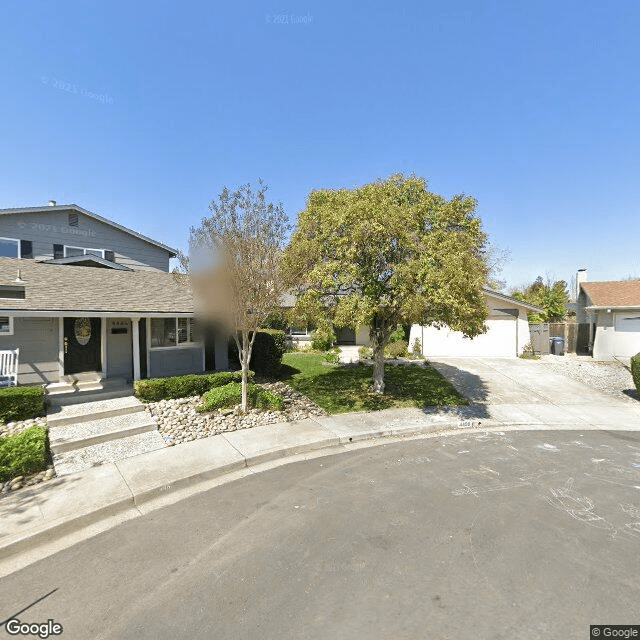
4498 Bacon Court, Pleasanton, CA 94588
For more information about senior living options: (866) 208-4318
Serene Care Costs & Pricing
At Serene Care, we offer competitive monthly rates designed to provide exceptional value in a comfortable environment. For our private rooms, the cost is notably set at $2,000 per month, significantly lower than the average of $4,088 found in Contra Costa County and $3,939 statewide across California. Our studio options are also attractively priced at $2,500, compared to the county average of $4,358 and a statewide average of $4,145. These pricing advantages reflect our commitment to delivering high-quality care without compromising on comfort or accessibility.
| Floor plans | Serene Care | Contra Costa County | California |
|---|---|---|---|
| Private | $2,000 | $4,088 | $3,939 |
| Studio | $2,500 | $4,358 | $4,145 |
Memory care communities with a similar price nearby
-
About the same
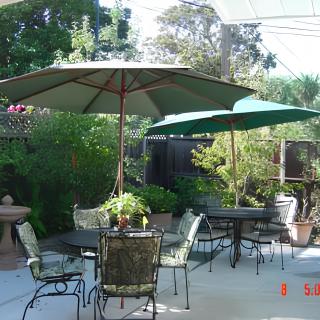
Sunny Orchard Place
$1,995 to $3,700 / month24.3 miles away -
from +$199 / mo
Paradise Residential Care Home in Mountain House
$2,199 to $3,199 / month20.8 miles away -
from -$100 / mo
Concord Royale
$1,900 to $4,900 / month19.5 miles away -
from +$295 / mo

Westmont of Milpitas
$2,295 to $6,395 / month19.5 miles away -
from -$200 / mo
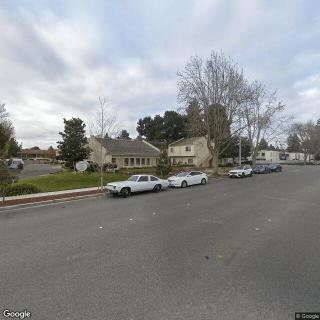
Fremont Village
$1,800 to $3,495 / month10.4 miles away
Overall Review of Serene Care
Pros
 The atmosphere is welcoming and the staff are professional.
- Delta Senior Referral Services maintains high standards in selecting care homes.
- Delta Senior Referral Services has identified a five-star board-and-care at Serene Residential Care Home.
- Serene Residential Care Home is located in a good-quality neighborhood.
- First impressions of Serene Care Home show the owner is actively engaged with residents.
- Residents at Serene Care Home are well groomed and well cared for.
- The home is clean, well kept, and inviting, with residents greeting visitors with smiles.
- The owners conduct due diligence to ensure residents are a good fit for their care.
- This approach benefits residents, families, and other residents currently in the home.
- All three care homes owned by the same person are clean and uncluttered inside and out.
Cons
 Delta Senior Referral Services notes that not all care homes fit the bill.
- Delta Senior Referral Services states that not everyone is someone they can serve.
- One reviewer says that while the atmosphere is very warm and caring, it is not right for her.
Review
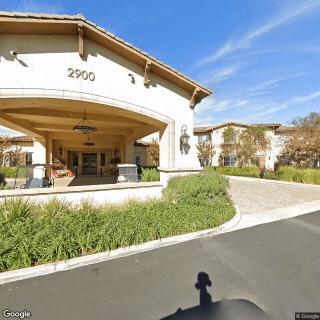
Serene Care in Pleasanton is best suited for families seeking a small, home-like board-and-care setting where personal attention, a calm atmosphere, and hands-on ownership drive daily life. The community appeals to seniors who value predictable routines, warm interaction with caregivers, and consistently clean, well-kept surroundings. It fits residents who want to feel part of a neighborhood, rather than entering a large, impersonal campus. The strongest signals are a homelike dining and living environment, staff who are professional, and an ethos that treats residents as individuals rather than numbers.
Those who may want to consider alternatives include seniors requiring higher levels of medical oversight or frequent on-site nursing, as well as families seeking a broader spectrum of medical or rehabilitation services. The intimate scale of a board-and-care may not deliver the level of clinical support some conditions demand. One credible observer noted that warmth and care do not automatically mean the setting is right for every person, underscoring that fit hinges on specific care needs, independence levels, and personal preferences. For residents who crave extensive social programming, larger activity calendars, or more privacy options, alternatives with more robust on-site amenities could be a better match.
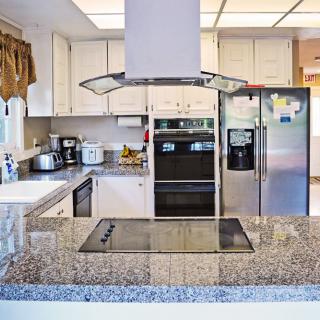
The key pros clearly offset many common concerns in this niche. The atmosphere is consistently welcoming, with professional staff who show up with reliability and courtesy. Owners who are actively engaged with residents create a sense of accountability and continuity that families often seek. The home’s cleanliness and tidiness, paired with well-groomed residents and the aroma of freshly prepared meals, reinforce a genuine home feel. A deliberate emphasis on screening for fit helps ensure that new arrivals share compatible rhythms with existing residents, reducing friction and preserving harmony within the household. The sense that the community sits in a good neighborhood further supports a stable, low-stress living environment.
Despite the strengths, the main drawbacks stem from the inherent limits of a smaller, residential setting. The care model emphasizes warmth and personal interaction, but it cannot substitute for a full roster of on-site medical services or the breadth of programs found in larger facilities. For some seniors, this translates into a need to arrange external care or accept a lighter level of on-site clinical support. The “not right for her” sentiment echoed in one experience highlights that personal chemistry, activity preferences, and medical requirements will determine suitability. Potential residents who prioritize extensive rehabilitation, focused therapy, or a highly structured, campus-like activity schedule may find Serene Care lacking in certain conveniences.
When weighing the positives against the drawbacks, Serene Care delivers a compelling value for families prioritizing a genuine home atmosphere, meticulous attention to resident fit, and a hands-on owner who models accountable care. The strong staffing ethos and clean, welcoming setting offer tangible assurance that daily life will feel safe and comfortable. The careful intake approach helps minimize mismatches, which can otherwise lead to restless transitions. However, for seniors with more intensive care needs or those who expect expansive amenities and comprehensive on-site medical services, the advantages may not fully compensate for the limited scale. The decision rests on whether the resident’s needs align with a tight-knit, home-forward model.
Bottom line: Serene Care is a strong contender for families prioritizing a warm, intimate, and well-maintained home environment in Pleasanton, with staff dependability and a clear commitment to matching residents to the right fit. It is less suited for those requiring heavy clinical support, wide-ranging activities, or premium privacy options found in larger assisted living communities. For a senior who thrives on personal connection, predictable routines, and a genuine “home away from home” feel, this board-and-care setting offers practical, experienced value. Families should test compatibility with the owner, assess current and anticipated care needs, and compare alternatives that broaden medical oversight and program breadth before deciding.
 6 resident community capacity
 Assisted Living
 Board and Care Home
 Memory Care
 Respite Care
 Cable or satellite TV
 Dining room
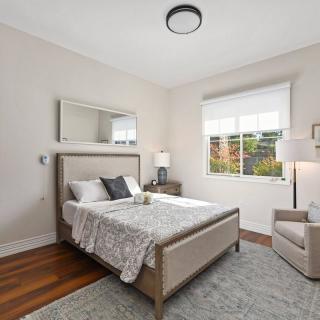
 Fully furnished
 Garden
 Housekeeping services
 Move-in coordination
 Outdoor space
 Private
 Telephone
 Wi-Fi/high-speed internet available
 Metropolitan Oakland International (17 miles away)
 24-hour supervision
 Activities of daily living assistance
 Assistance with bathing
 Assistance with dressing
 Assistance with transfers
 Diabetes diet
 Diabetic care
 High acuity care
 Meal preparation and service
 Medication management
 Special dietary restrictions
 Transportation arrangement (medical)
 Transportation to doctors appointments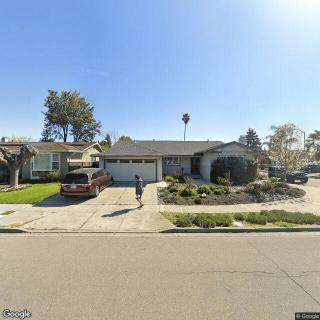


 Delirium and Dementia: Unraveling the Key Differences
 Are Dementia and Alzheimer's Disease Lethal? A Comprehensive Exploration
 Exploring the Power of Reminiscence Therapy for Individuals With Dementia