
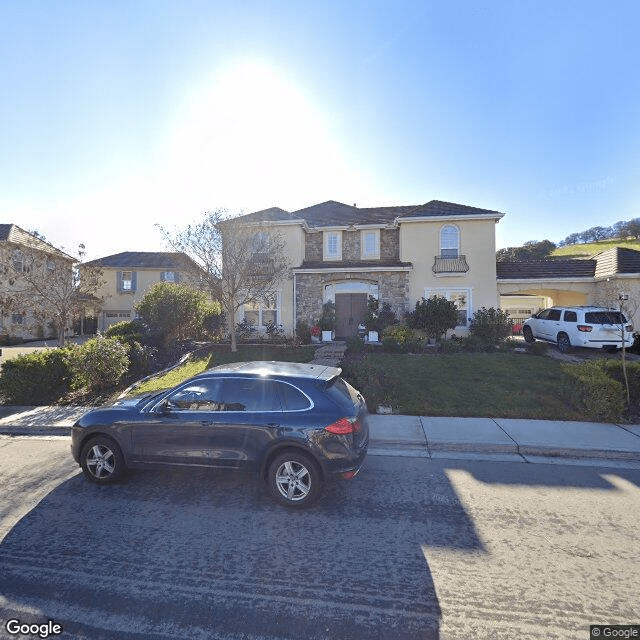
1328 Montrose Place, Pleasanton, CA 94566
For more information about senior living options: (866) 208-4318

Overall Review of Bordeaux Senior Care
Pros
 The caregivers are loving and thoughtful, going above and beyond to make residents feel safe.
 - The home is clean, the food is good, and there is joy in the environment.
- Residents thrive because they feel safe and loved.
- Cristina Nica is kind, medically knowledgeable, and deeply involved in care.
- Caregivers hug residents, tell them they are loved, and care for them like family.
- The facility offers continuity of care through end of life, including hospice, in a warm, homelike setting.
- The home is intimate and well maintained, with residents treated with patience, love, and respect.
- Families repeatedly note that the staff go above and beyond and provide exceptional care for their loved ones.
Review
This community is best suited for families seeking a small, homelike environment where an intimate team provides highly personalized, hands-on care. With a six-resident capacity and two full-time caregivers, the setting prioritizes relationships, safety, and daily continuity. Residents who value warmth, individualized attention, and a home feel over the amenities of a larger, more clinical campus will find this to be a natural fit. The owner’s active involvement and the medically informed leadership create a care culture that reads as family-centered and consistently attentive to each person’s comfort and dignity.
Those who may want to consider alternatives are families facing higher-acuity needs or seeking robust programming and clinical depth beyond what a six-resident home can reliably deliver. If a loved one requires extensive rehabilitation, high-frequency medical oversight, complex memory-care protocols, or a broad roster of on-site activities and specialized therapies, a larger licensed facility will likely be a better match. For families chasing sizable social calendars, structured daily schedules, or easily scalable support, the intimate model may feel limiting after the initial transition.
The strongest advantages center on emotional warmth and medical-minded care. Caregivers are described as loving, thoughtful, and deeply invested in each resident’s sense of safety and belonging. The home’s cleanliness, welcoming atmosphere, and even the quality of meals contribute to a consistently positive daily experience. The owner’s nursing background and ongoing clinical sensibility translate into precise, compassionate care, with families expressing confidence that medical needs are understood and managed with competence. The ability to provide hospice services without disrupting the continuity of care stands out as a rare, meaningful strength.
These advantages offset the potential drawbacks by fostering a sense of “home first,” where residents are treated with patience, respect, and personal attention. A small team operating under seasoned leadership reduces the risk of miscommunication and enables rapid adjustments as care needs shift, whether a resident requires more assistance with mobility, daily routines, or end-of-life planning. The intimate environment also minimizes isolation, allowing family members to stay engaged in a way that feels natural and reassuring. Yet the same strengths reveal a practical limit: when medical complexity grows beyond the staff’s capacity, the home may not provide the breadth of on-site resources available at larger facilities. The combination of a tight-knit staff and a family-style ethos is superb for many seniors, but not a substitute for comprehensive clinical infrastructure.
Prospective families should verify several practical points during a visit. Inquire about caregiver-to-resident ratios across day and night shifts and how coverage is handled during vacations or illnesses. Confirm the facility’s capacity to manage evolving care needs, including hospice plans, medication management, and coordination with outside medical providers. Ask about mobility support, dialysis logistics if relevant, and the availability of meaningful daily activities that align with a resident’s interests. Finally, observe the interpersonal dynamics during tours: do residents appear genuinely engaged, and do staff interactions convey the same care that families describe in testimonials? These questions help confirm whether the home’s strengths align with the specific care trajectory of a loved one.
In sum, Bordeaux Senior Care in Pleasanton stands out for families prioritizing a remarkably warm, caregiver-driven, home-like setting anchored by medical-savvy leadership. It is an excellent match for seniors who thrive on personal connections, consistent daily routines, and a sense of belonging that feels like family. It is less suited for those with high-acuity needs demanding substantial clinical resources, or for families seeking a large, activity-rich campus with broad programming. A well-timed visit, with explicit questions about staffing, hospice continuity, and care flexibility, will reveal whether this intimate manor of care is the right home or if a larger option should be pursued to meet longer-term clinical demands.
 6 resident community capacity
 Assisted Living
 Board and Care Home
 Cable or satellite TV
 Dining room
 Fully furnished
 Garden
 Housekeeping services
 Move-in coordination
 Outdoor space
 Telephone
 Wi-Fi/high-speed internet available
 San Jose International (21 miles away)
 24-hour supervision
 Activities of daily living assistance
 Assistance with bathing
 Assistance with dressing
 Assistance with transfers
 Diabetes diet
 Meal preparation and service
 Medication management
 Special dietary restrictions
 Transportation arrangement (medical)
 Transportation to doctors appointments




 A Detailed Exploration of Assisted Living Medicaid Waivers Across the United States
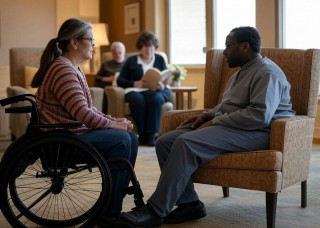 Comprehensive Residential Support and Assisted Living Solutions for Individuals with Disabilities
 Comprehensive Supportive Living Arrangements for Adults with Disabilities