
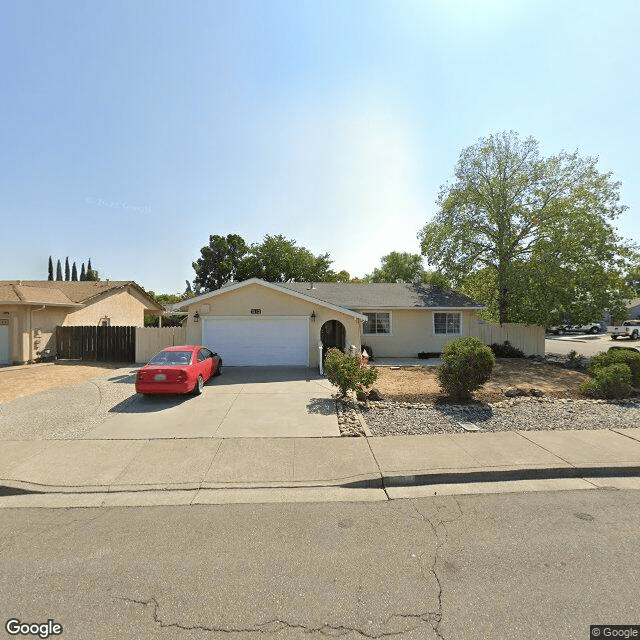
1542 Peridot Drive, Livermore, CA 94550
To contact a resident: (925) 292-1176
For more information about senior living options: (866) 208-4318
Gigi's Guest Home Costs & Pricing
Gigi's Guest Home offers competitive pricing for its private rooms at $3,500 per month, making it a favorable option compared to the average costs in Stanislaus County and throughout California. Within Stanislaus County, the average monthly rate for similar accommodations is $3,754, while prices across the state reach approximately $3,939. This positioning not only highlights Gigi's commitment to providing affordable care but also reflects its focus on delivering quality services that cater to the needs of residents and their families. The pricing strategy underscores Gigi's Guest Home as a valuable choice for those seeking comfort and support without compromising on cost.
| Floor plans | Gigi's Guest Home | Stanislaus County | California |
|---|---|---|---|
| Private | $3,500 | $3,754 | $3,939 |
Senior living communities with a similar price nearby
-
from -$500 / mo
Golden Harmony Elderly Care
$3,000 / month22.1 miles away -
from -$600 / mo
Parkside Manor
$2,900 to $3,600 / month5.2 miles away -
from -$500 / mo
Laylor Care Home For The Elderly
$3,000 to $4,000 / month20.4 miles away -
from -$500 / mo

Palm Garden Home Care
$3,000 to $4,000 / month15.6 miles away -
from +$500 / mo
Golden Age Of Channing Way
$4,000 to $5,000 / month24.9 miles away
Overall Review of Gigi's Guest Home
Pros
 Khivi Care is described as a real home rather than a facility, with a warm, professional staff.
 - Sharan and Rani are praised for creating a warm, safe, engaging environment that treats residents like family.
- Residents are respected, loved, and able to be their best selves while receiving the comfort and care they need.
- The home provides 24-hour, awake overnight care, with staff available around the clock.
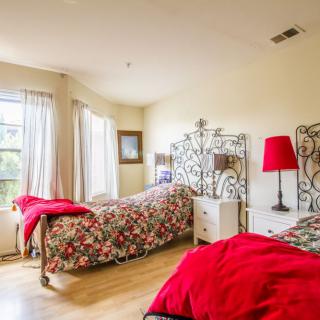
- The facility is clean, bright, and tastefully decorated, with a sunny garden and outdoor spaces.
- Meals are home-cooked, organic, nutritious, and varied, with dining as a social experience.
- Residents stay socially engaged through activities and group interactions, supporting health and wellbeing.
- Professionals and families describe Khivi Care as top-notch, highly recommended, and a blessing.
Review
This Livermore residential care home is best suited for families seeking a warm, home-like setting where a small, attentive staff treats residents as family. The emphasis is on daily life as a lived-in, comfortable home: home-cooked meals, shared conversations at meals, garden time, and light activities that keep seniors socially engaged. The defining advantage is a 24-hour awake staffing model that allows immediate help at night, along with highly personalized attention from owners and caregivers who consistently coordinate medical needs with the daily routine. For families prioritizing dignity, familiarity, and strong relational care over institutional polish, this setting is an excellent match.
Those weighing alternatives should consider whether a more traditional, larger facility with on-site medical specialists or a formal memory-care program is necessary. The intimate home environment may not meet expectations for residents requiring intensive skilled nursing, frequent medical oversight, or highly regimented clinical programming. Families looking for a broader campus experience, more extensive on-site therapy staff, or specialized dementia care pathways might prefer options that offer greater scale and formalized clinical services. In short, when medical complexity or a strict clinical framework is the priority, other models deserve consideration.
The most compelling positives center on the social, emotional, and practical gains of a small, home-like operation. Residents benefit from bright, clean spaces and a sunny garden, with meals that feel nourishing and thoughtfully prepared. The atmosphere promotes companionship rather than isolation, and organized activities keep residents mentally and socially engaged. Crucially, the staff’s attentiveness is not merely perfunctory, the team engages with residents’ preferences, maintains open lines of communication with families, and moves quickly to address questions or concerns. The combination of a welcoming home setting and a capable, responsive team translates into measurable improvements in mood, engagement, and overall well-being.
Staff quality stands out as a core strength. The owners, Sharan and Rani, are repeatedly described as professional, warm, and genuinely devoted to each resident’s welfare. The care team is attentive, courteous, and ready to coordinate medical needs, therapies, and daily routines. Family members note that the staff go above and beyond to ensure safety, timely meals, reliable medication management, and meaningful social interaction. This level of consistency and personal investment creates a trust that is hard to find in larger facilities, making it easier for families to step back from daily caregiving without sacrificing quality of care.
From a decision-maker’s perspective, the practical considerations are favorable but finite. The home’s compact, intimate footprint means it excels at building relationships and providing hands-on oversight, but it also implies fewer on-site medical resources than a larger RCFE or hospital-based facility. Prospective residents should verify the exact staffing ratios, confirm the availability of overnight assistance as described, and assess how medical appointments and therapies are coordinated. A personal visit will reveal whether the living spaces, meals, and activity options align with the resident’s preferences for privacy, autonomy, and social time.
The verdict for families weighing this Livermore option is clear. For those who prize a genuine home environment, consistent, compassionate care, and a caregiver team that treats residents like family, this community delivers exceptionally well. The strengths, awake overnight staffing, proactive medical coordination, family-centered communication, and a climate of warmth and respect, tend to offset the limitations inherent in smaller, home-based care settings. If the priorities include clinical intensity, vast campus amenities, or specialized dementia programming, alternatives should be explored. In all other respects, this model offers a practical, trustworthy path to aging in place that many families will value highly.
 Board and Care Home
 Activities off-site
 Devotional services off-site
 Indoor common areas
 Outdoor common areas
 Private
 Respite or short term stays offered
 Wheelchair accessible showers
 San Jose International (22 miles away)
 Ambulatory care
 Incontinence care
 Meals provided
 Christian services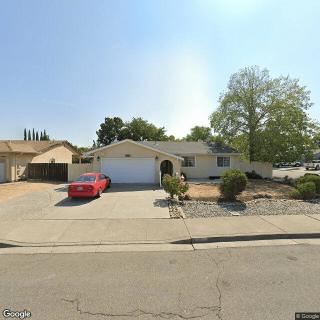


 Skilled Nursing Facilities vs. Nursing Homes: Making Sense of the Differences
 A Detailed Examination of Nursing Home Costs Across the U.S.
 Exploring Nonmedical Home Care: Understanding Services, Costs, and Financial Approaches