
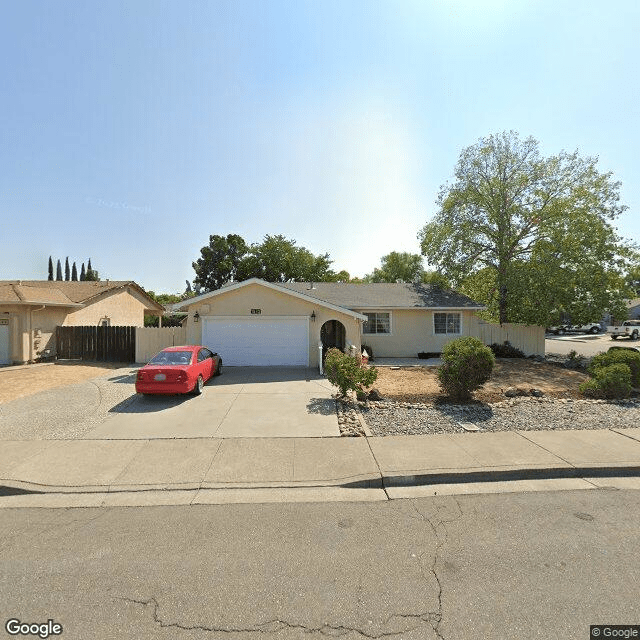
1542 Peridot Drive, Livermore, CA 94550
For more information about senior living options: (866) 208-4318
Livermore Care Home Costs & Pricing
Livermore Care Home offers private room accommodations at a rate of $5,000 per month, which is notably higher than both the average costs in Stanislaus County ($3,754) and across the state of California ($3,939). This premium pricing may reflect the quality of care and personalized services provided at Livermore Care Home. While it positions itself above regional and state averages, potential residents and their families might consider this investment as indicative of enhanced support, amenities, and an overall elevated living experience that could justify the additional expense.
| Floor plans | Livermore Care Home | Stanislaus County | California |
|---|---|---|---|
| Private | $5,000 | $3,754 | $3,939 |
Assisted Living communities with a similar price nearby
-
About the same
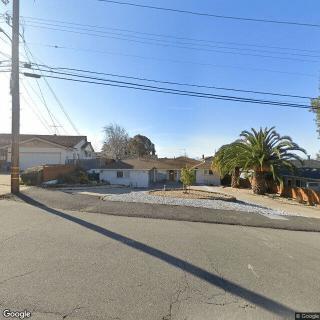
Blessing Home
$5,000 to $6,000 / month15.0 miles away -
from -$500 / mo
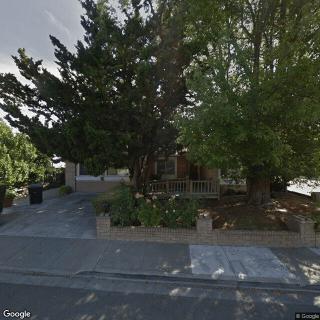
Pleasanton Senior Care Villa
$4,500 / month5.3 miles away -
from +$400 / mo

Bethel Care Home On Cottage
$5,400 / month21.4 miles away -
About the same
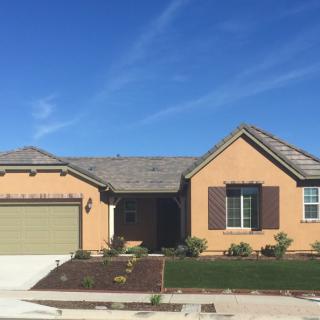
Harmony Care Home
$5,000 to $6,500 / month21.1 miles away -
from +$500 / mo
Carnelian III
$5,500 / month21.6 miles away
Overall Review of Livermore Care Home
Pros
 The resident received attentive and compassionate care.
- The facility’s operators were attentive and compassionate.
- The family felt fortunate to have found this home.
- Its convenient location, with easy parking in a quiet neighborhood, benefited the resident.
- The resident is doing well and happy; the care is excellent.
- The staff-to-residents ratio was great.
- The meals are delicious, and residents enjoy time outdoors in the garden and front yard.
- The facility is clean and cheerful.
Cons
 It is certainly not a pleasant experience for anyone.
- Leaving a parent with strangers is one of the hardest things to do.
Review
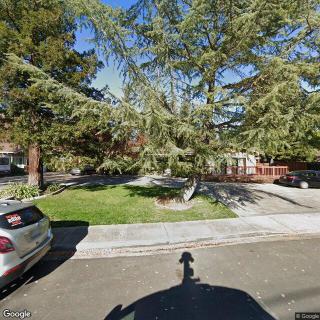
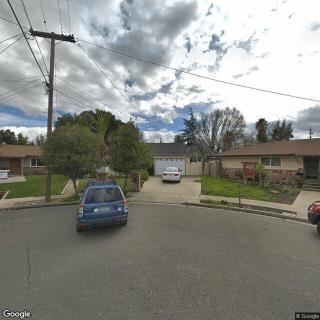
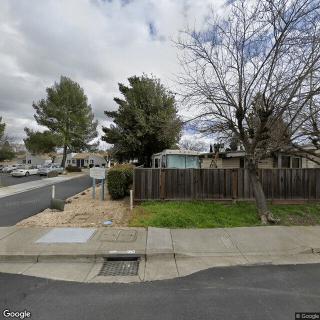
Livermore Care Home is best suited for families seeking an intimate, home-like setting in Livermore where caregivers know residents by name and care plans are delivered with consistent, hands-on attention. With a strict six-resident cap, this community offers a calm, manageable environment that suits seniors who are relatively mobile but need daily assistance, and especially those who may be nearing end-of-life and benefit from steady, compassionate presence. The neighborhood is quiet, parking is convenient, and the proximity to a family’s own home makes everyday visits and pickups straightforward. In these conditions, families repeatedly describe the care as attentive and the atmosphere as dignified, which makes the transition for loved ones easier to manage.
Those weighing alternatives should note the trade-offs of a small residential setting. The six-resident model inherently limits the breadth of on-site programming and the range of medical oversight that larger facilities provide. For residents with significant medical complexity, frequent skilled nursing needs, or a desire for a more active, bustling community, other communities with broader clinical staffing and structured activity calendars may be a better match. In short, this home excels in personalized, one-on-one attention, but families should consider whether their relative’s medical needs or social preferences demand a bigger campus with more specialized services.
The strongest pros align with the core mission of a small, caregiver-centric home. Staff are described as exceptionally caring and attentive, and families consistently report that their loved ones are happy and without grievances about the care. The high staff-to-resident ratio means daily help is readily available, reducing the sense of hustle that can accompany larger facilities. The intimate setting also supports easier family involvement, with convenient access for visits and a sense of continuity that many seniors respond to positively. Cleanliness and a cheerful, homelike vibe further reinforce the perception of a secure, comfortable place to spend one’s later years.
Yet the main cons are real and must be weighed against the positives. The limited resident pool can translate into fewer social outlets and activities compared with bigger communities. It also means that as medical needs evolve, the home may depend more on family advocacy to ensure appropriate levels of care or to coordinate with external providers. For families seeking a robust calendar of group outings, memory care programming, or on-site specialists, these elements may feel lacking. The resulting decision hinges on whether the value of intimate, personalized attention outweighs the potential constraints on services and social opportunities.
During family visits, focus on tangible indicators of quality: observe how staff interact with residents, especially during routine tasks and meals; inquire about typical staffing patterns, including night coverage and cross-shift communication; review how care plans are created, updated, and communicated to family members; and evaluate safety features, medication handling, and accessibility throughout the home. Ask about meal quality and dining routines, the availability of outdoor spaces, and how staff support mobility and daily activities. Clarify visiting policies and the ease with which family members can participate in care decisions, as these elements often define long-term satisfaction in a small home.
For families that prize a peaceful, person-centered experience and prioritize close-knit staff relationships, Livermore Care Home stands out as a compelling option. It delivers highly personalized care in a setting that feels like a trusted family home, with strong evidence of resident happiness and staff devotion. Those with more complex medical needs, a desire for a larger community network, or a demand for extensive programming should consider alternatives that offer broader clinical resources and more expansive activity calendars. In the end, the choice should hinge on aligning the resident’s medical needs, social preferences, and the family’s ability to stay engaged with the care team.
 6 resident community capacity
 Assisted Living
 Board and Care Home
 Activities on-site
 Bath tubs
 Cable or satellite TV
 Dining room
 Fully furnished
 Garden
 Housekeeping services
 Move-in coordination
 Outdoor common areas
 Private
 Telephone
 Wheelchair accessible showers
 Wi-Fi/high-speed internet available
 San Jose International (22 miles away)
 24-hour supervision
 Ambulatory care
 Assistance with bathing
 Assistance with dressing
 Assistance with transfers
 Diabetes diet
 Incontinence care
 Meal preparation and service
 Medication management
 Special dietary restrictions
 Transportation arrangement (medical)
 Transportation to doctors appointments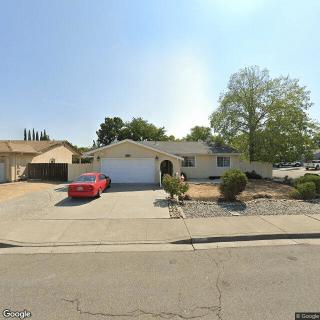



 Comprehensive Supportive Living Arrangements for Adults with Disabilities
 Funding and Affording Assisted Living: A Thorough Overview
 Assisted Living Expenses and Long-Term Care Insurance: A Comprehensive Exploration