
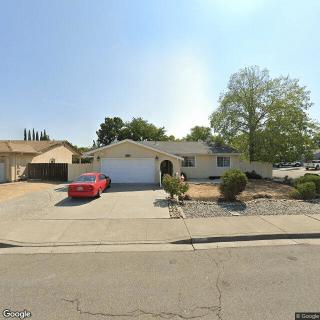
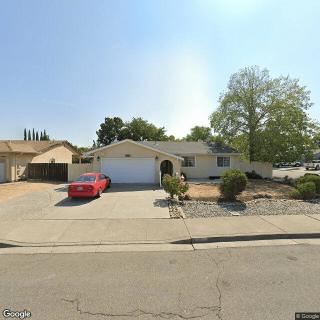
417 Jillana Way, Livermore, CA 94550
For more information about senior living options: (866) 208-4318
Overall Review of Easy Living Care Home
Pros
 Emily G. at Easy Living Care Home has turned families' lives around for those caring for loved ones with Alzheimer's.
- She helped families avoid moving their loved ones to skilled nursing facilities by providing compassionate, in-place care.
- Emily has connected families with a caregiver support group, helping them learn more about the disease.
- Social workers highly recommend her facility, and their endorsement has proven accurate.
- The staff at Easy Living Care Home delivers outstanding, attentive care that leaves families forever grateful.
- Families appreciate the customized daily home-cooked meals and the attentive, personalized care their loved ones receive.
Cons
 Finding the best care can be extremely emotionally and mentally draining.
- The family decided to move their mother back to a Nursing Home after ten months at the facility, indicating dissatisfaction.
- The mom missed the attention from caretakers and the customized daily home-cooked meals.
- They are currently on the waiting list, suggesting limited availability or access.
- They did not want to place their mom in a skilled nursing facility.
Review
Easy Living Care Home in Livermore, CA is best suited for families seeking a memory-care environment that feels like a true home for a loved one with Alzheimer’s or related dementia. The setting is intimate and caregiver-led, prioritizing daily attention, personalized routines, and home-style meals over institutional formality. The leadership, centered on Emily G., provides a hands-on approach that keeps families tethered to a familiar, trusted point of contact. For seniors who benefit from consistent, relationship-driven care and a smaller-scale community where staff know residents by name, this facility offers a compelling, low-friction path away from a traditional skilled-nursing facility.
That said, care needs at the highest medical acuity may push families toward alternatives. The reality here is a small-capacity model with a waiting list, which means immediate admission is seldom available. For loved ones requiring 24/7 on-site medical oversight, rapid bed turnover, or access to a broad range of on-site therapies, a larger facility or a hospital-adjacent memory-care program could be more appropriate. Those who value a bustling calendar of activities in a more expansive setting may also find other communities more energizing. Easy Living Care Home excels in personal attention, but it does not position itself as a comprehensive medical hub.
The strongest offset to these potential drawbacks lies in the core pros: a dedicated care team led by Emily G. delivers highly personalized daily care. Families repeatedly reference the ability to lean on Emily and her staff, including referrals to caregiver support groups that equip relatives with practical knowledge about Alzheimer’s and caregiving. Social workers who interact with the facility consistently commend the operation, a testament to the professional credibility of the care model. The intimate, home-like environment also translates into more customized daily meals and attentive, ongoing supervision, benefits that stood out enough for families to prefer Easy Living over a Nursing Home setting for extended periods.
The day-to-day experience at Easy Living Care Home reinforces the perception that residents receive more individualized attention than typical large-memory-care campuses. The emphasis on customized daily meals, paired with a steady cadence of check-ins and familiar routines, contributes to a sense of stability that families value when navigating the upheaval of dementia care. The narrative of a mom who stayed for ten months at the facility before moving to a Nursing Home, and then choosing to return to the smaller setting for continuity and affection, speaks volumes about what this home can deliver when the family prioritizes attentive, consistent care over institutional complexity. Even the strong performance of the staff in maintaining engagement and daily living tasks stands out against the less personalized attention found in larger facilities.
For families actively evaluating options, practical steps sharpen the decision. Arrange direct conversations with Emily and the caregiving team to assess the daily schedule, meal planning, and routines that would apply to a loved one. Request a tour focused on memory-care practices, safety measures, and how staff respond to cognitive changes. Inquire about wait-list timelines, admission criteria, and whether there are interim plans if someone’s condition worsens. Speak with other families who have navigated placements, and ask for candid references about continuity of care, especially during staff turnover or leadership changes. Finally, probe the contingency plan for escalated medical needs and whether the facility coordinates with external providers when higher care becomes necessary.
The bottom line for families weighing Easy Living Care Home is precise: this community shines when the goal is to honor a loved one with Alzheimer’s through a warm, home-like environment, strong caregiver leadership, and highly personalized daily care, supported by credible endorsements from social workers and a network of resources for families. The primary caveat is capacity and timing, admission is not instant, and higher-acuity medical needs may necessitate alternatives. If the objective is a shared commitment to ongoing, attentive care in a setting that mirrors a family home, Easy Living Care Home stands out as a thoughtful, practical choice in Livermore. For those who require immediate placement or extensive medical oversight, exploring other options sooner remains prudent.
 6 resident community capacity
 Assisted Living
 Board and Care Home
 Respite Care
 Cable or satellite TV
 Dining room
 Financial aid
 Fully furnished
 Garden
 Housekeeping services
 Move-in coordination
 Outdoor space
 Telephone
 Wi-Fi/high-speed internet available
 San Jose International (23 miles away)
 24-hour supervision
 Activities of daily living assistance
 Assistance with bathing
 Assistance with dressing
 Assistance with transfers
 Diabetes diet
 Hospice care
 Meal preparation and service
 Medication management
 Physical therapy
 Special dietary restrictions
 Transportation arrangement (medical)
 Transportation to doctors appointments
 Walking wheelchair assistance
 Fitness programs
 English




 Medicare Coverage for Assisted Living: An In-Depth Exploration
 Choosing the Right Senior Care: A Detailed Exploration of Assisted Living and Nursing Homes
 Understanding the True Cost of Assisted Living in 2025: A Comprehensive Guide