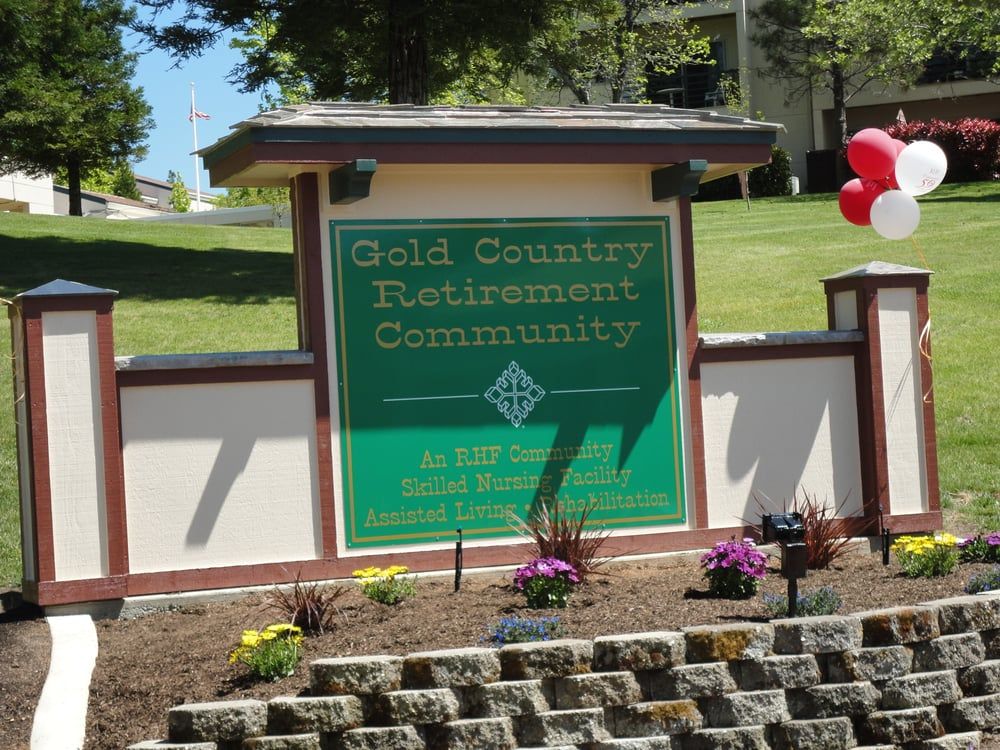








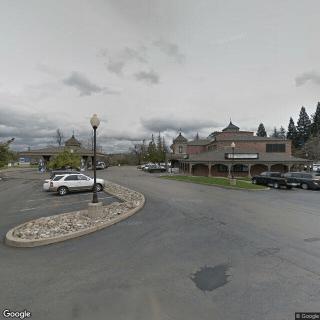
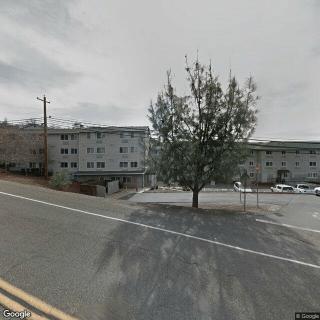
4301 Golden Center Drive, Placerville, CA 95667
For more information about senior living options: (866) 208-4318
Overall Review of Gold Country Health Center
Pros
 Gold Country Health Center has the best reputation in this area.
- The place was clean.
- The staff was nice.
- Gold Country has been able to provide for everything she needs.
- It is a large community, and they are very well staffed.
- The staff and nurses are excellent.
- They are currently rated 5 out of 5 by Medicare.
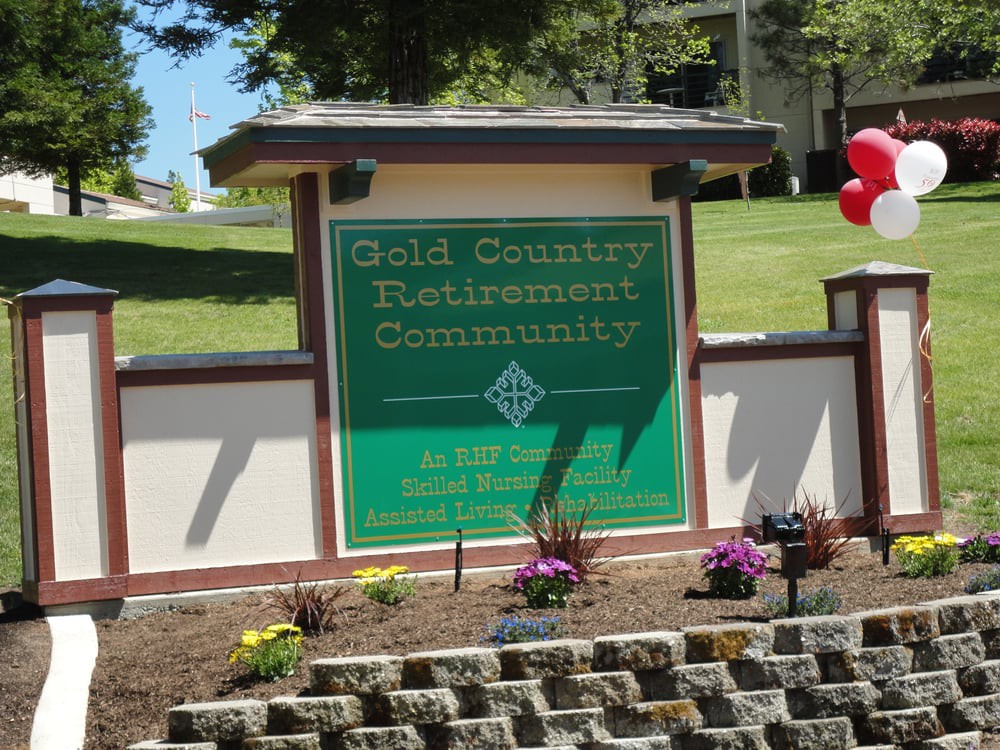
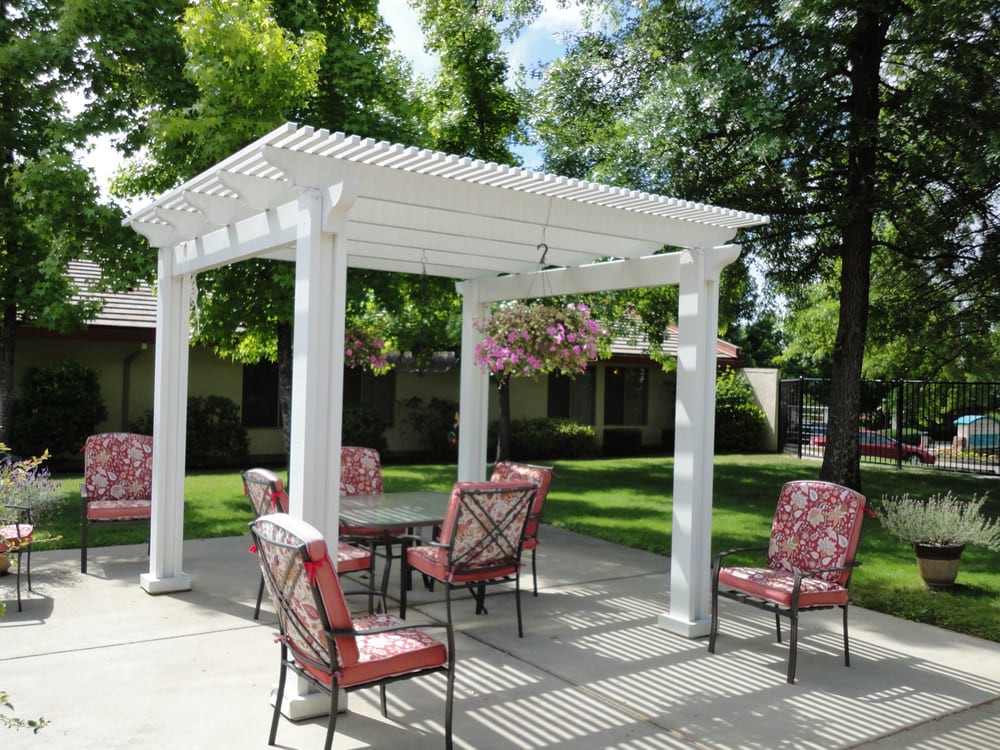
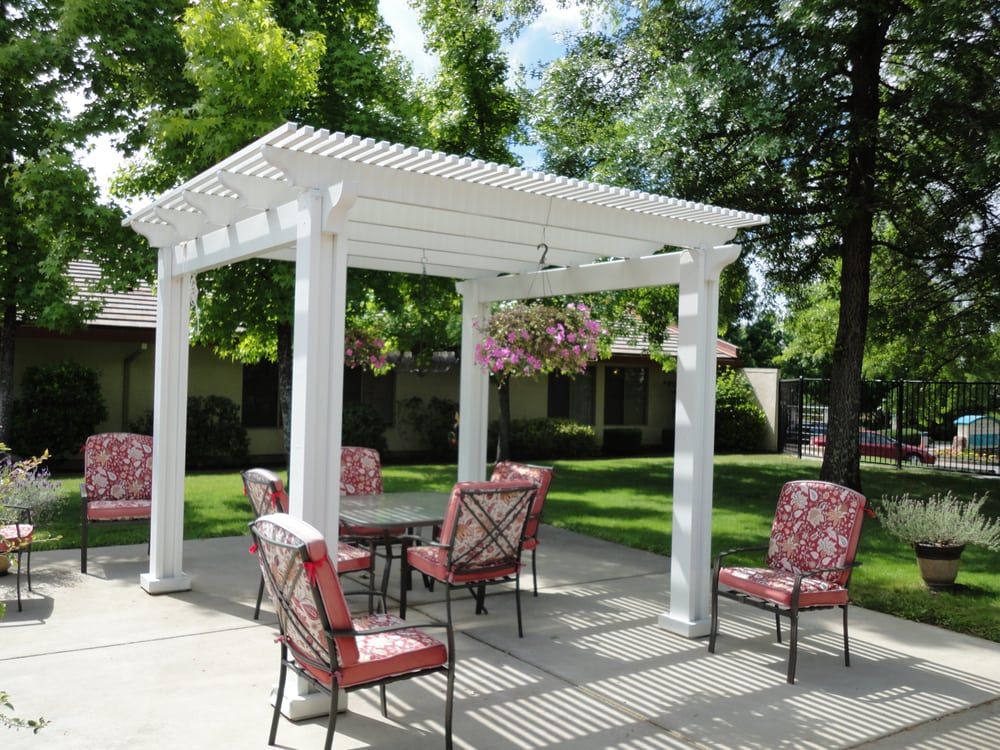
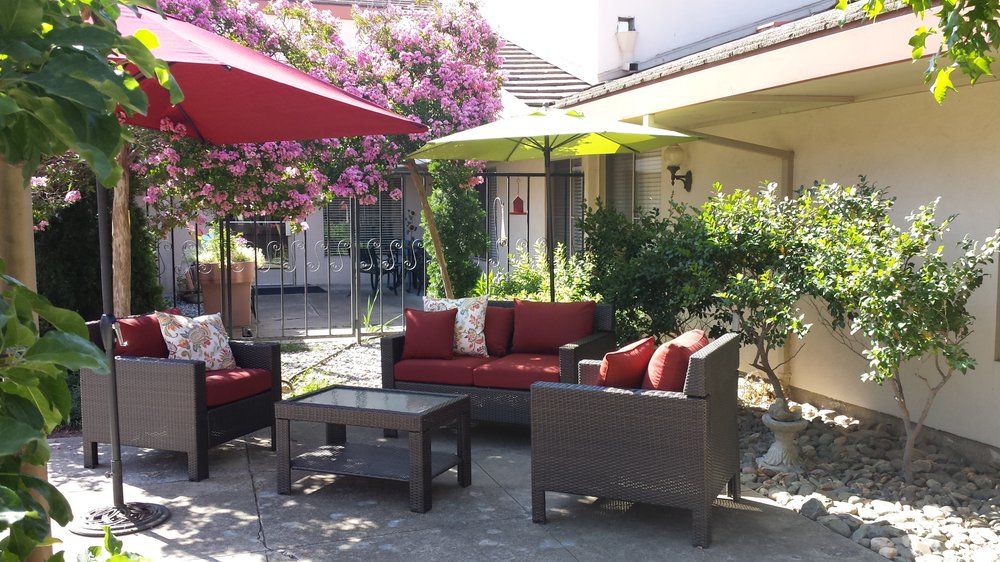
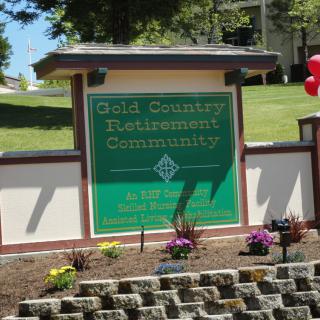
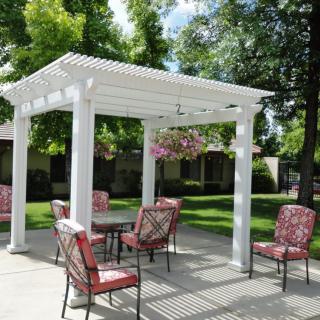
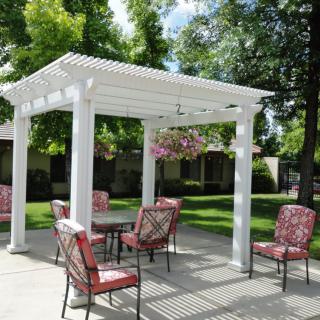
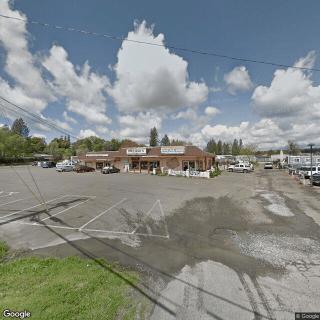
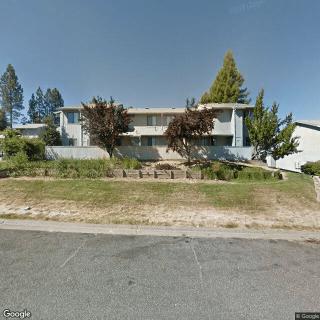
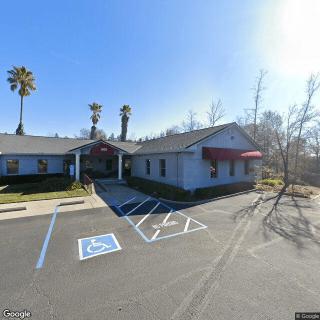
- The outside of the facility looked nice enough.
Cons
 The facility felt too hospital-like and institutionalized.
- It didn’t seem like the right place for her mother-in-law.
- She would have shared a room with public showers and wouldn’t have her own bathroom.
- For someone needing 24-hour care, options were very limited.
- The environment did not seem as pleasant as other facilities, and there was little interaction between staff and residents.
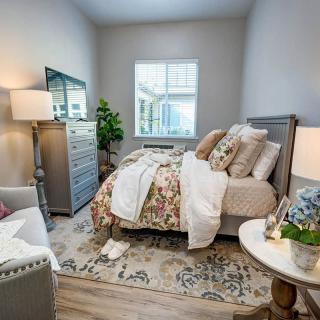
- The private rooms looked more like hospital rooms than those in other assisted living facilities.
- There was a chemical cleaning odor, suggesting the use of strong cleaners.
Review
Gold Country Health Center in Placerville is best suited for families seeking a true on-campus, full-continuum option where care needs can change over time without uprooting the resident. The community works well for seniors who may transition from private living to assisted living and, eventually, skilled nursing, all within the same campus. It is especially appealing for those who require reliable 24-hour care and value transparent, ongoing communication with a staffed team. The facility’s size supports a broad range of services, and the presence of a Medicare rating that has supported positive evaluations lends a level of confidence for long-term planning.
Those who should consider alternatives are the households prioritizing a homier, intimate atmosphere over clinical efficiency. A number of reviewers describe Gold Country as feeling more hospital-like or institutional, which can be a turn-off for residents who crave a warmer environment. Private bathrooms and more residentially styled spaces may be important to certain families, and the shared-room reality highlighted in one account can be a deal-breaker for someone who values privacy. For memory-care needs, options may feel limited if the goal is a setting that emphasizes a softer, less clinical ambiance paired with actively structured memory-specific programming.
On the positive side, the strongest selling points center on continuity of care and the workforce. Families consistently praise robust staffing levels and clear, regular communication, including family meetings that involve nursing staff and aides. The ability to move a resident between levels, skilled nursing back to assisted living or apartments, without relocating is a meaningful advantage for families managing fluctuating care needs. A long-tenured health-center culture, reinforced by a favorable Medicare rating, provides reassurance that skilled staff are available and accountable across the care spectrum. These operational strengths can substantially offset a more institutional feel for families whose priority is dependable care and seamless transitions.
The main drawbacks must be weighed against those strengths. The hospital-like impression and the public nature of some private rooms undermine the possibility of a cozy, home-like daily experience. The lack of private bathrooms in some living arrangements stands out as a quality-of-life issue for residents who value privacy and comfort. Conversations about activities and cultural programming sometimes reveal gaps, calendar visibility or on-site event frequency is not always clear, which can leave families uncertain about daily engagement. A perceptible chemical cleaning odor and the perception that staff interactions aren’t equally warm across shifts can further erode the sense of a welcoming, homelike atmosphere.
Nonetheless, the pros, continuity of care, staffing reliability, and transparent family communication, often offset the cons for many families. The ability to keep a loved one on one campus as needs evolve reduces the stress of moving between facilities and the logistical burden of multiple admissions processes. A strong Medicare rating serves as an external stamp of quality, while regular family meetings help families stay aligned with care goals and daily routines. For households where medical clarity, predictable staffing, and on-site access to multiple care levels trump aesthetic concerns, Gold Country Health Center presents a pragmatic, reliable solution.
For decision-making, practical next steps matter. Prospective residents should tour actual living spaces, request specifics on room types, and contrast private versus shared accommodations to gauge comfort against the hospital-like description. Verify memory-care options and how memory-support programming is integrated within the continuum. Probe the activity calendar directly, ask to see examples of on-site events and confirm how often families are invited to participate. Finally, dialogue with current families about response times, consistency of staffing, and the cadence of updates to trusted caregivers. When these checks align with a preference for comprehensive on-campus care and strong communication, Gold Country Health Center earns strong consideration; when they reveal a need for a cozier, more private, or memory-focused environment, alternatives deserve closer look.
 46 resident community capacity
 1-bedroom apartments
 Assisted Living
 Independent Living
 Memory Care
 Respite Care
 Skilled Nursing Facility
 Activities on-site
 Beautician on-site
 Cable or satellite TV
 Devotional services off-site
 Dining room
 Full kitchen
 Fully furnished
 Garden
 Guest parking
 Housekeeping services
 Indoor common areas
 Laundry
 Move-in coordination
 Outdoor space
 Party space
 Restaurant-style dining
 Small library
 Telephone
 Wi-Fi/high-speed internet available
 Transportation & parking
 24-hour call system
 Ambulatory care
 Assistance with bathing
 Assistance with dressing
 Assistance with transfers
 Diabetes diet
 Diabetic care
 Medication management
 Mental wellness program
 Physical therapy
 Special dietary restrictions
 English

 Illuminating Insights About Alzheimer's Disease: Ten Crucial Realities
 A Thorough Discussion of Medications Potentially Linked to Dementia Risk
 Why Do Dementia Patients Sleep So Much? Understanding Oversleeping, Stages, and Care Approaches