

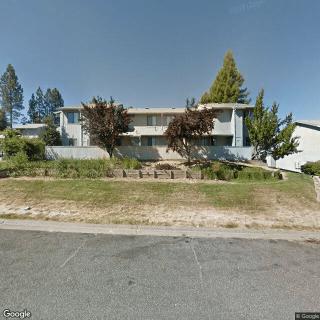
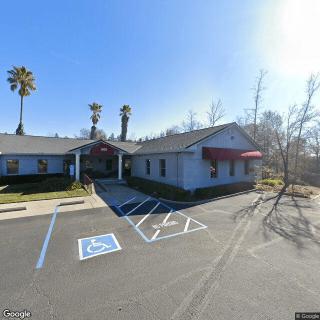
705 Pleasant Valley Road, Diamond Springs, CA 95619
To contact a resident: (530) 295-1130
For more information about senior living options: (866) 208-4318
Overall Review of Comprehensive In Home Care
Pros
 The staff led by Mary Lou provided compassionate, life-changing support.
- They sincerely cared about both the mother and her caregiver.
- The mother was well fed, clean, and smiling after visits, like spending time with a best friend.
- For three years, they never canceled or were late for an appointment, demonstrating dependable reliability.
- The caregiver could refresh and care for herself thanks to the support.
- The care was kind, professional, and supportive, enabling the mother to pass away at home as she wished.
Review
This in-home care service is best suited for families who want a loved one to remain at home with steady, compassionate non-medical support. It is particularly well-matched for seniors who value daily meals, personal cleanliness, and consistent companionship, and for caregivers who need reliable respite without uprooting the loved one to a facility. When a solo caregiver is reaching the edge of burnout, this option offers a lifeline: professional, caring help that allows the family to reclaim time and maintain a familiar routine for mom or dad. The emphasis on reliability and personalized attention makes it a smart choice for those who prize continuity, warmth, and the dignity of aging in place.
Those considering alternatives should note that this is not a substitute for skilled medical oversight or a memory-care environment. Families with loved ones who require 24/7 nursing, complex clinical management, or highly structured social programming in a community setting will likely need a higher level of care than at-home non-medical support provides. For seniors who crave the social opportunities, built-in programming, and round-the-clock clinical staffing found in assisted living or memory-care facilities, an alternative setting will usually deliver more comprehensive coverage. In short, this service excels at home-based assistance, while facilities are preferable for more intensive medical needs or robust on-site amenities.
The key advantages here flow directly into a practical counterweight to common in-home-care limits. The strongest pro is consistent attendance, three years without cancellations or lateness, creating real peace of mind for families and a stable, predictable routine for the senior. Coupled with professional, compassionate staffing, the care recipients are not only well tended but also treated with genuine warmth. A caregiver’s testimony about returning from time away to find the loved one well fed, clean, and content underscores the social and emotional benefits: companionship that feels like visiting a trusted friend. These elements together offset the typical risk of irregular support and reassure families that the daily life of the senior will be protected and dignified.
Reliability and the quality of care also translate into tangible reductions in caregiver stress. For many families, the sight of a dependable, attentive team allows them to step back from constant vigilance, knowing that the home environment will be preserved, the senior’s needs anticipated, and basic routines maintained. The opportunities for real respite, social time for the caregiver, the chance to recharge, and the confidence that someone is watching over mom or dad, are not abstract benefits; they are the practical currency that sustains long-term caregiving. On the flip side, the arrangement inherently emphasizes home-based, non-medical tasks, and for those who require hospital-level services or specialized therapies, the constraints become meaningful considerations.
From a decision-making perspective, the primary questions to ask revolve around scope, coverage, and boundaries. Clarify exactly which services are included (meals, grooming, housekeeping, medication reminders, transportation, and help with daily activities) and which tasks require a higher level of medical expertise or direct nursing. Probe for backup plans: what happens if the primary caregiver is unavailable, and how quickly a substitute arrives? Confirm staffing ratios, commute times to the home, and how holiday or weekend coverage is handled. Finally, obtain a transparent view of cost structure, contract terms, and what metrics define quality care in this setting so expectations remain aligned across family, caregiver, and agency.
In the end, Comprehensive In Home Care in Diamond Springs emerges as a prudent choice for families seeking dependable, compassionate at-home support that preserves autonomy and comfort for a loved one. It delivers a practical, humane alternative to institutional living for those who do not require continuous medical nursing or specialized memory care. For seniors who thrive on the familiarity of home and for families eager to protect daily routines and dignity, this option provides measurable value in reliability, companionship, and the relief that comes with consistent, respectful care. Those whose needs lean into 24/7 clinical supervision or who crave the social fullness of a community will want to consider assisted living or other facility-based models as the next best step.



 Skilled Nursing Facilities vs. Nursing Homes: Making Sense of the Differences
 A Detailed Examination of Nursing Home Costs Across the U.S.
 Exploring Nonmedical Home Care: Understanding Services, Costs, and Financial Approaches