
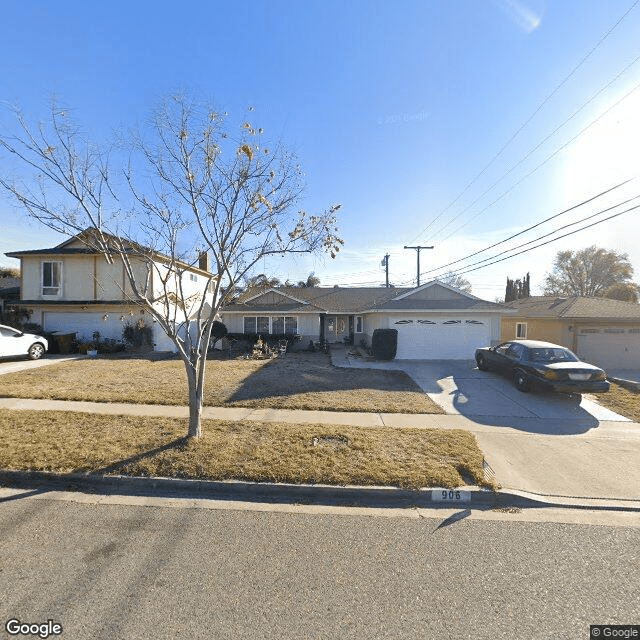
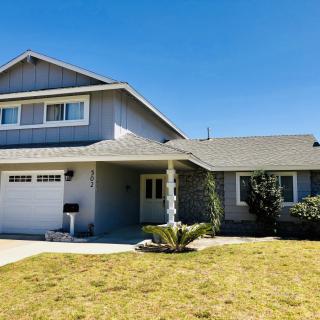
906 Huggins Ave., Placentia, CA 92870
To contact a resident: (714) 996-6346
For more information about senior living options: (866) 208-4318
Placentia Guest Home II Costs & Pricing
Placentia Guest Home II offers a competitive monthly rate for its private rooms, priced at $2,200. This cost is significantly lower than the average rates in both Orange County and the broader California region, where the typical monthly fees are $4,104 and $3,939 respectively. By providing care at a more accessible price point, Placentia Guest Home II positions itself as an attractive option for families seeking quality assisted living without the financial strain often associated with such facilities. This affordability combined with personalized care reflects a commitment to serving the community's needs effectively.
| Floor plans | Placentia Guest Home II | Orange County | California |
|---|---|---|---|
| Private | $2,200 | $4,104 | $3,939 |
Senior living communities with a similar price nearby
-
from +$425 / mo

Berryman Health Inc
$2,625 to $3,050 / month4.0 miles away -
from +$200 / mo
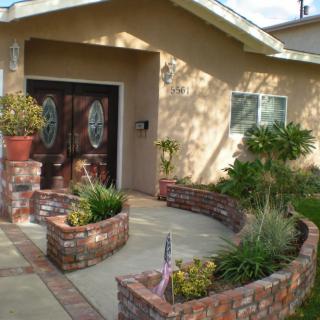
Living Well Care Home
$2,400 to $3,200 / month17.0 miles away -
from -$200 / mo
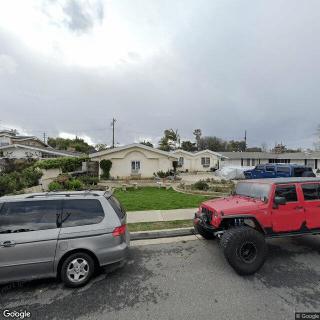
John Villa's Home Care
$2,000 to $3,000 / month16.0 miles away -
from -$400 / mo
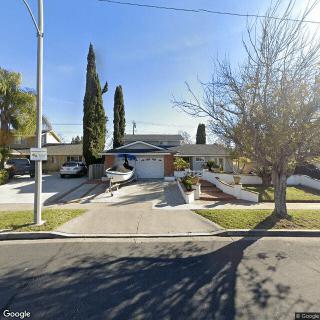
Paradise Residential Senior Care 2
$1,800 / month21.5 miles away -
from -$200 / mo
Tuscany Senior Living
$2,000 to $2,500 / month20.4 miles away
Overall Review of Placentia Guest Home II
Pros
 He is well cared for and in a happy environment.
- He is treated like family.
- He is 89 years young.
- The facility provides lots of care from its personnel.
- There are tons of activities to keep residents busy.
Cons
 The facility is rated one star.
- Residents’ health deteriorated to life-threatening levels due to severe malnutrition.
- One resident’s weight dropped from 130 lbs to 99.8 lbs, indicating serious malnutrition.
- Residents are reportedly fed unhealthy food, with excessive sugary items.
- There is no staff to drive residents to doctors, grocery stores, or attend to personal needs; no one is in charge to coordinate care.
Review
Placentia Guest Home II is best suited for families seeking a warm, home‑like assisted living environment where staff treat residents like family and daily life centers on social connection and personal attention. It works well for seniors who value a lively calendar of activities, frequent staff interaction, and a sense of belonging over a hospital‑like routine. The model here favors relational care and day‑to‑day warmth, making it a strong fit for residents who may need mild assistance but thrive with a steady stream of engaging, human‑driven care rather than clinical rigidity.
Those who may want to consider alternatives include families prioritizing clinical oversight, consistent medical management, or robust transportation to appointments. If a resident requires strong nutrition monitoring, physician‑led care plans, or reliable transport for frequent doctor visits, larger communities with on‑site nursing, dietitians, and dedicated transport teams may deliver a safer, more predictable level of support. Similarly, for residents needing memory care or more structured programming tailored to cognitive impairment, a specialized setting could be a better long‑term match.
The strongest positives here, genuine staff attention, a family‑style atmosphere, and abundant activities, offer real counterweights to the downsides of a smaller operation. When staff members know residents well and respond quickly to daily needs, life quality often improves even if medical oversight isn’t expansive. A bustling activity schedule can mitigate boredom, reduce isolation, and promote emotional well‑being, which matters greatly to families balancing independence with safety. In such a setting, residents susceptible to withdrawal or disengagement may show meaningful gains in mood and social connectedness.
Yet serious concerns surfaced in at least one unfavorable review, highlighting potential pitfalls to verify before choosing. The report describes malnutrition and a diet dominated by sugary foods, with suggestions that residents may need to supplement meals and that trusted navigators for medical or shopping trips are lacking. This kind of gap, nutritional adequacy, meal quality, and transportation coordination, directly undercuts the core goals of assisted living. If these issues are present or recurring, they can quickly erode health and independence, making a rigorous premove inquiry essential.
To navigate toward a confident decision, demand concrete assurances: request a current, sponsor‑verified menu that accommodates dietary restrictions and calories, ask who oversees nutrition and how concerns are escalated, and arrange to observe a meal service. Inquire about transportation policy, whether residents are chauffeured to appointments or if family coordination is required, and what on‑site medical support exists (nurse availability, medication management, caregiver training). Talk to current residents and families about daily life, response times, and how staff handle emergencies. A transparent tour should include time in common rooms during peak activity to gauge engagement levels and staff interaction.
In the end, Placentia Guest Home II can be a compelling choice for families seeking an intimate, neighborly setting where care feels personal and residents are meaningfully involved in daily life. The decision hinges on whether nutrition quality and dependable transportation can be validated and improved with clear policies and oversight. If those assurances hold, the community delivers a practical, humane living option that many families will value for the companionship, warmth, and hands‑on care it emphasizes. If not, exploring alternatives with stronger medical staffing, dietary control, and coordinated transport becomes a prudent, even necessary step.
 Board and Care Home
 Private
 John Wayne Orange Co (15 miles away)
 Nurturing Our Loved Ones: A Daughter's Journey in Caring for Her Mother
 Nurturing Our Elders: Linda's Journey of Supporting Her Mother
 A Comprehensive Exploration of Common Misunderstandings about Powers of Attorney