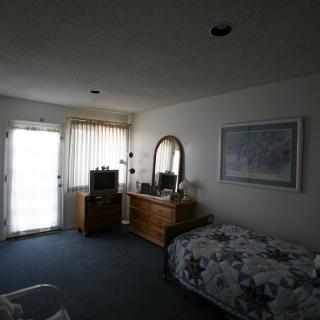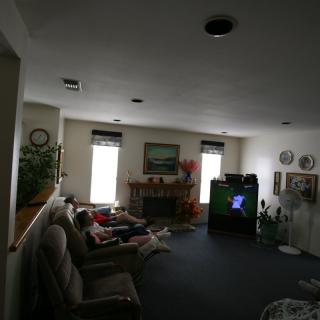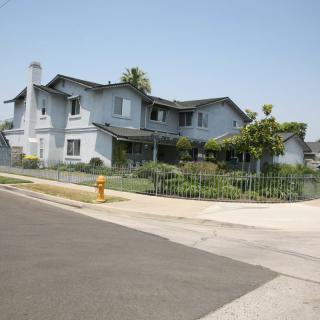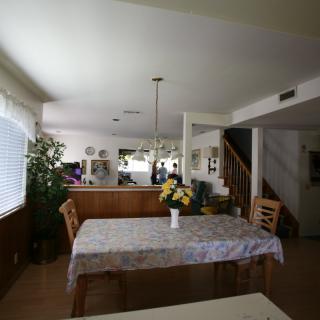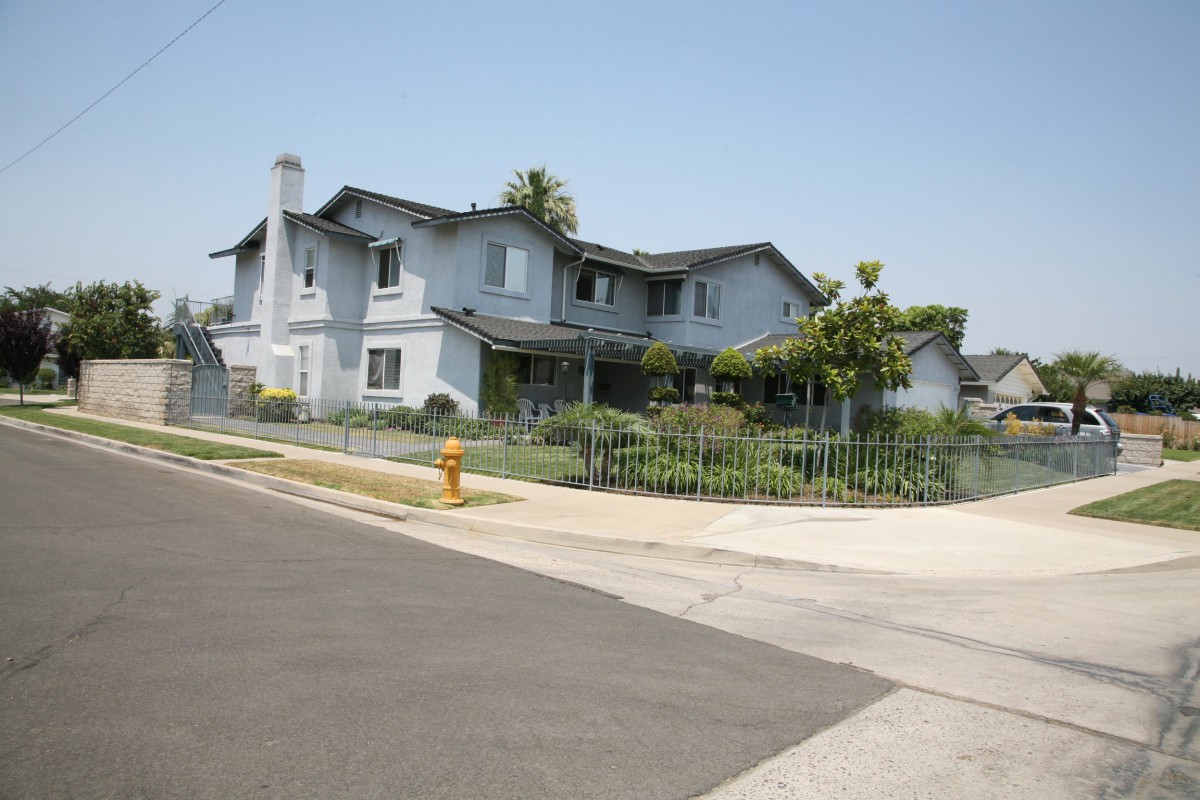
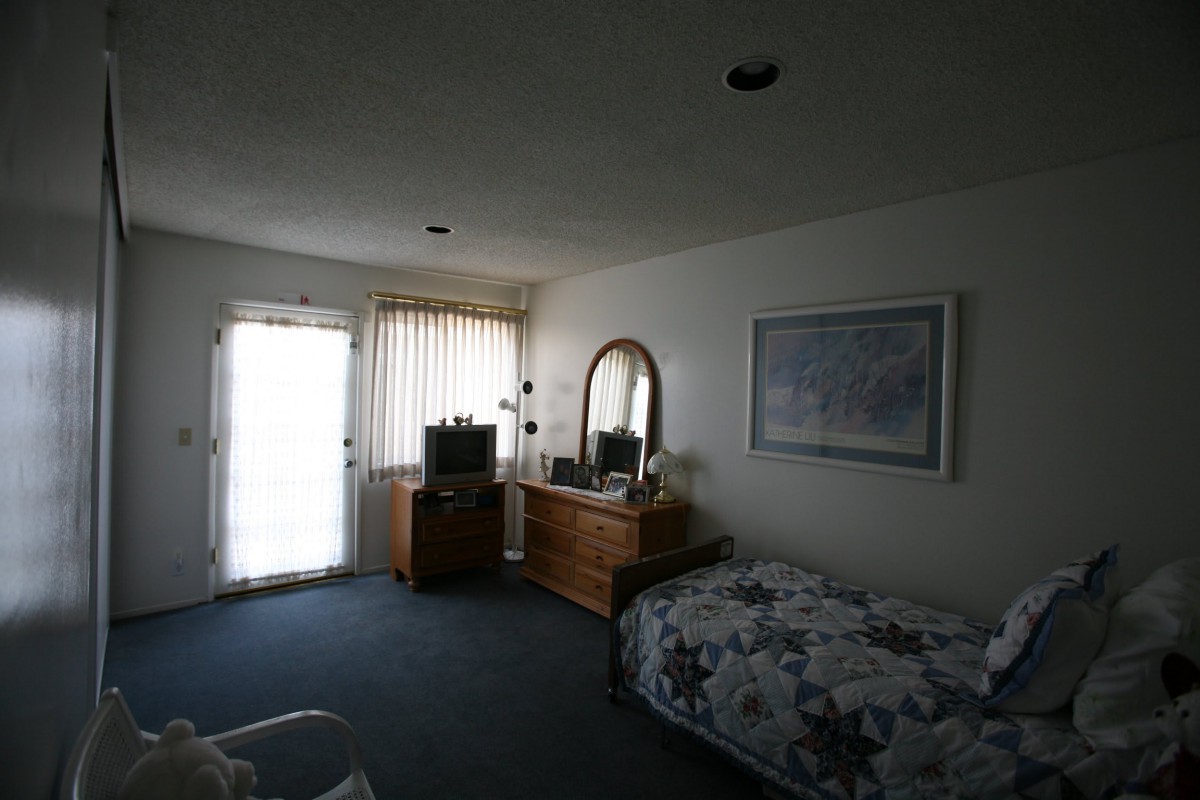
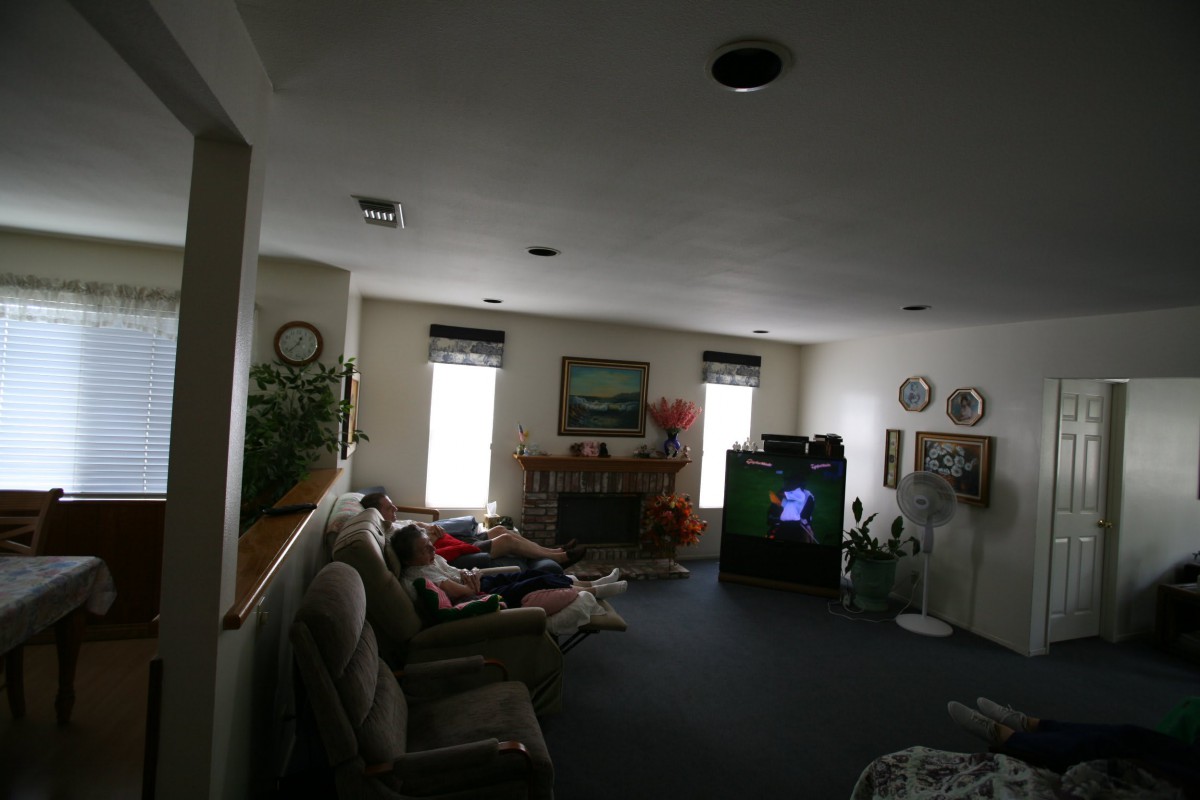
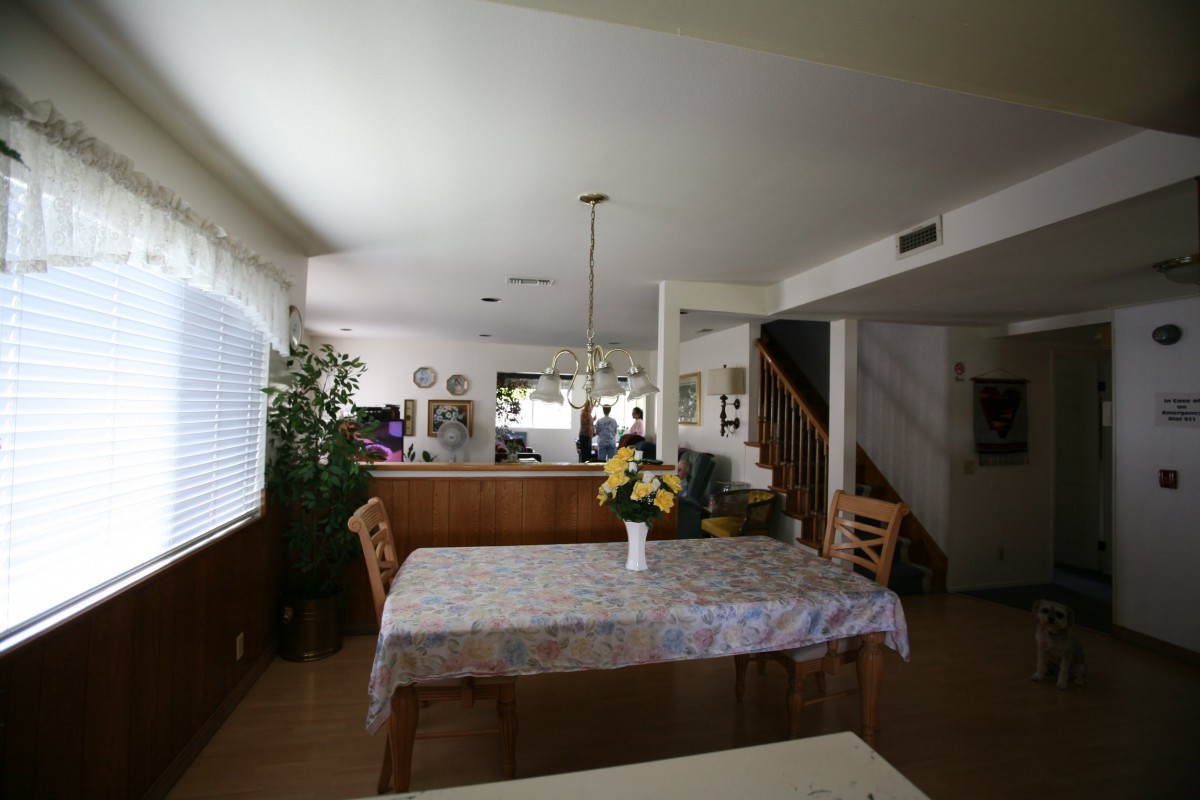
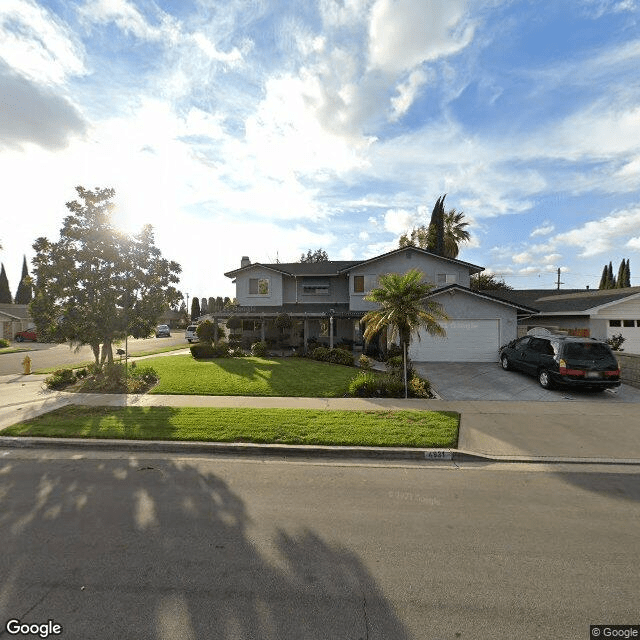
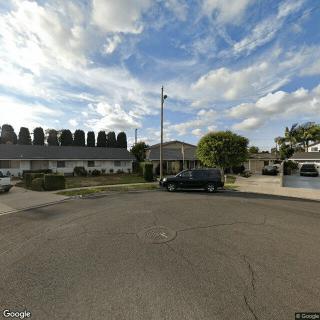
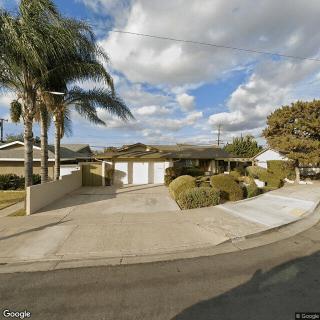
4931 Carthage St, Placentia, CA 92870
To contact a resident: (714) 996-2196
For more information about senior living options: (866) 208-4318
Agape Cottage Viii Costs & Pricing
Agape Cottage VIII offers competitive pricing for its residential care services when compared to the broader market in Orange County and California. For a semi-private room, residents can expect to pay $2,950 per month, significantly less than the county's average of $3,431 and the state average of $3,333. Similarly, the rates for private accommodations at Agape Cottage VIII are set at $3,950, which remains below the county's rate of $4,104 yet slightly above California's statewide average of $3,939. These pricing structures suggest that Agape Cottage VIII provides an appealing option for families seeking quality care while also considering budgetary constraints within the region.
| Floor plans | Agape Cottage Viii | Orange County | California |
|---|---|---|---|
| Semi-Private | $2,950 | $3,431 | $3,333 |
| Private | $3,950 | $4,104 | $3,939 |
Senior living communities with a similar price nearby
-
from -$325 / mo

Berryman Health Inc
$2,625 to $3,050 / month3.8 miles away -
from +$550 / mo
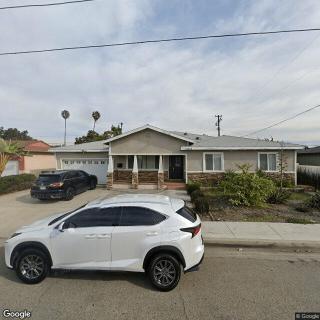
Loving Home Care
$3,500 to $4,500 / month11.9 miles away -
from +$350 / mo
Bella Manor II
$3,300 to $4,290 / month14.0 miles away -
from +$550 / mo
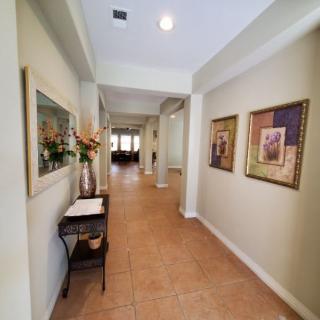
Aloha Residential Care
$3,500 to $6,500 / month25.0 miles away -
from -$150 / mo
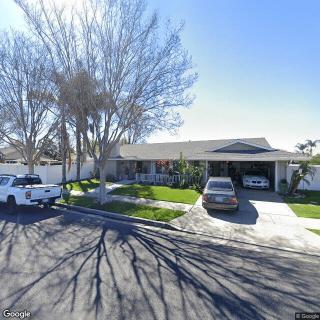
Candlewood Care Home III
$2,800 to $3,400 / month10.6 miles away
Overall Review of Agape Cottage Viii
Pros
 The reviewer notes that the care is good.
- The Arbor Rose facility received an overall five-star rating.
- Most sub-categories were rated five stars.
Review
Agape Cottage VIII in Placentia, California is best suited for families that want a caregiver-focused environment with repeatedly strong indications of daily quality and staff responsiveness. The available feedback centers on Arbor Rose, with a clear signal of exceptional satisfaction: an overall five-star rating and five-star marks across most subcategories. If Agape Cottage VIII operates with a comparable care philosophy, residents can expect a culture where routine care, staff attentiveness, and essential services are executed with consistency. It’s important to note that the published praise comes from a single review naming a different facility, so the takeaway should be that the benchmark for care quality is high, but the data set is limited.
That limited data set also suggests who may want to consider alternatives. Families that prioritize a broad array of specialized medical supports beyond standard assisted living, or those seeking a larger campus with extensive on-site amenities and programming, may find other communities more aligned with those needs. Similarly, if a resident requires diverse memory-care specifically tailored to complex cognitive conditions, or if cost structures and long-term financial planning demand a wider range of pricing options, exploring additional options is prudent. In short, Agape Cottage VIII should be compared against other offerings for a complete picture of value and fit.
The strongest upside in the available feedback is clear: care is perceived as good, with overall and subcategory ratings leaning to the top end. High marks across care-related dimensions typically reflect dependable staffing, reliable routine management, solid safety practices, decent dining experiences, and engaging activities. For families weighing daily life quality, medication management, mobility assistance, supervision, and meaningful engagement, the implied consistency is a meaningful offset to many common anxieties about assisted living: slipping standards, neglected routines, or slow response times. In practical terms, this suggests Agape Cottage VIII can deliver the steady, devoted care that many residents and families prize.
Because the review data offer no explicit drawbacks, the absence of documented cons becomes a topic for cautious interpretation. A single positive experience does not establish a comprehensive track record, and resident needs vary widely. Potential questions to pursue in a tour include staff-to-resident ratios, the frequency of care plan updates, how caregiver handoffs are managed, and whether the environment supports different activity levels and social engagement throughout the day. The lack of negative feedback does not guarantee absence of issues; it simply underscores the need for a direct, current assessment tailored to the prospective resident’s needs.
From a decision-making standpoint, the practical lens focuses on alignment with the resident’s daily routine, safety, and personal preferences. Families should verify that the level of assistance matches the resident’s current independence, that meals align with dietary needs and preferences, and that opportunities for social interaction and purposeful activity meet expectations. A tour should include candid conversations with direct caregivers and a discussion of responsiveness to call bells, assistance with mobility, and attention to personal hygiene and comfort. If these factors align with the resident’s lifestyle, Agape Cottage VIII becomes a compelling option within the spectrum of Placentia-area choices.
Ultimately, the recommendation rests on a clear signal: where care quality and staff attentiveness are prioritized, and where a community can demonstrate consistent execution across core service areas, Agape Cottage VIII stands as a strong candidate. The single-positive data point, coupled with the broader expectation that comparable facilities achieve similar standards, suggests that families seeking reliable daily care will find value here. Still, the prudent course is to supplement this impression with a focused on-site evaluation, direct discussions with care teams, and comparisons to other nearby communities to confirm that the fit holds across all dimensions of daily living, medical needs, and personal comfort.
 Board and Care Home
 Cats allowed
 Activities on-site
 Devotional services on-site
 Indoor common areas
 Outdoor common areas
 Private
 John Wayne Orange Co (15 miles away)
 Diabetic care
 Meals provided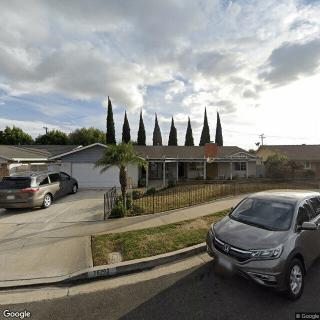

 Home Health Care Demystified: A Comprehensive Guide for Families and Caregivers
 Seniors and Modern Transportation: Exploring Uber, Lyft, and Other Ride-Hailing Options
 Comprehensive Guide to Qualifying for Home Health Care Services