

117 E Colorado Blvd, Suite 600, Pasadena, CA 91105
To contact a resident: (626) 473-0380
For more information about senior living options: (866) 208-4318
Overall Review of TheKey of Pasadena, CA
Pros
 The reviewer is very pleased with the care their mom is receiving from her caregiver.
- The caregiver takes the mom to appointments, helps with laundry, and fixes meals.
- The agency arranged for her to be the mom's sole caregiver.
- The reviewer is very comfortable with the care being provided; the caregiver is caring, courteous, and professional.
- The reviewer would definitely recommend the agency for in-home care.
- The family has been happy with the service.
- The agency quickly found a replacement when needed.
- The billing issue was resolved after it was brought to attention.
Cons
 The reviewer considers the agency the worst they’ve worked for in 13 years as a CNA.
 - The reviewer notes that no one at the agency could be reached by phone to address concerns.
- Paychecks were short every week, effectively forcing CNA staff to handle their own payroll.
- Billing toward the end was a problem.
- The mom was unhappy with the caregiver and did not connect with the person sent.
Review
TheKey of Pasadena is best suited for families seeking flexible in-home care support, where a responsive office can assemble a small, dependable team of caregivers to help with daily tasks, appointments, and light housekeeping. This community works well for households that value hands-on assistance and personal attention from caregivers who can accompany a senior to medical visits, manage laundry, and prepare meals. The arrangement can include a designated primary caregiver, sometimes described as a soul care giver, who becomes the closest point of contact and continuity within a rotating team. For families comfortable coordinating a blend of caregivers and advocating for scheduling, this option offers real upside.
Those who may want to consider alternatives include families needing the simplicity of a single, guaranteed caregiver on a fixed schedule, or those requiring highly predictable, error-free billing and payroll. If stability of one person attending every shift is non-negotiable, or if any billing friction becomes a dealbreaker, a different provider, perhaps a model that guarantees a primary caregiver and transparent, fixed billing, could be a better fit. Likewise, for seniors who crave a facility-like environment with a highly structured routine and on-site clinical oversight, a traditional assisted living community may offer a more predictable ecosystem than a home-care agency can reliably guarantee.
The strongest pro–con balance here rests on caregiver quality and adaptability. Families report caregivers who are caring, courteous, and professional, with one caregiver going so far as to handle appointments, meals, and laundry with initiative. The ability to find replacements quickly when a mismatch occurs is another practical strength, and the office team, especially contact points like Chris, has demonstrated responsiveness and willingness to accommodate scheduling needs. The capacity to keep most caregivers returning for regular visits can produce a meaningful sense of familiarity and stability, which offsets some of the inherent variability of in-home care.
Yet the cons are not trivial. A core concern raised by several families is difficulty reaching someone on the phone when issues arise, which can leave problems lingering and erode confidence. Payroll and billing have shown notable fragility at times, with reports of short checks that require the family to intervene and “fix” the numbers. Inconsistent day-to-day coverage, caregivers rotating in and out, rather than sustaining a single caregiver, can undermine the feeling of continuity, and not every caregiver match works for every senior. When a caregiver isn’t compatible with a loved one, frustration grows, and even a strong agency can struggle to maintain rapport.
Despite these challenges, the agency has repeatedly shown it can pivot to protect the relationship and the senior’s comfort. Families describe a process of adjusting caregiver assignments, matching personalities, and sourcing replacements quickly when conflicts arise. The willingness to entertain a second or backup caregiver, and to respond to billing concerns after they surface, reflects a practical, problem-solving culture rather than evasive excuses. For families who prioritize flexibility and a hands-on agency that can mobilize support for vacations or short-term coverage, these features can more than compensate for occasional misfires.
Decision guidance for families weighing in-home care against assisted living is clear. If the priority is a personable, adaptable care team that can come to the home, with an emphasis on helping with daily tasks, appointments, and routine errands, TheKey Pasadena offers solid value, provided tolerance exists for occasional scheduling complexity and billing quirks. To mitigate risk, pursue a structured trial period with explicit expectations: name a primary caregiver and a backup, confirm a fixed billing cadence, and document escalation steps for missed calls. Ask for a written care plan, a predictable caregiver roster, and a defined point of contact who will manage changes. If these elements align with the family’s comfort level and budget, this option can be a pragmatic bridge to preserving independence at home; if not, consider alternatives that prioritize single-caregiver continuity and ironclad billing processes, or explore a facility-based option that promises a more regimented daily rhythm.
 Burbank-Glendale-Pasadena (13 miles away)





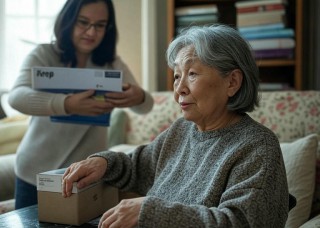 Exploring Nonmedical Home Care: Understanding Services, Costs, and Financial Approaches
 Engaging Brain Games and Innovative Apps to Keep Senior Minds Active
 Effective Strategies for Keeping Seniors' Minds Active: A Deep Dive into Brain Games and Apps