
74101 Portola Pointe Lane, Palm Desert, CA 92211
For more information about senior living options: (866) 208-4318
Astoria Care Home Costs & Pricing
Astoria Care Home offers competitive pricing for its services, with a monthly cost of $3,109 for a private room. This rate is notably lower than the average for Riverside County, which stands at $3,474, and significantly more affordable than the statewide average in California, where private room costs reach approximately $3,939 per month. By providing such value, Astoria Care Home not only appeals to budget-conscious families but also maintains a commitment to quality care within a supportive community environment.
| Floor plans | Astoria Care Home | Riverside County | California |
|---|---|---|---|
| Private | $3,109 | $3,474 | $3,939 |
Assisted Living communities with a similar price nearby
-
from -$109 / mo
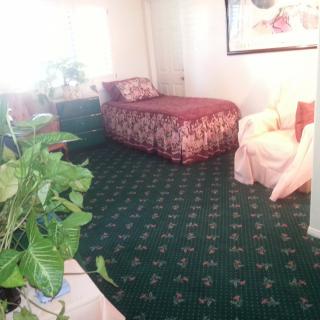
Carino's Quality Home Care
$3,000 to $3,500 / month9.8 miles away -
from -$609 / mo
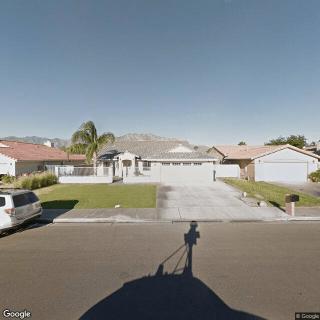
Island's Best Home Care
$2,500 to $3,000 / month6.0 miles away -
from -$114 / mo

Stonewall Gardens
$2,995 to $5,450 / month11.0 miles away -
from -$109 / mo

Assurance Home 2
$3,000 to $3,900 / month8.0 miles away -
from -$559 / mo
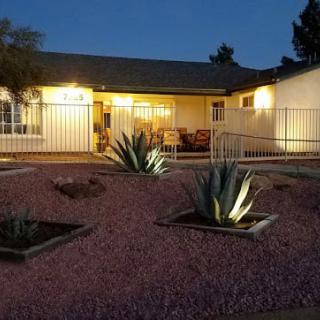
Angelic Mansions Assisted Living
$2,550 to $4,795 / month23.2 miles away
Overall Review of Astoria Care Home
Pros
 Vivante is an amazing place to live.
- The staff at Vivante are incredibly kind and caring.
- The food at Vivante is outstanding.
- The facilities at Vivante are clean and well-maintained.
- Selina and her staff provide kind, professional care in a beautiful home environment.
- The open-door policy and the owner’s attentive approach reassure families that Vivante is the right choice for their loved ones.
- Astoria care homes are highly regarded by families.
Review
Astoria Care Home in Palm Desert is best suited for families seeking a warm, intimate assisted living experience where staff dedication, daily comforts, and a genuine home atmosphere shape everyday life. The community earns strong marks when residents respond to consistently kind, professional caregivers, and when meals are not merely sustenance but a highlight of the day. Clean, well-maintained spaces reinforce a sense of dignity and reliability, allowing families to feel confident about the environment their loved one will inhabit. The open-door culture stands out as a core asset: families can interact freely with the management and frontline staff, and administrators are accessible to answer questions and adjust routines to fit personal preferences. In practice, the setting supports meaningful relationships and steady, personalized care.
Those whose priorities run toward heavy clinical oversight or specialized medical services should consider alternatives. A larger campus with on-site nursing leadership, structured rehab programs, and memory-care capabilities may deliver the kind of clinical rigor some residents require. Additionally, budget considerations and the desire for a more formalized routine may steer families toward options that present a more conventional institutional cadence. Astoria's strengths, home-like comfort and personal attention, often align best with residents who prioritize life quality and warmth over hospital-like amenities.
From the reviews, the strongest pros consistently offset typical trade-offs by delivering tangible daily value. The staff's warmth and professionalism translate into reliable, attentive care day after day; the kitchen earns repeated compliments for its quality, which directly influences comfort and appetite, while the cleanliness and upkeep guarantee a safe, welcoming environment. The open-door policy and the owner’s visible involvement create a sense of accountability and trust that is hard to attain in larger, more anonymous settings. While the absence of a strictly clinical frame could be a drawback for some, these strengths ensure concerns rarely linger and care plans stay personalized and responsive.
Family voices repeatedly emphasize that the care feels personal rather than impersonal. The synergy between Selina and the caregiving team matters: leadership accessibility, responsiveness, and a genuine willingness to address questions are repeated themes. The consistency of care, coupled with a home-like atmosphere, makes Astoria a place where residents can settle into routines, pursue meaningful activities, and enjoy meals that feel crafted rather than served as a chore. In short, the combination of compassionate staffing, culinary quality, and clean, comfortable spaces creates a daily living experience that many families view as a strong value proposition.
For families weighing the decision, a practical path is clear: schedule a hands-on visit, observe how staff interact with residents, and test the open-door dynamic by engaging with leadership during the tour. Ask about care planning, medication management, and how dietary preferences are accommodated. Review the activity calendar and opportunities for social engagement, excursions, and family involvement. Inquire about transition support for new residents and obtain transparent information on costs, what’s included, and any additional fees. Prospective residents should also verify whether the facility can accommodate evolving needs if health circumstances change.
Overall, Astoria Care Home stands out as a practical, high-value choice for families prioritizing warmth, individual attention, and a truly home-like daily life in Palm Desert. It is less suited for those requiring intense medical oversight, hospital-grade rehab, or large-scale campus services, where alternative communities may deliver more structured medical resources and formal routines. The reviews point to a consistent, reasoned excellence across staff, food, cleanliness, and leadership accessibility, suggesting that the fit is a matter of aligning expectations with what the home actually delivers. With a thoughtful tour and frank conversations with Selina and the caregiving team, families can affirm whether this is the right home for their loved one’s next chapter.
 6 resident community capacity
 Assisted Living
 Cable or satellite TV
 Dining room
 Fully furnished
 Garden
 Housekeeping services
 Move-in coordination
 Outdoor space
 Telephone
 Wi-Fi/high-speed internet available
 Palm Springs International (8 miles away)
 24-hour supervision
 Activities of daily living assistance
 Assistance with bathing
 Assistance with dressing
 Assistance with transfers
 Diabetes diet
 Meal preparation and service
 Medication management
 Special dietary restrictions
 Transportation arrangement (medical)
 Transportation to doctors appointments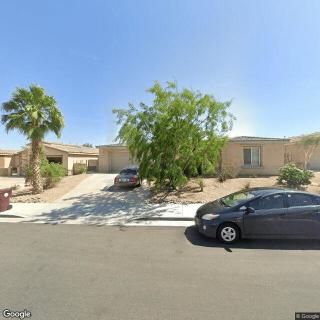



 Assisted Living Support for Veterans: A Complete and Detailed Overview
 Exploring the Contrasts Between Assisted Living and Skilled Nursing
 8 Key Indicators That Suggest It May Be Time to Transition from Assisted Living to Skilled Nursing Care