
1221 David Avenue, Pacific Grove, CA 93950
For more information about senior living options: (866) 208-4318
Overall Review of Del Monte Memory Care
Pros
 The staff are caring, patient, and attentive.
- Residents are treated with respect, dignity, and kindness.
- The facility provides freedom to move around and choose dining options.
- Management and ownership are responsive, trustworthy, and focused on safety.
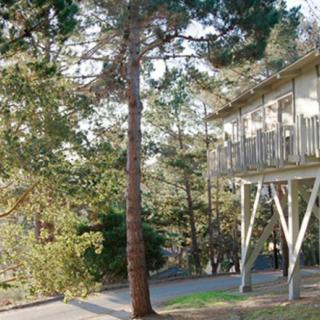
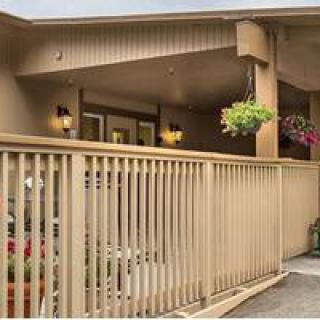
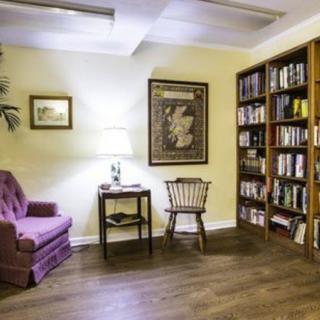
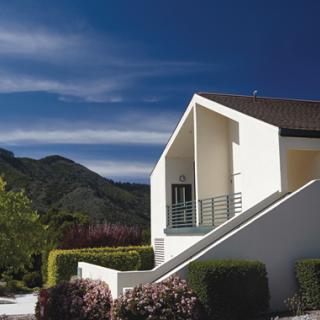
- The grounds and interiors are well kept, clean, and home-like.
- The meals are good and accommodating to dietary needs.
- Families report peace of mind and compassionate support during transitions and difficult times.
- Pets are allowed for some residents, reflecting flexibility and individual needs.
- The community offers social activities and a warm, family-like atmosphere.
Cons
 The reviewer states that the nationally-known facility’s caregivers were inconsistent from day to day and month to month.
- They claim staff said the mother refused care and that they could not force her to accept it.
- The reviewer describes having to visit daily to help with basic needs, causing significant stress for the family.
- They report being charged for a level of care that was not provided.
- They note an itemized charge of $7 for every meal delivered to the room.
- They recount the mother developing a bad UTI, falling twice, and ending up in the hospital and rehab, implying inadequate care.
- They say they could no longer allow their mother to live in that facility due to less than adequate physical care.
- They state they moved to a smaller, local assisted living facility hoping for better care.
Review
Del Monte Memory Care in Pacific Grove is best suited for families seeking a small, home-like setting where residents with memory impairment receive patient, dignity-first care from a stable, hands-on staff. The community emphasizes gentle routines, respectful treatment, and a calm, non-institutional atmosphere. Long-tenured caregivers and a leadership team that has stabilized operations have created a sense of reliability. Rooms are remodeled, the grounds are inviting, and residents can choose from multiple dining settings, reflecting a respect for independence and mood. The presence of a pet-friendly policy in some cases signals a willingness to honor individual preferences. This combination serves residents who value personal attention and a peaceful, predictable daily life.
Yet Del Monte may not be the best fit for every family. If a resident requires intensive clinical oversight, aggressive medical monitoring, or on-site 24/7 physician coverage with a broad continuum of rehabilitation services, a larger campus or hospital-like memory-care program may be a better fit. Families seeking highly specialized dementia programming with expansive therapy suites or more expansive social and activity offerings might also prefer alternatives. The setting remains intimate and community-driven rather than expansive, which can feel limiting for those who expect a more medicalized or campus-style environment.
The core strengths, the compassionate, patient staff; steady leadership; and a warm, adaptable atmosphere, tend to offset historical concerns that arose under earlier management. The new owners are repeatedly praised for transparency, proactive problem-solving, and staying in close contact with families about changes in care plans. Residents benefit from routines that preserve dignity, flexible dining options, and opportunities to socialize in permissible settings around the courtyard, gardens, and shared spaces. All-inclusive pricing reduces financial guesswork, and transitions into higher levels of care, including hospice, are handled with regard for continuity and respect. The main caveat is a smaller-scale operation that may not match the depth of medical infrastructure found in larger facilities.
Another significant offset is the consistency of caregiving and the family-style culture. Families report long-tenured caregivers who know residents well, creating trust and smoother communication. Administrative leadership appears visible and responsive, coordinating insurance, hospice, and family visits without delay. Residents are not corralled into rigid programs; instead, care accommodates personalized needs, room setup changes, varied meal locations, and access to outdoor activities. The design supports independence while maintaining safety: remodeled rooms, accessible outdoor spaces, and a welcoming ambiance that still protects memory-care supervision. That balance between autonomy and security is a recurring strength in practical terms.
For families evaluating Del Monte, a practical approach is essential. Plan a multi-visit assessment that observes staffing interactions during daily routines, mealtime, and evening transitions. Inquire about the current care teams, turnover, and how communications are structured, especially around changes in medical needs or hospice involvement. Scrutinize the pricing model to confirm inclusions and ask how care escalations are billed. Assess social programming and engagement opportunities to ensure alignment with the resident’s personality and preferences. Compare against alternatives that offer broader medical staffing, more intensive therapy, or different pacing to ensure the choice matches the trajectory of care required.
Overall, Del Monte Memory Care stands out for creating a warm, respectful residence where memory-impaired residents can maintain dignity, autonomy, and meaningful connection. It is a compelling choice for families prioritizing continuity of care, staff stability, and a home-like environment over clinical bustle. The main caveat is suitability for residents with very high-acuity needs who require robust on-site medical infrastructure; in those cases, alternatives with larger clinical footprints merit consideration. For most families seeking a compassionate, all-inclusive, community-centered option in Pacific Grove, Del Monte offers a clear, practical path forward, grounded in genuine caregiving, responsive leadership, and a culture that translates to real peace of mind.
 6 resident community capacity
 Assisted Living
 Board and Care Home
 Respite Care
 Cable or satellite TV
 Dining room
 Fully furnished
 Garden
 Housekeeping services
 Move-in coordination
 Outdoor space
 Telephone
 Wi-Fi/high-speed internet available
 Monterey Peninsula (5 miles away)
 24-hour supervision
 Activities of daily living assistance
 Assistance with bathing
 Assistance with dressing
 Assistance with transfers
 Diabetes diet
 Meal preparation and service
 Medication management
 Special dietary restrictions
 Transportation arrangement (medical)
 Transportation to doctors appointments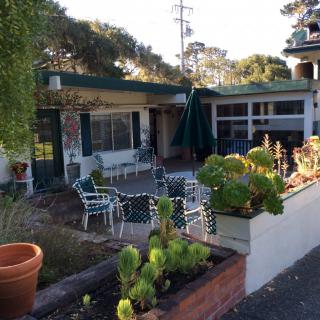


 Beyond the Bingo Hall: 50+ Enriching Activities for Seniors in Assisted Living
 Understanding the Distinctions: Assisted Living and Memory Care Explained
 Guiding Elderly Parents Who Refuse Assisted Living: 6 Practical Steps