






1575 Skyline Drive, Monterey, CA 93940
For more information about senior living options: (866) 208-4318
Overall Review of Windsor Monterey Care Center
Pros
 The staff are great.
- The facility's staff are caring and compassionate toward residents, forming a great team of caring individuals.
- The facility is well run, and the staff are wonderful and thoughtful.
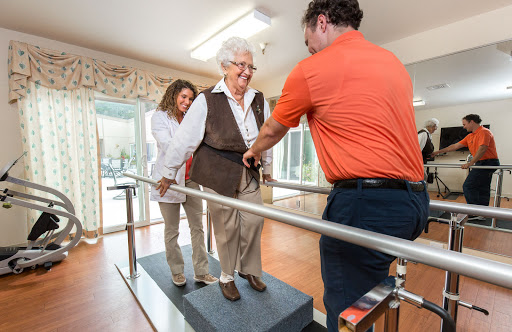
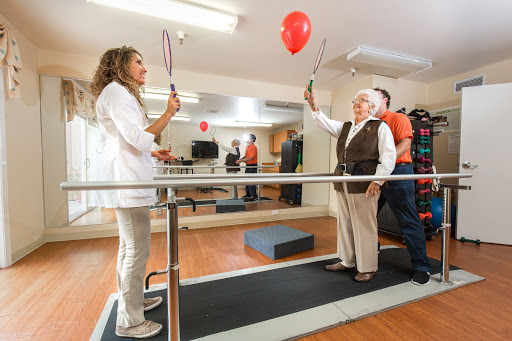
- Residents receive therapy and show improvement.
- The resident has gained weight and his mobility is increasing.
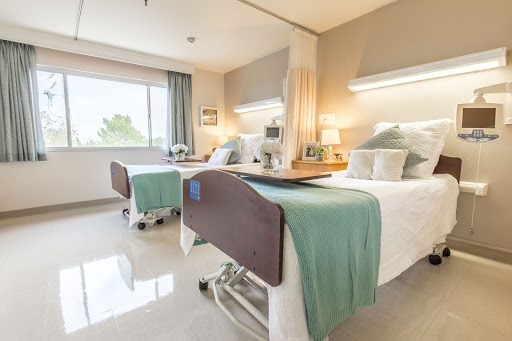
- The room is clean.
- The reviewer would recommend Windsor Monterey Care Center.
- The staff treated residents with respect and provided excellent help.
Cons
 The reviews allege physical and mental abuse at Windsor Monterey Care Center and call it unacceptable.
- A nurse is described as very bad for hitting patients.
- Medications are often unavailable, with patients told they are on the way and left without meds for hours.
- Promises such as a special diet and other promised help were never fulfilled.
- A nurse referred to as Nurse Ratchet is described as horrible and not looking forward to her shift.
- The facility is said to have lost a dear cousin and shows no understanding of why she died in their care.
- During an older stay, there was no doctor visits and the care was the worst, with bandages left on for over a week and the food described as awful (powdered eggs for breakfast).
- Nurses are described as distant and not communicating with families, with some aides uninterested, and the food looking terrible and not nutritious.
- The overall feedback includes numerous negative ratings (one-star/ thumbs-down).
Review
Windsor Monterey Care Center in Monterey, CA, is best suited for families seeking a facility with tangible rehab potential and a social, activity-rich environment, provided there is a clear expectation of active oversight and advocacy. The center shows clear upside for residents who need therapy services, daily structure, and ongoing social engagement, with noticeable upticks in mobility and weight for some residents. However, this is not a place for families prioritizing unfailingly reliable safety, consistent med administration, or uniformly strong communication with families. Those who cannot tolerate uneven staffing, episodic care gaps, or the risk of severe interpersonal issues should consider alternatives.
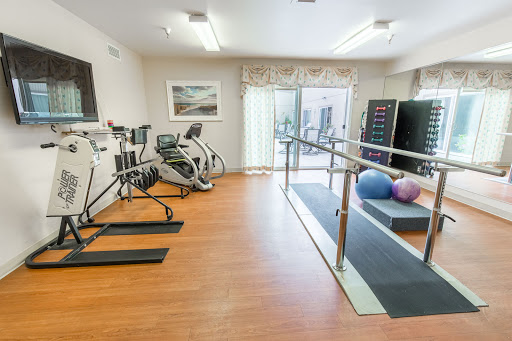
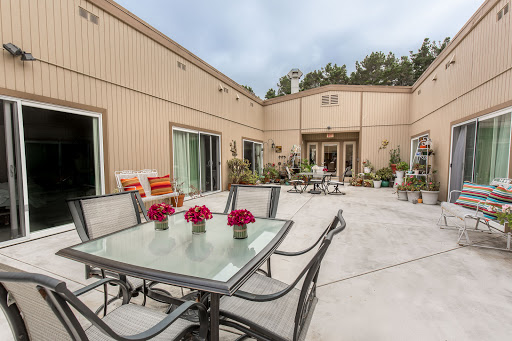
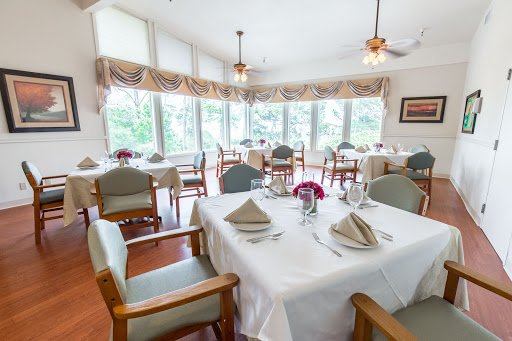
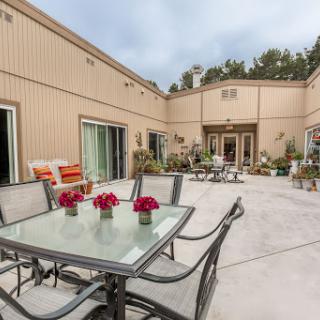
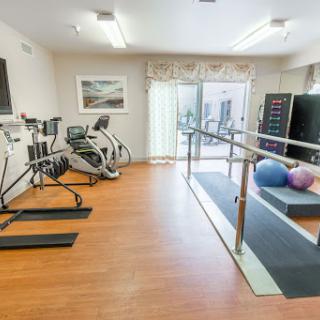
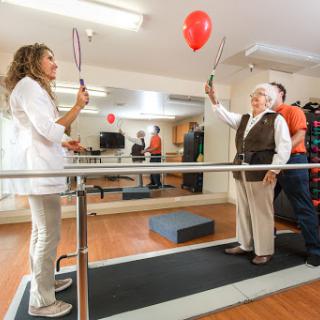
On the plus side, the most credible strengths revolve around therapy and engagement. Several reviews affirm that residents do receive therapy and demonstrate tangible improvements in mobility and general health, with families noting weight gain and functional progress. The campus itself supports activity through an exercise area, gathering spaces, and a dining hall, plus a calendar of weekly activities that residents can participate in. When the staff are aligned and attentive, residents report feeling cared for and treated with kindness, sometimes likened to family by appreciative families. This combination, therapeutic opportunities plus an active social environment, creates a meaningful path to rehabilitation and life enrichment for residents who can capitalize on it.
Yet these strengths must be weighed against serious, persistent concerns voiced by multiple families and reviewers. Reports of physical and mental abuse, or of staff who fail to meet basic safety expectations, are not incidental; they point to real risk factors that cannot be ignored. Medication delays and shortages are described as routine problems, leaving residents without vital treatments for hours. Dietary promises are sometimes unmet, with promises of special diets not followed through, and food quality is repeatedly criticized. Communication with families is frequently described as weak or distant, with call-button waits and a sense that clinical staff are not consistently responsive. The combination of these failures, safety lapses, medication lapses, dietary neglect, and poor family communication, creates a risk profile that weighs heavily against the more favorable rehabilitation narratives.
In practical terms, the pros can be compelling for a specific use case, but the cons significantly dilute the appeal for long-term placement. If a resident arrives primarily for short-term rehab, with strong family oversight and a plan for regular check-ins, Windsor Monterey can deliver meaningful improvements in mobility and daily function. The therapy programs and facility resources support progress, and for families who can remain engaged and insist on timely care, the environment can work. For long-term residents or individuals with complex medical needs, however, the inconsistent staffing, the reported call-light delays, and the troubling instances of neglect or abuse raise serious concerns about ongoing safety and quality of life.
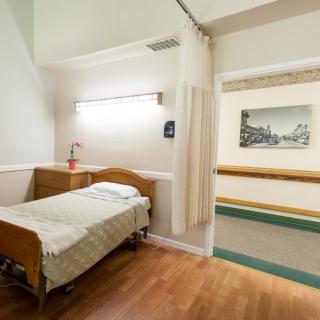
Families considering Windsor Monterey should approach the decision with a rigorous due-diligence mindset. Key steps include requesting a recent staffing schedule to gauge nurse-to-patient ratios, asking for the names and qualifications of the therapy team, and requesting to review any incident or corrective-action reports related to patient safety. Prospective residents should tour with questions about meal planning, room options (especially the availability of private rooms), and the availability of personalized dietary accommodations. Speak with current residents and families about how responsive the staff are to call bells, how quickly pain and medication needs are addressed, and whether communication with families is consistent and transparent. It is essential to verify whether improvement in mobility and weight gain translates to a sustainable, safe daily routine.
Ultimately, Windsor Monterey Care Center presents a mixed proposition. The facility can deliver meaningful rehab gains, a structured social milieu, and attentive therapy when conditions align. However, the presence of credible reports of abuse, medication gaps, and inconsistent caregiver engagement cannot be dismissed. For families with tolerance for variability and a heightened emphasis on active oversight, the center may be a workable option, and for some, a favorable one. For others, especially those who cannot count on dependable medications, proactive safety monitoring, and consistently compassionate communication, alternatives with stronger safety reputations and more reliable day-to-day care are worth pursuing. In decision-making terms, Windsor Monterey should be shortlisted only if robust, ongoing family involvement is guaranteed and the care plan includes stringent safeguards, otherwise, look to facilities with clearer, consistently demonstrated safety and reliability.
 78 resident community capacity
 Skilled Nursing Facility
 Air-conditioning
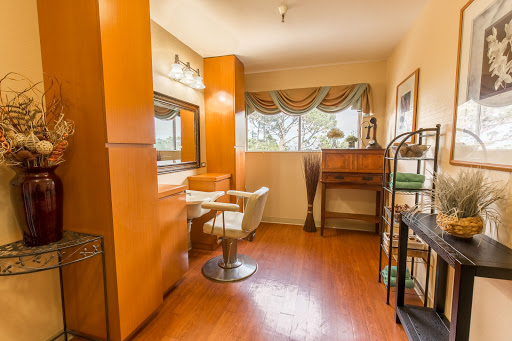
 Beauty salon
 Cable or satellite TV
 Computer center
 Dining room
 Fitness room
 Fully furnished
 Gaming room
 Garden
 Housekeeping services
 Kitchenette
 Move-in coordination
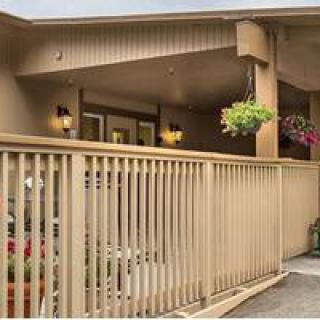
 Outdoor space
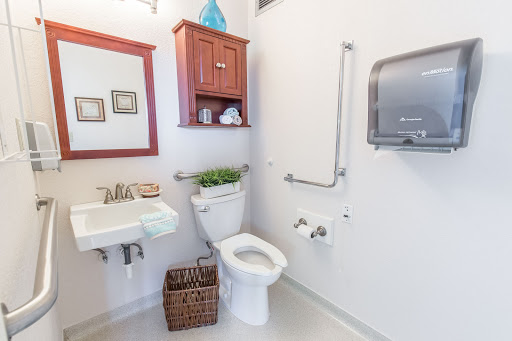
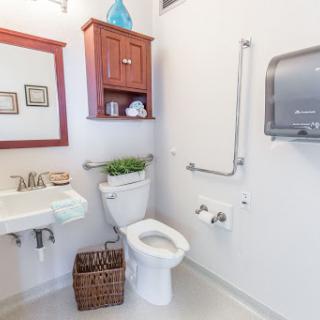
 Private bathrooms
 Restaurant-style dining
 Small library
 Telephone
 Wellness center
 Wi-Fi/high-speed internet available
 Monterey Peninsula (4 miles away)
 Community operated transportation
 12-16 hour nursing
 24-hour call system
 Activities of daily living assistance
 Assistance with bathing
 Assistance with dressing
 Assistance with transfers
 Diabetes diet
 Medication management
 Mental wellness program
 Special dietary restrictions
 Concierge services
 Planned day trips






 In-Depth Look at the VA Aid and Attendance Program
 Nurturing Our Loved Ones: A Daughter's Journey in Caring for Her Mother
 Nurturing Our Elders: Linda's Journey of Supporting Her Mother