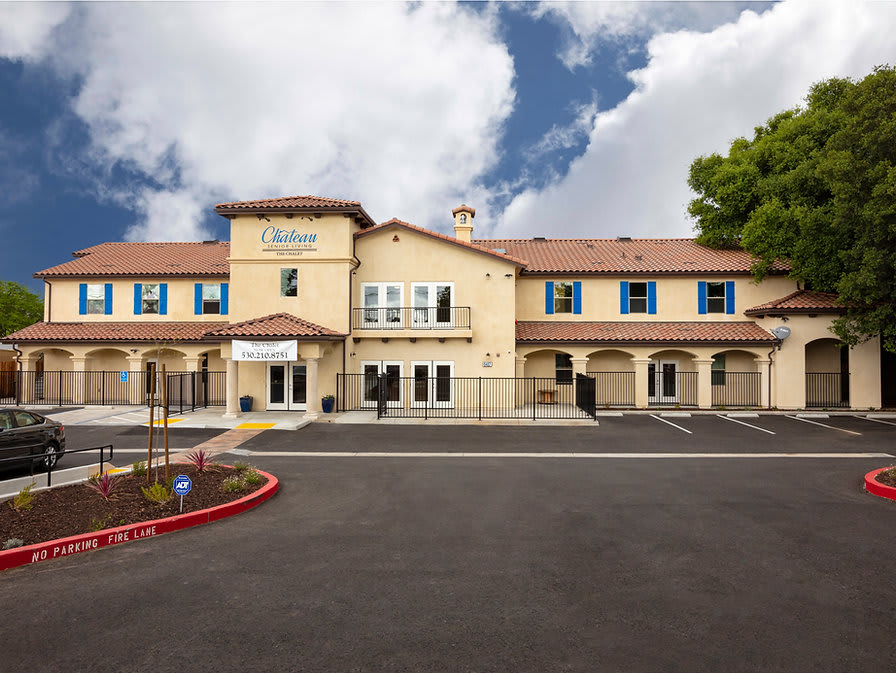
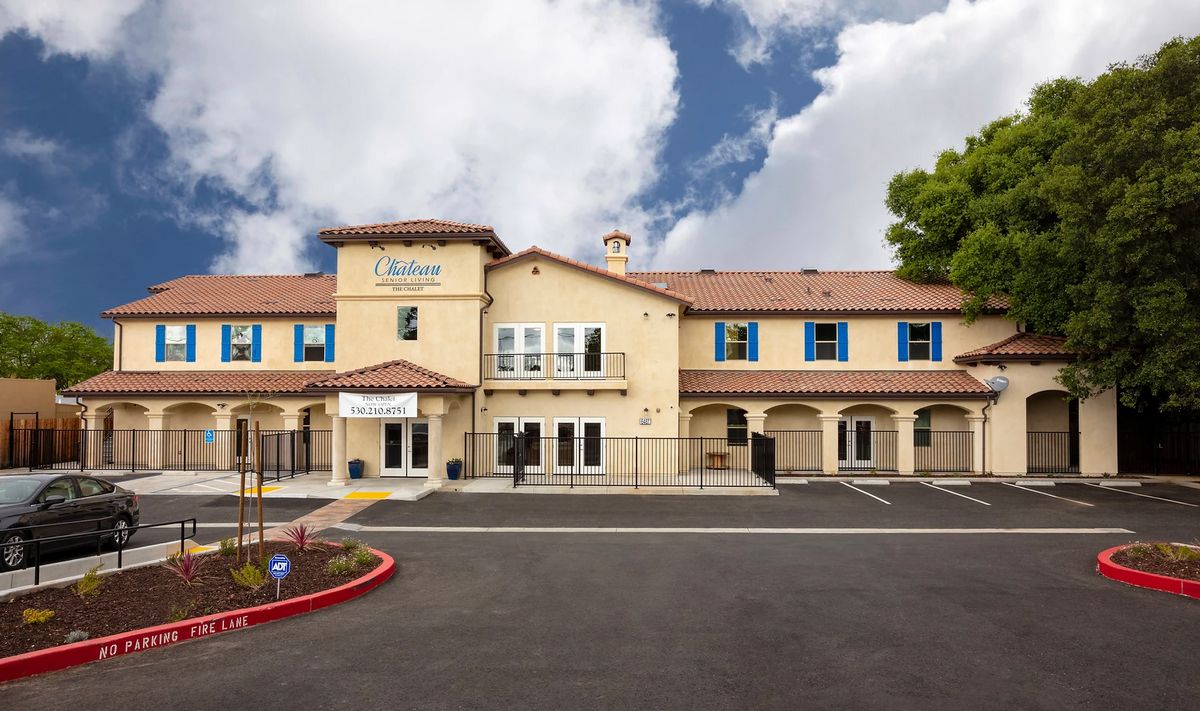
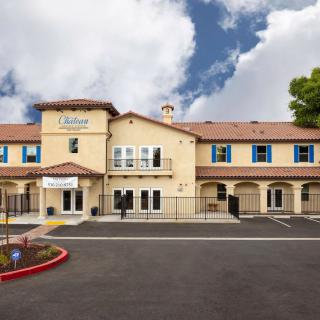
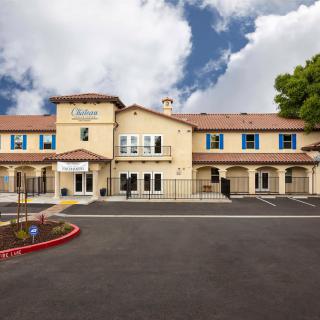
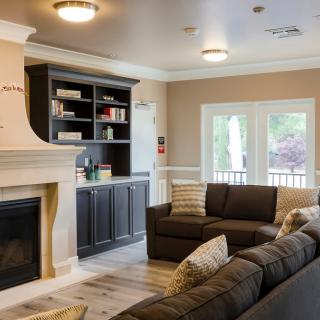
6487 Main Street, Orangevale, CA 95662
For more information about senior living options: (866) 208-4318
The Chalet Costs & Pricing
The Chalet offers competitive pricing for its accommodations, particularly when compared to both Sacramento County and the broader California market. For a semi-private room, The Chalet's monthly cost stands at $3,500, which is notably higher than the county average of $3,106 but slightly below the state average of $3,333. In contrast, for its studio units priced at $4,000, The Chalet is positioned just above Sacramento County's average of $3,865 while remaining competitively aligned with California's average cost of $4,145. This pricing strategy suggests that The Chalet provides unique value in terms of services or amenities that may justify the marginal premium over local peers.
| Floor plans | The Chalet | Sacramento County | California |
|---|---|---|---|
| Semi-Private | $3,500 | $3,106 | $3,333 |
| Studio | $4,000 | $3,865 | $4,145 |
Memory care communities with a similar price nearby
-
from +$500 / mo
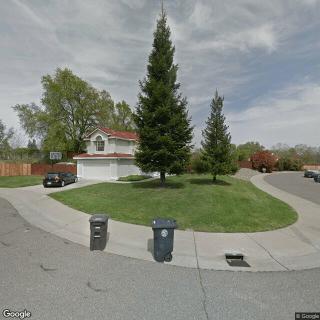
Sungarden Villa II
$4,000 / month3.7 miles away -
from +$650 / mo
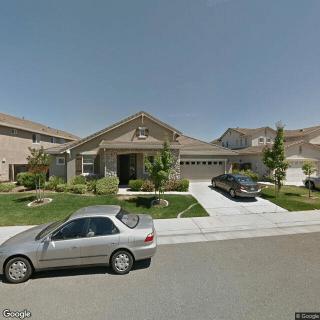
Ferrari
$4,150 to $5,500 / month13.8 miles away -
from -$500 / mo
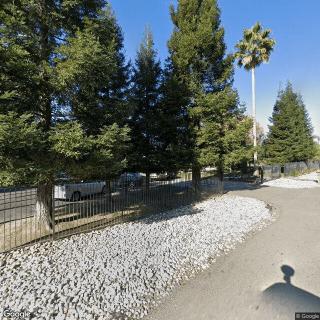
Love & Care for Elder
$3,000 to $4,500 / month7.7 miles away -
from +$500 / mo

Ashley Villa
$4,000 / month5.8 miles away -
from +$500 / mo
A Bright Future
$4,000 / month9.5 miles away
Overall Review of The Chalet
Pros
 The staff and facility are highly regarded by residents.
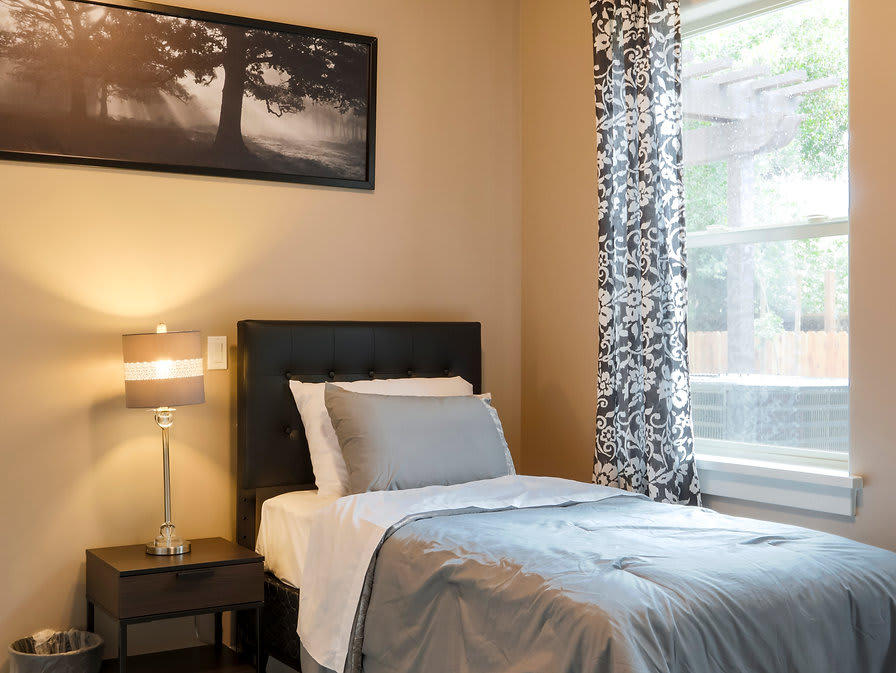
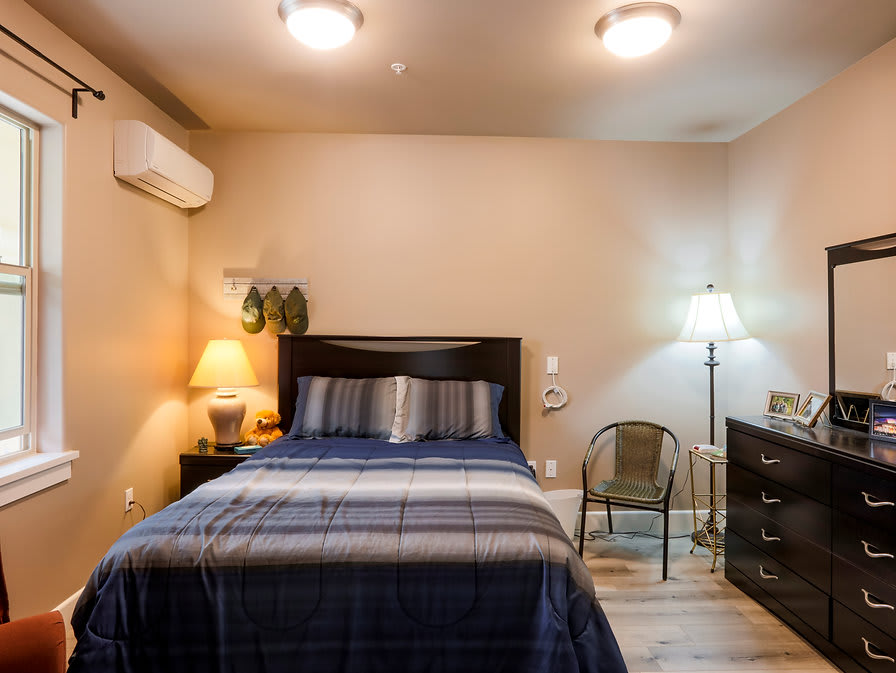
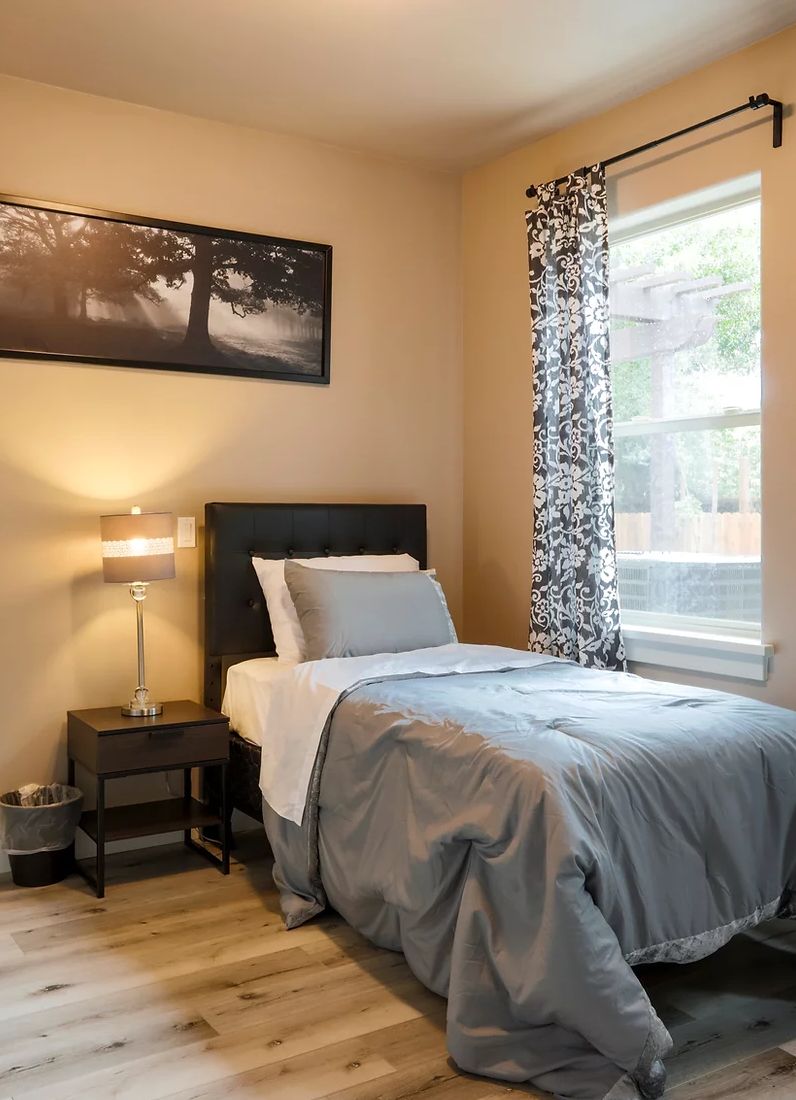
- The rooms are fairly good and available as both double and single.
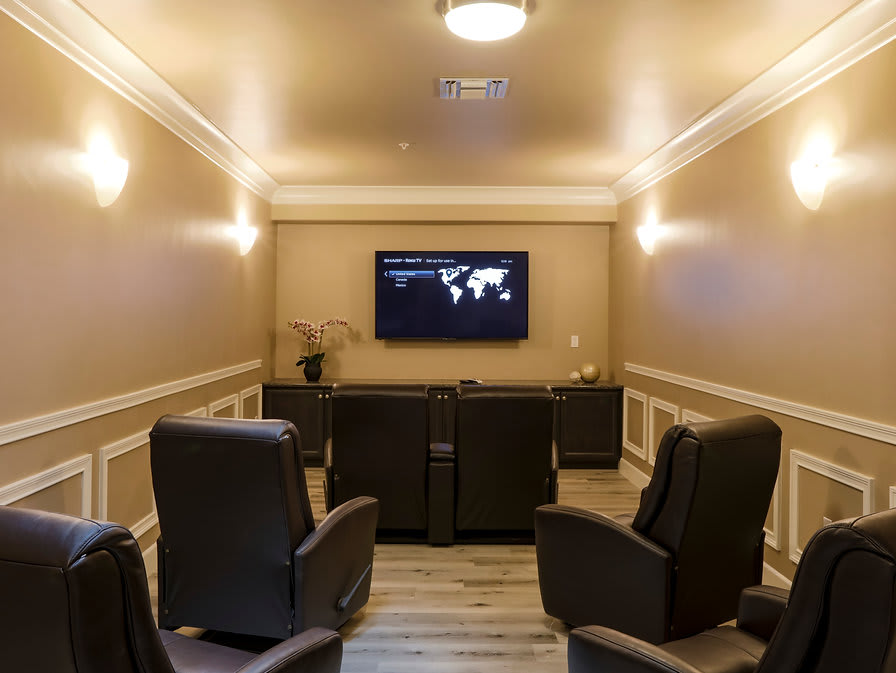
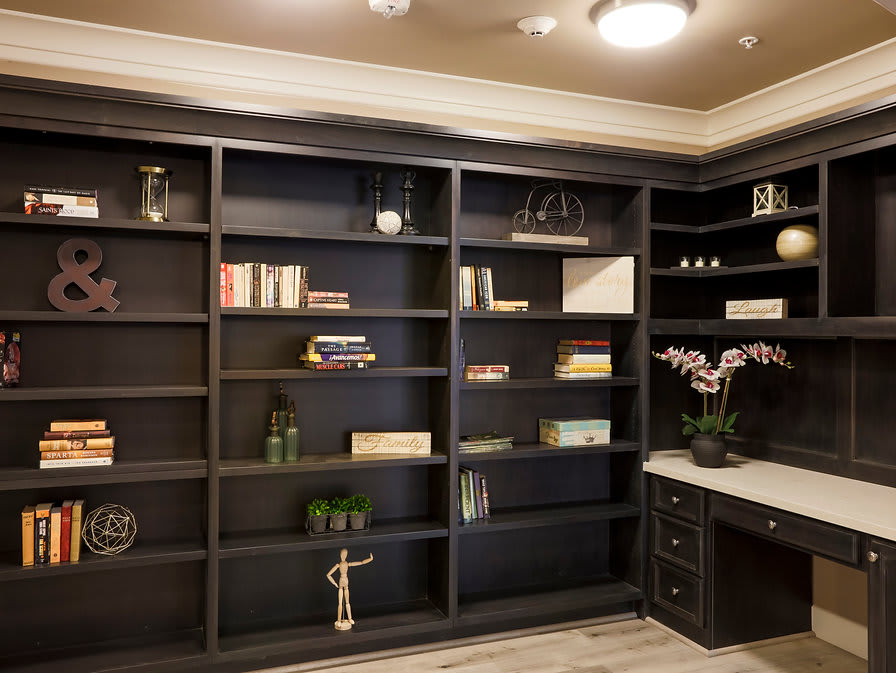
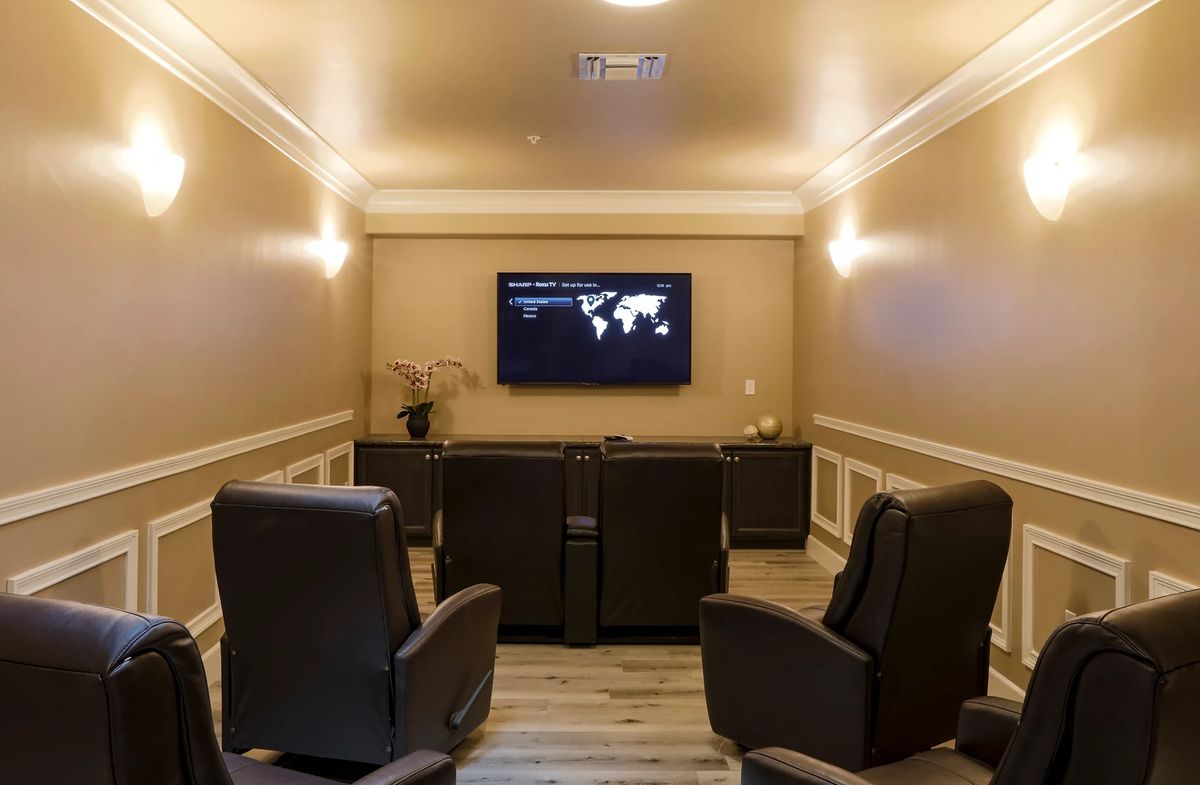
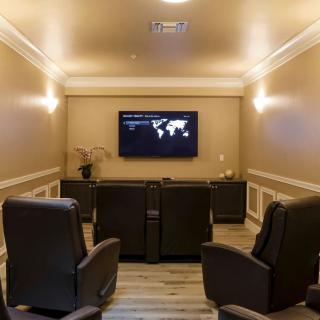
- Upstairs there is a library and a theater for residents to enjoy.
- Musicians are invited to perform for residents.
- The Chalet in Orangeville has friendly, professional staff.
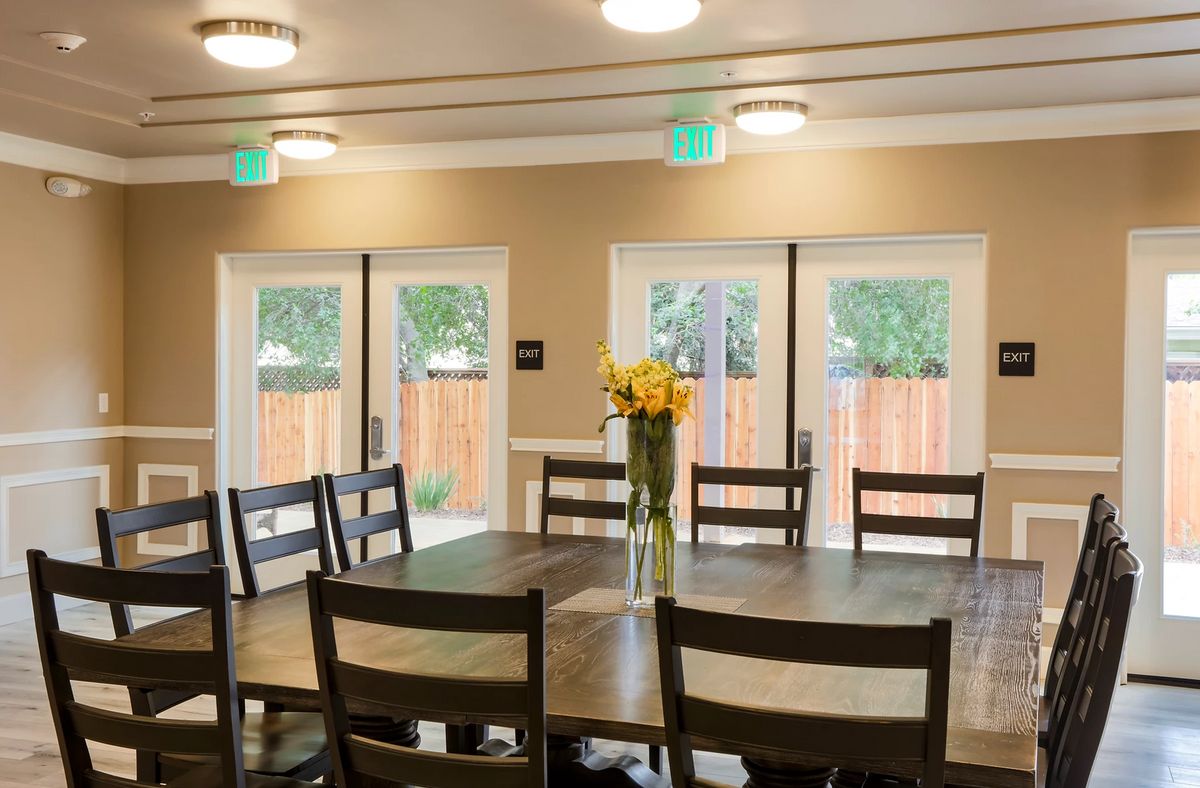
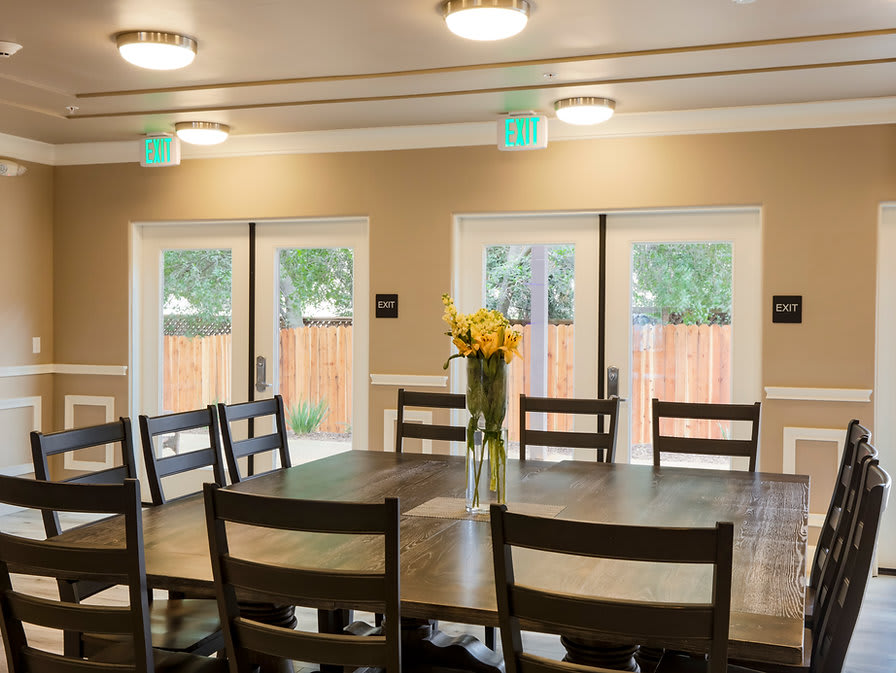
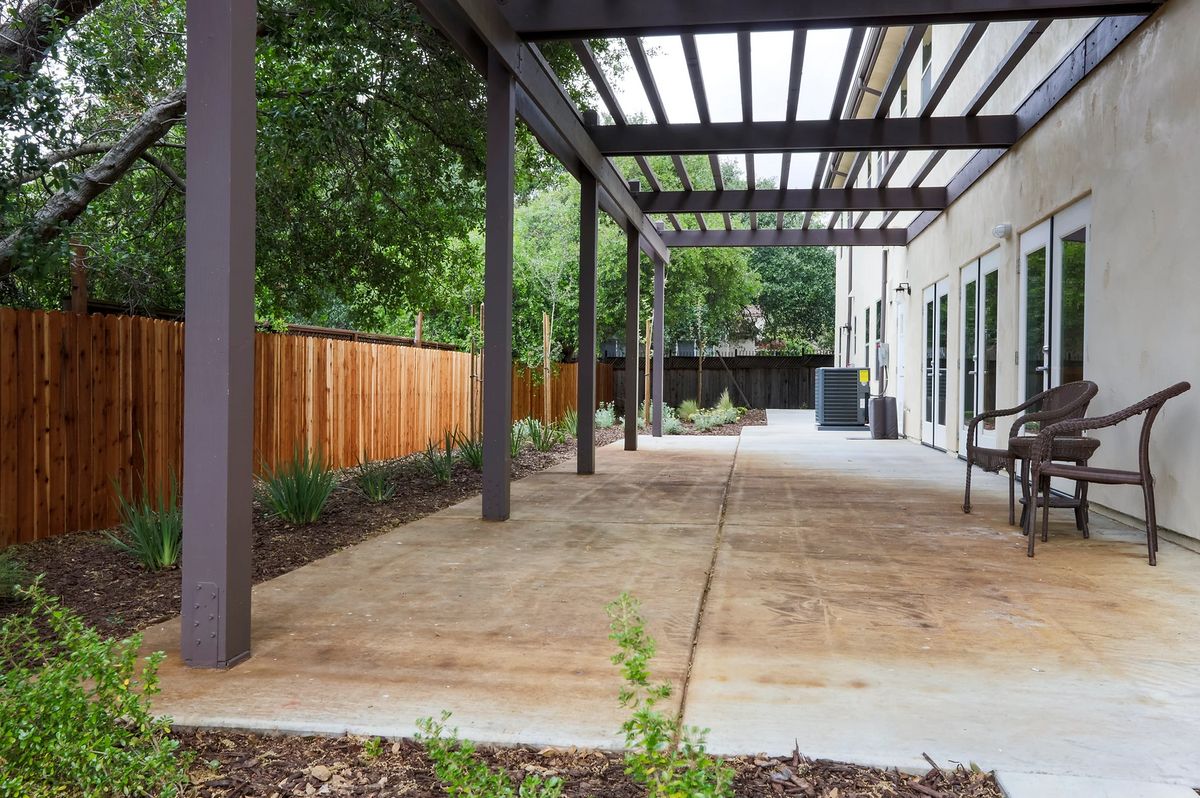
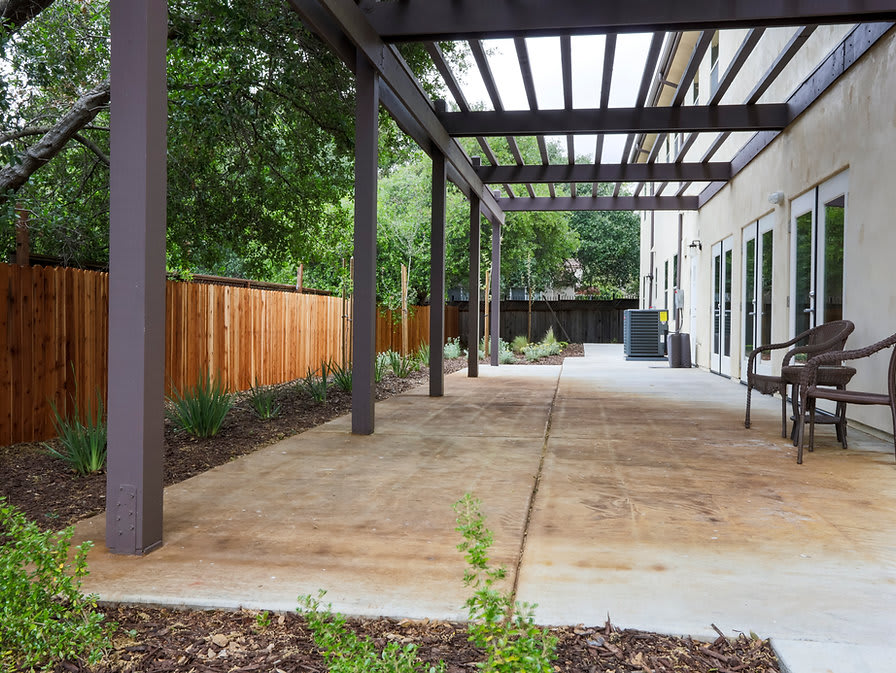
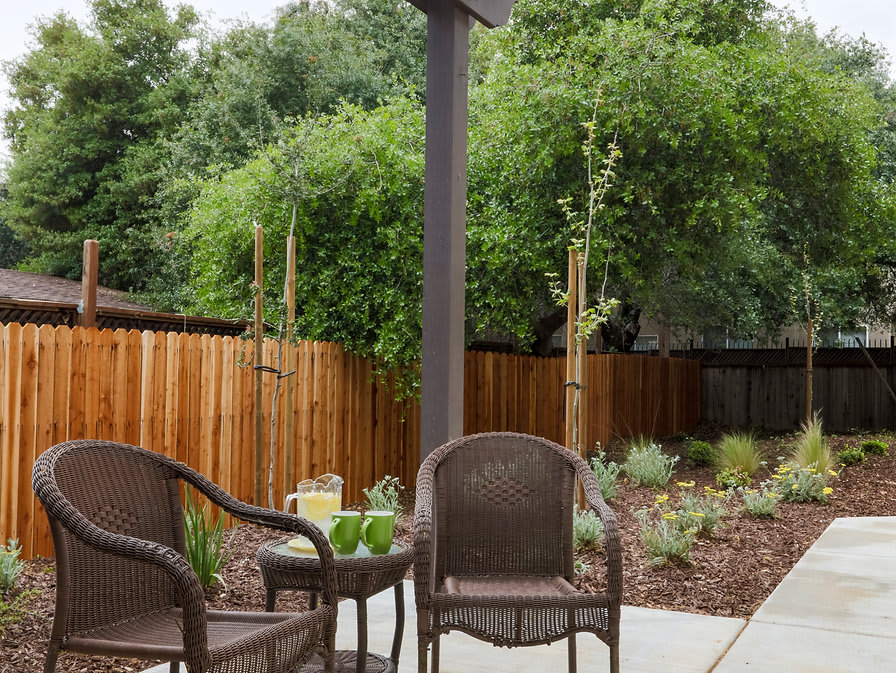
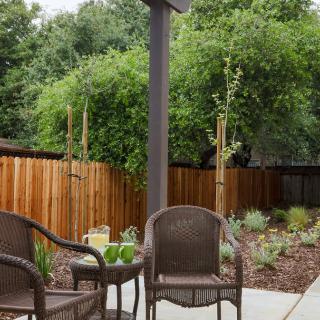
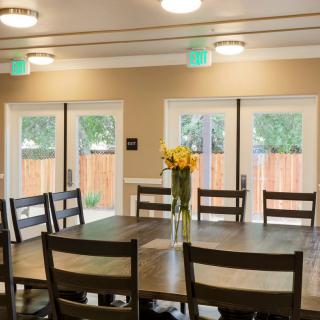
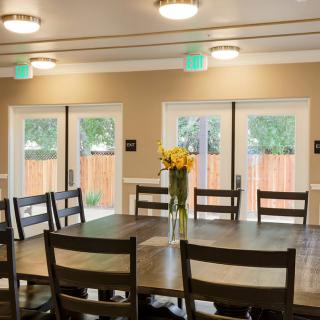
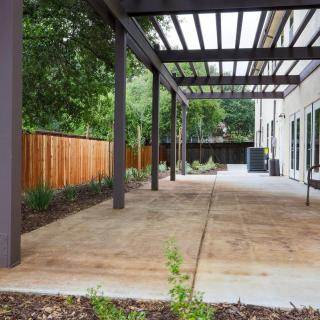
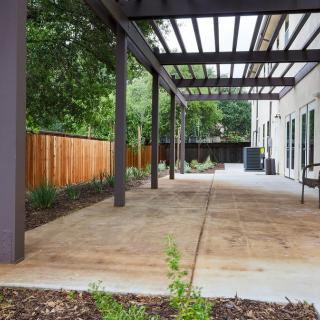
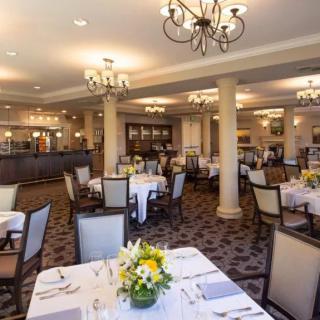
- The dining area is inviting, with indoor or patio dining options.
- The facility offers an exercise area, a craft room, and an active program with an activity director.
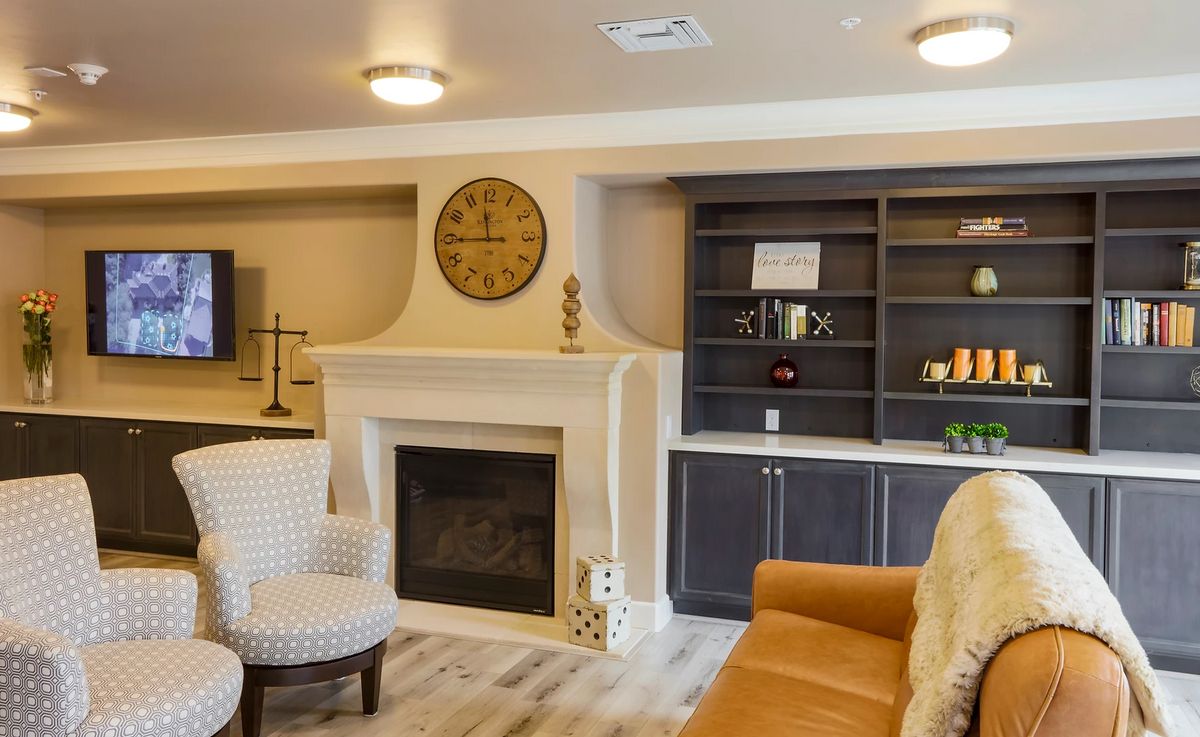
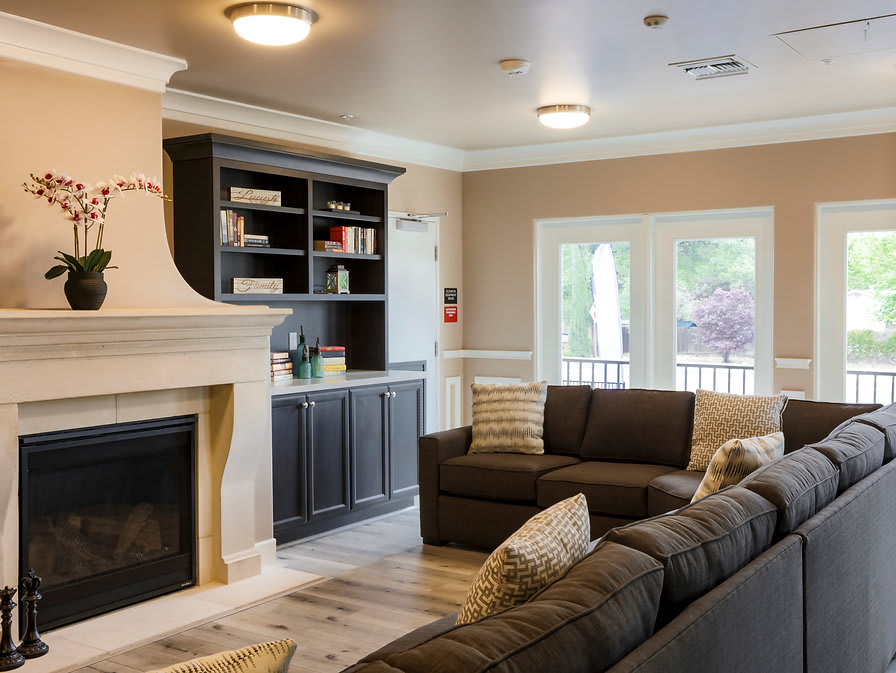
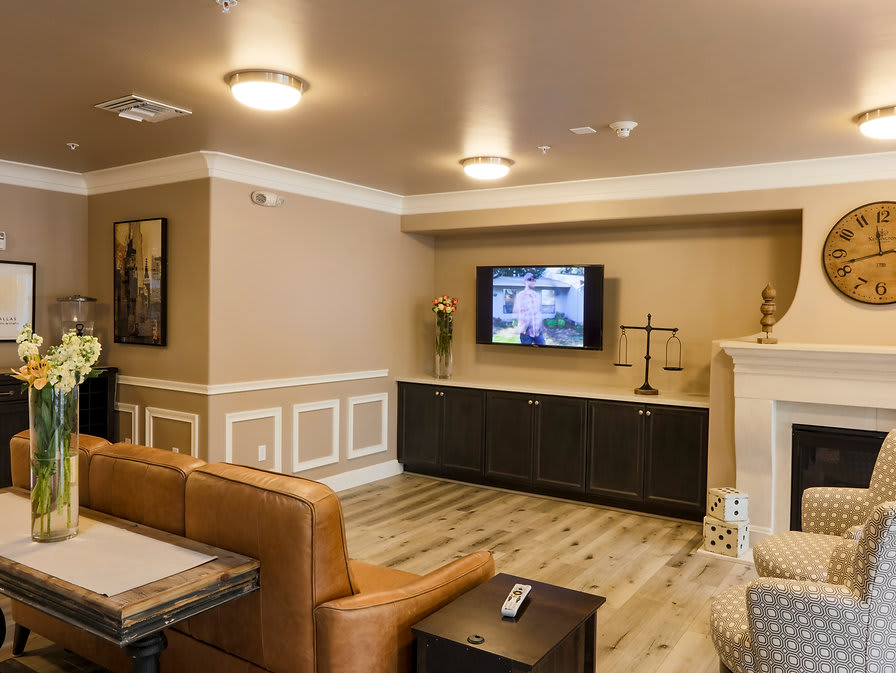
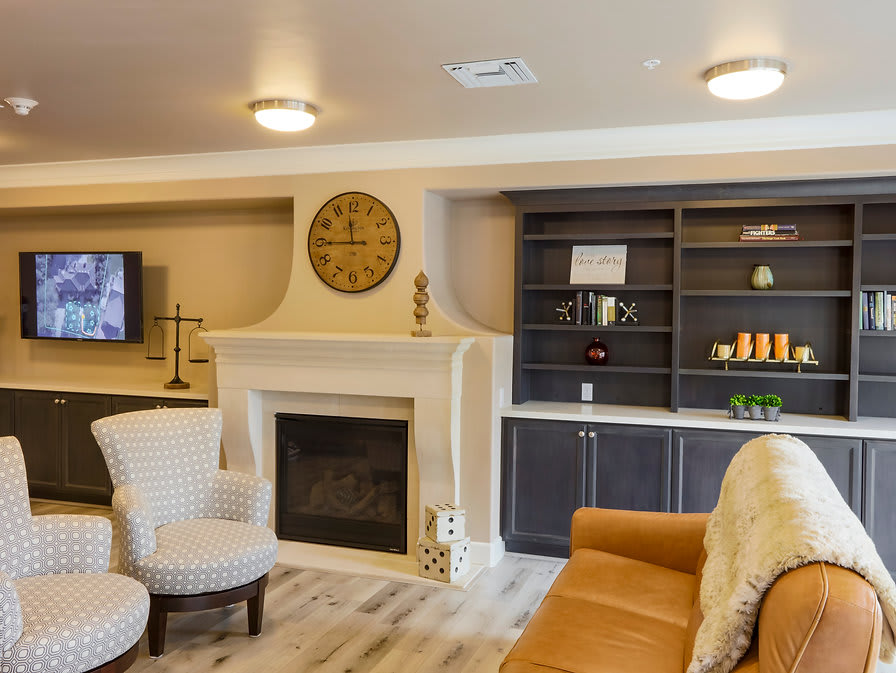
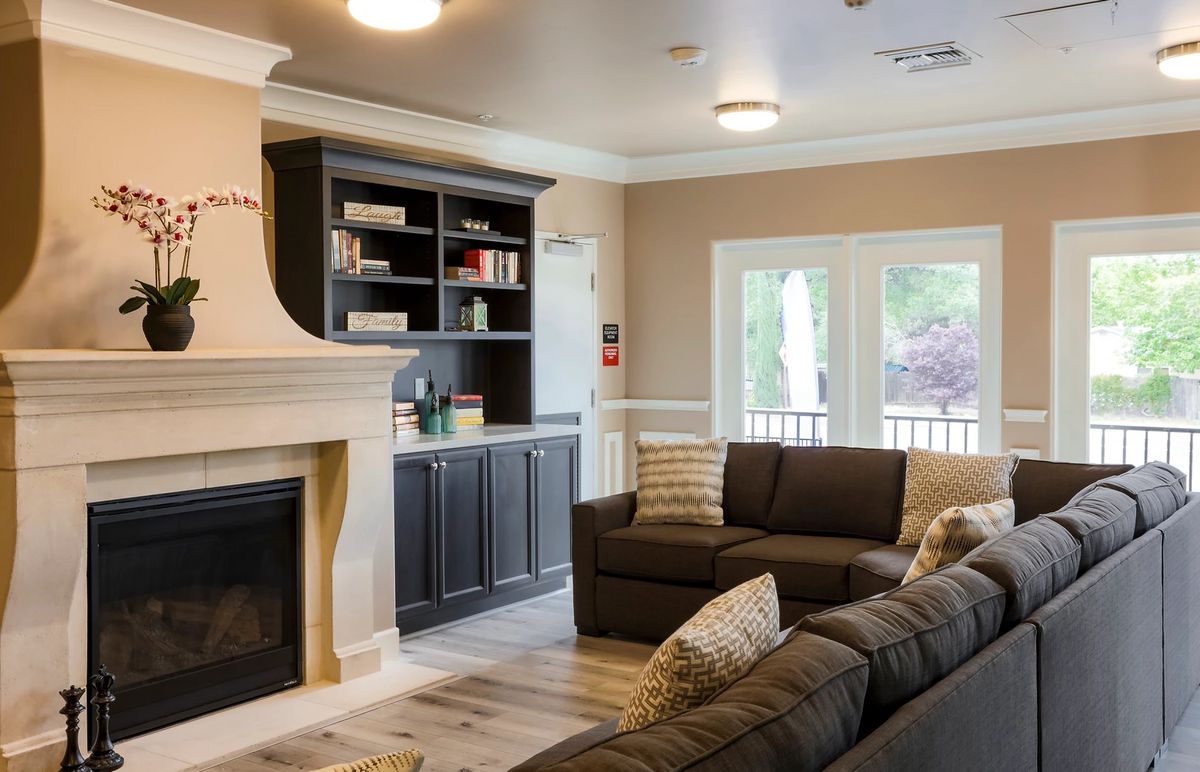
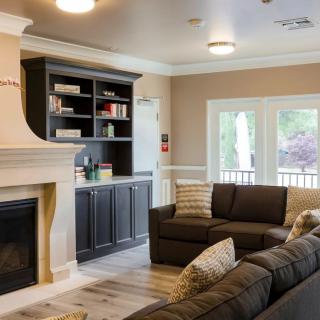
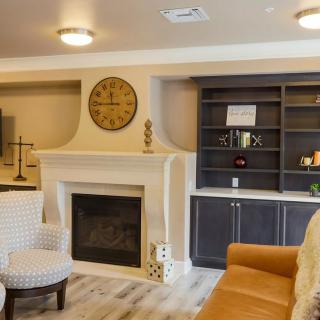
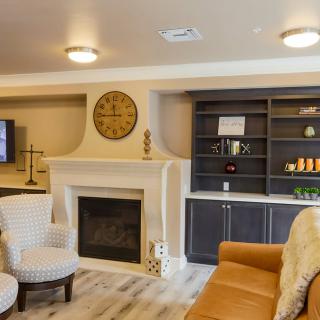
- There are viewing, reading, and lounge spaces that residents can use.
Cons
 The place sucks.
- The food is disgusting.
- The staff won’t even eat.
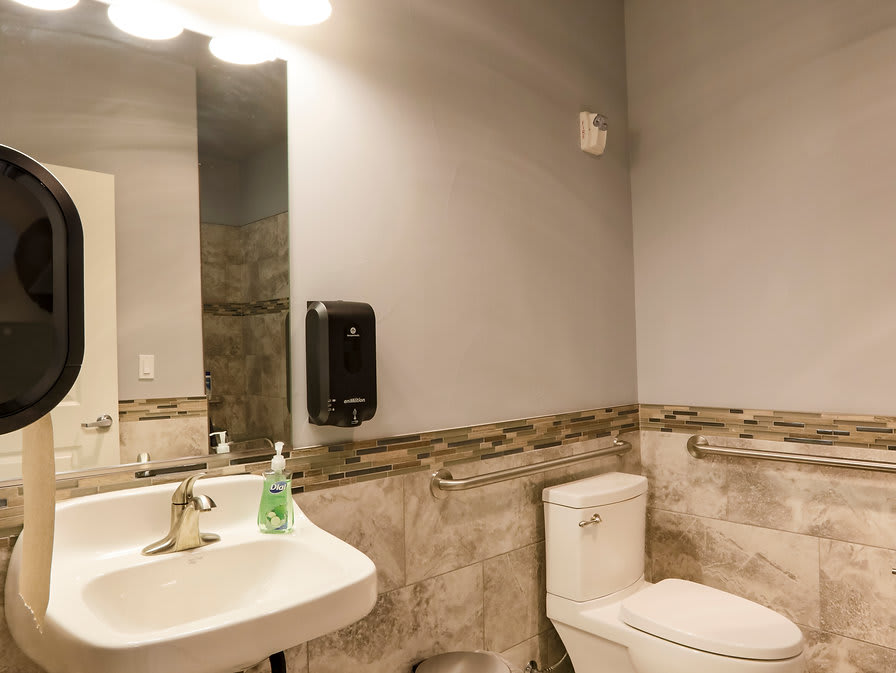
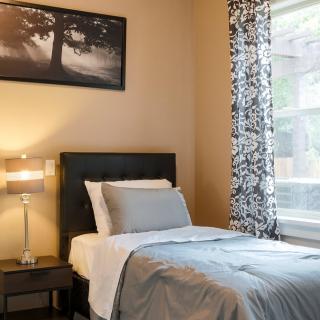
- The rooms are very small, especially in a shared room, with little space to move and only enough room for a wheelchair and getting into bed.
- There were no TV remotes for six months.
- There was nothing to do except sit outside, listen to music, or watch cars go by.
- It is a horrible place to place a loved one.
- It stinks, with a strong odor in the place.
Review
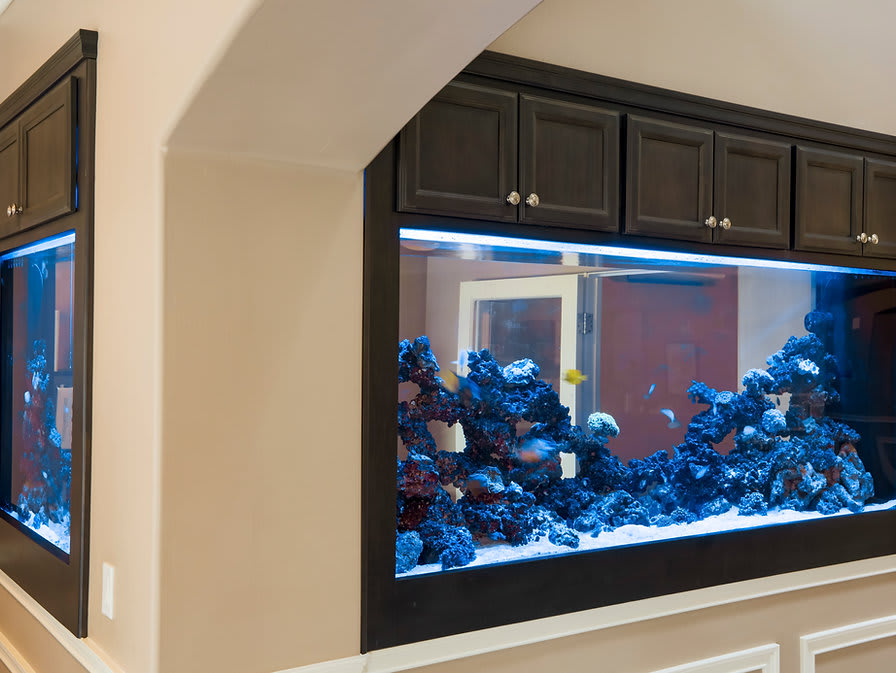
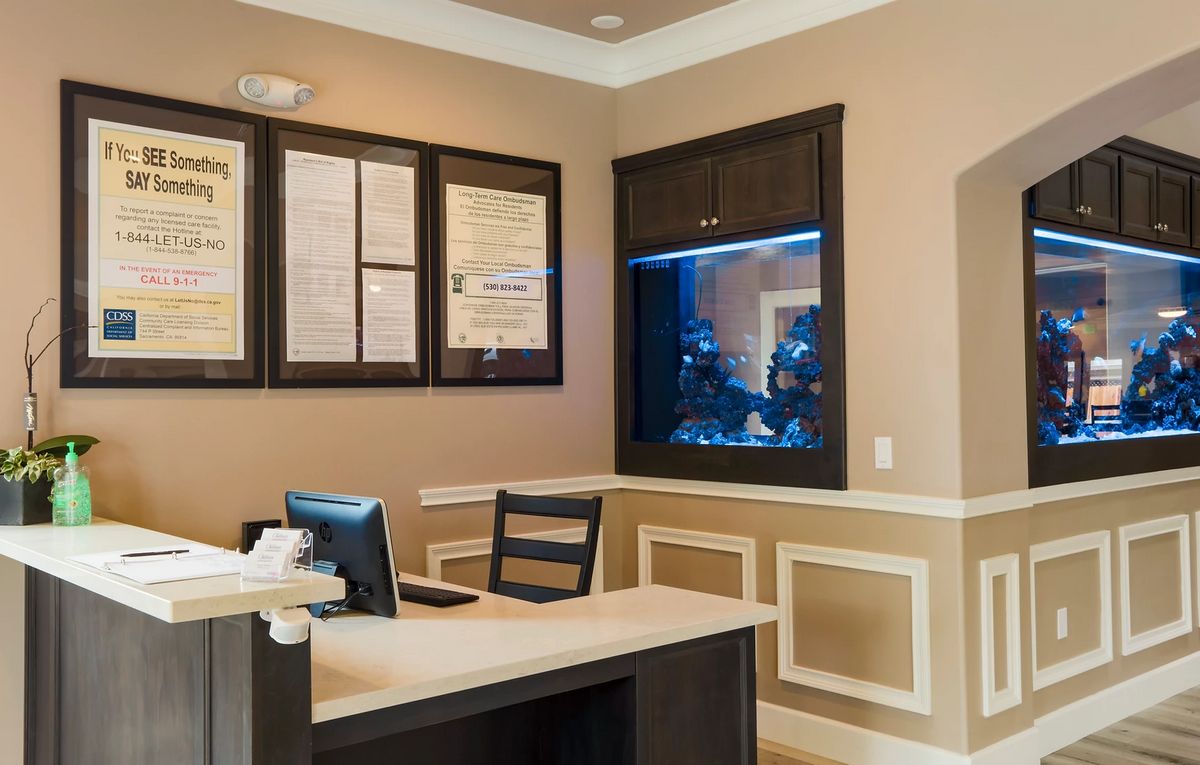
The Chalet is best suited for seniors who need meaningful daily assistance and value a supervised, community-focused environment. Families looking for dependable staff, predictable routines, and a facility that emphasizes safety and social engagement will find it to be a reliable option. The building offers both single and shared rooms and centers daily life around a dining-forward campus with approachable common spaces. Residents can expect on-site amenities such as a library, a theater, an exercise area, a crafts room, and regular programming that includes live music and other activities. For families prioritizing structure, safety, and staffed care over private apartment upgrades, The Chalet can feel like a well-contained solution.
Those who should consider alternatives are primarily those seeking greater independence, larger living spaces, or home-like amenities such as kitchenettes and private outdoor areas. Several observers note the layout produces very small rooms, especially in shared configurations, and that meals are consumed in a central dining area without in-room kitchenette options. Potential residents who prioritize high-end dining variety, expansive private suites, or expansive outdoor grounds may prefer exploring other communities. Additionally, anyone planning around specialized medical or memory-care needs should verify that The Chalet’s services align with those requirements, since descriptions lean toward a higher-care emphasis rather than open, independent living.
The strongest positives help offset the main trade-offs for many residents. Staff proficiency and courtesy repeatedly emerge as a core strength, contributing to a sense of safety and responsiveness. Cleanliness and a perceived emphasis on safety bolster confidence for families seeking reliable daily oversight. The array of on-site spaces, dining room, patio, library, theater, viewing room, and activity rooms, creates a structured life rhythm and meaningful social opportunities, especially for residents who thrive on scheduled programming and communal activities. For households that value community connection and consistent staff interaction, these advantages can significantly outweigh the inconveniences of smaller private spaces.
However, the negatives carry enough weight to prompt careful consideration. Several reviews describe cramped rooms in shared settings and a lack of outdoor grounds or walking space, which can be a deal-breaker for mobility-focused or privacy-minded individuals. There are also reports of odors and mixed perceptions about dining quality, underscoring that food experience may vary from resident to resident. The absence of kitchenettes and the dining-centric model can feel restrictive to those who prefer more culinary autonomy. Finally, the facility’s positioning as a higher-care environment may limit the fit for seniors who do not yet require intensive supervision but still want relatively autonomous living.
Families should go to tours with a precise checklist: assess room size and configuration in both shared and private options; confirm what in-room features and remotes are consistently available; and verify the level of medical support, including weekly health checks and coordination with physicians. Inquire about the care planning process, how care plans are created, updated, and communicated, and whether BP testing or other doctor-ordered services occur on-site. Request details about the activity calendar and actual resident participation, and probe the degree of staff involvement in daily programming and social events. Finally, examine the facility’s odor, cleanliness, and available outdoor space, and speak with current residents or families about ongoing satisfaction and staff reliability.
Bottom line: The Chalet delivers a practical, safety-forward, and socially anchored environment at a budget-conscious price, making it a solid match for seniors who need substantial daily support and appreciate a busy, staffed community. For those prioritizing independence, expansive private living, varied dining options, outdoor grounds, or advanced medical or memory-care needs, alternatives should be explored more thoroughly. The decisive move is an in-person tour aimed at confirming room configurations, the exact scope of services, and the daily rhythm that matches the resident’s expectations. When care level, programming, and budget align, The Chalet can be a dependable, steady choice.
 34 resident community capacity
 Assisted Living
 Independent Living
 Memory Care
 Activities on-site
 Beauty salon
 Cable or satellite TV
 Devotional services off-site
 Dining room
 Fully furnished
 Garden
 Housekeeping services
 Indoor common areas
 Kitchenette
 Move-in coordination
 Outdoor common areas
 Resident parking
 Respite or short term stays offered
 Restaurant-style dining
 Small library
 Telephone
 Wi-Fi/high-speed internet available
 Sacramento International (21 miles away)
 24-hour call system
 Assistance with bathing
 Assistance with dressing
 Assistance with transfers
 Diabetes diet
 Diabetic care
 High acuity care
 Incontinence care
 Medication management
 Mental wellness program
 Special dietary restrictions
 Art classes
 BBQs or picnics
 Birthday parties
 Light therapy programs
 Live dance or theater performances
 Live musical performances
 Stretching classes
 Trivia games
 English

 Comprehensive Guide to VA Nursing Homes: A Crucial Long-Term Care Resource for Veterans
 Estimating the Expenses of At-Home Dementia Care: A Detailed Exploration
 Comprehensive Insights on the Late Stages of Dementia: What to Expect and How to Provide Care