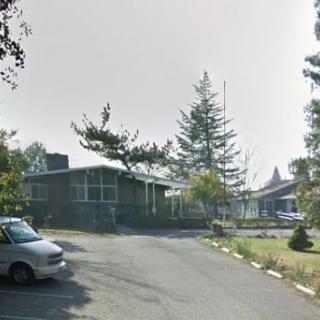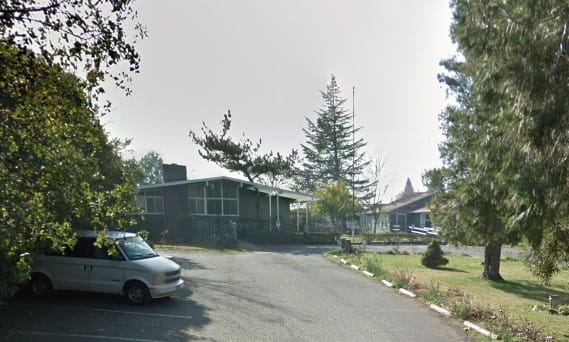

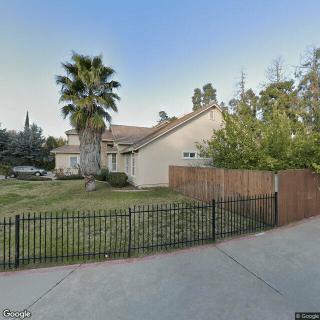
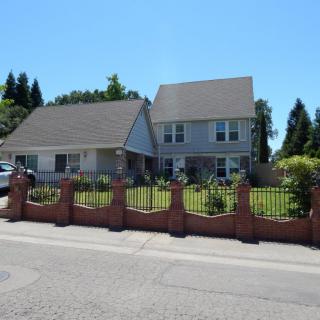
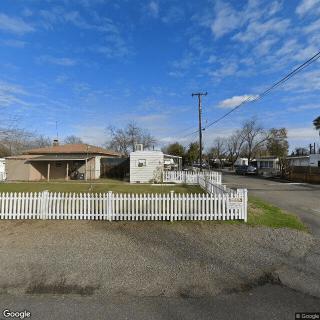
9260 Loma Lane, Orangevale, CA 95662
For more information about senior living options: (866) 208-4318
Grace Home II Costs & Pricing
Grace Home II offers competitive pricing for its services compared to the broader market in Sacramento County and the state of California. For a semi-private room, residents can expect to pay $2,500 per month, significantly lower than the county average of $3,106 and the state average of $3,333. This represents a substantial cost saving for individuals seeking quality care without compromising on comfort. Additionally, for those opting for a one-bedroom accommodation at Grace Home II, the rate is set at $4,000 per month, which is slightly above the county's average of $3,758 but more affordable than the state average of $4,340. Overall, Grace Home II provides an appealing financial option for potential residents looking for both affordability and quality in their living arrangements.
| Floor plans | Grace Home II | Sacramento County | California |
|---|---|---|---|
| Semi-Private | $2,500 | $3,106 | $3,333 |
| 1 Bedroom | $4,000 | $3,758 | $4,340 |
Assisted Living communities with a similar price nearby
-
About the same
Sunrise Senior Care
$2,500 to $3,500 / month3.4 miles away -
About the same
Gina's Home Care
$2,500 / month6.0 miles away -
About the same
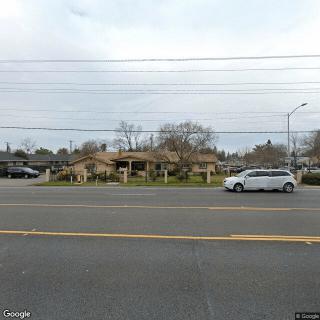
Eastern Manor
$2,500 to $3,000 / month9.6 miles away -
About the same
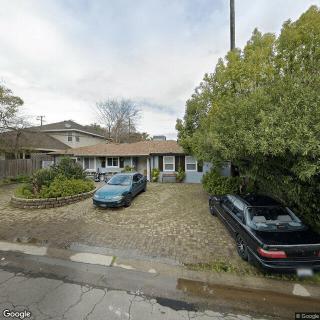
Hempstead Home
$2,500 to $6,930 / month11.9 miles away -
About the same
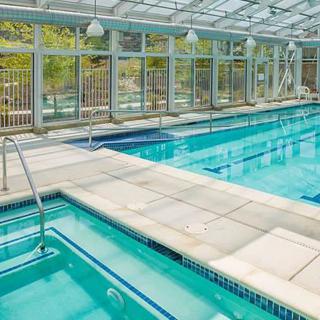
Eskaton Village Placerville
$2,464 to $4,678 / month23.2 miles away
Overall Review of Grace Home II
Pros
 Grace Home offers a higher level of care beyond standard board and care.
- Grace Home has 24-hour staff.
- Grace Home provides plenty of walking space and activities.
- Grace Home has very responsive and attentive staff.
- Grace Home has easy access.
- Grace Home features instrument rooms with a piano, TV, board games, a guitar, and arts and crafts.
- The staff at Grace Home are very nice and caring.
- Grace Home is an excellent place to find recovery.
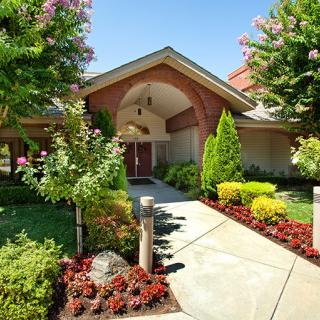
- Grace Home II has a very nice outdoor area.
- Grace Home II has its own psychiatrist and is run by a psychiatric nurse.
- Grace Home II caters to individuals with no illness and dementia.
Cons
 Grace Home II is much older than the other facilities the reviewer visited.
- It appears to have been built in the 1960s.
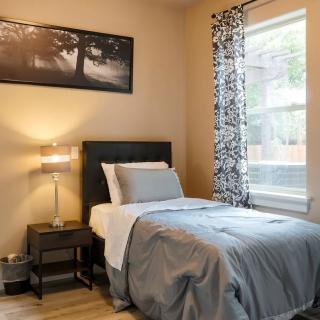
- The rooms are quite small.
- It is rustic.
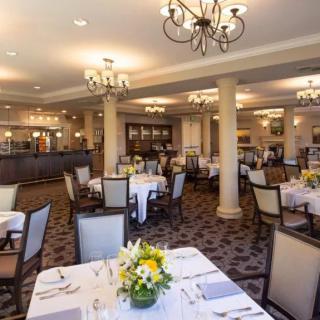
- The dining area looks almost like a summer camp.
- The reviewer would have given a perfect star rating if not for the facility's age.
Review
Grace Home II is best suited for families seeking a small, home-like residential care environment that delivers steady supervision and targeted daily support. The setting is clearly oriented toward elders who require a higher level of daily care than a standard board-and-care can provide, with on-site staff available around the clock. The combination of attentive caregivers, accessible grounds, and structured activities makes it a strong match for residents who benefit from consistent oversight, routine, and companionship. The emphasis on dementia and behavioral considerations remains evident, and for families weighing memory-care needs, Grace Home II offers a practical, hands-on option without the impersonal feel of a larger facility. This is not a luxury motorcade of amenities; it is a purposeful care home.
Key advantages include 24-hour staffing, highly responsive home staff, and easy access to common spaces. Residents benefit from ample walking space and a calendar of activities that sustains engagement. The instrument rooms with a piano, guitar, and arts and crafts foster purposeful routines and meaningful engagement. The staff are described as attentive and caring, creating a reassuring atmosphere for families placing someone with elevated supervision needs. The on-site resources, including a distinct emphasis on mental health support, make Grace Home II more than a simple board-and-care; it operates with the energy of a small, clinically-conscious team.
On the downside, the facility is notably older, built in the 1960s, with rooms that feel small and a rustic ambience. While this can exude warmth, it may be cramped for couples or residents expecting more privacy and modern design. The dining area and common spaces project a casual, summer-camp vibe rather than a polished senior living atmosphere. For families prioritizing hospital-like medical infrastructure or expansive suites, Grace Home II yields a mismatch. The combination of an older building and the emphasis on dementia/psychiatric oversight means this setting may not meet all preferences or medical needs; prospective residents should verify the level of clinical support aligns with care requirements.
Yet these drawbacks are outweighed by the core strengths: constant supervision, immediate staff responsiveness, and a comforting, home-like culture. The accessible layout, plus generous outdoor spaces, invites safe walking and outdoor activity, which can improve mood and mobility. The built-in psychiatric oversight serves as a stabilizing factor for residents with memory challenges or behavioral concerns, reducing agitation and facilitating timely care. A creative program, music, arts, crafts, offers meaningful engagement that can slow decline and enhance quality of life. In short, the positives create a reliable safety net with a genuine sense of community, which many families prioritize over architectural polish.
Families that prize modern interiors, larger private rooms, or a higher degree of hospital-grade medical services should consider alternatives. For residents needing intensive rehabilitation, advanced medical equipment, or a facility with a formal memory-care unit designed for high acuity, Grace Home II may fall short. Those who want a facility with a more contemporary feel or a more expansive dining and social scene might prefer newer centers. It’s essential to confirm whether the on-site psychiatric nurse and resident psychiatrist can deliver the specific memory-care or behavioral health supports required, and to compare costs against peers with similar care levels.
Overall, Grace Home II serves a clear niche: a vigilant, home-style residence for elders needing regular supervision and dementia- or psychiatry-informed care, delivered in a compact, engaging environment. For families who want reliable staffing, easy accessibility, and creative programming in a setting that emphasizes person-centered care, this option stands strong. Those who cannot compromise on room size, modernity, or high medical acuity should pursue alternatives that better fit those criteria. Prospective purchasers should tour, question staffing patterns, and verify care plans to ensure the match is correct, then decide with confidence.
 24 resident community capacity
 Assisted Living
 Respite Care
 Activities on-site
 Beauty salon
 Cable or satellite TV
 Devotional services off-site
 Dining room
 Fully furnished
 Garden
 Housekeeping services
 Indoor common areas
 Kitchenette
 Move-in coordination
 Outdoor space
 Restaurant-style dining
 Small library
 Telephone
 Wi-Fi/high-speed internet available
 Sacramento International (21 miles away)
 24-hour call system
 Ambulatory care
 Assistance with bathing
 Assistance with dressing
 Assistance with transfers
 Diabetes diet
 Diabetic care
 Incontinence care
 Medication management
 Mental wellness program
 Special dietary restrictions
 BBQs or picnics
 Birthday parties
 Happy hour
 Live dance or theater performances
 Live musical performances
 Assisted Living Support for Veterans: A Complete and Detailed Overview
 Exploring the Contrasts Between Assisted Living and Skilled Nursing
 8 Key Indicators That Suggest It May Be Time to Transition from Assisted Living to Skilled Nursing Care