
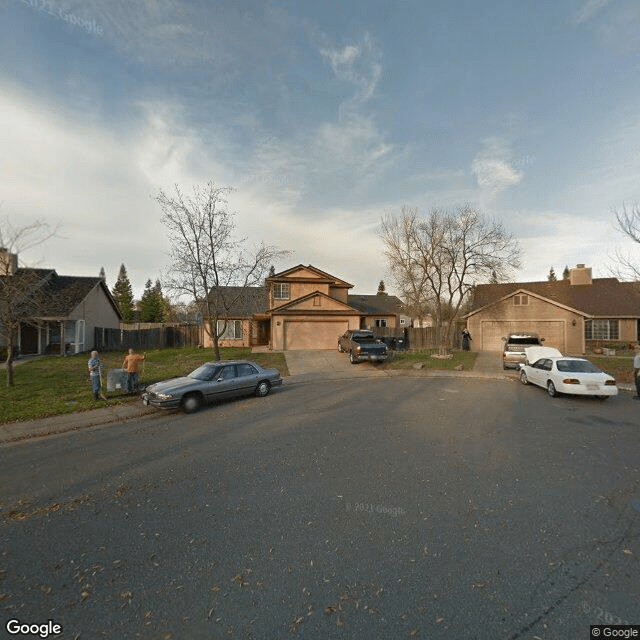
9009 Plum Blossom Ct, Orangevale, CA 95662
For more information about senior living options: (866) 208-4318
Friendly Care Home II Costs & Pricing
Friendly Care Home II offers a private room at a monthly cost of $5,000, which is notably higher than both the Sacramento County average of $3,686 and the state average of $3,939. This pricing reflects the specialized care and personalized services that Friendly Care Home II provides, catering to residents who may be seeking a more tailored living experience. While it stands out as a premium option compared to local and state benchmarks, potential residents may find value in the enhanced amenities and individual attention that contribute to a nurturing environment.
| Floor plans | Friendly Care Home II | Sacramento County | California |
|---|---|---|---|
| Private | $5,000 | $3,686 | $3,939 |
Assisted Living communities with a similar price nearby
-
from -$500 / mo
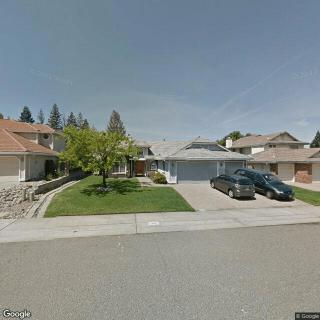
Montclair Villa
$4,500 / month6.9 miles away -
About the same
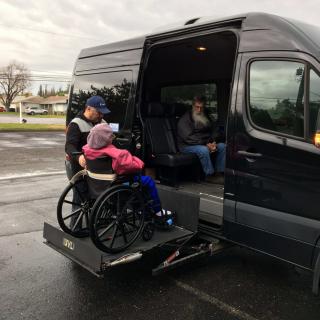
Bethesda Senior Care
$5,000 / month0.9 miles away -
from -$500 / mo
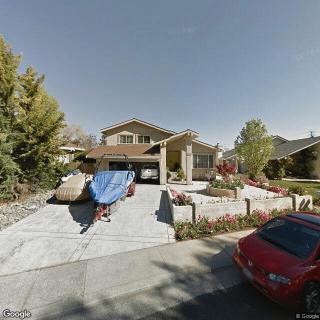
Sunriver Senior Care
$4,500 / month4.6 miles away -
from -$850 / mo
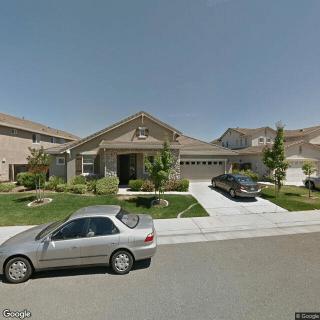
Ferrari
$4,150 to $5,500 / month13.1 miles away -
About the same
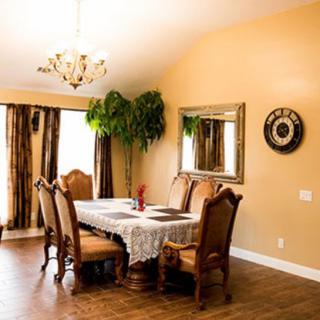
The Oaks at Garfield
$5,000 / month7.3 miles away
Overall Review of Friendly Care Home II
Pros
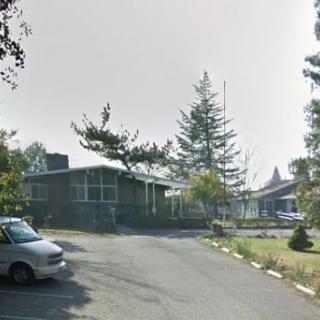
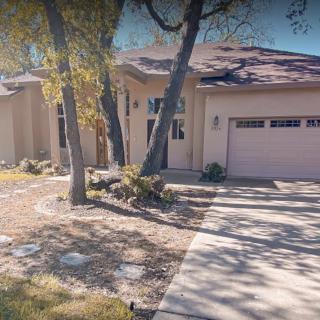
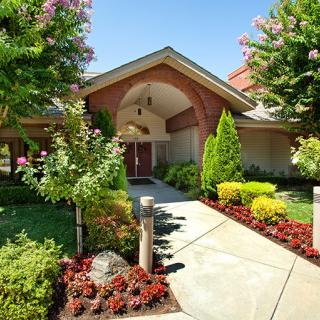
 The facility is beautiful, in a lovely neighborhood, and sparkling clean.
- The staff provide kind, compassionate care for residents and their families.
- They adapt to changing needs and communicate promptly with families.
- The home offers private rooms and a pleasant outdoor area, including a garden.
- The caregiving team is attentive, caring, and experienced, with long-tenured staff.
- Families feel well supported, informed, and reassured about their loved ones' condition.
- The owner is engaged, accessible, and responsive to questions.
- The care team provides personalized care and goes above and beyond for hospice needs.
- The environment feels like a welcoming home where residents are treated like family.
- The facility provides home-cooked meals and friendly, attentive caregivers.
- Updates and pictures/videos are shared with families to keep them connected.
- The overall experience is exceptional, making difficult times easier and more comfortable.
Review
Friendly Care Home II in Orangevale is best suited for families seeking a warm, intimate, home-like setting where staff form real relationships with residents and family communication is consistently thorough. The community shines as a place with private rooms, a clean, updated interior, and outdoor spaces that invite regular visits. Families repeatedly note compassionate, attentive care and the team’s willingness to adapt as needs change, backed by a hands-on owner who remains actively involved. The hospice transition is handled with sensitivity and advocacy, turning what is often a stressful time into something more manageable. This is not a hospital corridor atmosphere; it is a true home where caregivers know residents well and treat them like family.
Those who should consider alternatives include families needing a larger, more clinical operation or a setting with broad, structured medical services on-site. While the staff here delivers exceptional personalized care, the scale of a residential care home means nursing coverage and formal programming may be lighter than in bigger facilities, which can matter for residents with complex medical trajectories requiring constant skilled oversight. For families prioritizing hospital-like amenities, aggressive therapy schedules, or 24/7 RN staffing, exploring larger assisted living or memory-care campuses could be more appropriate. In short, this community excels at intimate, relationship-focused care; it may not meet every high-intensity clinical requirement.
On the upside, the advantages cluster around core human needs: compassionate, attentive care; long-tenured, stable staff; and remarkably responsive communication. Families appreciate immediate answers to questions, timely updates on changes in condition, and hospice coordination carried out with clarity and gentleness. The home’s physical footprint supports dignity and privacy: private rooms, a serene environment, and spaces designed for visiting loved ones. The setting further enhances comfort with home-cooked meals, a pleasant outdoor area, and a small, welcoming animal presence. All these elements make up for any perceived gaps in formal programming by delivering a consistently reassuring care philosophy.
Testimonies consistently highlight the owner’s engagement and the staff’s steady reliability. Caregivers are described as compassionate and efficient, adept at understanding dementia and cognitive decline with patience. The ability to guide residents through illness and hospice with steady, honest communication is a recurring strength. The day-to-day life feels intimate and lived-in, seasonal décor, flowers on the table, and opportunities to celebrate birthdays with family. Administrative tasks, including long-term care insurance paperwork, are handled with competence and empathy, removing friction during stressful times. This combination of reliability, warmth, and practical support reinforces a reputation for being a trustworthy, family-centered option.
Because the setting is intimate and the culture strongly person-centered, some families should anticipate a degree of hands-on involvement. The upside is a level of accessibility and direct accountability that is hard to match in larger facilities. The potential trade-off is a narrower menu of amenities and services, which means proactive family participation in care planning and oversight remains essential. Yet that very requirement becomes a strength: it keeps care tightly aligned with the resident’s evolving needs and keeps family members informed and reassured. When emergencies arise or transitions occur, this approach tends to minimize confusion and accelerate coordinated responses.
Bottom line: Friendly Care Home II is a pragmatic, wise choice for seniors who prioritize a warm, individualized atmosphere, stable caregiving teams, and proactive family communication, especially for dementia care and hospice support within a home setting. It is less suited for those seeking hospital-like surroundings, intense clinical staffing, or large-scale programming. Prospective families should schedule a visit to meet the owner and caregivers, tour the private rooms and outdoor spaces, and assess how care coordination and daily routines align with the resident’s needs. Request candid references, observe how meals are prepared, and confirm the facility’s capacity to adapt to evolving conditions while keeping communication with family at the forefront.
 6 resident community capacity
 1-bedroom apartments
 Assisted Living
 Board and Care Home
 Activities off-site
 Air-conditioning
 Cable or satellite TV
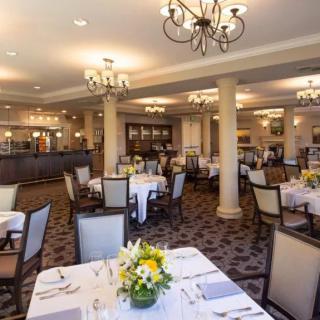
 Dining room
 Fully furnished
 Garden
 Guest parking
 Housekeeping services
 Indoor common areas
 Move-in coordination
 Outdoor common areas
 Private
 Telephone
 Wheelchair accessible showers
 Wi-Fi/high-speed internet available
 Sacramento International (20 miles away)
 Transportation & parking
 24-hour supervision
 Ambulatory care
 Assistance with bathing
 Assistance with dressing
 Assistance with transfers
 Diabetes diet
 Diabetic care
 High acuity care
 Hospice care
 Incontinence care
 Meal preparation and service
 Medication management
 Special dietary restrictions
 Transportation arrangement (medical)
 Arts and crafts
 BBQs or picnics
 Games
Games Live musical performances
 Stories
 Comprehensive Insights into Activities of Daily Living (ADLs) and Their Assessment
 Medicare Coverage for Assisted Living: An In-Depth Exploration
 Your Comprehensive Guide to Luxury Assisted Living: Elevated Facilities, Amenities, and Costs