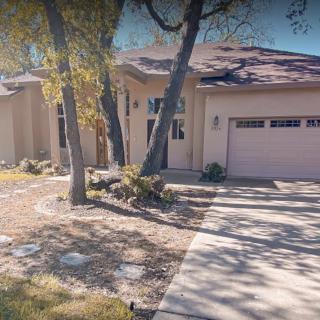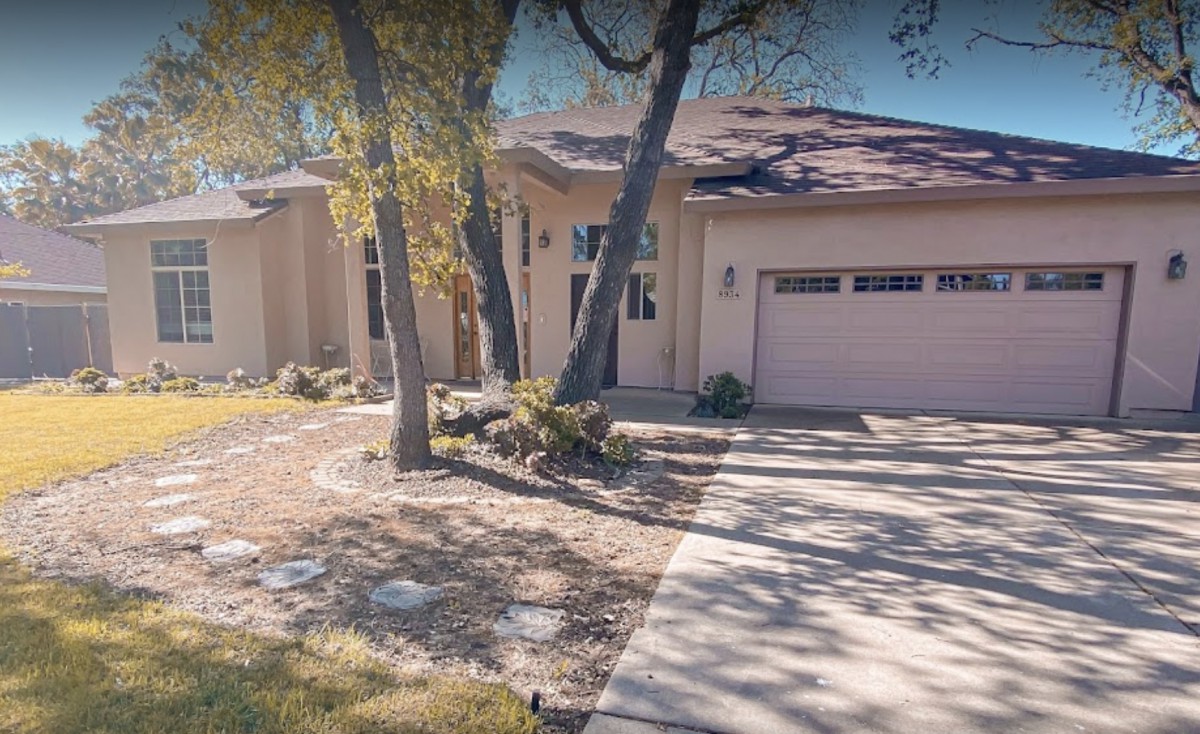
8934 Van Moore Lane, Orangevale, CA 95662
For more information about senior living options: (866) 208-4318
Friendly Care Home Costs & Pricing
Friendly Care Home offers competitive rates for its care services, with monthly costs that reflect the quality of care provided. For a semi-private room, residents can expect to pay $4,000, which is significantly higher than the average in Sacramento County at $3,106 and the state average of $3,333. In a private room setting, the cost rises to $5,000, again surpassing both local and state averages - Sacramento County reports an average of $3,686 while California's overall average stands at $3,939. This pricing structure indicates that while Friendly Care Home may be on the higher end of the cost spectrum, it likely aims to deliver enhanced services and amenities that justify the investment in quality care for its residents.
| Floor plans | Friendly Care Home | Sacramento County | California |
|---|---|---|---|
| Semi-Private | $4,000 | $3,106 | $3,333 |
| Private | $5,000 | $3,686 | $3,939 |
Assisted Living communities with a similar price nearby
-
from +$500 / mo
Montclair Villa
$4,500 / month7.6 miles away -
from +$500 / mo
Sunriver Senior Care
$4,500 / month3.9 miles away -
from +$150 / mo
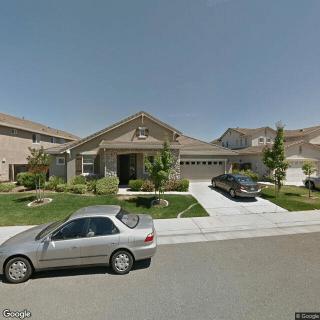
Ferrari
$4,150 to $5,500 / month13.6 miles away -
from +$590 / mo

Immaculate Care Home
$4,590 / month19.7 miles away -
from +$500 / mo
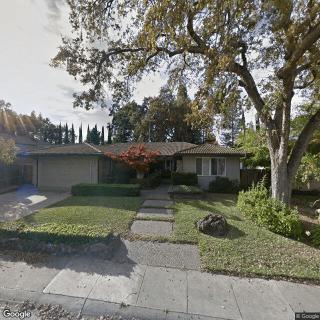
Century Care Home
$4,500 / month1.7 miles away
Overall Review of Friendly Care Home
Pros
 It is a very clean, loving Christian home.
- The staff love the residents' mother and are very good with her and with all the others in the house.
- The house is immaculate and someone is always there providing care for the loved one.
- Since the loved one has been there, no one in the house has gotten sick and the residents have been well.
- All of the residents seem to be very happy.
Review
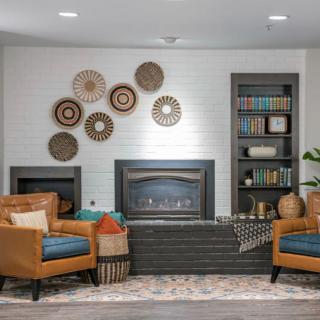
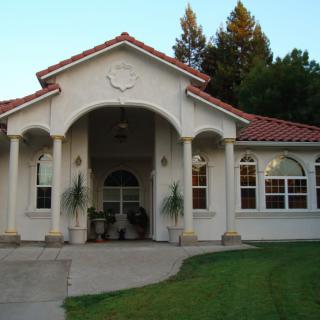
This community is best suited for families seeking a small, faith-centered living environment where seniors receive hands-on daily care, sincere personal attention, and a warm, home-like atmosphere. The setting is described as a very clean, loving Christian home, with caregivers who treat residents like family and a schedule that ensures someone is always present to support daily needs. For seniors who thrive on personal connections, regular reassurance from attentive staff, and the comfort of a familiar, accepting community, this Orangevale residence can deliver the steady, nurturing daily rhythm that reduces anxiety and loneliness.
Those weighing alternatives should consider options if faith-based living, very small houses, or a particular mix of medical oversight and activity scope are priorities that may differ. Families preferring a non-religious environment, a larger facility with more formal programming, or greater access to on-site medical specialists might want to explore other communities. Similarly, if the elder requires advanced medical services, memory care specialization, or more structured clinical oversight, it would be prudent to compare options that explicitly emphasize licensed nursing on-site and a broader range of clinical resources.
The strongest positives here, spotless cleanliness, a genuinely loving atmosphere, and constant caregiver presence, work in concert to create a sense of safety and well-being that many families value highly. The absence of illness among residents and the sense that “everyone is well” reflect not only good infection control but also meaningful social engagement and supportive routines that keep residents cheerful and engaged. When life in a care setting hinges on reliable supervision, consistent routines, and a perceived family-like culture, these factors can offset a great deal of stress for families anxious about relocation and long-term care. In short, the combination of a pristine environment and attentive, affectionate care underpins both physical safety and emotional security.
However, the review provides no explicit discussion of certain practical considerations that matter in real decision-making. Questions to confirm during a visit include: what is the staffing ratio at peak and off hours, and how quickly are concerns addressed? Are licensed nurses on-site or on-call, and what medical services are available on a routine basis? How are changes in health status monitored and communicated to families? What kinds of activities, transportation options, meal plans, and memory-care supports exist? What is the policy on family involvement, religious programming, and celebrations? The absence of stated drawbacks in the review means these are essential unknowns to verify firsthand before committing.
Still, the documented strengths provide a meaningful offset for many families. The care philosophy appears to translate into consistent, visible joy among residents, which reduces isolation and supports emotional resilience. The immaculate setting reinforces safety, while the faith-based element often helps residents process transitions with a shared sense of purpose and community norms. For families prioritizing intimate caregiver relationships, predictable schedules, and a home-like pace, these factors can outweigh the potential trade-offs found in larger, more clinical settings. The key lies in validating these strengths against the elder’s medical needs and personal values through a candid tour and targeted questions.
In conclusion, this community stands out as a compelling option for families prioritizing warmth, cleanliness, and steady, affectionate caregiving within a Christian, home-like framework. It is not the best fit for those seeking aggressive medical staffing, extensive activity libraries, or a non-religious environment. Prospective decision-makers should pursue direct conversations and tours to confirm staffing levels, medical capabilities, and program breadth, ensuring alignment with the elder’s health trajectory and personal preferences. When those elements align, this residence can offer a secure, cheerful home that makes the care transition feel like coming home, not into a facility.
 6 resident community capacity
 Assisted Living
 Board and Care Home
 Activities off-site
 Cable or satellite TV
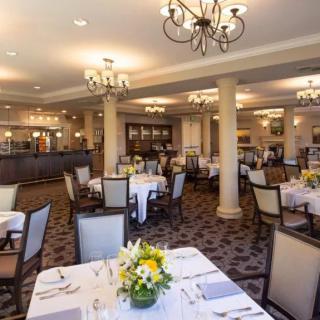
 Dining room
 Fully furnished
 Garden
 Housekeeping services
 Indoor common areas
 Move-in coordination
 Outdoor common areas
 Private
 Private bathrooms
 Telephone
 Wheelchair accessible showers
 Wi-Fi/high-speed internet available
 Sacramento International (20 miles away)
 24-hour supervision
 Ambulatory care
 Assistance with bathing
 Assistance with dressing
 Assistance with transfers
 Diabetes diet
 Diabetic care
 High acuity care
 Incontinence care
 Meal preparation and service
 Medication management
 Special dietary restrictions
 Transportation arrangement (medical)
 Transportation to doctors appointments
 BBQs or picnics
 Birthday parties
 Live dance or theater performances
 Live musical performances
 Other religious services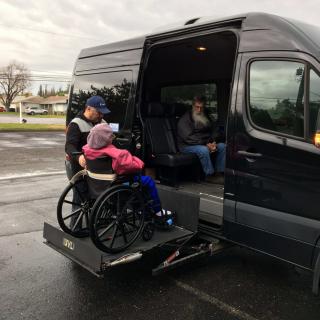
 Comprehensive Supportive Living Arrangements for Adults with Disabilities
 Funding and Affording Assisted Living: A Thorough Overview
 Assisted Living Expenses and Long-Term Care Insurance: A Comprehensive Exploration