
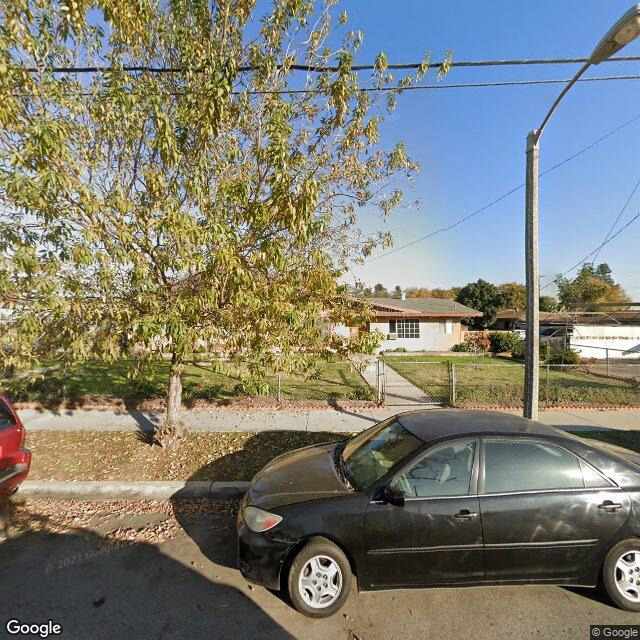
817 S. Oaks Ave, Ontario, CA 91764
To contact a resident: (909) 984-8612
For more information about senior living options: (866) 208-4318
Best Care Guest Home Costs & Pricing
Best Care Guest Home offers a compelling value for residents, with monthly costs for semi-private rooms set at $1,500. This pricing significantly undercuts both the average rates in San Bernardino County, which stand at $2,958, and the broader California state average of $3,333. By providing quality care at a fraction of the cost compared to local and state trends, Best Care Guest Home positions itself as an appealing option for those seeking affordable yet supportive living arrangements. This competitive pricing reflects a commitment to making assisted living accessible while ensuring residents receive the attention and services they deserve.
| Floor plans | Best Care Guest Home | San Bernardino County | California |
|---|---|---|---|
| Semi-Private | $1,500 | $2,958 | $3,333 |
Senior living communities with a similar price nearby
-
from +$100 / mo

Country View Assisted Living
$1,600 to $3,000 / month14.7 miles away -
from +$200 / mo
Light's Rancho Linda
$1,700 to $2,000 / month21.0 miles away -
from +$50 / mo
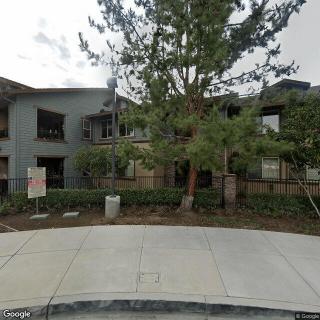
Jacaranda
$1,550 to $3,500 / month19.2 miles away -
from -$150 / mo

Wilshire Manor
$1,350 to $2,200 / month21.2 miles away -
About the same
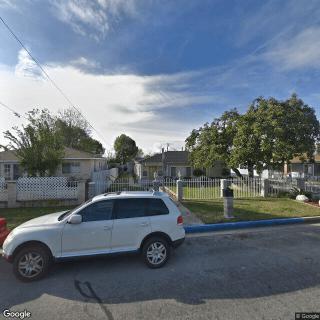
Golden Paradise Guest Home
$1,500 to $2,500 / month18.8 miles away
Overall Review of Best Care Guest Home
Pros
 Best Care Guest Home is the best care.
- The staff are friendly, understanding, and caring.
- They care for residents like family.
- The food is wonderful, including burritos.
- The facility is remarkably immaculate.
- Best Care Guest Home is just like home.
Cons
 The facility had bed bugs and black mold.
- The meals consisted of ramen noodles, bean burritos, and watered-down oatmeal.
- The staff were greedy, unscrupulous, and deceitful.
- The facility did not take new patients.
- Leah was never on the premises.
- The facility did not take referrals, especially from Place for Mom, according to the person who answered the phone.
Review
Best Care Guest Home in Ontario, CA is best suited for seniors who value a small, home-like setting where staff are reportedly caring and responsive, and where daily life emphasizes warmth, familiarity, and a clean, well-kept environment. This is the kind of place families look at when a resident benefits from intimate attention, predictable routines, and meals that feel comfortable and familiar. It is less appropriate for those who require constant on-site clinical oversight, aggressive management of safety issues, or a facility with unwavering, fully transparent admissions and staffing transparency.
Explicitly, alternatives should be considered by families prioritizing robust medical coordination, verifiable safety controls, and stable, consistent leadership. Several reviewers flag concerns that cannot be dismissed: claims of bed bugs, black mold, and subpar food quality, alongside accusations of unscrupulous behavior and limited staffing visibility. The repeated note that the facility is not taking new patients and that certain key staff may not be on-site regularly also signals potential constraints on admission, responsiveness, and continuity of care. These factors make this community a tougher call for those balancing safety assurances with comfort.
The strongest positives center on the human side of care and the tangible home atmosphere. When staff are described as friendly, understanding, and genuinely caring, that relational strength can offset some anxieties about living away from home. A spotless or immaculate physical plant reinforces a sense of dignity and respect for residents, and genuinely good meals, like burritos that earn praise, can significantly enhance daily satisfaction. For families who prize emotional well-being, companionship, and a setting that feels like home, these elements tilt the decision toward a favorable view, provided the essential safety and governance concerns can be monitored or resolved.
Yet the negatives cannot be brushed aside. Reports of pests, mold, and questionable food quality point to maintenance and safety risks that could have real health implications, especially for frail or medically vulnerable residents. Allegations of greed or deceit, if true, strike at trust and the reliability of the staff-patient relationship, which is critical in a setting where families depend on caregivers to notice subtle changes and respond promptly. The sense that leadership or hands-on management may be inconsistent, evidenced by notes about staff presence and admissions practices, further undermines confidence in long-term stability. In sum, the pros offer emotional warmth and comfort, but the cons pose tangible, ongoing concerns.
Practically speaking, families should treat this community as a candidate for a rigorous, on-site due diligence process. Arrange multiple tours and insist on speaking with current residents and families, not just staff. Request current pest control and maintenance records, recent inspection reports, and a clear explanation of any mold remediation steps. Confirm who is on site daily, who reviews medical needs, and how often medical oversight is provided. Probe admissions policies, especially around new residents, and ask to meet with the person who would be responsible for day-to-day operations during a potential move-in. Compare these findings against nearby alternatives with stronger safety and staffing assurances.
The bottom line is clear: Best Care Guest Home offers a warm, intimate environment with a focus on personal attention and a clean, comfortable setting, which can be a powerful draw for residents who value home-style living. The weight of reported pest and mold concerns, questions about food quality, and inconsistencies in leadership and admissions means families must approach with disciplined scrutiny. If the family’s top priorities align with a cozy, caregiver-centric experience and these red flags can be addressed, through documentation, assurances, and demonstrable improvements, then the community can be a fit. If not, it is prudent to widen the search to options with stronger safety records, steadier management, and more transparent operational practices.
 Board and Care Home
 Ontario International (4 miles away)




 Essential Knowledge on Pneumonia in Older Adults
 Exploring Palliative Care in the Home: A Comprehensive Overview
 Comprehensive Insights into Palliative Home Care: What It Is and What to Expect