Inland Christian Home Inc. offers competitive pricing for its accommodations, reflecting a thoughtful consideration of both county and state market rates. For instance, the cost of a studio at Inland Christian Home is $2,145, significantly lower than the San Bernardino County average of $3,455 and even more so compared to the state average of $4,145. Similarly, the one-bedroom option is priced at $2,625, again providing substantial savings when juxtaposed with county and state rates, which stand at $3,548 and $4,340 respectively. Even for two-bedroom units, priced at $3,205, customers will find it more economical than both local ($3,893) and statewide averages ($5,270). The semi-private room rate of $3,968 does align closer to the county's pricing but remains above the state's average of $3,333. Overall, Inland Christian Home Inc. presents an appealing choice for potential residents seeking quality care without financial strain in comparison to broader regional costs.
Floor plans
Inland Christian Home Inc.
San Bernardino County
California
Studio
$2,145
$3,455
$4,145
1 Bedroom
$2,625
$3,548
$4,340
2 Bedrooms
$3,205
$3,893
$5,270
Semi-Private
$3,968
$2,958
$3,333
Memory care communities with a similar price nearby
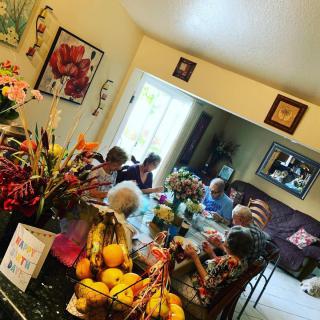
Residents’ families describe the memory care unit as caring and well run.
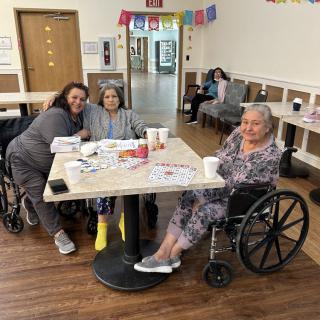
Multiple reviewers specifically mention the Haven memory care area and describe staff as caring and attentive. Families also point to cleanliness, comfort, and regular activities, along with food that residents enjoy. One review also highlights communication with families as an added comfort while someone is in memory care.
common21 reviews mention this
Staff care and responsiveness stand out
Reviewers repeatedly describe staff as friendly, kind, and responsive to needs.
Across many reviews, families and residents describe caregivers as caring, respectful, and helpful. Several mention timely responses to concerns, and others describe nurses, wound care, and therapy teams treating them with respect during recovery. Some also add that staff help residents stay engaged through activities and ongoing support for daily needs.
common9 reviews mention this
Dining quality earns consistent mentions
Food quality comes up often, including meals that fit dietary needs.
Residents and families frequently mention good-tasting, well-balanced meals. A few reviewers also describe dining being set up nicely and note that food is prepared with residents’ dietary needs in mind. Others specifically call out particular dishes and say residents enjoy the food in everyday settings.
caveat2 reviews mention this
Pricing and tour process draw complaints
Some reviews express disappointment about pricing and not seeing the facility first.
At least a couple of reviewers raise concerns about affordability, including one who said the $9k+ price was not acceptable. Another reviewer also described not getting an in-person facility tour and said they were unsatisfied after meeting with the coordinator instead of seeing the building. While the facility’s review theme centers on food and care, these cost and tour-experience concerns still show up in the feedback.
common3 reviews mention this
On-campus faith activities are noted
Several reviewers mention devotional or faith-based activities as part of daily life.
Some reviewers describe before-meal devotions and faith-centered programming as part of the routine. Others mention bible studies and Sunday service on campus, connecting those activities to the overall experience. These comments align with the community’s focus on devotional services.
How we summarize
Counts show how many written reviews mention each theme; a review can touch several themes, and only frequently mentioned themes are displayed.
Features
Types of Care
Assisted Living
Day Program
Independent Living
Memory Care
Pets
Cats allowed
Dogs allowed
Amenities
Activities off-site
Activities on-site
Air-conditioning
Bath tubs
Beautician on-site
Cable or satellite TV
Devotional services off-site
Devotional services on-site
Full kitchen
Ground floor units
Indoor common areas
Outdoor common areas
Respite or short term stays offered
Wheelchair accessible showers
Transportation
Ontario International (4 miles away)
Care Services
Ambulatory care
Diabetic care
High acuity care
Incontinence care
Medication management
Dining
Guest meals
Kosher
Low / no sodium
Meals provided
No Sugar
Room service
Special dining programs
Vegetarian
Activities
Catholic services
Cooking classes
Day trips and outings
Devotional activities offsite
Devotional activities on-site
Educational speakers / life long learning
Live dance or theater performances
Live musical performances
Other religious services
Visiting chaplain or priest
Nearby Places of Interest
Located in the vibrant city of Ontario, California, this neighborhood boasts a variety of amenities that cater to the needs of seniors. With several reputable restaurants offering a range of dining options, including Titan Burgers Chino and Lazy Dog Restaurant & Bar, residents can enjoy delicious meals without having to travel far. Additionally, there are numerous pharmacies such as CVS Pharmacy and Walgreens nearby for convenient access to medication and healthcare essentials. For leisure activities, seniors can visit the nearby parks like Ruben S Ayala Park and Citrus Park for outdoor recreation. Medical care is easily accessible with physicians like Dr. Robert Armada and Total Care Walk-In Clinic in close proximity, along with hospitals such as San Antonio Community Hospital ensuring quality healthcare services. The area also offers transportation options with Montclair Metrolink Station and Ontario International Airport nearby for convenient travel. Overall, this part of Ontario provides a well-rounded community for senior living with various amenities within reach.
Restaurants
Titan Burgers Chino (0.8 miles)
Lazy Dog Restaurant & Bar (3.6 miles)
McDonald's (3.6 miles)
Del Taco (3.9 miles)
In-N-Out Burger (3.9 miles)
The Hat (4.7 miles)
McDonald's (4.8 miles)
Pharmacies
CVS Pharmacy (1.1 miles)
Walgreens (1.2 miles)
Walgreens (1.4 miles)
CVS Pharmacy (2.4 miles)
Super RX Pharmacy (2.6 miles)
Rite Aid (2.8 miles)
CVS Pharmacy (3.7 miles)
Parks
Ruben S Ayala Park (1.9 miles)
Citrus Park (3.8 miles)
Chino Hills Community Park (4.9 miles)
Alterra Park (5.7 miles)
Deer Creek Park (6.6 miles)
Pantera Park (7.1 miles)
Physicians
US Healthworks Medical Group (2.5 miles)
Baby Bump Studios (2.5 miles)
Jaehong Han M.D. | Kaiser Permanente (3.6 miles)
Total Care Walk In Clinic (3.8 miles)
Dr Robert. Armada (4.8 miles)
Tarick Smaili, MD (4.8 miles)
Rancho Wellness: Ravinder Singh, MD (4.8 miles)
Places of Worship
Crosspoint Church (2.9 miles)
BAPS Shri Swaminarayan Mandir (4.4 miles)
First Presbyterian Church Upland (4.8 miles)
Charisma Life Church (5.7 miles)
St Anthony's Catholic Church (7.2 miles)
Theaters
AMC DINE-IN Montclair Place 12 (3.6 miles)
Harkins Theatres Chino Hills 18 (4.2 miles)
AMC DINE-IN Ontario Mills 3 (7.2 miles)
Cafes
Starbucks (3.9 miles)
Panera Bread (4.2 miles)
Omomo Tea Shoppe (4.4 miles)
Starbucks (5.1 miles)
Starbucks (6.6 miles)
Starbucks (7 miles)
Dutch Bros Coffee (7 miles)
Transportation
Chino Airport (CNO) (4.1 miles)
Montclair Metrolink Station (4.2 miles)
Ontario International Airport - Terminal 2 (4.5 miles)
Baggage Claim T2 (4.5 miles)
Ontario International Airport (ONT) (5 miles)
Ontario Int'L-Terminal 4 (5.1 miles)
Baggage Claim T4 (5.1 miles)
Hospitals
San Antonio Community Hospital Maternity Information Services (4.8 miles)
Inland Christian Home Inc. offers competitive pricing for its accommodations, reflecting a thoughtful consideration of both county and state market rates. For instance, the cost of a studio at Inland Christian Home is $2,145, significantly lower than the San Bernardino County average of $3,455 and even more so compared to the state average of $4,145. Similarly, the one-bedroom option is priced at $2,625, again providing substantial savings when juxtaposed with county and state rates, which stand at $3,548 and $4,340 respectively. Even for two-bedroom units, priced at $3,205, customers will find it more economical than both local ($3,893) and statewide averages ($5,270). The semi-private room rate of $3,968 does align closer to the county's pricing but remains above the state's average of $3,333. Overall, Inland Christian Home Inc. presents an appealing choice for potential residents seeking quality care without financial strain in comparison to broader regional costs.
Inland Christian Home Inc. offers medication management to ensure that residents receive their prescribed medications accurately and on time, which is crucial for maintaining their overall health and stability. This feature minimizes the risk of missed doses or adverse interactions, thereby enhancing the quality of care for individuals with dementia or Alzheimer's disease who may have difficulty remembering complex medication schedules. Additionally, incontinence care provides a dignified approach to managing this common concern among residents suffering from cognitive decline. By addressing these essential personal needs sensitively and effectively, the facility contributes significantly to fostering an environment of comfort and safety, allowing residents to focus on their well-being and engage more fully in everyday activities.
Transitioning from assisted living to memory care is driven by an individual's cognitive decline and specific needs, requiring careful evaluation of indicators like increased confusion and wandering. The process involves consulting medical professionals, researching suitable communities, considering financial and legal aspects, and ensuring effective communication for personalized care plans.
The article differentiates between assisted living and memory care, explaining that assisted living supports seniors with daily activities while promoting independence, whereas memory care provides specialized services for individuals with dementia, focusing on secure environments and cognitive support. It also addresses staff training, safety considerations, costs, family involvement, and transition strategies for families navigating these care options.
The article outlines effective communication strategies for interacting with loved ones with dementia, highlighting the need for empathy, patience, and understanding while emphasizing supportive approaches like using simple language, minimizing distractions, and focusing on feelings over facts to maintain dignity and foster connection. It also suggests seeking professional guidance when needed as communication challenges evolve.
Get PricingAsk A QuestionSchedule A TourContact Senior Advisor
By clicking submit, you agree to our Partner's Terms of Use. You
also consent to receive calls and texts, which may be autodialed, from our Partner. Your consent is not a condition to
using our Partner's service. Please visit our Partner's Privacy Policy for information about their privacy practices.

 Assisted Living
 Day Program
 Independent Living
 Memory Care
 Cats allowed
 Dogs allowed
 Air-conditioning
 Bath tubs
 Beautician on-site
 Cable or satellite TV
 Devotional services off-site
 Full kitchen
 Ground floor units
 Indoor common areas
 Outdoor common areas
 Respite or short term stays offered
 Wheelchair accessible showers
 Ontario International (4 miles away)
 Ambulatory care
 Diabetic care
 High acuity care
 Incontinence care
 Medication management
 Guest meals
 Catholic services
 Cooking classes
 Day trips and outings
 Educational speakers / life long learning
 Live dance or theater performances
 Live musical performances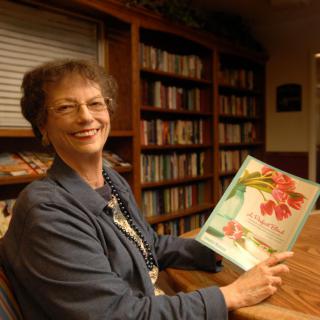
 Friendly staff and a strong sense of community with well-maintained facilities and diverse activities.

 When to Transition from Assisted Living to Memory Care: Key Indicators, Steps, and Finding the Right Community
 Understanding the Distinctions: Assisted Living and Memory Care Explained
 How to Communicate with a Loved One Living with Dementia: 10 Supportive Strategies