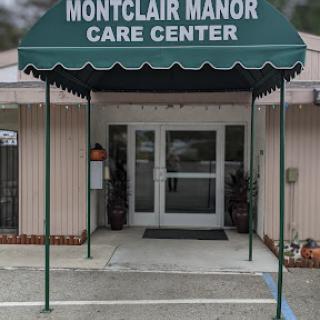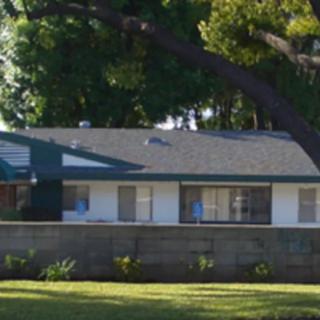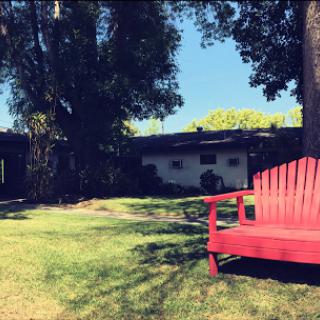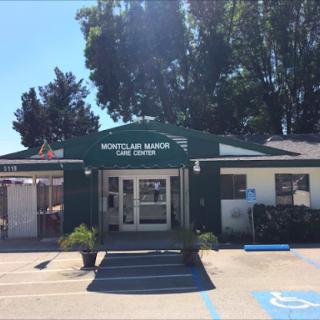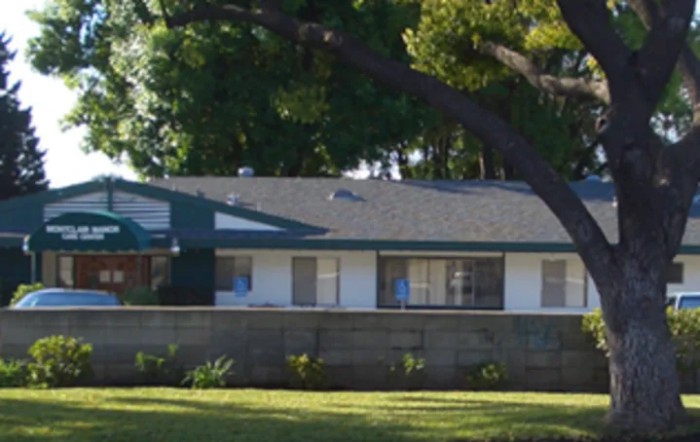
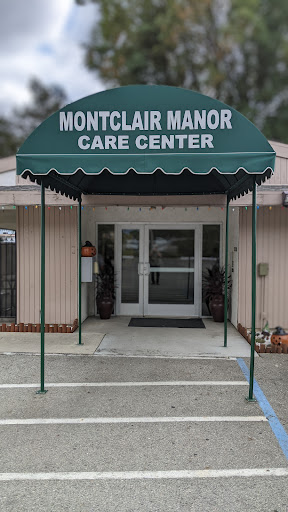
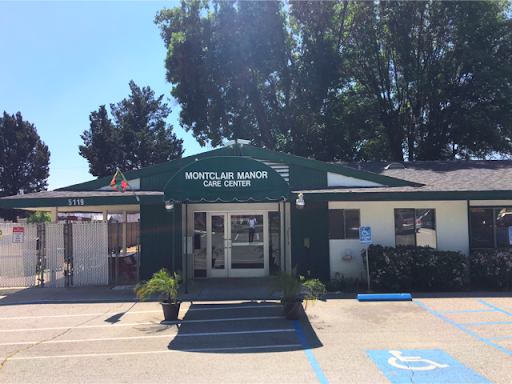
5119 Bandera Street, Montclair, CA 91763
For more information about senior living options: (866) 208-4318
Montclair Manor Care Center Costs & Pricing
Montclair Manor Care Center presents significantly higher monthly costs compared to the average expenses in both San Bernardino County and the broader state of California. For a one-bedroom unit, residents can expect to pay $9,000, a stark contrast to the county average of $3,548 and the state average of $4,340. Similarly, the cost for a two-bedroom suite at Montclair Manor is $9,200, which again exceeds both local and state averages - $3,893 in San Bernardino County and $5,270 throughout California. These figures suggest that while Montclair Manor Care Center may offer specialized services or amenities justifying its pricing model, prospective residents should carefully consider how these costs align with their financial plans and care needs.
| Floor plans | Montclair Manor Care Center | San Bernardino County | California |
|---|---|---|---|
| 1 Bedroom | $9,000 | $3,548 | $4,340 |
| 2 Bedrooms | $9,200 | $3,893 | $5,270 |
Overall Review of Montclair Manor Care Center
Pros
 The administration department is praised for its prompt and effective help.
- The physical therapy staff showed care, kindness, patience, and love.
- The nurses and aides provided compassionate care, helping through difficult times.
- The staff treat residents with love and attentiveness, including thorough personal care.
- The facility is very clean and well cared for, with attentive, well-communicating staff.
- The hospice care room was clean and the care was excellent.
- The staff were gracious and respectful from the administrator on down.
- The staff at Montclair Manor were kind and caring, making a difficult time easier.
Cons
 They describe the staff as careless of their patients.
- They report that their father was exposed to COVID-19, left unsupervised, and ultimately died due to incompetent care.
- They say the staff are very rude, provide little information, and meds were not given or explained.
- They state the meals are poor and hygiene is not adequately maintained.
- They note the facility smells like urine and has elderly patients sleeping in the hallways; the special air-flow mattress doesn’t work and can’t be fixed.
- They would not recommend this facility and urge others to avoid it.
Review
Montclair Manor Care Center in Montclair, California is best suited for families seeking an intimate, small-community setting where staff can deliver close, personal care. It works well for residents who are fall-risk and need help with daily hygiene, meals, and basic medical oversight, yet still benefit from one-on-one attention and a warm, hands-on approach. The facility earns its strongest marks from resident-facing care: compassionate aides and nurses, patient rehabilitation staff, and an administrator who engages with families. In short, Montclair Manor can be a reassuring home base for loved ones who thrive on steady, personable service in a quieter, smaller environment.
That said, not every situation aligns with what Montclair Manor routinely offers. Families facing high-acuity medical needs, complex wound care, or consistent, around-the-clock nursing oversight may want alternatives. The reviews surface real concerns about consistency and reliability in some shifts and departments. Potential residents should also factor in that, in some cases, rooms are shared and maintenance needs show up in the building’s age and upkeep. Billing complexity can emerge as another red flag, with occasional overcharges followed by reimbursement after family scrutiny. For families prioritizing pristine, modern infrastructure or top-tier 24/7 clinical management, explore other communities with less variability in day-to-day operations.
The strongest positives center on human connection and everyday care. Multiple accounts laud the staff for hygiene, attentiveness, and genuine kindness, with particular praise for the physical therapy team that helped a resident regain mobility through patience and encouragement. The small size appears to enable more individualized attention, frequent communication with families, and a sense that staff know residents personally. Hospice or end-of-life care in this setting is described as exceptionally compassionate, with administrators and frontline workers alike offering gracious, respectful support. Food quality and snack availability also surface as dependable strengths, supporting overall comfort and daily routines.
Yet, there are credible warnings that cannot be brushed aside. Several reviews recount serious lapses: patients left unsupervised or inadequately monitored, delays or gaps in delivering medications, and insufficient supplies for daily medical needs. One account describes a harsh odor and an environment where residents seemed underfoot in hallways, suggesting odor control and hygiene concerns. Another review amplifies fears about safety and staff knowledge, including miscommunication about a patient’s care and even elopement risks. The most troubling messages point to inconsistent staffing, inadequate medical pacing, and claims of neglect. While these experiences are not universal, they define a risk profile that families must weigh carefully.
In weighing pros against cons, the anchored strengths of Montclair Manor, compassionate, attentive staff; a tight-knit, clean, low-traffic setting; and meaningful, person-centered care, do offset some risk for families seeking warmth and steady routine. However, the documented gaps in medical delivery, safety, and operational consistency cannot be dismissed. For families choosing Montclair Manor, due diligence is essential: request candid conversations with the administrator, tour at different times, review the latest licensing and inspection records, and press for clear processes around medication administration, fall prevention, and emergency response. Seek direct references from current families and residents’ physicians, and verify that staffing levels and turnover will support the level of oversight desired.
Bottom line: Montclair Manor is a viable choice for families prioritizing intimate, compassionate caregiving in a smaller setting and who are comfortable actively overseeing care and costs. It can be an excellent fit for those who value daily presence of attentive staff and who want a home-like atmosphere for routine living and end-of-life support. Yet for anyone whose loved one requires highly consistent medical management, rigorous safety protocols, or flawless operational reliability, it is prudent to compare alternatives with stronger, steadier clinical oversight and clearer billing practices. A well-informed decision will hinge on direct confirmation of staffing stability, medication workflows, and the facility’s track record for maintaining safety and cleanliness across all shifts.
 59 resident community capacity
 Skilled Nursing Facility
 Air-conditioning
 Beauty salon
 Cable or satellite TV
 Computer center
 Dining room
 Fitness room
 Fully furnished
 Gaming room
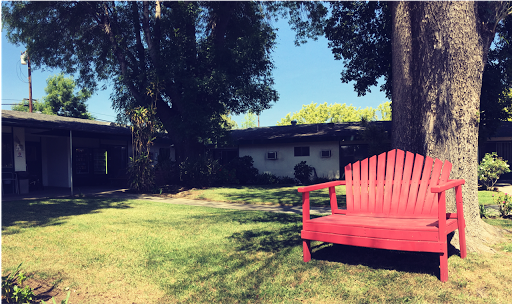
 Garden
 Housekeeping services
 Kitchenette
 Move-in coordination
 Outdoor space
 Private bathrooms
 Restaurant-style dining
 Small library
 Telephone
 Wellness center
 Wi-Fi/high-speed internet available
 Ontario International (5 miles away)
 Community operated transportation
 12-16 hour nursing
 24-hour call system
 Activities of daily living assistance
 Assistance with bathing
 Assistance with dressing
 Assistance with transfers
 Diabetes diet
 Medication management
 Mental wellness program
 Special dietary restrictions
 Concierge services
 Planned day trips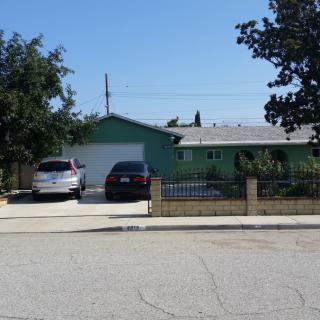


 California's Form 602A: An In-Depth Examination of Senior Care Assessment
 Comprehensive Look at Senior Blood Pressure Charts: Normal and Elevated Levels by Age
 Top Canine Companions for Older Adults