Residents describe caregivers who are kind, caring, and attentive to family needs.
Across the reviews, families repeatedly call out the caregivers’ kindness and attentiveness. Many reviewers say the team members are considerate and dependable in day-to-day help, whether that’s personal care, companionship, or household support. Several people also credit the owner and staff with matching caregivers who fit the person they’re supporting.
common12 reviews mention this
Fast response and clear communication
Families praise quick responses, smooth transitions, and ongoing communication.
A recurring point in the reviews is how quickly the team responds and how well they keep families informed. Reviewers mention urgent situations, being able to get information right away, and having a dedicated point of contact who answers questions. Others highlight constant communication during care—particularly when coordinating around medical needs.
common9 reviews mention this
Help with personal care and ADLs
Residents and families describe hands-on help with daily routines.
Several reviews describe direct support for activities of daily living, including help with bathing, dressing, and getting someone ready for the day. Families also mention help that extends beyond personal care into everyday tasks at home. The community services list additional personal-support areas such as bathing and dressing assistance, which aligns with what families describe needing day to day.
caveat2 reviews mention this
Support tailored for dementia
Some families emphasize the emotional focus of dementia support.
A couple of reviews specifically mention dementia-related needs, including help for someone in late stages of Alzheimer’s and support that addresses emotional needs. In those accounts, the value comes from the caregiver’s patience and how comfortable the person feels with the support. This theme is less common than general caregiving praise, but it stands out where it appears.
common5 reviews mention this
Companionship and errands included
Reviews describe companionship and practical help like errands and meals.
Many reviewers mention companionship as part of the day-to-day experience, including someone spending time with a loved one during extended time away. Families also describe practical assistance such as running errands and helping with meals and household tasks. This connects with what the community offers through activities and daily scheduling support.
common
Near local medical and pharmacy
The area includes nearby clinics, pharmacies, and services within a few miles.
For location context, the listing includes nearby options for healthcare and everyday needs. The nearby set includes physician and hospital services as well as pharmacies and common local stops. This can help explain why families mention coordinating care around appointments and medical visits in their day-to-day experience.
How we summarize
We summarize when many written reviews mention each theme; a review can touch several themes, and only frequently mentioned themes are displayed.
Features
Housing
6 resident community capacity
Types of Care
Assisted Living
Board and Care Home
Amenities
Cable or satellite TV
Dining room
Fully furnished
Garden
Housekeeping services
Move-in coordination
Outdoor space
Telephone
Wi-Fi/high-speed internet available
Transportation
MC Clellan-Palomar Airport (6 miles away)
Care Services
24-hour supervision
Activities of daily living assistance
Assistance with bathing
Assistance with dressing
Assistance with transfers
Coordination with health care providers
Diabetes diet
Meal preparation and service
Medication management
Special dietary restrictions
Transportation arrangement (medical)
Transportation to doctors appointments
Dining
Diabetes diet
Special dietary restrictions
Activities
Community-sponsored activities
Scheduled daily activities
Nearby Places of Interest
Places of Worship
Church of Jesus Christ of Latter Day Saints (0.5 miles)
Physicians
California Coastal Cardiology (0.9 miles)
Sonus (1.2 miles)
TrueCare Mission Mesa Pediatrics (1.3 miles)
Stephen Tinio, MD (1.3 miles)
Carlsbad Imaging Center (1.9 miles)
Carlsbad Dental Excellence (1.9 miles)
Children's Primary Care Medical Group (2.1 miles)
Restaurants
McDonald's (0.9 miles)
McDonald's (1.2 miles)
The Cheesecake Factory (1.4 miles)
Pluck United (1.4 miles)
Dave & Buster's (1.4 miles)
Islands Restaurants The Shoppes At Carlsbad (1.4 miles)
Assisted living communities offer diverse activities beyond traditional games to enhance seniors' physical health, cognitive well-being, emotional enrichment, and social connections, including fitness classes, creative expression, and intergenerational interactions. These enriching programs foster community bonds and support residents' independence and happiness.
The article differentiates between assisted living and memory care, explaining that assisted living supports seniors with daily activities while promoting independence, whereas memory care provides specialized services for individuals with dementia, focusing on secure environments and cognitive support. It also addresses staff training, safety considerations, costs, family involvement, and transition strategies for families navigating these care options.
Family caregivers face emotional, legal, and practical challenges when elderly parents refuse assisted living, often due to fears of losing autonomy. Open conversations and professional assessments can help address these concerns while exploring alternatives and ensuring safety, potentially leading to legal guardianship if necessary.
Get PricingAsk A QuestionSchedule A TourContact Senior Advisor
By clicking submit, you agree to our Partner's Terms of Use. You
also consent to receive calls and texts, which may be autodialed, from our Partner. Your consent is not a condition to
using our Partner's service. Please visit our Partner's Privacy Policy for information about their privacy practices.

 6 resident community capacity
 Assisted Living
 Board and Care Home
 Cable or satellite TV
 Dining room
 Fully furnished
 Garden
 Housekeeping services
 Move-in coordination
 Outdoor space
 Telephone
 Wi-Fi/high-speed internet available
 MC Clellan-Palomar Airport (6 miles away)
 24-hour supervision
 Activities of daily living assistance
 Assistance with bathing
 Assistance with dressing
 Assistance with transfers
 Diabetes diet
 Meal preparation and service
 Medication management
 Special dietary restrictions
 Transportation arrangement (medical)
 Transportation to doctors appointments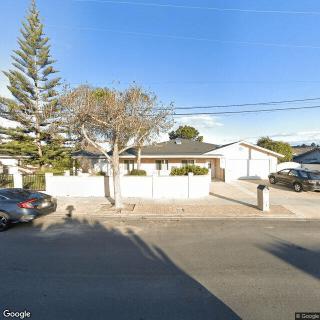
 New, modern facility with excellent, hands-on ownership and caregivers.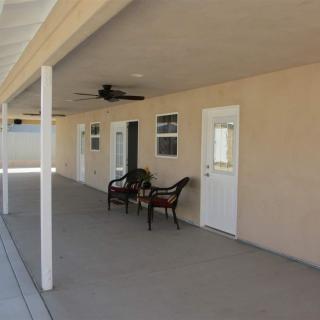



 Beyond the Bingo Hall: 50+ Enriching Activities for Seniors in Assisted Living
 Understanding the Distinctions: Assisted Living and Memory Care Explained
 Guiding Elderly Parents Who Refuse Assisted Living: 6 Practical Steps