
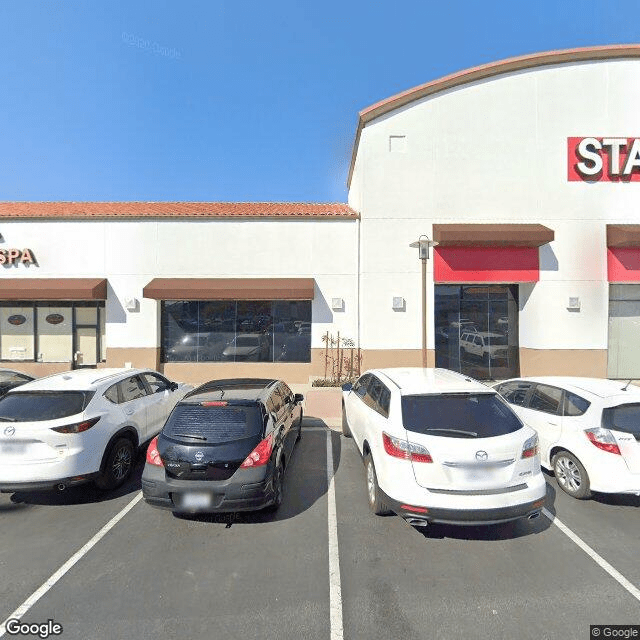
2174 B West Vista Way Ste 202, Oceanside, CA 92056
To contact a resident: (800) 777-4750
For more information about senior living options: (866) 208-4318
Overall Review of A Servant's Heart Care Solutions
Pros
 The doctor is amazing.
Cons
 The ability to contact the office is terrible.
- They leave multiple messages and receive no call back.
- They have to drive to the office and try to get an appointment.
Review
This community is best suited for seniors who prioritize medical expertise and are prepared to negotiate occasional administrative friction. The standout asset here is the physician, whose competence and bedside manner inspire trust in ongoing care and treatment plans. For families that value a knowledgeable clinician who can coordinate complex concerns, this option can be an attractive anchor in a broader care strategy. However, those who need seamless scheduling, rapid callbacks, or consistent front-desk responsiveness should assess whether the trade-off is acceptable before committing. Location in Oceanside makes in-person visits manageable for nearby residents, which can help keep medical follow-through within reach.
Those who may want to consider alternatives include families that rely on consistent, easy phone access for day-to-day questions, urgent appointment requests, or telehealth conveniences. The strongest caveat surfaced is difficulty reaching the office: multiple messages go unanswered, and the practical result is driving to the office just to secure an appointment. For seniors with tight schedules, cognitive or memory challenges, or caregivers who depend on timely communications to coordinate multiple services, this level of administrative friction can become a daily stressor rather than a minor inconvenience.
The main pro, the doctor’s excellence, partly offsets the cons by delivering high-quality care, thoughtful treatment plans, and credible medical judgment. When access is achievable, the care relationship can be deeply reassuring, and the potential for timely interventions may reduce uncertainty for families navigating complex health needs. Yet the benefit hinges on reliability: without dependable communication, even superb medical guidance can be dimmed by the delay, the extra trips, and the irritation of lost messages. In practical terms, strong clinical leadership is a meaningful differentiator, but it cannot fully compensate for a system that stalls at the first escalation.
Families should weigh how often such friction arises and whether the scheduling hurdle would dominate the caregiving workflow. If the senior’s needs are largely episodic and appointments can be planned with a little advance notice, the physician’s expertise may carry enough weight to justify the arrangement. Conversely, for residents requiring frequent monitoring, rapid adjustments to treatment, or easier access to the office without a drive, the current gaps in responsiveness become a nontrivial risk factor. The decision hinges on balancing medical trust with the day-to-day practicality of staying in touch and getting timely appointments.
For those evaluating this option, a prudent approach is to verify several practical details before committing: how the office handles appointment requests, what alternatives exist to reach the practice (portal, email, after-hours lines), and whether telehealth visits are available for follow-ups or triage. It’s also wise to plan a visit not just to meet the physician but to test the scheduling process in real time, see how long callbacks take, and observe the front-desk workflow. If the answers reinforce reliable access alongside exceptional medical care, this option gains compelling traction; if they reveal persistent responsiveness gaps, it is sensible to look at alternatives with steadier administrative support and simpler access.
 MC Clellan-Palomar Airport (5 miles away)





 Exploring Palliative Care in the Home: A Comprehensive Overview
 Comprehensive Insights into Palliative Home Care: What It Is and What to Expect
 Skilled Nursing Facilities vs. Nursing Homes: Making Sense of the Differences