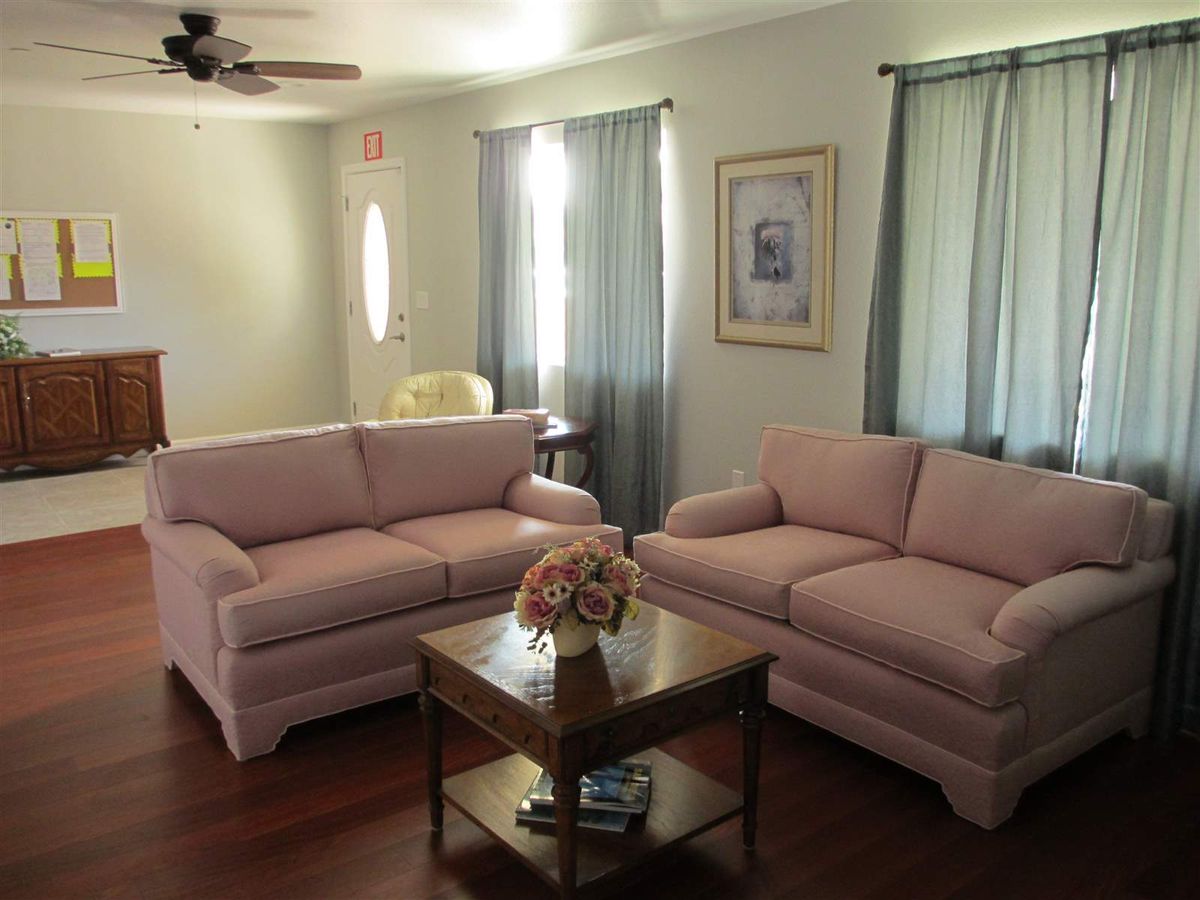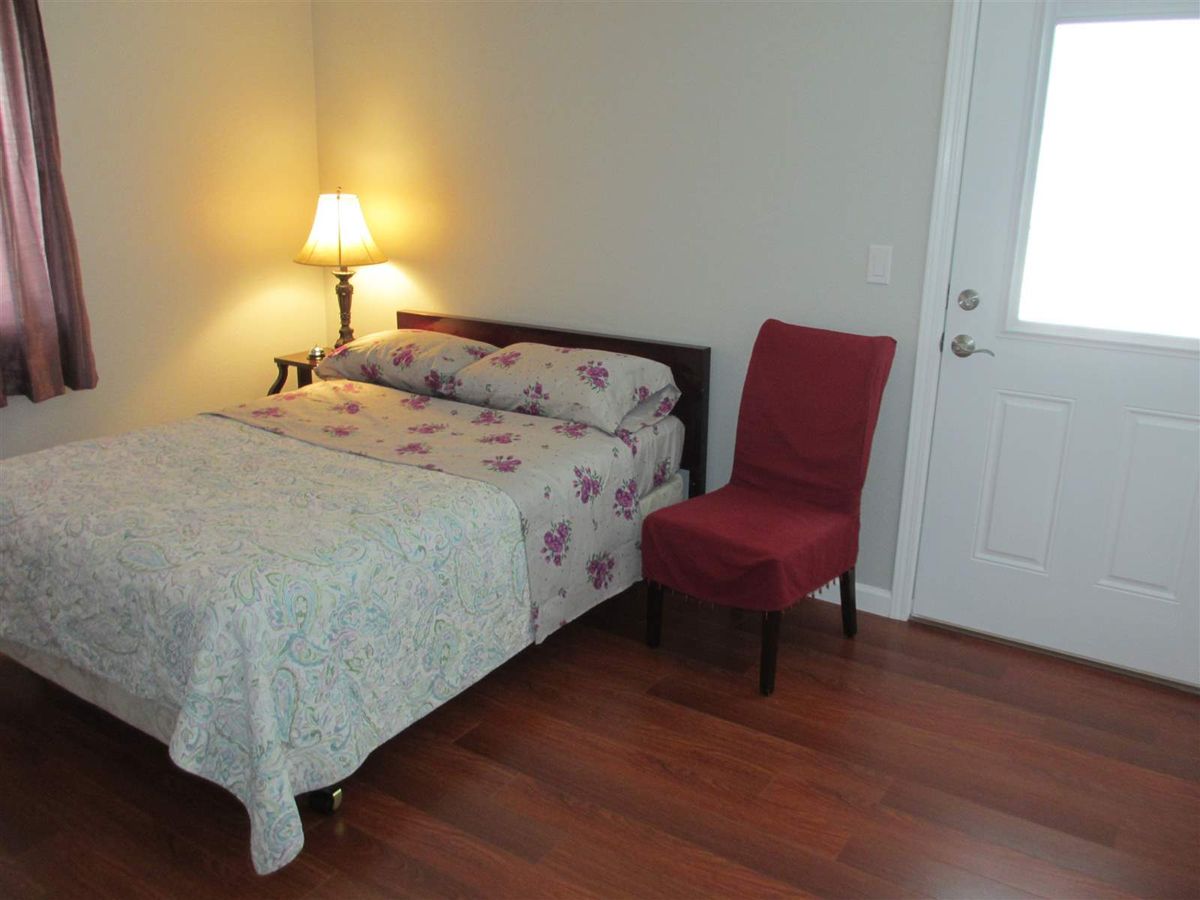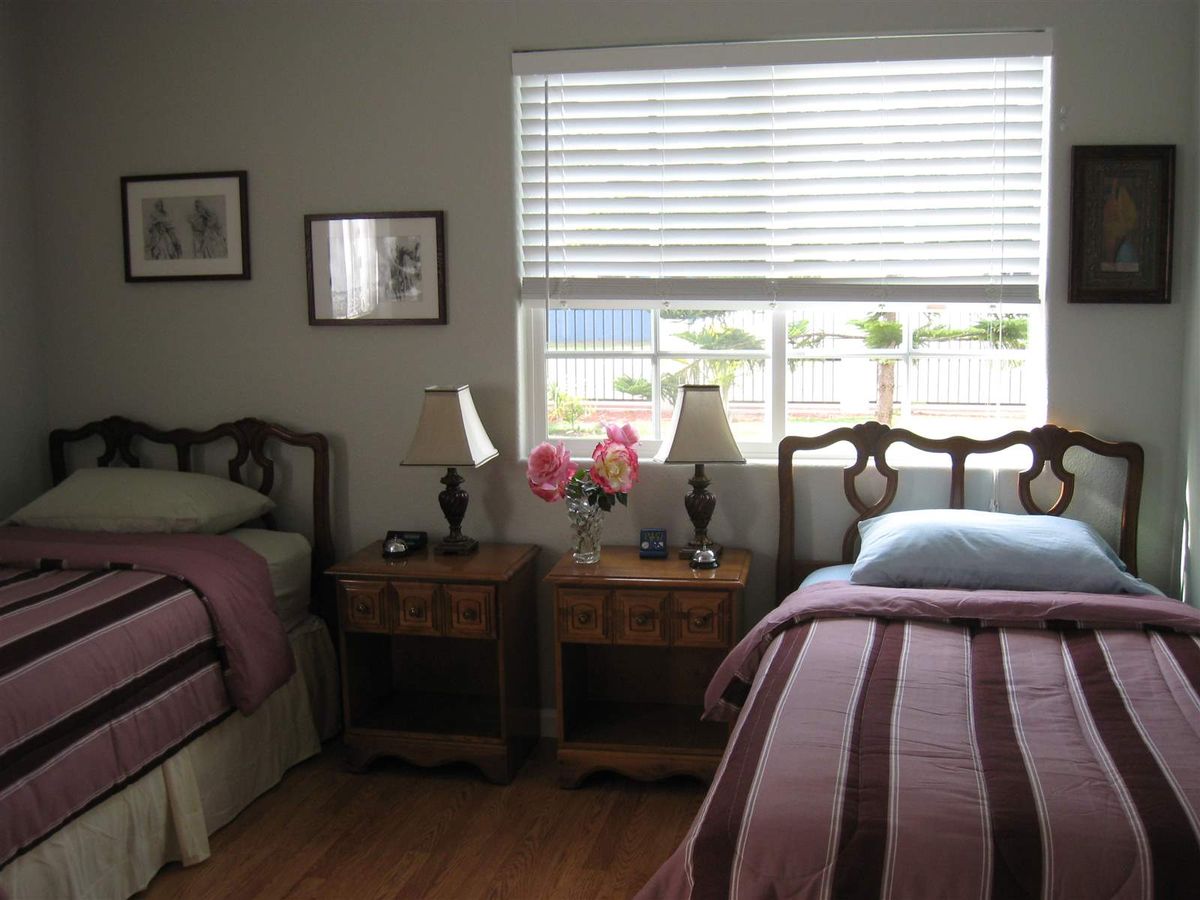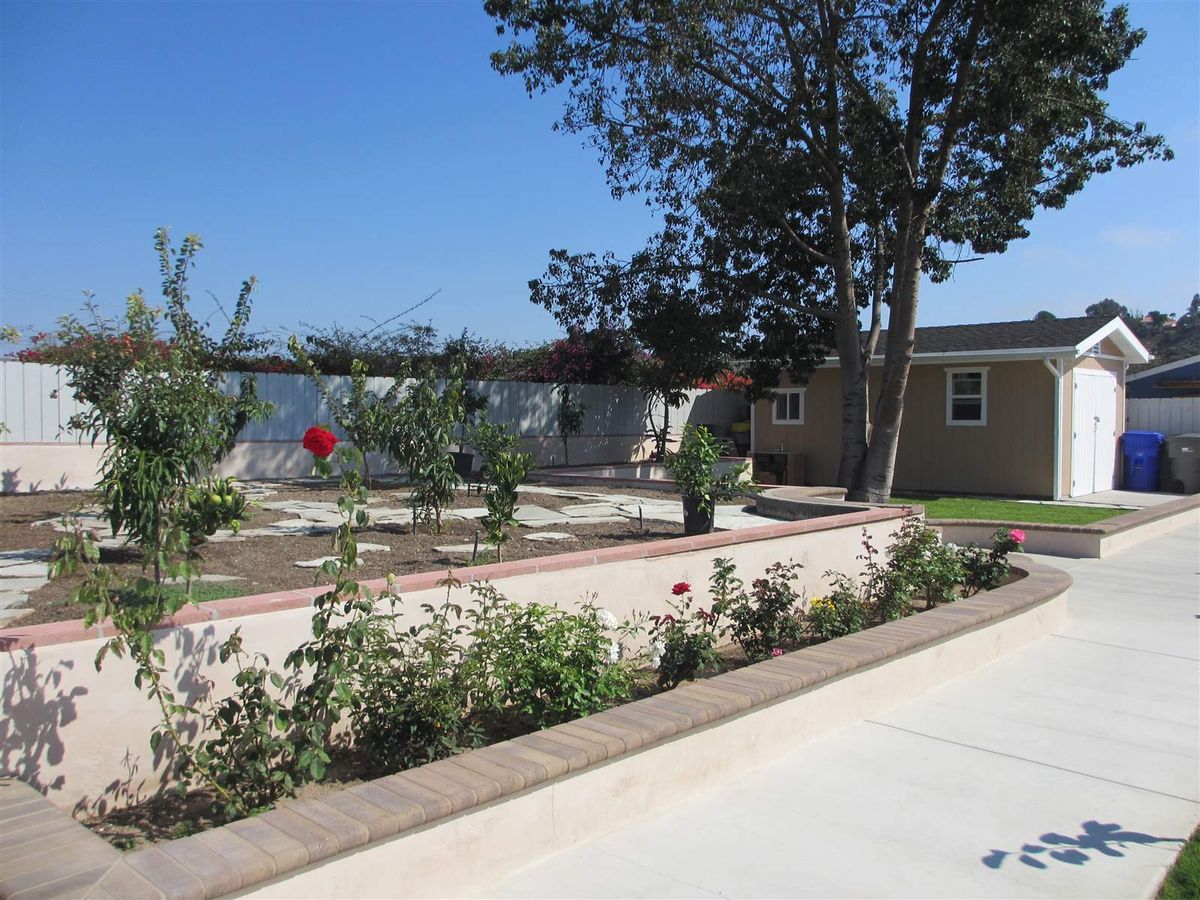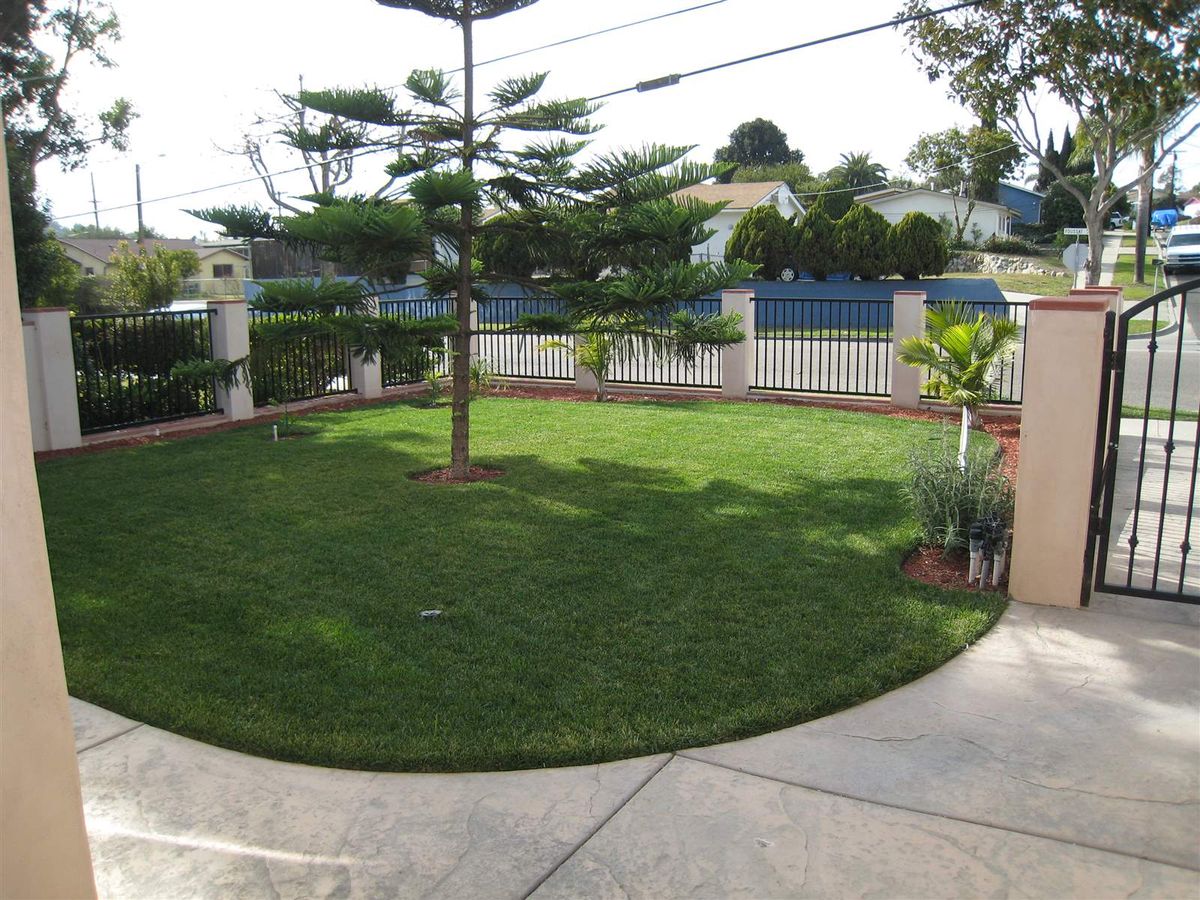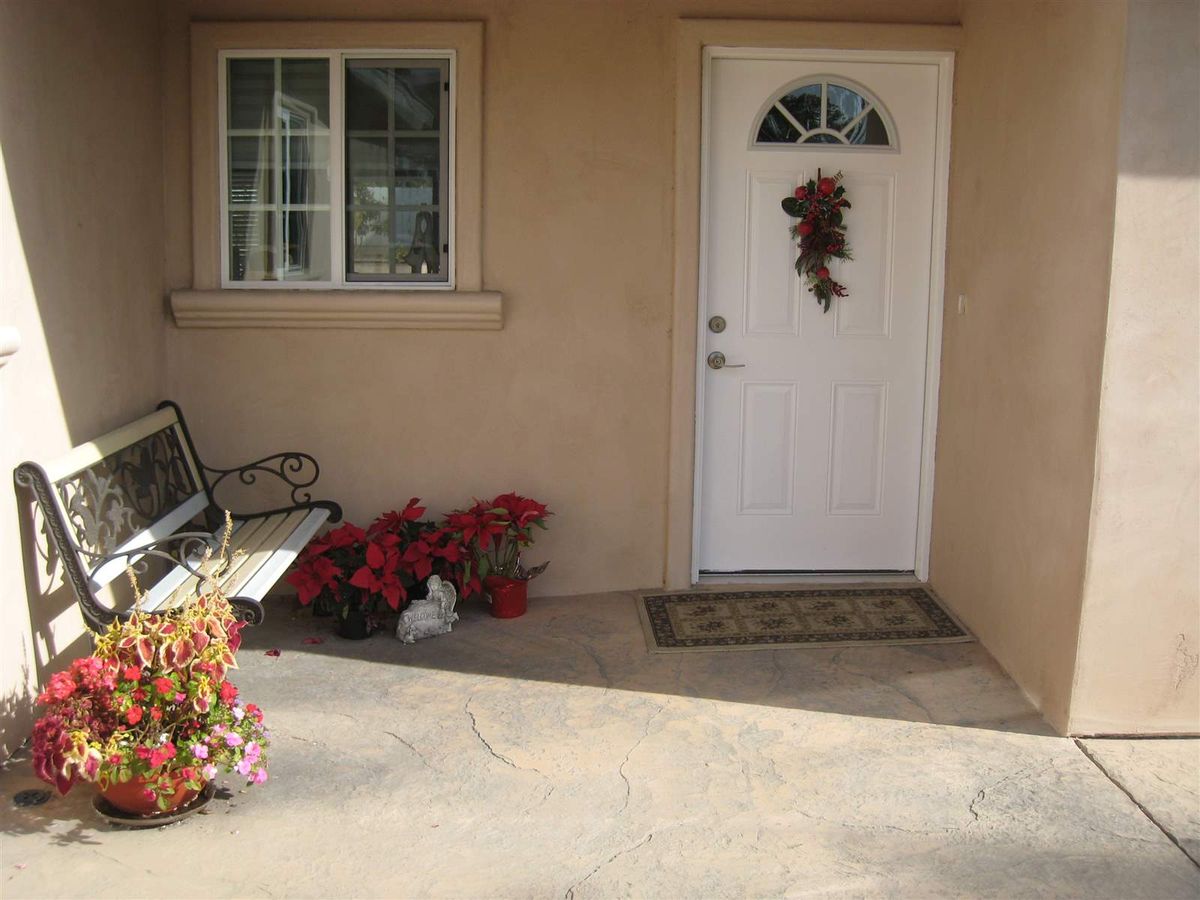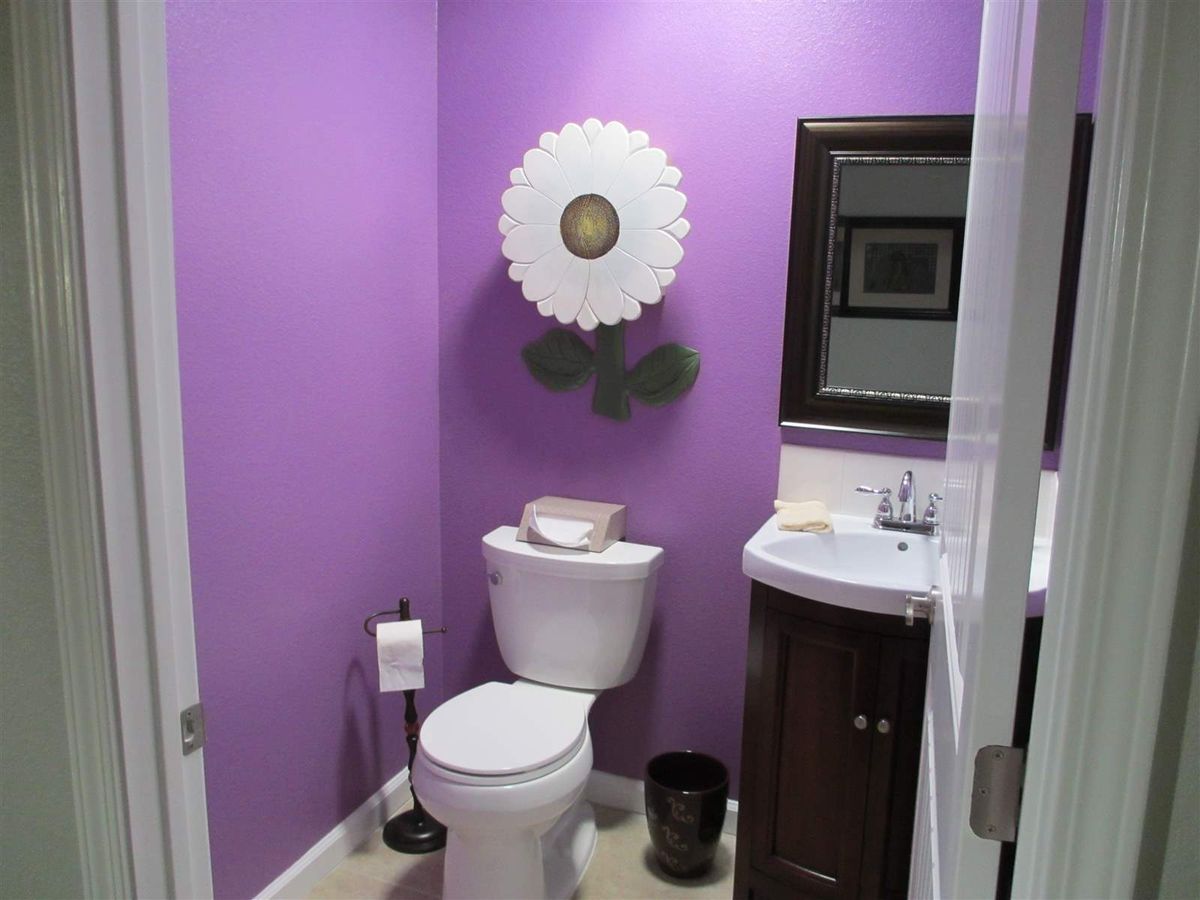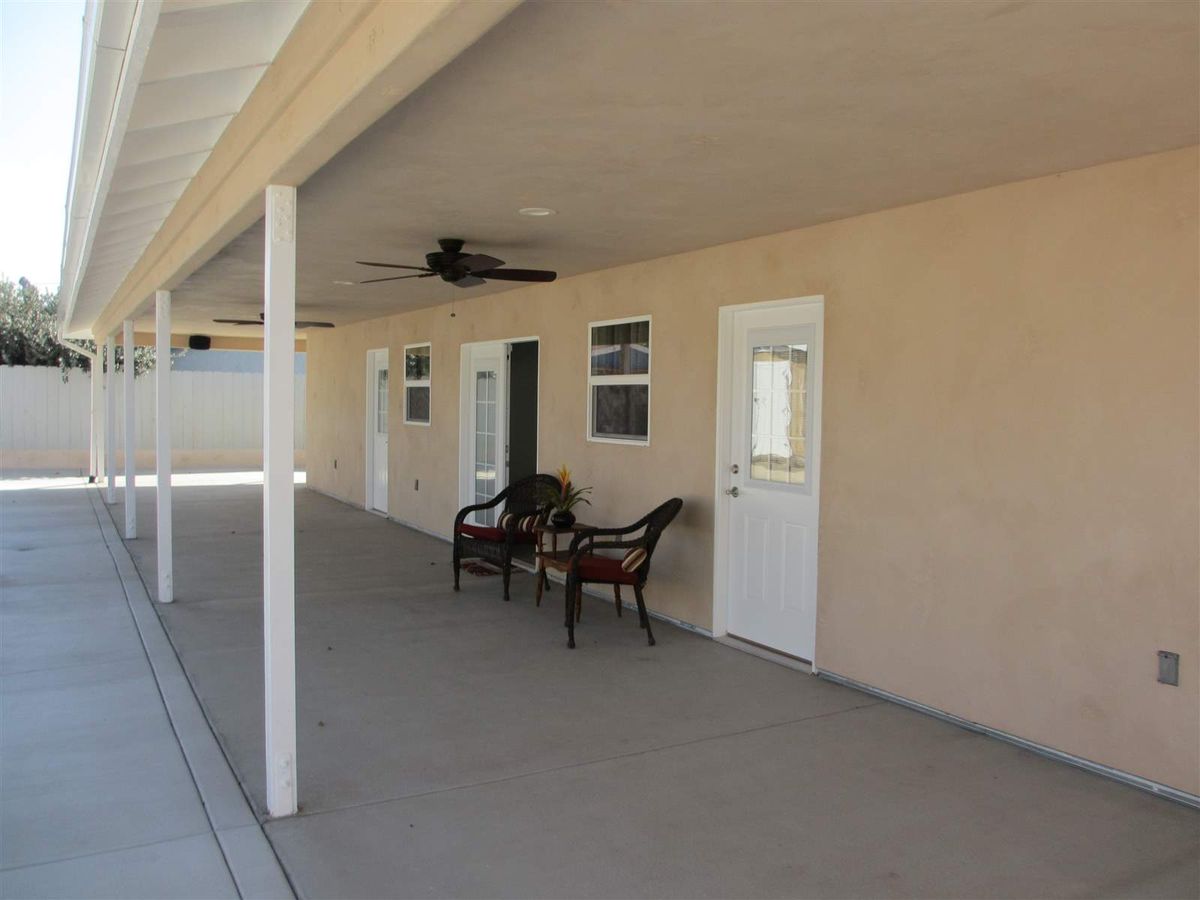
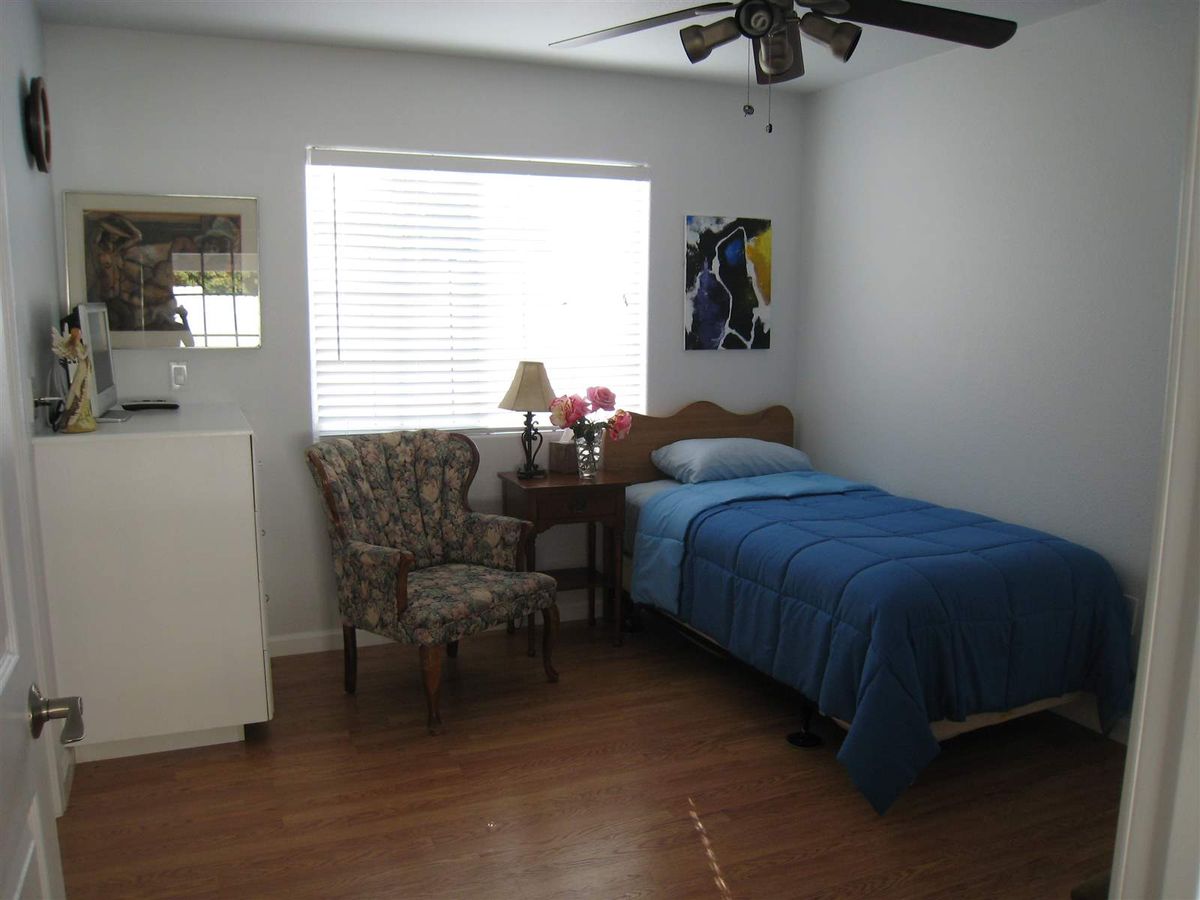
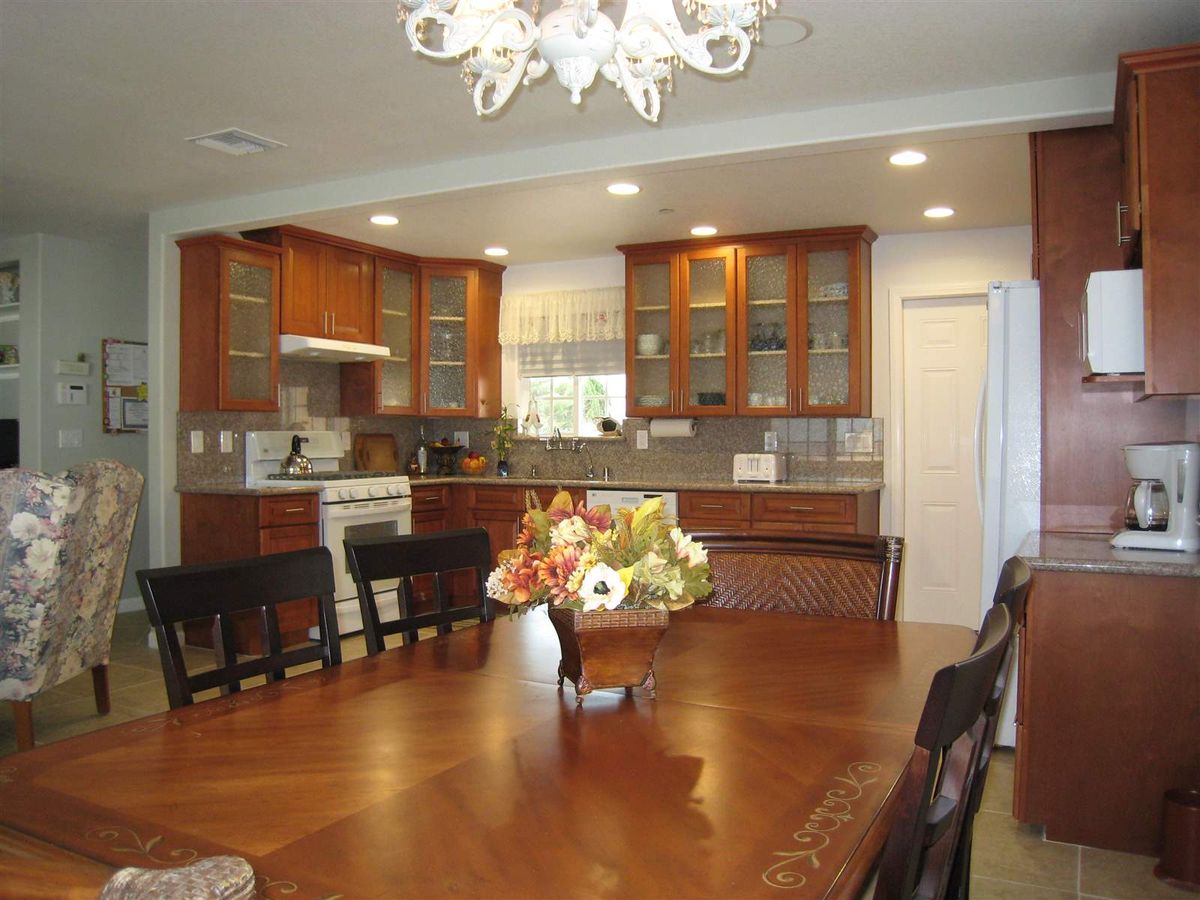
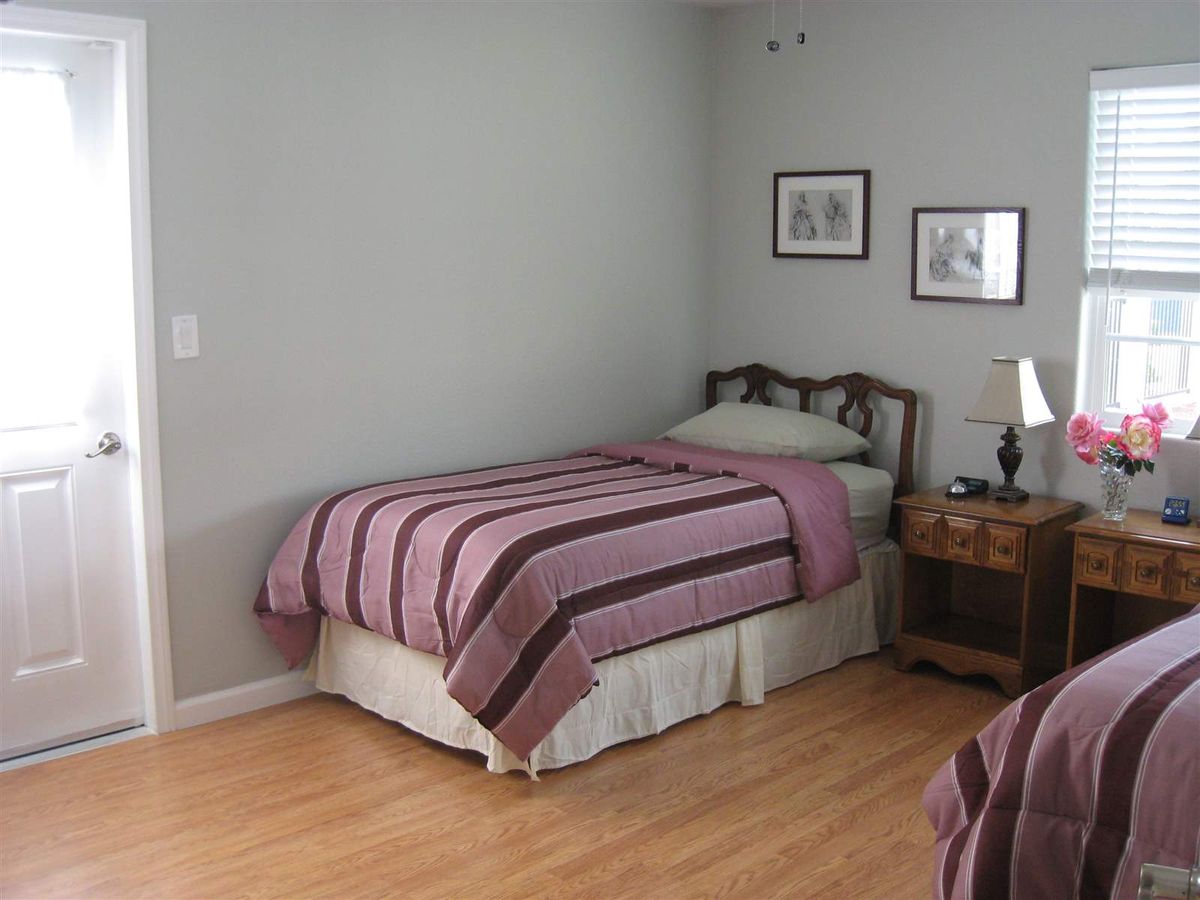
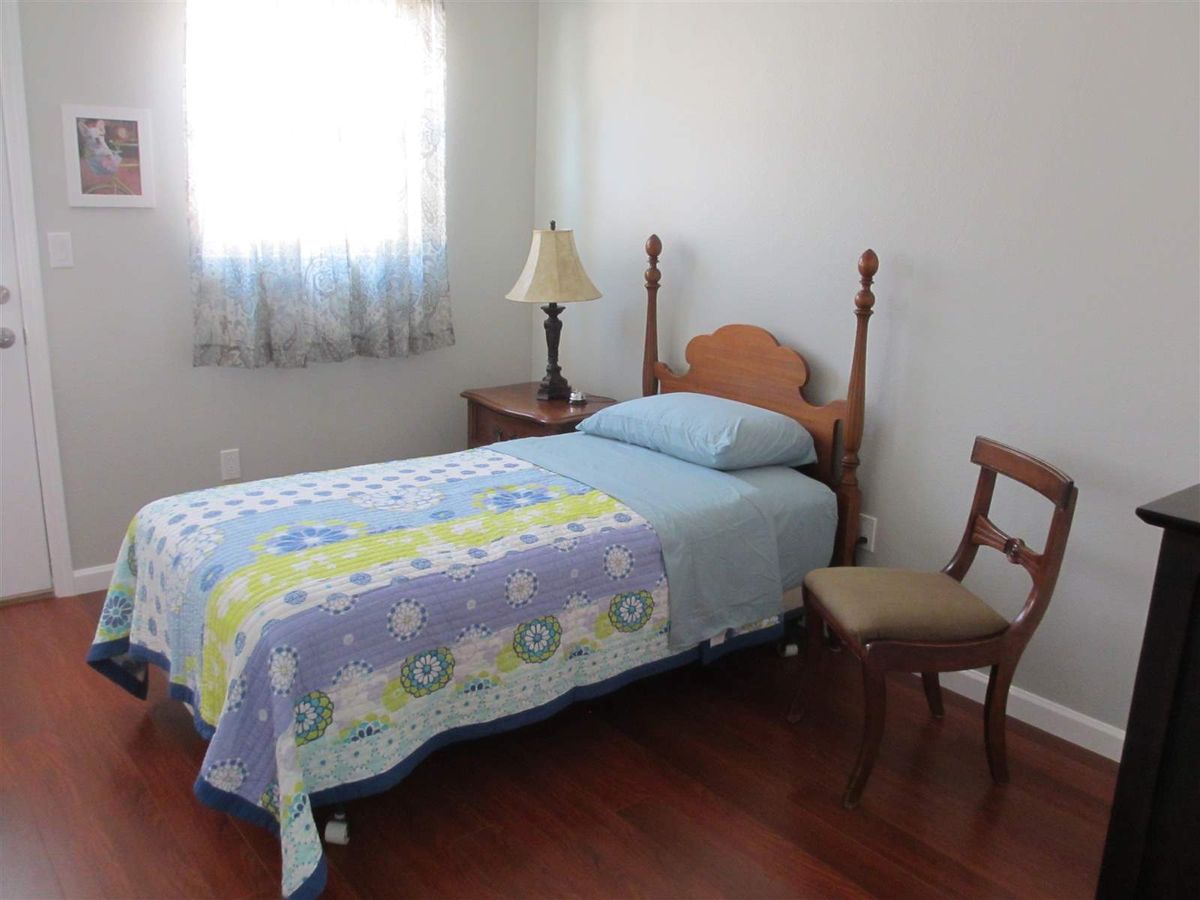
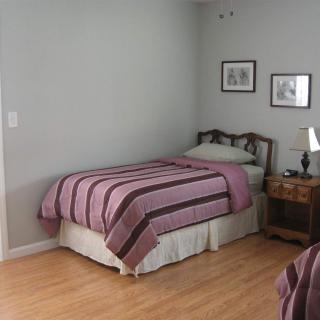
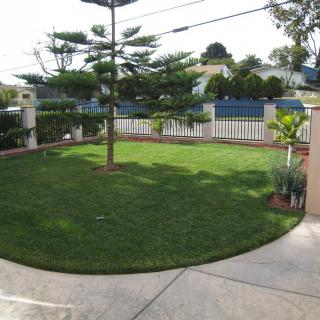
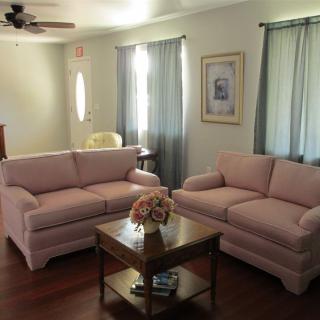
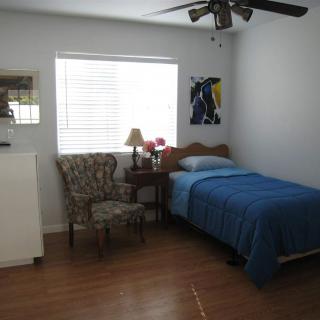

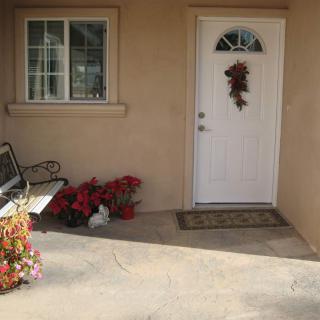
448 Foussat Road, Oceanside, CA 92054
For more information about senior living options: (866) 208-4318
Oceanside Elderly Care Home 448 Costs & Pricing
Oceanside Elderly Care Home 448 offers competitive pricing compared to the broader market in San Diego County and across California. For a semi-private room, residents can expect to pay $2,700 per month, which is significantly lower than the county average of $3,518 and the state average of $3,333. Additionally, for those seeking more privacy, the monthly cost for a private room is $3,500, aligning closely with the county's average of $3,939 while remaining consistent with California's state price point. This positioning not only highlights Oceanside Elderly Care Home 448 as an economically viable option but also underscores its commitment to providing quality care at accessible rates.
| Floor plans | Oceanside Elderly Care Home 448 | San Diego County | California |
|---|---|---|---|
| Semi-Private | $2,700 | $3,518 | $3,333 |
| Private | $3,500 | $3,939 | $3,939 |
Assisted Living communities with a similar price nearby
-
from -$200 / mo

Golden Retreat - Senior Residential Care
$2,500 to $3,000 / month7.6 miles away -
from +$300 / mo
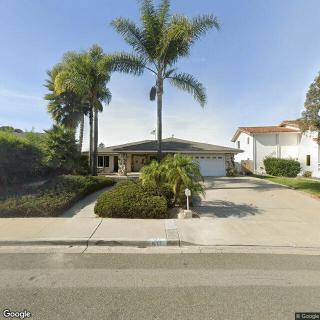
North La Costa Assisted Living
$3,000 / month9.8 miles away -
from +$300 / mo
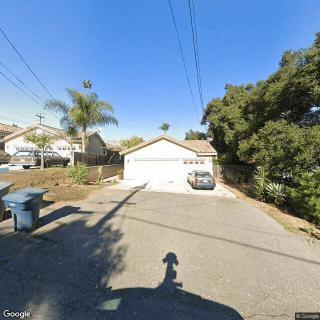
White Orchid Guest Home
$3,000 to $3,500 / month15.6 miles away -
from +$200 / mo

Cypress Court
$2,900 to $4,400 / month15.2 miles away -
from -$158 / mo
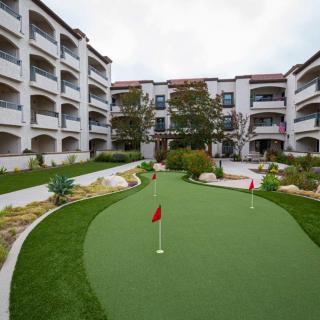
Casa De Las Campanas
$2,542 to $25,000 / month18.6 miles away
Overall Review of Oceanside Elderly Care Home 448
Pros
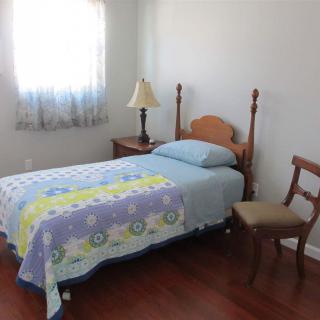
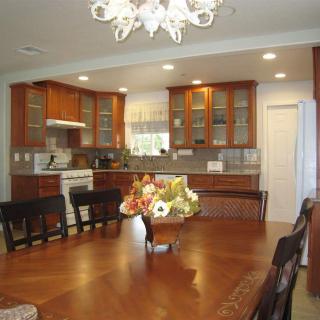
 The facility was immaculate.
- The care was exceptional.
- The staff made a painful experience more bearable.
- The caregivers were very nice.
- The mother was treated very well.
Review
This community is best suited for families seeking a pristine, high-touch environment with genuinely attentive staff, especially for seniors who are focused on short-term recovery or transitional care after a hospital stay. The experiences shared emphasize an immaculate setting and exemplary caregiving, underscoring a culture where clean surroundings and compassionate hands-on support can make a difficult period much more bearable. In the accounts, caregivers are described as kind, and residents are treated with evident concern, creating a sense of trust that is essential during a vulnerable transition.
Those weighing alternatives should consider memory-care specialization, long-term skilled nursing needs, or programs with deeper rehab curricula. If the priority is robust memory supports, highly structured long-term programming, or extensive 24/7 clinical management beyond what a short-term stay typically requires, other communities with clearer long-term or specialized offerings may be a better fit. Likewise, families with budget-sensitive expectations or a desire for a broader slate of ongoing activities and independence-based options may want to compare options where those elements are more explicitly defined. The absence of detail on these fronts signals the importance of a careful, direct tour and inquiry.
The strongest positives center on cleanliness, warmth, and the quality of daily care. The facility’s cleanliness is repeatedly described as immaculate, a foundation that reduces anxiety for families during a stressful transfer. Equally compelling is the reported level of care: staff members are described as attentive and genuinely kind, with residents, including a parent in a short-term recovery scenario, being treated well and receiving personalized, considerate attention. The overarching takeaway is that a calm, respectful, hands-on caregiving environment can dramatically ease the transition from hospital to home-like setting, easing pain, fear, and uncertainty for loved ones.
There are no explicit downsides voiced in the available notes, but a prudent reader should acknowledge the limitations of a small review pool. With only three accounts, there’s limited visibility into long-term satisfaction, the breadth of clinical capabilities, the depth of activity programming, or the availability of specialized therapies. That absence does not contradict the immediate strengths, yet it does mean families should verify important specifics during a visit: exact staffing ratios during peak hours, the scope of rehabilitation services, meal quality and dietary accommodations, social and cognitive activities, and how transitions to higher levels of care would be handled if medical needs change.
From a practical decision-making standpoint, these insights translate into decisive steps. Reach out to confirm whether rehab and post-acute services align with the expected duration and goals of recovery, and request a detailed tour that includes a meeting with the nursing team and a sample activity schedule. Inquire about room options, private versus shared accommodations, and any available amenities that matter to comfort and safety. Assess transportation arrangements for appointments, the frequency of family communications, and how care plans are coordinated with hospital or physician teams. Finally, compare cost structures and visit multiple communities to anchor expectations in real-world outcomes rather than impressions alone.
The verdict is clear: Oceanside Elderly Care Home 448 stands out for families prioritizing a spotless environment paired with exceptionally caring staff during a short-term or transitional period of senior care. Its strongest value lies in the combination of cleanliness and compassionate, attentive caregiving that can significantly ease the emotional and physical burden of a loved one’s recovery. For families seeking long-term memory care, highly specialized medical management, or expansive programming, alternatives should be explored to ensure those dimensions are not inadvertently compromised. A careful, informed visit will reveal whether this community’s strengths align with the resident’s evolving needs and the family’s expectations.
 6 resident community capacity
 Assisted Living
 Board and Care Home
 Activities on-site
 Beautician on-site
 Cable or satellite TV
 Dining room
 Fully furnished
 Garden
 Housekeeping services
 Indoor common areas
 Move-in coordination
 Outdoor common areas
 Private
 Respite or short term stays offered
 Telephone
 Wheelchair accessible showers
 Wi-Fi/high-speed internet available
 MC Clellan-Palomar Airport (6 miles away)
 24-hour supervision
 Ambulatory care
 Assistance with bathing
 Assistance with dressing
 Assistance with transfers
 Diabetes diet
 Incontinence care
 Meal preparation and service
 Medication management
 Special dietary restrictions
 Transportation arrangement (medical)
 Transportation to doctors appointments
 Christian services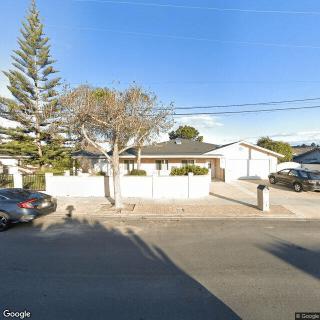






 Comprehensive Residential Support and Assisted Living Solutions for Individuals with Disabilities
 Comprehensive Supportive Living Arrangements for Adults with Disabilities
 Funding and Affording Assisted Living: A Thorough Overview