

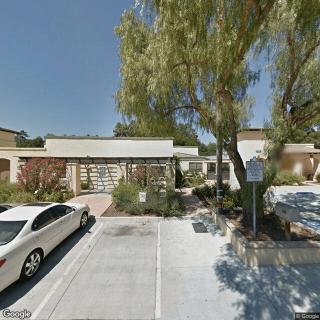
315 Riverside Rd, Oak View, CA 93022
To contact a resident: (805) 649-4859
For more information about senior living options: (866) 208-4318
Haave Residential Care Costs & Pricing
Haave Residential Care offers competitive pricing with its semi-private room accommodations priced at $2,700 per month. This rate is notably lower than the average costs in Ventura County, which stand at $3,438, as well as the state average of $3,333 for California. Such pricing positions Haave Residential Care as an attractive option for individuals seeking quality residential care without the burden of excessive financial strain. The cost-effectiveness combined with personalized care reflects Haave's commitment to providing a supportive and nurturing environment for its residents.
| Floor plans | Haave Residential Care | Ventura County | California |
|---|---|---|---|
| Semi-Private | $2,700 | $3,438 | $3,333 |
Senior living communities with a similar price nearby
-
from +$300 / mo
Navita Residence Edgemont Drive
$3,000 / month19.1 miles away -
from +$300 / mo
Ashley's Manor II
$3,000 to $4,000 / month18.7 miles away -
from +$295 / mo

Ventura Townehouse
$2,995 to $6,995 / month10.1 miles away -
from +$250 / mo
Cypress Place
$2,950 to $5,400 / month11.1 miles away -
from +$100 / mo
Ventura Grand Chateau
$2,800 to $4,500 / month10.2 miles away
Overall Review of Haave Residential Care
Pros
 The facility has a kind and sweet atmosphere.
- The workers are very kind and always welcome residents.
- The elderly are cared for at all times.
- There are many smiles, and meals are mouthwatering.
- Many residents have been known to get better there.
- It is one of the best care facilities around.
- The atmosphere is extremely clean.
Review
Haave Residential Care in Oak View is best suited for seniors who need steady, hands-on caregiving in a small, home-like setting and for families prioritizing warmth, dignity, and daily consistency over large-campus amenities. The facility’s designation as a hospice-oriented environment signals a focus on comfort, symptom management, and personal attention delivered in an intimate house atmosphere. In practice, the atmosphere feels personal rather than impersonal: staff members are consistently kind and welcoming, residents appear well-attended, and daily routines, meals, assistance, and check-ins, unfold in a calm, unhurried rhythm. This combination works especially well for elders who benefit from close supervision, predictable meal times, and a sense that someone is looking in on them at all hours.
Those considering alternatives should weigh options for a setting with a broader medical emphasis or a larger scale. If a family needs a facility that operates like a conventional, non-hospice-assisted living community with more extensive on-site medical specialties, more robust rehab services, or a wider calendar of activities and outings, other communities may fit better. For residents who require ongoing memory-care programs, specialized programming, or a more institutional day-to-day structure, exploring different providers could yield a closer match to expectations around independence, social engagement, and diverse programming.
The core advantages, exceptional staff warmth, constant attentiveness, and a consistently clean, welcoming environment, strongly offset the lack of flashy amenities often touted in larger settings. The kindness and accessibility of workers ensure that residents are “taken care of at all times,” a minimum standard that translates into practical benefits: timely help with mobility and personal care, reliable medication management, and a home atmosphere that reduces anxiety for residents and their families. The country, home-like ambiance and the aroma of home-cooked meals contribute to a sense of safety and well-being that matters as much as clinical care. In a setting where comfort and reassurance carry weight, these factors become decisive positives.
Cleanliness and a straightforward, unpretentious atmosphere reinforce trust. An extremely clean environment reduces infection risk and creates a space where residents feel secure and valued. The emphasis on meals, described as mouth-watering across breakfast, lunch, and dinner, signals a holistic approach to daily life that touches both nutrition and mood. When care is delivered with consistent politeness and a warm greeting at every turn, the overall experience strengthens the impression of stability and reliability. For families balancing medical needs with emotional comfort, such alignment between service quality and daily living routines can significantly ease the transition.
From a decision-making perspective, it remains prudent to verify the scope of care beyond the affectionate, hands-on environment described. Families should ask about the exact role Haave plays in medical oversight: what level of nursing supervision is available around the clock, whether rehabilitation services are offered on-site, and how care plans adapt as needs change. It’s also wise to explore the resident mix, the cadence of activities, visitation policies, and how end-of-life or palliative needs are managed within this hospice-oriented framework. The review hints at flexibility and strong reputation, but confirming these details in person helps prevent mismatches between expectations and daily realities.
Bottom line: Haave Residential Care stands out for Oak View as a warm, clean, and staff-forward option that delivers dependable, compassionate care in a small-house setting. It excels for seniors who thrive on personal attention, regular meals, and a calm, home-like environment where staff become familiar and trustworthy presences. Families with expectations centered on comfort, close supervision, and dignity will find a compelling match here. Those seeking a more expansive medical program, a larger community calendar, or non-hospice long-term care should still evaluate alternatives to ensure the chosen path aligns with long-term goals, shape of care, and lifestyle preferences.
 Board and Care Home
 Cats allowed
 Dogs allowed
 Oxnard (15 miles away)
 Diabetic care




 Essential Knowledge on Pneumonia in Older Adults
 Exploring Palliative Care in the Home: A Comprehensive Overview
 Comprehensive Insights into Palliative Home Care: What It Is and What to Expect