
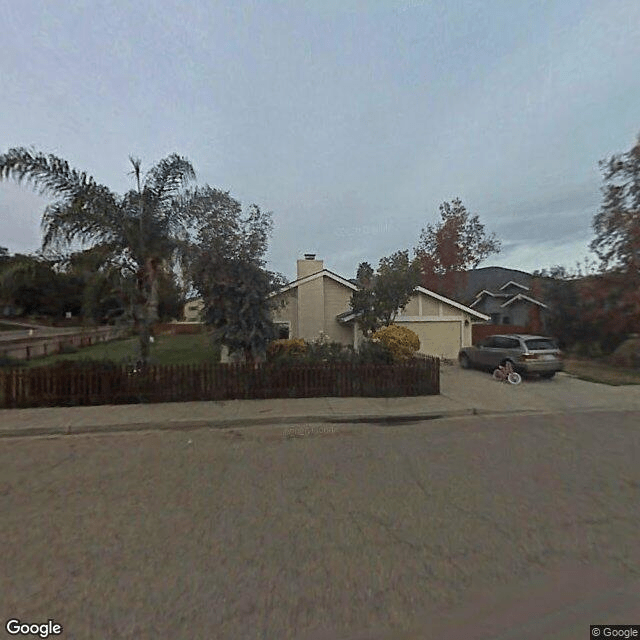
451 Walbridge Way, Ojai, CA 93023
To contact a resident: (805) 272-8164
For more information about senior living options: (866) 208-4318
Casa Bella Costs & Pricing
Casa Bella offers competitive pricing for its services compared to both Ventura County and the broader California market. For semi-private rooms, Casa Bella's monthly cost is $2,000, significantly lower than the county average of $3,438 and the state average of $3,333. This highlights Casa Bella's commitment to providing affordable care options without compromising quality. In terms of private accommodations, Casa Bella charges $3,000 per month, which again positions it favorably against Ventura County's average of $4,082 and California's average of $3,939. Overall, Casa Bella not only delivers value but also exemplifies a holistic approach to assisted living that prioritizes resident comfort while remaining mindful of budgetary considerations.
| Floor plans | Casa Bella | Ventura County | California |
|---|---|---|---|
| Semi-Private | $2,000 | $3,438 | $3,333 |
| Private | $3,000 | $4,082 | $3,939 |
Senior living communities with a similar price nearby
-
from -$320 / mo
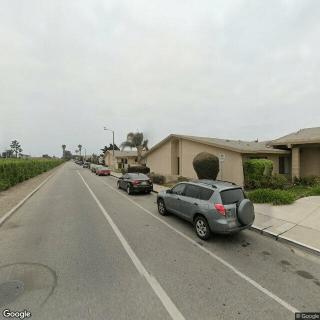
Shoreline Care Center
$1,680 to $2,184 / month20.9 miles away -
from +$100 / mo
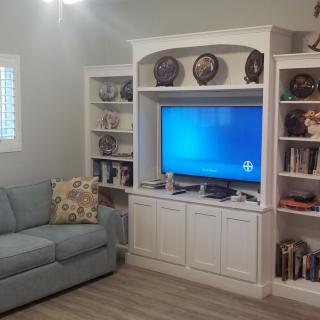
Mountain Vista Manor
$2,100 to $2,300 / month2.6 miles away -
from -$200 / mo
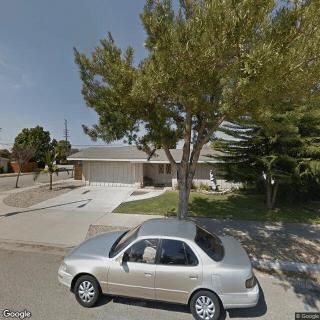
Grannys Home
$1,800 to $3,000 / month16.3 miles away
Overall Review of Casa Bella
Pros
 Casa Bella was a great experience.
- It had a friendly, family-like atmosphere.
Cons
 The closure of Casa Bella is sad.
Review
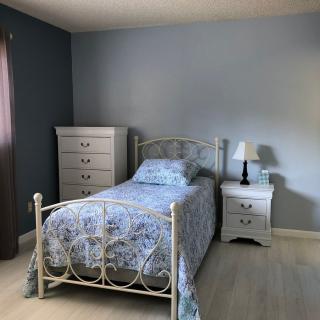
Casa Bella in Ojai would have been best suited for seniors who prize a warm, home-like setting over a clinical campus. The single review portrays a friendly, family-like atmosphere and a great experience, suggesting a level of personal attention and neighborly camaraderie that can make daily routines feel manageable and personal. This environment typically appeals to residents who want intimate interactions with staff and fellow residents, who dislike impersonal corridors, and who are comfortable with a smaller footprint where routines can bend to individual rhythms rather than corporate schedules. In short, Casa Bella would have served those who value atmosphere and relationships as much as care services.
Nevertheless, the reality is stark: Casa Bella has closed down. For families seeking ongoing, stable care in the Ojai area, this makes it essential to prioritize options that remain open, financially stable, and properly licensed. Those needing higher levels of medical oversight, urgent care access, or a clearly defined continuum of care may find that a small, family-like home cannot guarantee long-term operation. Anyone counting on formal programming, predictable staffing, or scalable services should compare with larger campuses that carry stronger assurances and clearer plans for continuity if a community shutters.
On the upside, the described atmosphere signals meaningful daily interactions and a true sense of belonging. A great experience in a small setting often translates into quicker rapport with caregivers, more responsive service, and activities tailored to resident interests. Families should expect fewer administrative hurdles, more transparency in day-to-day life, and opportunities for deeper involvement in the resident’s life. Those intangible elements can dramatically improve mood, satisfaction, and perceived value, especially for seniors who view retirement living as a personal community rather than a processed routine.
The most consequential drawback is the closure itself. From a decision-making perspective, the fact that Casa Bella no longer operates eliminates all practical value of the positives. No amount of warmth or attention matters if admissions are closed, ongoing care isn’t available, or relocation becomes an ongoing risk. For residents with chronic conditions or escalating needs, the danger of displacement or forced moves whenever a small operator shutters is a genuine consideration that should weigh as heavily as amenities or staff friendliness.
Those drawn to the intimate vibe must acknowledge that such an environment can and should exist elsewhere, but with steadier operations. The warmth and close-knit feel are achievable in other settings, provided the community demonstrates durable stability and transparent planning. If a comparable setup with confirmed continuity can be located, one that offers small-group living, attentive staffing, and resident-centered programming, the upside becomes a meaningful differentiator. Until then, the closure serves as a clear reminder to prioritize ongoing availability and operational longevity as heavily as atmosphere.
Decision-makers should pivot quickly to identify active, admitting communities in the Ojai area and beyond. Priorities must include licensing history, staffing ratios, acuity accommodations, and the ability to grow with care needs over time. Tours should probe resident tenure, family engagement opportunities, and candid references from current residents or families. In the end, Casa Bella’s warmth remains a compelling model, but the closure makes it a cautionary tale: verify ongoing operations and choose alternatives with durable stability, especially for long-term elder-care planning.
 Board and Care Home
 Activities off-site
 Bath tubs
 Beautician on-site
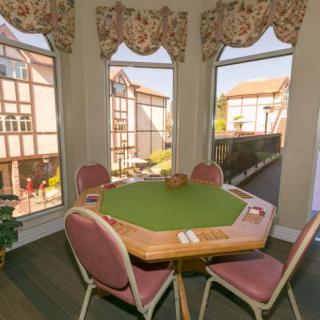
 Indoor common areas
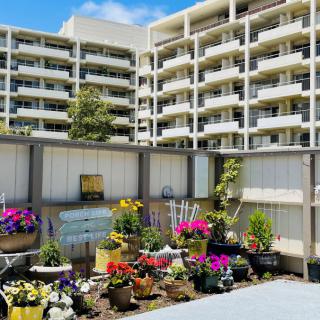
 Outdoor common areas
 Private
 Private bathrooms
 Respite or short term stays offered
 Wheelchair accessible showers
 Oxnard (17 miles away)
 Ambulatory care
 High acuity care
 Incontinence care
 Medication management
 Meals provided


 Skilled Nursing Facilities vs. Nursing Homes: Making Sense of the Differences
 A Detailed Examination of Nursing Home Costs Across the U.S.
 Exploring Nonmedical Home Care: Understanding Services, Costs, and Financial Approaches