
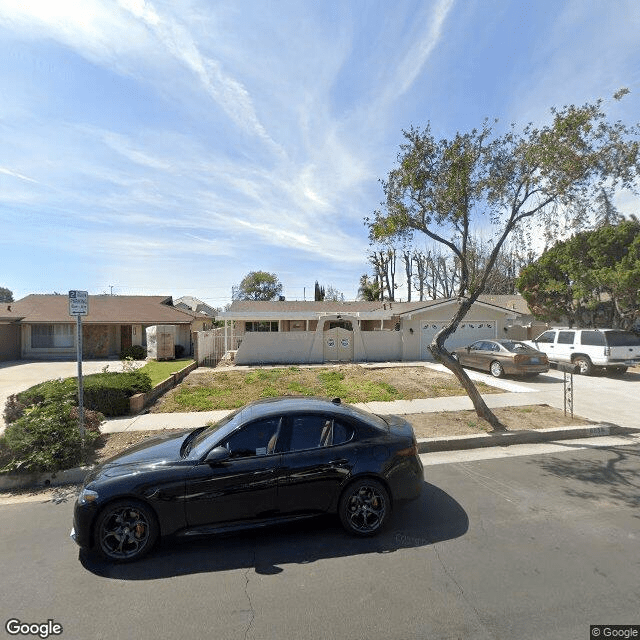
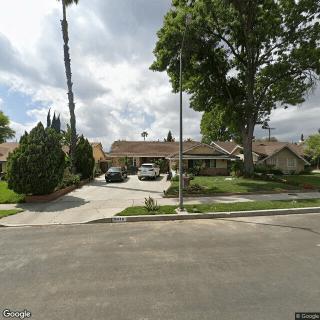
8839 McLennan Ave, Northridge, CA 91343
To contact a resident: (818) 893-8844
For more information about senior living options: (866) 208-4318
McLennan Manor II Costs & Pricing
At McLennan Manor II, the monthly cost for a private room is set at $5,000. This figure positions it above both Los Angeles County and the broader California average, where private rooms are priced at approximately $4,197 and $3,939 respectively. While McLennan Manor II may carry a premium compared to these benchmarks, many families consider factors beyond price - such as quality of care, amenities, and community atmosphere - which can significantly influence their choice in residential care. This pricing reflects not only the operational expenses but also the value of personalized services that residents receive within this particular facility.
| Floor plans | McLennan Manor II | Los Angeles County | California |
|---|---|---|---|
| Private | $5,000 | $4,197 | $3,939 |
Senior living communities with a similar price nearby
-
from +$500 / mo
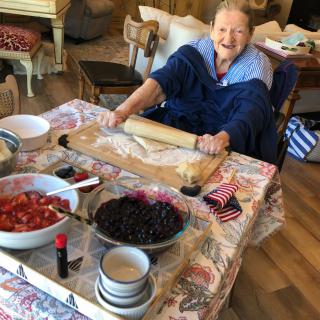
Blue Skies Ranch
$5,500 / month4.8 miles away -
from +$600 / mo
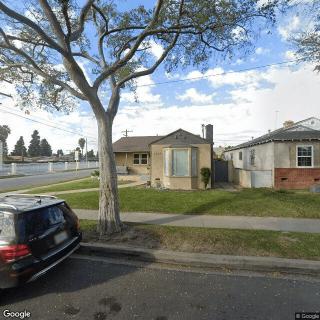
Beacon Light Guest Home
$5,600 to $6,100 / month21.9 miles away -
About the same

Sweet Home Senior Living #1
$5,000 to $7,500 / month5.7 miles away -
from -$500 / mo
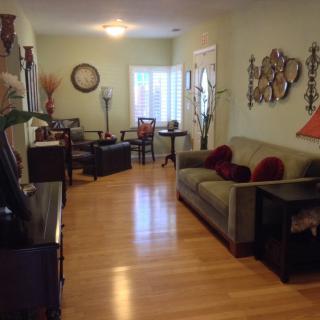
Ardenville Home Care I
$4,500 / month9.0 miles away -
from -$710 / mo

An Everlasting Spring - Senior Care
$4,290 to $5,577 / month21.8 miles away
Overall Review of McLennan Manor II
Pros
 The people at McLennan Manor were terrific.
- The facility was clean and nice.
- Mom is doing great at McLennan Manor II.
- The caregivers are friendly, helpful, and attentive.
- Mom is able to get out and do some walking.
Cons
 The reviewer felt the mom needed more care than McLennan Manor could provide.
Review
McLennan Manor II in Northridge, CA is best suited for seniors who want a clean, home-like setting with steady personal attention, modest assistance, and a schedule rooted in social connection and comforting meals. It works well for residents who are reasonably mobile, enjoy short outings for a walk, and respond positively to small-group activities rather than a large, clinical programming slate. Families should be mindful that those needing intensive, 24/7 nursing care or specialized memory support may want to explore alternatives.
The strongest selling points are tangible and reliable. The facility presents as clean and inviting, with staff described as terrific in their demeanor and conduct. Caregivers are consistently friendly, helpful, and attentive, which translates into dependable daily support for routine tasks and general supervision. The homemade meals are a notable perk, contributing to satisfaction and a sense of comfort that is often missing in more institutional settings. The presence of a few small activities provides opportunities for gentle engagement, while the ability for residents to get outside for a walk preserves a degree of independence and dignity.
Yet the central caveat concerns the level of care. One reviewer explicitly noted that their loved one needed more care than McLennan Manor II could provide, signaling a boundary to the community’s capabilities. This is not a facility built for heavy medical supervision or complex care needs; it skews toward residents who can manage with moderate assistance and supervision. The activity program, while pleasant, remains limited in scope and may leave residents seeking a richer, more expansive engagement calendar wanting more.
Despite this constraint, the practical strengths offset the main drawback in meaningful ways. Cleanliness and a consistently responsive staff reduce stress for families, offering reassurance that attention to daily needs is reliable. Home-style meals contribute to nutritional satisfaction and a sense of normalcy that many seniors value over more institutional fare. The ability to go for walks outside supports ongoing mobility and a sense of autonomy, which can significantly affect mood and overall well-being. In a setting where care needs stay within a manageable range, these elements collectively create a solid quality-of-life proposition.
This community is a prudent fit for families prioritizing a smaller, personable environment with approachable staff, predictable routines, and simple but meaningful social opportunities. It is well aligned with seniors who are mostly independent but appreciate some hands-on assistance and a warmer, less clinical atmosphere. Prospective buyers should, however, be clear-eyed about higher care demands: those requiring round-the-clock nursing oversight, complex medical management, or comprehensive memory-care services will likely find alternatives with stronger medical support more suitable for long-term stability.
For practical next steps, a guided visit is essential. Observe how staff interact during mealtimes and daily routines, and assess whether the pace, tone, and responsiveness match the senior’s preferences. Inquire about the scope of care plans and how quickly staff escalate concerns or adjust support as needs evolve. Review the activity calendar to determine if it aligns with the resident’s interests, and verify dining options and meal quality in person. Finally, consider proximity to family for regular visits, ensuring a support network remains easy to access. Taken together, McLennan Manor II presents a compelling option for warmth, cleanliness, and attentive care with home-cooked meals, provided the care needs stay within a moderate range and the setting’s limits are acknowledged upfront.
 Board and Care Home
 Cats allowed
 Dogs allowed
 Activities off-site
 Bath tubs
 Indoor common areas
 Outdoor common areas
 Private
 Private bathrooms
 Respite or short term stays offered
 Wheelchair accessible showers
 Burbank-Glendale-Pasadena (8 miles away)
 Ambulatory care
 High acuity care
 Incontinence care
 Kosher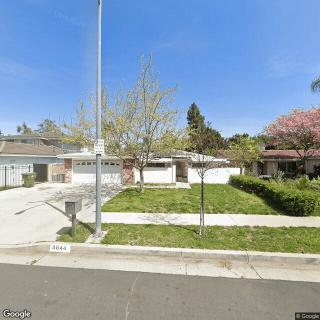

 Supportive Employee Benefits That Help Caregivers Attain Better Work-Life Harmony
 Top Cars for Senior Drivers and Essential Safety Innovations
 A Closer Look at Private Pay Home Care