
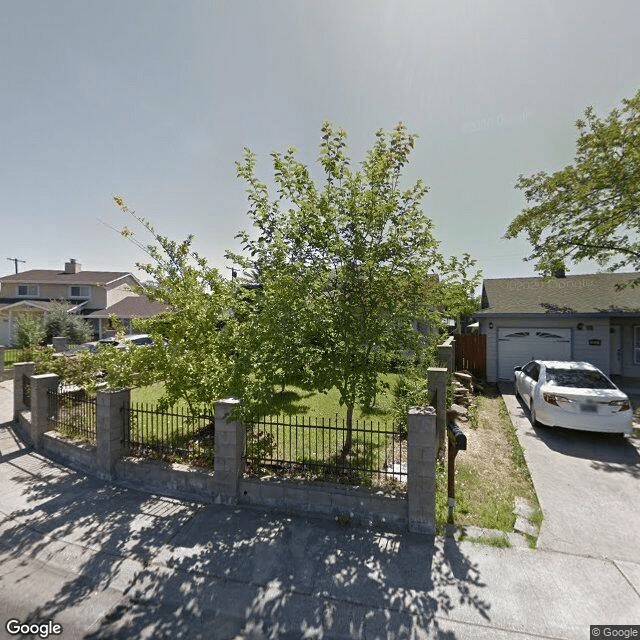
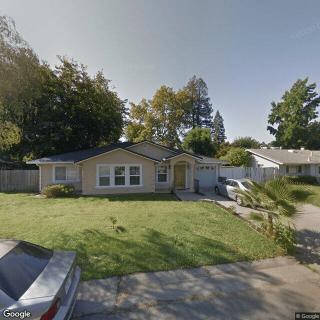
5914 Canary Drive, North Highlands, CA 95660
For more information about senior living options: (866) 208-4318
Maria's Home Care Costs & Pricing
Maria's Home Care offers competitive pricing for its services compared to both Sacramento County and the broader state of California. For semi-private rooms, Maria's Home Care charges $2,800 per month, which is notably lower than the county average of $3,106 and the state average of $3,333. This trend continues with private rooms as well; at $3,000 per month, Maria's rates are again more affordable than the county's average of $3,686 and significantly below California's average of $3,939. These cost advantages make Maria's Home Care an appealing option for families seeking quality care without straining their financial resources.
| Floor plans | Maria's Home Care | Sacramento County | California |
|---|---|---|---|
| Semi-Private | $2,800 | $3,106 | $3,333 |
| Private | $3,000 | $3,686 | $3,939 |
Assisted Living communities with a similar price nearby
-
from -$300 / mo
Sunrise Senior Care
$2,500 to $3,500 / month6.0 miles away -
from +$200 / mo
Afable Care Home
$3,000 to $3,500 / month3.6 miles away -
from -$300 / mo

Gina's Home Care
$2,500 / month5.3 miles away -
from +$200 / mo
Love & Care for Elder
$3,000 to $4,500 / month3.6 miles away -
from +$205 / mo

Hear Seniors
$3,005 to $3,870 / month3.1 miles away
Overall Review of Maria's Home Care
Pros
 The caregiver, Andrei Costea, is described as the most wonderful person the reviewer has met.
- He was very attentive to the mother's needs, even with three other residents in the home.
- The home was clean, neat, and orderly.
- The reviewer would recommend this home to seniors looking to live independently with minimal care.
- Board and Care is definitely the way to go.
Review
Maria’s Home Care in North Highlands is best suited for families seeking a warm, small-scale, home-like setting where one-on-one attentiveness can be delivered even with multiple residents present. The arrangement appears ideal for seniors who can live with minimal to moderate assistance and for families wanting reassurance that a capable caregiver can manage a bedridden loved one in a compact, home environment. The standout message from the experience is clear: a highly capable caregiver can deliver remarkably hands-on care without turning the home into a sterile institution. In short, this community shines for those prioritizing personalized attention, cleanliness, and a tranquil, house-like atmosphere over expansive facilities.
Those who may want to consider alternatives include families whose loved ones need around-the-clock skilled nursing, complex medical oversight, or highly specialized memory care programs. If the priority is robust medical staffing, structured daily programming, or a large community with extensive on-site amenities, a larger assisted living campus would be a more appropriate match. Likewise, if privacy, separate living quarters for every resident, or a setting with more formal routines and activities is non-negotiable, exploring other options would likely yield better alignment with those expectations. This home’s intimate, caregiver-centered model serves a specific niche well, but it may not satisfy every care profile.
On the upside, the key pro is the demonstrated ability to deliver genuine, personable care when time and attention are spread across a few residents. The caregiver cited, Andrei Costea, is described as “the most wonderful person,” and his attentiveness to a bedridden mother, despite managing three other residents, speaks to a high degree of dedication and responsiveness. The home environment itself reinforces this strength: it is clean, neat, and orderly, creating a sense of safety and dependability that families crave. The phrasing of the recommendation, that board and care is “definitely the way to go”, captures a practical takeaway: for families seeking a caregiver-led, home-style setting, this model can be remarkably effective when staffing is stable and care is consistent.
A potential con, though not called out by the reviewer, centers on the inherent trade-offs of a small, home-based model. With a limited staff and a compact footprint, the spectrum of services and the immediacy of medical oversight are naturally more constrained than in a larger facility with on-site nursing or dementia-specific programming. Privacy dynamics in a shared living situation and the reliance on a single or few caregivers can become a concern if illness or scheduling gaps emerge. Families should weigh whether more comprehensive medical supervision, broader activity options, or a facility with a formal memory-care track would better suit their loved one’s evolving needs.
Where the pros offset the cons, the math is straightforward: a highly capable, compassionate caregiver combined with a clean, orderly, home-like setting can deliver peace of mind that matters most to families navigating senior care decisions. For residents whose needs stay within minimal-to-moderate levels of assistance, this model often yields quicker response times, more personalized pacing, and a sense of comfort that larger campuses sometimes struggle to emulate. When trust in a caregiver’s ability to manage complex tasks is the deciding factor, the strength of the caregiver relationship can compensate for the absence of a wide array of on-site services.
For families evaluating Maria’s Home Care, the practical next steps are clear. Schedule a visit to observe daily routines, meet the caregiver and any other staff, and assess how care tasks align with the specific needs of the loved one. Inquire about scheduling and coverage to understand how care is allocated across residents, ask for a transparent discussion of costs and contract terms, and request references or additional observations from current or past families if available. This home is a strong fit for those prioritizing attentive caregiving within a cozy, orderly setting, and it stands as a solid option for anyone who wants to entrust a parent to a small, hands-on care model rather than a larger, more clinical environment.
 6 resident community capacity
 Assisted Living
 Board and Care Home
 Respite Care
 Cable or satellite TV
 Dining room
 Fully furnished
 Garden
 Housekeeping services
 Move-in coordination
 Outdoor space
 Private
 Telephone
 Wi-Fi/high-speed internet available
 Sacramento International (11 miles away)
 24-hour supervision
 Activities of daily living assistance
 Ambulatory care
 Assistance with bathing
 Assistance with dressing
 Assistance with transfers
 Diabetes diet
 Diabetic care
 Incontinence care
 Meal preparation and service
 Medication management
 Special dietary restrictions
 Transportation arrangement (medical)
 Transportation to doctors appointments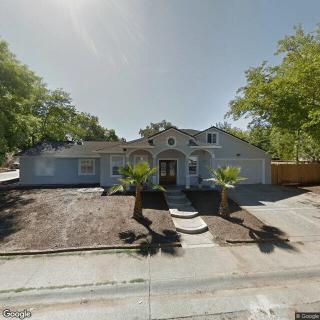



 Comprehensive Insights into Activities of Daily Living (ADLs) and Their Assessment
 Medicare Coverage for Assisted Living: An In-Depth Exploration
 Choosing the Right Senior Care: A Detailed Exploration of Assisted Living and Nursing Homes