
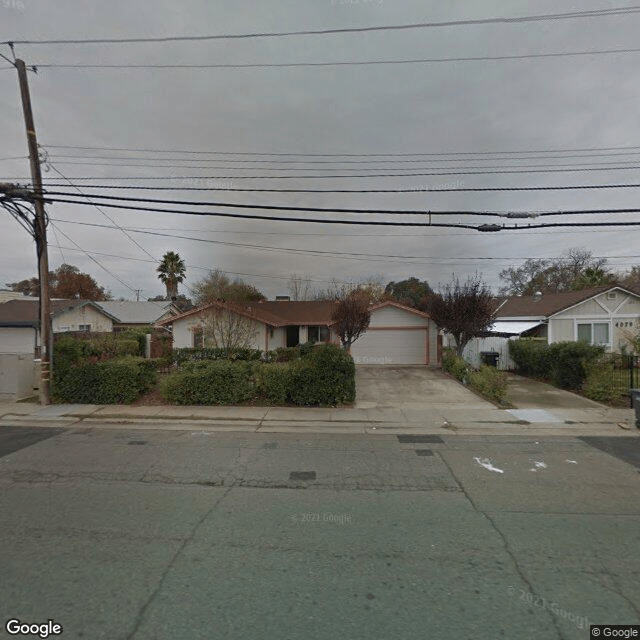
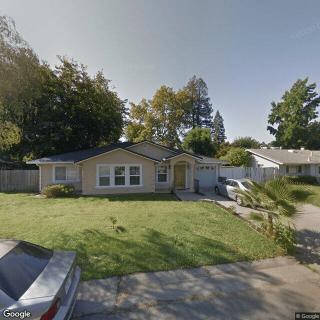
4080 Palm Avenue, Sacramento, CA 95842
For more information about senior living options: (866) 208-4318
Afable Home Care II Costs & Pricing
Afable Home Care II offers competitive pricing for its services compared to both Sacramento County and the broader California market. For a semi-private room, residents can expect to pay $2,200 per month, which is significantly lower than the county average of $3,106 and the state average of $3,333. Similarly, for those seeking a private room, Afable Home Care II's rate of $3,000 remains more affordable than both the county's average of $3,686 and California's state average of $3,939. This pricing structure reflects Afable Home Care II's commitment to providing quality care at a cost-effective rate for families looking for supportive living options in a warm environment.
| Floor plans | Afable Home Care II | Sacramento County | California |
|---|---|---|---|
| Semi-Private | $2,200 | $3,106 | $3,333 |
| Private | $3,000 | $3,686 | $3,939 |
Assisted Living communities with a similar price nearby
-
from +$300 / mo
Sunrise Senior Care
$2,500 to $3,500 / month5.5 miles away -
from +$300 / mo
Gina's Home Care
$2,500 / month4.5 miles away -
from -$200 / mo
Antelope Hills Home Care
$2,000 to $2,500 / month3.0 miles away -
from +$300 / mo
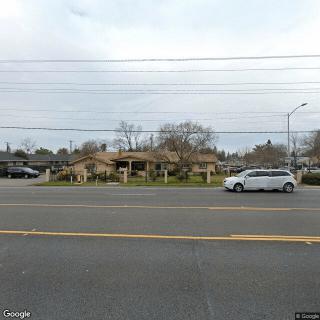
Eastern Manor
$2,500 to $3,000 / month3.8 miles away -
from +$300 / mo
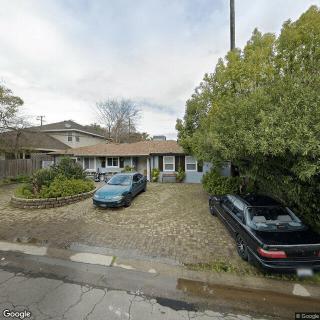
Hempstead Home
$2,500 to $6,930 / month6.0 miles away
Overall Review of Afable Home Care II
Pros
 Jay is an amazing resource.
- Jay and his team are an asset to caregivers and the clients they serve.
- The home care staff are professional, compassionate, and attentive to clients' needs.
- The service is top-notch.
- The caregivers referred by the agency are top-notch.
- Affable Home Care has proven to be one of the best decisions for their aunt's care.
- The home is run by a loving husband and wife team who provide wonderful care.
- Residents are happy and feel safe.
- The facility is clean and quiet, with well-kept rooms.
- The staff are amazing, kind, and patient.
- Stephanie and Wina provide exceptional, proactive, and thoughtful care.
- A Better Living is highly recommended for emergent care and reliable service.
Cons
 The reviewer needed immediate help and hated to ask friends, indicating discomfort with seeking informal assistance.
- The reviewer found the first caregiver to be great, but not a good match for them.
- The reviewer did not feel comfortable relying on friends for help, despite receiving some assistance.
Review
Afable Home Care II is best suited for families seeking an intimate, home-like setting where a small, family-run team delivers highly personalized care for an aging loved one, especially when memory-care needs are present but do not require a large institutional footprint. The model shines for seniors who thrive on consistent, compassionate interactions and a calm, well-maintained environment. Families that value hands-on leadership, rapid problem-solving, and a strong emphasis on clean, orderly spaces will find this community aligns with those priorities. The husband-and-wife leadership pair anchors the operation, and reviewers consistently note that care is delivered with warmth, attentiveness, and a steady eye on the details that matter daily.
The strongest positives center on people. Jay and the caregiving team emerge as a dependable resource for families navigating transitions, with professional, compassionate service from the outset. Caregivers are described as top-notch, patient, and gracious, able to handle practical needs with precision while staying attuned to emotional well-being. The home itself receives frequent praise: it is well kept, quiet, clean, and safe, with residents looking well cared for, comfortable, and properly supported. Memory care is acknowledged as a challenging arena, yet families consistently witness care and compassion at every level, including the executive team, which signals a rigorous commitment to quality and oversight.
Communication and responsiveness stand out as practical, actionable strengths. Families report that staff members are accessible, questions are answered, and care plans are discussed without delay. The ability to accommodate simple meal preferences and special orders reinforces the sense of individualized attention, while regular visits reveal residents who feel secure and properly groomed. Reviews repeatedly emphasize that team members are reliable and proactive, examples include accounts of staff who anticipate needs, follow through on requests, and maintain ongoing dialogue with family members to ensure alignment on care goals. This blend of attentiveness and reliability creates a reassuring framework for those who must entrust daily care to others.
That said, the intimate, home-based model naturally implies certain trade-offs relative to larger facilities. Prospective families should realistically assess the level of medical oversight and the scope of on-site clinical programming available in a small, residential setting. While the leadership team is described as caring and involved, the structure may not deliver the breadth of skilled-nursing services, specialized memory-care programming, or 24/7 clinical supervision found in larger memory-care communities. For loved ones requiring intensive medical monitoring, frequent on-call nursing, or a wide array of on-site therapies, alternatives such as bigger memory-care campuses or skilled-nursing options may functionally suit better.
Those considerations aside, the pros substantially offset the potential drawbacks for many families. The personal touch, strong leadership, and consistent caregiver teams translate into dependable daily routines, strong safety standards, and a dignified, comfortable living environment. High cleanliness, quiet surroundings, and a culture of patience and respect contribute to reduced agitation and improved quality of life for residents with memory challenges. The ability to tailor meals and accommodate preferences further reinforces trust and satisfaction, while the overall tone of care remains relentlessly practical, experienced, and family-centered. When memory care is on the table but not overwhelming in complexity, Afable Home Care II delivers compelling value through integrity, steadiness, and a genuine dedication to each residentā€™s well-being.
For families deciding between options, these conclusions hold: Afable Home Care II is a solid choice for those prioritizing a close-knit, accountable, and values-driven caregiving relationship in a home setting. It is less likely to satisfy those who require extensive, facility-wide medical programming, abundant on-site clinicians, or a large-scale memory-care infrastructure. In such cases, alternatives that offer broader clinical depth or more formalized memory-care curricula may be preferable. Yet for families who want a warm, well-run environment where staff know residents by name, respond quickly to needs, maintain high standards of cleanliness and safety, and demonstrate sustained compassion, this community stands out as a practical, deliberately chosen option built on trust, consistency, and everyday excellence.
 6 resident community capacity
 Assisted Living
 Board and Care Home
 Activities off-site
 Cable or satellite TV
 Devotional services off-site
 Dining room
 Fully furnished
 Garden
 Housekeeping services
 Move-in coordination
 Outdoor common areas
 Private
 Private bathrooms
 Telephone
 Wheelchair accessible showers
 Wi-Fi/high-speed internet available
 Sacramento International (12 miles away)
 24-hour supervision
 Ambulatory care
 Assistance with bathing
 Assistance with dressing
 Assistance with transfers
 Diabetes diet
 Diabetic care
 High acuity care
 Incontinence care
 Meal preparation and service
 Medication management
 Special dietary restrictions
 Transportation arrangement (medical)
 Transportation to doctors appointments

 Social Security Benefits and Assisted Living: Navigating Options Across the U.S.
 An Extensive Exploration of the VA Aid and Attendance Benefit
 Senior Transition Services: Understanding Their Role, Cost, and Importance