
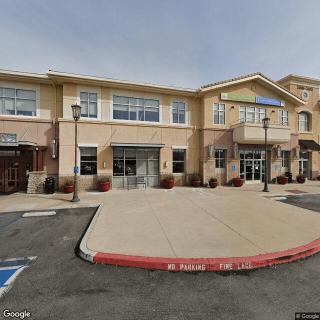
23609 Daisetta Drive, Newhall, CA 91321
For more information about senior living options: (866) 208-4318
Overall Review of Jmj Elder Care 2
Pros
 Happy Place Elder Care is described as a wonderful facility with attentive owners and staff.
- The staff provide great comfort with professionalism and heartfelt care.
- Rooms and the overall environment are wonderful, and the caregivers are wonderful.
- The team takes excellent full-time care of residents.
- The staff are beautiful people who treat families with kindness as if they were their own.
- Anya and Herman are caring and hands-on in supporting residents and their families.
- Residents receive prompt medical attention, are well fed and kept clean, reflecting high-quality care.
- Families would recommend Happy Place to anyone seeking care for a loved one.
Cons
 The reviewer described Happy Place Elder Care as a nightmare, citing two bad falls and a lack of continuous supervision for their father-in-law.
- The reviewer stated the staff needed their rest at night and couldn’t watch him every minute.
- The reviewer said they were compelled to move their father-in-law out immediately for his safety.
- The reviewer warned others not to take a loved one with dementia to Happy Place Elder Care.
- The reviewer claimed the facility kept the prorated fee and had not refunded it or returned calls about the refund.
Review
This Newhall community is best suited for families seeking a warm, home-like environment where full-time elder care is delivered with visible, hands-on commitment from the owners and a consistently attentive, compassionate staff. It works especially well for residents who thrive on personal connections, daily warmth, and a caregiving team that treats families like partners. The strongest fit is for seniors who benefit from individualized attention, regular communication, and care that feels like a family affair rather than a sterile institutional setting. It is less ideal for families needing stringent dementia-specific programming, aggressive risk management, or highly formalized safety protocols that are clearly separate from everyday affection and responsiveness.
Those who may want to consider alternatives include families prioritizing rigorous safety monitoring and specialized memory-care infrastructure. One review raises a cautionary note about safety during nighttime hours and falls, suggesting that the level of caution and supervision may not meet every high-risk need. For families whose loved one has advanced dementia or a pattern of wandering or repeating safety concerns, a facility with explicit, well-documented fall-prevention measures and a more formal care plan might be wiser. Additionally, prospective residents who demand transparent, prompt refunds and tight fiscal accountability may want to compare contracts and post-admission support elsewhere, given the contested refund experience cited in one review.
The most persuasive pros, attentive owners, heartfelt care, and a family-feel that comes through in daily interactions, can substantially offset many of the concerns, but not all. Reviewers repeatedly highlight staff dedication, with Anya and Herman singled out for personal involvement and direct accessibility. Rooms and the home environment are described as inviting, with cleanliness and nourishing meals that reinforce comfort and dignity. Medical needs are said to be addressed promptly, and family members are kept in the loop with calls and updates that feel sincerely caring. When those strengths align with a loved one’s preferences for a cozy, personable setting, the positives create a compelling case for choosing this community.
Yet the standout safety incident, two falls and what the reviewer characterized as a nighttime understaffing issue, cannot be dismissed. This is the core risk to weigh against the emotional warmth and responsiveness. The experience suggests a fragility in 24/7 monitoring that could become critical for residents with mobility challenges or those prone to falls. While the owner-led culture and proactive communication may mitigate some risk, the episode reveals that personal attention alone cannot substitute for robust, systemic safety practices. Families must interrogate staffing coverage at night, escalation protocols, and the ability to separate caregiving warmth from medical-grade risk management.
When evaluating options, families should demand concrete, objective assurances: the exact staff-to-resident ratios by shift, documented fall-prevention protocols, and a proven plan for dementia care if that’s part of the intake. Request to see incident reports and how the facility forwards safety learnings into daily routines. Ask for examples of how medical needs are triaged and who makes clinical decisions after-hours. Also clarify financial terms, including refund policies, prorated charges, and what recourse exists if safety or care expectations are not met. A candid exchange with Anya and Herman can illuminate how quickly and transparently concerns are addressed.
In the end, this community offers a compelling blend of warmth, personalized attention, and homelike comfort that resonates deeply with families seeking a trusted, people-centered living arrangement. The strong positive experiences tip decisively toward choosing it for residents who prioritize relationship-driven care and a responsive, small-house feel. However, for families where dementia care clarity, stringent safety oversight, and unambiguous risk management are paramount, it is prudent to compare with alternatives that foreground formal protocols and proven high-risk safeguards. The prudent path is a thorough visit, sharp questions, and a clear read on how safety and care plans would translate into daily life for a loved one.
 6 resident community capacity
 Assisted Living
 Board and Care Home
 Cable or satellite TV
 Dining room
 Fully furnished
 Garden
 Housekeeping services
 Move-in coordination
 Outdoor space
 Telephone
 Wi-Fi/high-speed internet available
 Burbank-Glendale-Pasadena (16 miles away)
 24-hour supervision
 Activities of daily living assistance
 Assistance with bathing
 Assistance with dressing
 Assistance with transfers
 Diabetes diet
 Meal preparation and service
 Medication management
 Special dietary restrictions
 Transportation arrangement (medical)
 Transportation to doctors appointments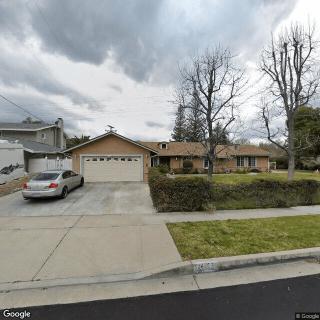



 Choosing the Right Senior Care: A Detailed Exploration of Assisted Living and Nursing Homes
 Understanding the True Cost of Assisted Living in 2025: A Comprehensive Guide
 Understanding Medicaid Coverage for Assisted Living: A Comprehensive Guide