
1109 La Grande Ave, #B, Napa, CA 94558
To contact a resident: (707) 252-3392
For more information about senior living options: (866) 208-4318
The Country Inn Retirement Home Costs & Pricing
The Country Inn Retirement Home offers competitive pricing for its residents relative to the broader market, particularly in Sonoma County and the state of California. For a semi-private room, The Country Inn charges $3,400 per month, which is notably lower than the county average of $4,052, making it an appealing option for those seeking affordability without compromising care. Similarly, its studio accommodations are priced at $4,300, closely aligning with Sonoma County's average of $4,340 but offering a more favorable rate compared to California's overall average of $4,145. This positioning reflects The Country Inn's commitment to providing quality living arrangements that cater to both budget-conscious seniors and their families.
| Floor plans | The Country Inn Retirement Home | Sonoma County | California |
|---|---|---|---|
| Semi-Private | $3,400 | $4,052 | $3,333 |
| Studio | $4,300 | $4,340 | $4,145 |
Assisted Living communities with a similar price nearby
-
from +$595 / mo
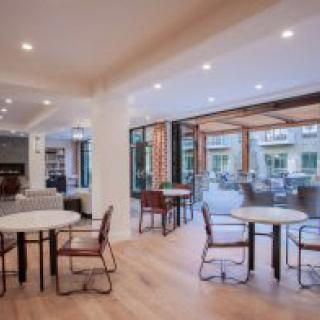
The Watermark at Napa Valley
$3,995 to $6,795 / month1.1 miles away -
from +$300 / mo
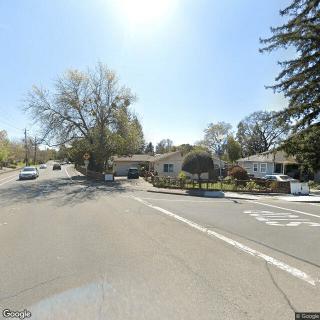
Silva Board And Care
$3,700 to $5,367 / month23.2 miles away -
from -$400 / mo

Linda Falls Guest Home 1
$3,000 to $4,500 / month16.6 miles away -
from -$150 / mo
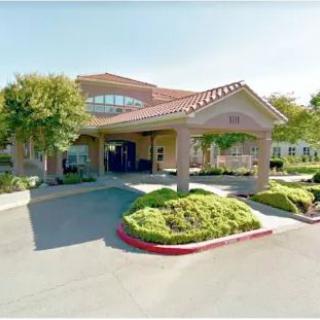
Magnolia Court
$3,250 to $6,000 / month18.8 miles away -
from +$410 / mo
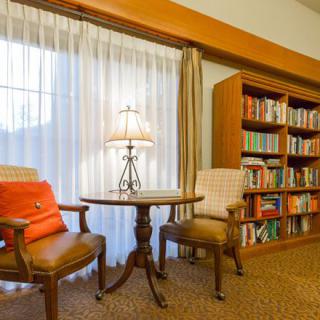
Brookdale Chanate
$3,810 to $7,855 / month23.6 miles away
Overall Review of The Country Inn Retirement Home
Pros
 Everything has been going great for him.
- The staff have been attentive to his needs.
- He has had no complaints about the meals.
- He is enjoying a few of the activities with the other residents.
Review
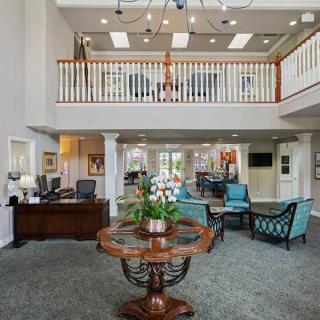
The Country Inn Retirement Home in Napa is best suited for families seeking a small, people-centered senior living option where staff attentiveness and a comfortable, home-like environment are the primary selling points. This community appears to work well for residents who value consistent, hands-on assistance and observe clear, positive engagement from caregivers. It suits a senior who does not require intensive medical management or specialized memory-care programming, but who appreciates reliable oversight, regular meals, and social activities that promote peer interaction. In short, it targets families prioritizing daily reliability and personal connections over a broad, hospital-like care continuum.
Those who may want to consider alternates should weigh the absence of specialized services. If care needs include comprehensive nursing oversight, complex medical coordination, or dedicated memory-care support, this facility may not satisfy those requirements. Additionally, families seeking a large, bustling campus with a wide range of specialized programs or an expansive activity calendar might find a more expansive community a better fit. Prospective residents who demand extensive on-site therapies, highly regimented clinical oversight, or top-tier amenities could benefit from exploring other Napa options with more robust clinical offerings or a bigger resident community.
The strongest advantages emerge from the staff–resident dynamic. Attentive, responsive caregivers appear to meet daily needs in a way that reassures families, and this perception translates into confidence about the ongoing quality of care. The firsthand impression of comfort with the care plan suggests consistent adherence to residents’ routines and preferences, which is a critical factor for families prioritizing trust and dependability. Meals, while not described as exceptional, are reported to be satisfactory with no complaints, contributing to a stable daily rhythm for residents. Lastly, participation in activities with other residents indicates a social structure that supports engagement without overwhelming residents with complexity or chaos.
With no explicit negatives highlighted in the available account, the key caveat for decision-making centers on the limited scope of feedback. A single review cannot reliably establish long-term consistency across shifts, seasons, or changes in administration. In practical terms, this means initial impressions, though positive, should be tempered by further verification through visits, conversations with multiple staff members, and, ideally, a trial period if available. The pros identified offset the lack of breadth to some degree by signaling a culture of attentiveness and comfort that families can verify in person. For families weighing risk versus reward, the consistency of staff responsiveness and meals becomes the hinge point.
To move from impression to informed commitment, prospective families should structure tours with clear questions about daily staffing ratios, nurse availability, and the extent of medical coordination. Inquire about memory-care options if cognitive needs might evolve, and ask for a detailed sample daily schedule highlighting meals, transportation, and activity opportunities. Dish up specifics on menu variety, special dietary accommodations, and opportunities for resident-led activities. Clarify what transportation services exist for appointments or outings and how visiting hours are managed to preserve family involvement. Finally, seek transparent discussions about costs, contract terms, and what happens if care needs intensify over time.
Overall, The Country Inn Retirement Home presents a practical, trustworthy option for Napa families prioritizing dependable caregiving and a calm, connected living environment. For seniors with moderate care needs who value personal attention and a straightforward daily routine, this community offers a compelling fit in a market that rewards consistency and comfort over spectacle. Alternatives should be considered only when more intensive clinical support, a robust program slate, or larger-scale amenities are essential. When those criteria align with a family’s priorities, this placement stands out as a credible, well-regarded choice in the Napa landscape.
 Assisted Living
 Cats allowed
 Dogs allowed
 Activities off-site
 Beautician on-site
 Indoor common areas
 Outdoor common areas
 Respite or short term stays offered
 Wheelchair accessible showers
 Ambulatory care
 High acuity care
 Incontinence care
 Medication management
 Meals provided
 Art classes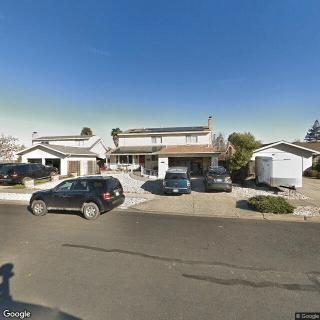
 Comprehensive Supportive Living Arrangements for Adults with Disabilities
 Funding and Affording Assisted Living: A Thorough Overview
 Assisted Living Expenses and Long-Term Care Insurance: A Comprehensive Exploration