
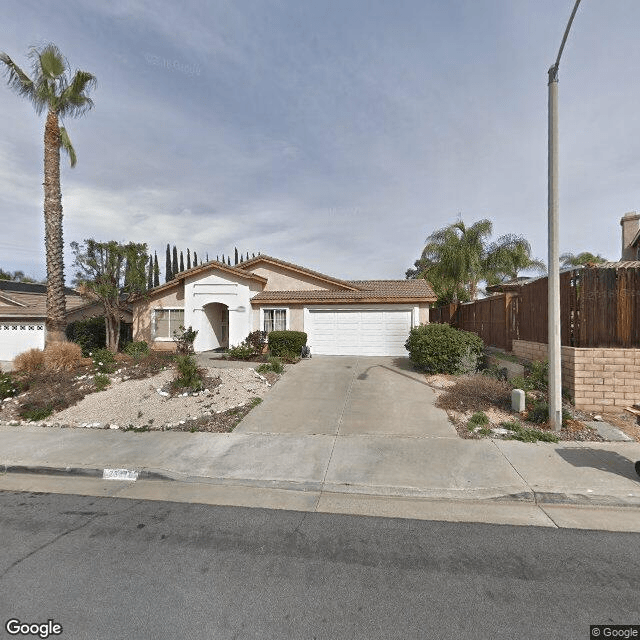
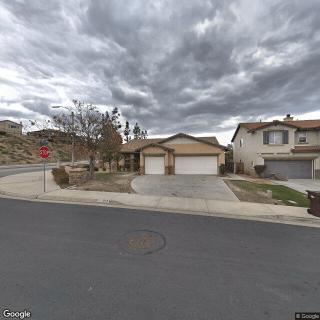
23276 Spring Meadow Drive., Murrieta, CA 92562
For more information about senior living options: (866) 208-4318
Spring Meadow Home Care Costs & Pricing
Spring Meadow Home Care offers competitive pricing for its residents, particularly when compared to the broader costs associated with both Riverside County and the state of California. For those seeking a semi-private room, Spring Meadow's rate of $2,500 is notably lower than the county average of $2,844 and significantly less than the state average of $3,333. Similarly, the private room option at Spring Meadow is priced at $3,500, which remains more affordable than Riverside County's average of $3,474 and California's statewide figure of $3,939. This positioning highlights Spring Meadow's commitment to providing quality care at a more accessible price point for families in search of dependable home care services.
| Floor plans | Spring Meadow Home Care | Riverside County | California |
|---|---|---|---|
| Semi-Private | $2,500 | $2,844 | $3,333 |
| Private | $3,500 | $3,474 | $3,939 |
Memory care communities with a similar price nearby
-
from +$300 / mo
Pebble Brook Senior Home Care
$2,800 to $4,000 / month12.1 miles away -
from +$300 / mo

Bianca's Home Care
$2,800 to $3,400 / month22.6 miles away -
About the same
Golden Horizon Home I
$2,500 to $2,800 / month22.5 miles away -
from -$300 / mo
Diamond Residential Care Facility for the Elderly of Murrieta
$2,200 to $3,500 / month6.5 miles away -
from +$440 / mo
Vineyard Home Care
$2,940 to $4,500 / month8.8 miles away
Overall Review of Spring Meadow Home Care
Pros
 He is doing well there.
- He likes it.
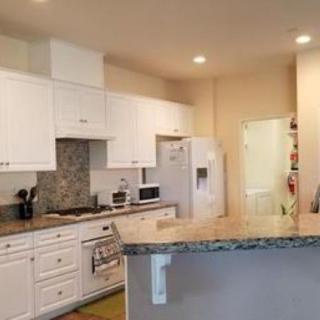
- The facility is very homey and comfortable.
- It has a good reputation in the area.
- He likes that there are kids living there with the family.
- He is very happy there.
- The care seems to be good so far.
Cons
 None detected.
Review
Spring Meadow Home Care in Murrieta, CA is best suited for families seeking a warm, home-like atmosphere where care feels personal and everyday life resembles a family setting more than a traditional campus. This community appears to thrive on a cozy, residential vibe that makes residents feel at ease quickly, rather than a sterile, institutional environment. The standout feature is an intergenerational touch, children live there with the family, creating a sense of “grandkids around the house” that can boost mood, conversation, and social connection for seniors who value regular, informal companionship. For seniors who prize familiarity, comfort, and a sense of belonging over formal programming, this appears to be a strong fit.
Those with more demanding clinical needs should consider alternatives. If comprehensive medical oversight, robust memory-care specialization, or highly structured daily routines are non-negotiable, larger assisted living settings or dedicated memory-care communities may better align with expectations. Families who require pronounced privacy or a quieter environment, without the bustle or noise often associated with intergenerational living, might also find the homey model less suitable. In short, Spring Meadow likely serves well those who want intimate attention and a familial feel, but it may not satisfy every resident’s standard for medical intensity or formal programming.
The most persuasive pros center on the immediate feel and caregiver attentiveness that a small, homelike setting can deliver. A domicile-like atmosphere can translate into higher perceived attentiveness from staff, more fluid daily scheduling, and easier adjustments to personal preferences. The positive sentiment from the resident’s family, care “seems good so far” and no complaints after a short period, signals a favorable initial trajectory in terms of satisfaction and responsiveness. The community’s local reputation provides additional reassurance for families who want a nearby option with recognizable standing in Murrieta, reducing the stress of long-distance care coordination and frequent driving.
Equally compelling is the intergenerational dynamic that the on-site presence of children facilitates. For seniors who enjoy regular social interaction, the opportunity to engage with younger generations can stave off loneliness and offer meaningful cognition-stimulating moments. The sense of happiness and contentment reported by the family member underscores how this environment can contribute to a positive emotional climate, which often translates into steadier days and fewer behavioral or mood concerns. While not every resident will seek or welcome such energy, for many, the liveliness paired with a comforting, home-like routine is a meaningful offset to potential downsides.
Nevertheless, solid caution is warranted given the limited public history. The community has a single, positive snapshot in a relatively short window, which means staffing consistency, long-term reliability, and sustained quality are less proven than at facilities with longer track records. Potential residents should scrutinize caregiver-to-resident ratios, ongoing training, and how care plans evolve as needs change. The absence of a longer tenure on record does not negate quality, but it does demand a proactive inquiry into what happens if medical or daily-care requirements intensify and whether the home can adapt without compromising the homelike atmosphere.
Given these dynamics, the practical decision rubric is clear. Spring Meadow is a compelling choice for families who value intimate, personalized attention and want a vibrant, family-centered environment where residents are part of a lived-in home rather than a sanitized campus. It suits seniors who welcome intergenerational interaction as part of daily life and who prioritize mood, companionship, and a sense of belonging over formal programs. For those who require pronounced medical oversight, a quieter setting, or a longer track record before committing, alternatives with larger staff teams, more specialized memory-care services, or a more conventional senior-living cadence should be explored. A careful on-site visit, candid conversations with caregivers, and a tested understanding of care needs will reveal whether Spring Meadow can sustain the initial positive impression over time.
 6 resident community capacity
 Assisted Living
 Board and Care Home
 Memory Care
 Cats allowed
 Dogs allowed
 Cable or satellite TV
 Dining room
 Fully furnished
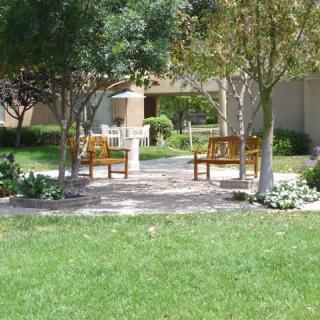
 Garden
 Housekeeping services
 Move-in coordination
 Outdoor space
 Private
 Telephone
 Wi-Fi/high-speed internet available
 24-hour supervision
 Activities of daily living assistance
 Assistance with bathing
 Assistance with dressing
 Assistance with transfers
 Diabetes diet
 High acuity care
 Meal preparation and service
 Medication management
 Special dietary restrictions
 Transportation arrangement (medical)
 Transportation to doctors appointments


 A Thorough Discussion of Medications Potentially Linked to Dementia Risk
 Why Do Dementia Patients Sleep So Much? Understanding Oversleeping, Stages, and Care Approaches
 8 Key Indicators That Suggest It May Be Time to Transition from Assisted Living to Skilled Nursing Care