
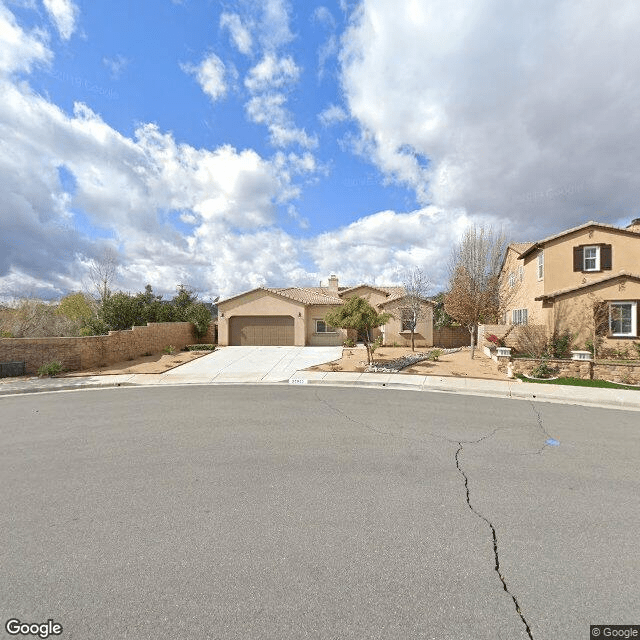
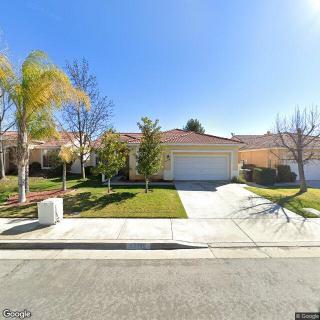
35953 Poplar Crest Rd., Wildomar, CA 92595
To contact a resident: (951) 471-5485
For more information about senior living options: (866) 208-4318
Agape Care Villa Costs & Pricing
Agape Care Villa offers competitive pricing for its accommodations compared to both Riverside County and the broader California market. For a semi-private room, Agape Care Villa's monthly cost is $2,500, which is significantly lower than the county's average of $2,844 and the state average of $3,333. When it comes to private rooms, Agape Care Villa charges $3,000 per month - again more affordable than Riverside County's average of $3,474 and California's state average of $3,939. This positions Agape Care Villa as an attractive option for those seeking quality care without the financial strain often associated with assisted living facilities in the region.
| Floor plans | Agape Care Villa | Riverside County | California |
|---|---|---|---|
| Semi-Private | $2,500 | $2,844 | $3,333 |
| Private | $3,000 | $3,474 | $3,939 |
Senior living communities with a similar price nearby
-
from +$300 / mo
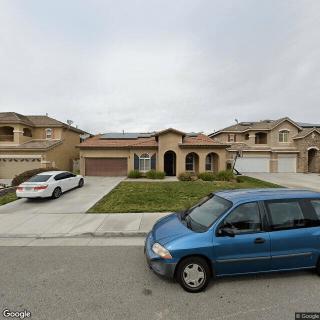
Pebble Brook Senior Home Care
$2,800 to $4,000 / month12.6 miles away -
from +$400 / mo
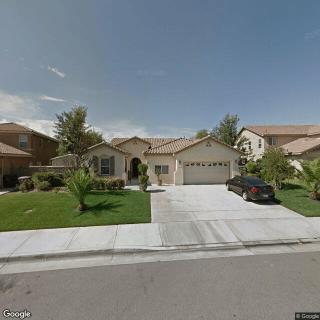
Agate Manor
$2,900 to $3,800 / month6.1 miles away -
from +$300 / mo

Bianca's Home Care
$2,800 to $3,400 / month21.5 miles away -
About the same

Golden Horizon Home I
$2,500 to $2,800 / month21.3 miles away -
from -$300 / mo
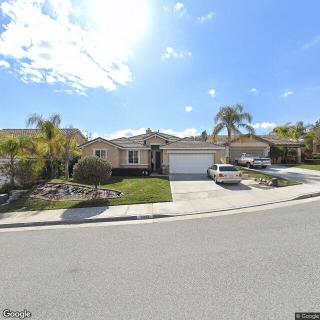
Diamond Residential Care Facility for the Elderly of Murrieta
$2,200 to $3,500 / month6.7 miles away
Overall Review of Agape Care Villa
Pros
 She is genuinely cared for and loved.
- Visitors can visit at any time.
- The family appreciates the personal hygiene and medical professionals who visit the mom.
- The family appreciates the community volunteers who visit her.
- The staff do an excellent job and the service is highly appreciated.
- The staff are very nice and caring.
- The food is delicious.
- The home is always clean and well-kept.
- The family is very pleased with Helen Mineo's placement in the residence.
- She is eating regularly and her overall health has improved.
- The care she receives has been a blessing to the family.
- A pleasant staff member assisted them.
Cons
 The price was too high.
Review
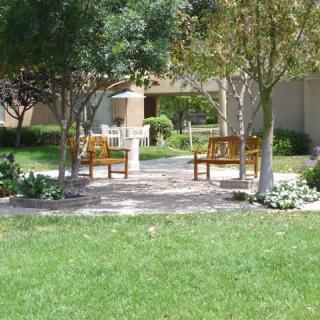
Agape Care Villa in Wildomar is best suited for families seeking a warm, home-like assisted living option where daily care feels personal, predictable, and intimately supervised. This community works best for residents who prioritize visible, ongoing attention from caregivers, easy family access, and a setting that feels less clinical and more like a traditional residence. The combination of attentive staff, on-site hygiene and medical support, and the presence of volunteers creates a steady fabric of care that supports emotional well-being as much as physical safety. If a loved one thrives on known faces, routine, and the comfort of a cozy environment, this is a compelling match.
Alternatives are worth serious consideration for certain profiles. The most salient caveat from families is cost: several reviews note the community is “too expensive.” For households operating on a tight budget, or for seniors whose needs extend into memory care or higher-acuity medical supervision, other options may deliver more appropriate funding structures or specialized services. The reviews do not indicate a dementia-specific program or advanced medical containment, so families pursuing memory-care environments or more aggressive health management will want to compare offerings elsewhere.
The core pros distinctly offset the main drawback for the right buyer. The staff come across as genuinely nice and caring, which translates into dependable daily routines, safer supervision, and a sense of being valued. Food is repeatedly praised as delicious, and the meals contribute to sustained appetite and general vitality. The home itself remains clean and well-presented, reinforcing comfort and dignity. Equally important is the accessibility of visits, family can drop in anytime, which reduces anxiety and sustains strong bonds. The consistent presence of personal hygiene and medical professionals visiting residents further strengthens confidence that health needs are monitored without constant family coordination. The volunteer component broadens social activity, helping residents stay engaged beyond formal care tasks.
Yet the strongest case rests on measurable, lived outcomes described in the reviews: a resident who began eating regularly and showed health improvements after moving in, and another who received attentive, blessing-like care from a staff team. These elements are precisely what families fear losing, regular meals, steady medical oversight, and emotional warmth, when considering other options. While price is a clear admission price in the value proposition, the combination of daily care quality, social engagement, and visible health maintenance can produce a favorable balance for those who can afford it. In practical terms, the pros answer the most important questions families ask: Will my loved one be well cared for? Will they eat well? Will they feel safe and valued?
Decision-makers should approach with a practical checklist. First, verify whether the current care level aligns with the resident’s needs, especially around hygiene support and routine medical oversight. Clarify what on-site professionals cover and how often they visit, as well as what external appointments remain the family’s responsibility. Second, assess the budget against the perceived value of a home-like atmosphere, consistent staff attention, and unrestrictive family access. Third, test the social environment: access to volunteers and the opportunity for meaningful interaction matters as much as medical care for quality of life. Fourth, inquire about care growth: if memory or higher-level medical needs arise, what adjustments are possible or available on site?
In sum, Agape Care Villa stands out as a pragmatic choice for families prioritizing warmth, reliability, and social vitality within a clean, homelike setting. It is best for seniors who want frequent family presence, appetizing meals, and steady personal and medical attention, provided cost is manageable within the household budget. Those seeking cost-effective care, or those requiring specialized memory-care programs or high-acuity medical supervision, should explore alternatives and compare total value carefully. For families comfortable with the investment and drawn to the documented sense of being truly cared for, a personal tour and a conversation with current staff will reveal a compelling alignment with long-term peace of mind.
 Board and Care Home
 Private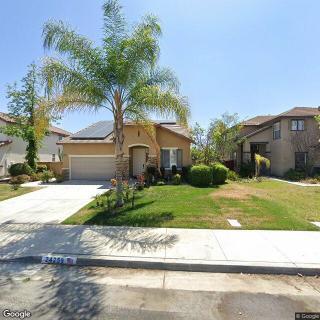

 Understanding the Nuances of Palliative Care and Hospice: A Comprehensive Exploration
 Fecal Incontinence in Older Adults: A Comprehensive Guide
 Recognizing the Journey: Understanding and Navigating Anticipatory Grief