
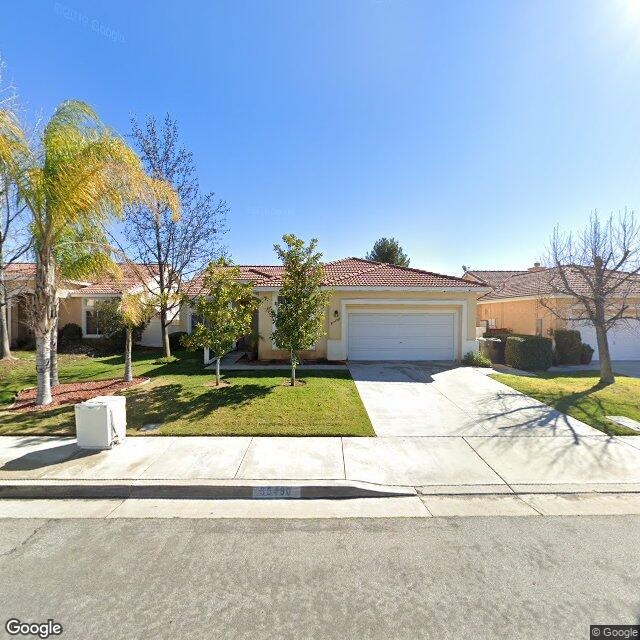
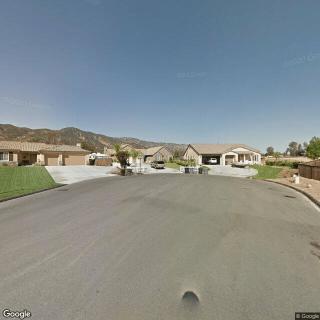
35490 Prairie Road, Wildomar, CA 92595
For more information about senior living options: (866) 208-4318
Angelic Manor Costs & Pricing
Angelic Manor offers competitive monthly rates for various room types, significantly lower than both Riverside County and the broader California state averages. For a semi-private room, residents pay $1,800, which is notably less than the county's average of $2,844 and the state average of $3,333. Similarly, both private rooms and studio apartments at Angelic Manor are available for $2,000 each, contrasting sharply with Riverside County's respective rates of $3,474 and $3,559 and California's higher averages of $3,939 and $4,145. This pricing structure positions Angelic Manor as a more affordable choice for individuals seeking quality care without compromising on comfort in comparison to local and statewide options.
| Floor plans | Angelic Manor | Riverside County | California |
|---|---|---|---|
| Semi-Private | $1,800 | $2,844 | $3,333 |
| Private | $2,000 | $3,474 | $3,939 |
| Studio | $2,000 | $3,559 | $4,145 |
Memory care communities with a similar price nearby
-
from -$200 / mo

MorningStar of Mission Viejo
$1,600 to $9,200 / month23.6 miles away -
from +$200 / mo
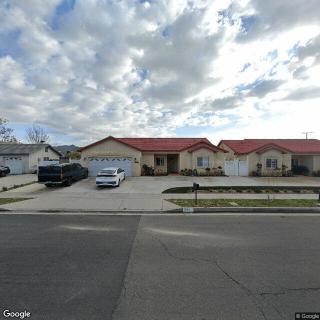
Vandelon 3
$2,000 to $3,000 / month19.9 miles away -
from -$300 / mo
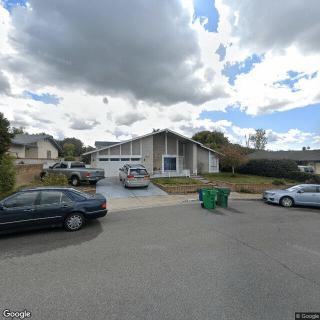
Azar Residential Care Facility
$1,500 to $2,500 / month24.0 miles away -
from +$200 / mo
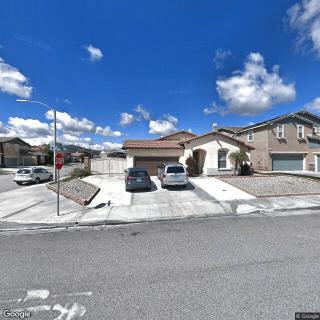
Spring Brook Home Care
$2,000 to $2,800 / month6.0 miles away -
from +$188 / mo

Sun City Gardens
$1,988 to $3,291 / month8.4 miles away
Overall Review of Angelic Manor
Pros
 The place is very clean and loving to all residents.
- It is well cared for.
- A very courteous and helpful young man is noted.
- It is a good place for a family member to call home.
Cons
 These two last people don't know what they're talking about.
- The place is mean and dirty.
Review
Angelic Manor in Wildomar is best suited for families seeking a compact, home-like atmosphere where seniors are treated with warmth and personal attention. Multiple comments emphasize cleanliness and a caring, well‑cared-for environment, implying a setting that feels more like a true residence than a large institutional campus. For residents who thrive on close daily interaction with caregivers and a manageable footprint, this community offers a practical balance of comfort and oversight. The reviews hint at a place that prioritizes compassionate touch and approachable staff, translating into meaningful daily quality of life for those who value dignity and familiar routines.
Not every experience will align with that warmth. A stark negative review describes the environment as dirty and unkind, signaling a potential risk for families prioritizing pristine conditions and consistent demeanor among staff. The spectrum in the comments suggests variability, likely influenced by which staff members are on duty and when, so families should be prepared for the possibility of uneven experiences across shifts. Those requiring robust programming, strong supervision, or clear memory-care protocols should weigh other options in the area. If steady occupancy and predictable service levels are essential, alternatives with more uniform operations may be advisable.
On the upside, the strongest positives center on staff courtesy and a readiness to help. Several reviewers highlight courteous, helpful assistance from a younger team member, indicating a resident-centered service mindset. The assertion that residents are well cared for reinforces the sense that caregivers attend to daily needs, comfort, and companionship. When care teams display consistent friendliness and responsiveness, routines, safety checks, and social interactions improve markedly, an outcome especially valuable for seniors with limited mobility or cognitive changes who depend on dependable allies in daily life.
Yet the negatives cannot be ignored. The brief, blunt critique of “mean and dirty” underscores potential lapses in cleanliness, housekeeping, or staff conduct that can erode trust. The discord between such comments and the more favorable impressions raises a clear red flag about consistency. For families, the takeaway is practical: verify current conditions during a visit, scrutinize housekeeping standards, and ask about staff turnover and supervision. In a small-team setting, variation across shifts is plausible, and a single poor experience can color a resident’s view far more than in larger communities.
To decide, families should approach Angelic Manor with a concrete checklist. Schedule a tour at different times and request a walk-through of living spaces, kitchens, and common areas to observe cleanliness firsthand. Speak with frontline aides and the administrator about daily routines, meal service, medication management, and how activity programs are structured. Verify licensing status, incident reporting, and the process for addressing concerns. Compare this with nearby communities that offer broader programming, more consistent staffing patterns, or clearer care pathways for memory support. A thoughtful comparison helps reveal whether Angelic Manor’s intimate setting truly aligns with care goals.
In the end, Angelic Manor is a viable option for families prioritizing warmth, a small-community feel, and attentive caregivers who demonstrate courtesy. It will resonate with those who value a home-like cadence and personal touches that render daily life with dignity. However, the mixed reviews demand a cautious, evidence-driven approach: visit multiple times, verify current cleanliness and staff engagement, and probe for consistency across shifts. If a tighter guarantee of uniform cleanliness and steady caregiving is essential, alternatives in Wildomar or the surrounding area should be weighed as formal comparisons. For the right family, Angelic Manor can deliver comfort, familiarity, and genuine resident regard.
 6 resident community capacity
 Assisted Living
 Board and Care Home
 Memory Care
 Respite Care
 Cable or satellite TV
 Dining room
 Fully furnished
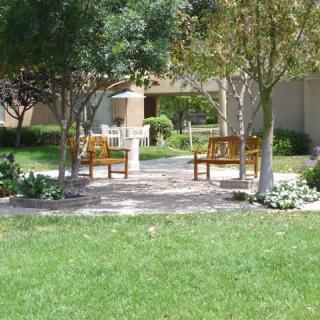
 Garden
 Housekeeping services
 Move-in coordination
 Outdoor space
 Private
 Private bathrooms
 Telephone
 Wi-Fi/high-speed internet available
 24-hour supervision
 Activities of daily living assistance
 Ambulatory care
 Assistance with bathing
 Assistance with dressing
 Assistance with transfers
 Diabetes diet
 Diabetic care
 High acuity care
 Meal preparation and service
 Medication management
 Special dietary restrictions
 Transportation arrangement (medical)
 Transportation to doctors appointments
 Christian services


 Comprehending Evening Confusion in Dementia: Causes, Manifestations, and Support
 Delirium and Dementia: Unraveling the Key Differences
 Are Dementia and Alzheimer's Disease Lethal? A Comprehensive Exploration