
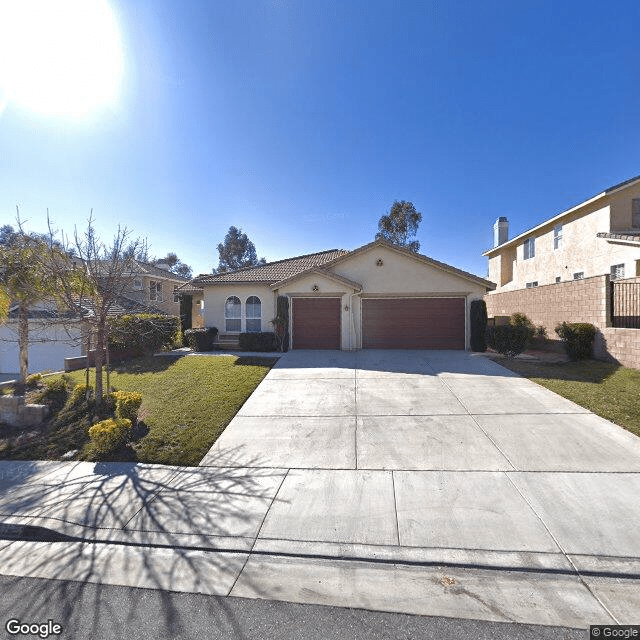
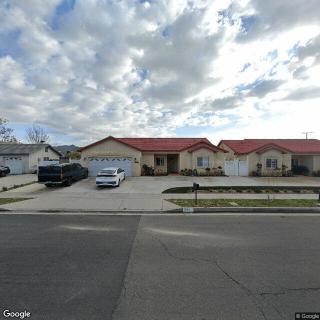
35725 Verde Vista, Wildomar, CA 92595
For more information about senior living options: (866) 208-4318
Assisted Living Professionals Costs & Pricing
When examining the costs associated with Assisted Living Professionals in Riverside County compared to state averages, it becomes clear that these facilities offer a more economical option. For a semi-private room, residents can expect to pay around $2,100 per month at Assisted Living Professionals, significantly lower than the regional average of $2,844 and the state average of $3,333. Similarly, for private rooms, Assisted Living Professionals charges approximately $2,500, which is substantially less than Riverside County's average of $3,474 and California's average of $3,939. This pricing structure highlights Assisted Living Professionals as a competitive choice for those seeking affordable yet quality assisted living options without compromising on care.
| Floor plans | Assisted Living Professionals | Riverside County | California |
|---|---|---|---|
| Semi-Private | $2,100 | $2,844 | $3,333 |
| Private | $2,500 | $3,474 | $3,939 |
Senior living communities with a similar price nearby
-
from -$100 / mo
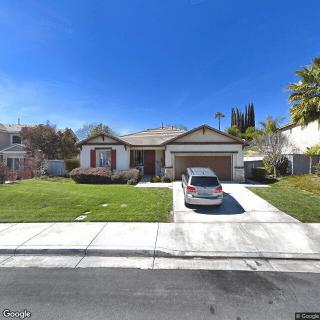
Temeku Hills Assisted Living
$2,000 to $2,800 / month8.6 miles away -
from +$400 / mo
Golden Horizon Home I
$2,500 to $2,800 / month21.6 miles away -
from +$100 / mo
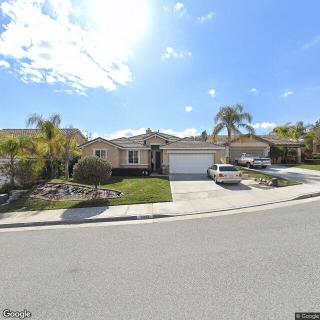
Diamond Residential Care Facility for the Elderly of Murrieta
$2,200 to $3,500 / month5.8 miles away -
from -$100 / mo
Vandelon 3
$2,000 to $3,000 / month17.9 miles away -
from -$100 / mo

For His Glory Premium Senior Care Home
$2,000 to $2,800 / month21.5 miles away
Overall Review of Assisted Living Professionals
Pros
 Brandee, Dee Dee, and Willie are described as angels who treat residents like family.
- The caregivers are wonderful, the home is very clean, and the food is great.
- Brandee and Dee Dee are amazing caregivers who go above and beyond.
- The staff show care, compassion, and provide timely updates, making the care experience reassuring.
- Thomas is described as kind and caring, helping families through transitions.
- The home feels comforting and welcoming, with a safe, neat environment.
- The staff consistently deliver love, respect, and professional care for loved ones.
- Families feel blessed and grateful for the compassionate care their loved ones receive there.
Cons
 The administrator, Thomas, is a disgusting human being.
- Thomas refused to offer condolences to a mother who had just lost her father, showing the poorest moral standing.
- Thomas is easily the most inept and unprofessional staff member the family had to deal with.
- He is unwilling or unable to show basic human decency and should consider a new career path.
- The visiting hours are cruel and make it difficult for families to visit.
- Limiting visits with the father made the situation harder and prevented him from seeing his last surviving child daily.
- Thomas is described as a “piece of work” and criticized for his discernment.
Review
This community is best suited for families seeking a warm, home-like board-and-care environment in Wildomar where caregivers know residents personally, stay consistently attentive, and family involvement feels built into daily life. It works especially well for seniors who require around-the-clock supervision, steady support with memory-care needs, and a caregiving team that communicates with families in real time. The setting is intimate, the atmosphere is calm, and the care culture emphasizes dignity, respect, and daily warmth from staff who treat residents as part of a close-knit household.
Pros are real and substantive, and they anchor the overall value here. Caregivers like Brandee and DeeDee consistently deliver what families describe as “going above and beyond,” with residents being treated with kindness, patience, and meticulous attention to safety and comfort. The home environment itself is praised for cleanliness, hominess, and a kitchen that produces meals residents enjoy, reinforcing a sense of normalcy and well-being. Families note timely, direct updates on diet and daily care; communication is often described as dependable, with staff responsive to questions and concerns. Long-tenured residents, some in care for several years, signal stability, while hospice partners repeatedly commend the facility’s collaboration, compassion, and the way staff honor residents’ preferences and dignity.
On the practical side, the operation balances strong daily caregiving with solid basic infrastructure: a clean, safe home, consistent staff presence, and a capacity to provide 24/7 care that supports families when scheduling visits or coordinating care outside the home. The close-knit scale fosters visibility, staff notice subtle changes quickly and families feel informed. The positive experiences extend to transitions into care, with stories of relatively smooth move-ins and ongoing warmth from the caretakers, which matters deeply for families navigating dementia, end-of-life care, or post-hospital transitions. In short, for families that prize a genuine, hands-on caregiving culture and a house-themes environment, the pros align well with their priorities.
Yet not every review is untouched by concern about leadership, and that tension matters in decision-making. A minority of families raise sharp criticisms about the administrator, describing him as unprofessional, unsympathetic, and troubling in his bedside manner during bereavement moments. Specific critiques include limits on visiting hours and perceived insensitivity at critical times, which some families felt amplified the emotional strain of loss. These concerns do not erase the evident strengths of the caregiving staff, but they do spotlight a leadership dynamic that can influence trust and ease of engagement for families who expect highly proactive, empathetic administrative support and predictable visitation policies.
That tension between outstanding day-to-day care and what some view as inconsistent leadership can be weighed against the overall track record of satisfaction and stability. The overwhelmingly positive caregiving experience, paired with a clean, safe home and reliable family-style communication, often offsets the administration-related concerns for many families. For those who prioritize a deeply personal, affectionate care model and value staff who make residents feel cherished, the upsides tend to dominate. However, for families where transparent, consistently compassionate leadership and flexible visitation are decisive, this may be a reason to look at alternatives or to demand a direct conversation about policies and responses to family questions before committing.
In practical terms, this community serves best when the family is ready to engage with a caring, hands-on staff in a small-home setting and prepared to assess the administrator’s approach directly. Prospective residents should arrange a meet-and-greet with the leadership team, request a tour during an ordinary shift to observe caregiver interactions, and discuss visitation expectations openly. Speaking with current families can illuminate how concerns about leadership have been addressed in real time. If flexible visiting hours and consistently empathetic administrative engagement are non-negotiable, there are alternatives that may better fit those requirements. If, instead, a warm, attentive caregiving culture and a home-like atmosphere are paramount, this community in Wildomar stands out as a strong, practical choice.
 Board and Care Home
 Cats allowed
 Dogs allowed
 Activities off-site
 Bath tubs
 Devotional services off-site
 Outdoor common areas
 Private
 Private bathrooms
 Respite or short term stays offered
 Wheelchair accessible showers
 Diabetic care
 High acuity care
 Incontinence care
 Meals provided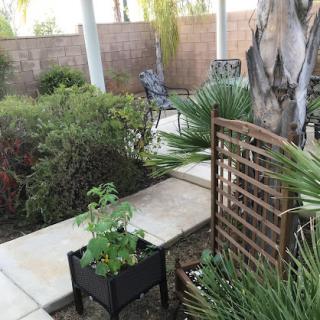


 Comprehensive Exploration of Living Wills and Other Advance Directives
 A Detailed Exploration of Living Wills and Advance Directives
 Comprehensive Guide to Medicare Coverage for Hospice Care